In an era where the internet’s infrastructure is under constant siege from sophisticated threat actors, the web hosting industry is undergoing a paradigm shift. For years, hosting companies—ranging from boutique shared-hosting providers to massive, multi-national cloud infrastructure giants—have operated largely in silos. While these companies compete fiercely for market share, they are now confronting a reality that individual firewalls and proprietary security measures can no longer address alone: modern cyber threats do not respect corporate boundaries.
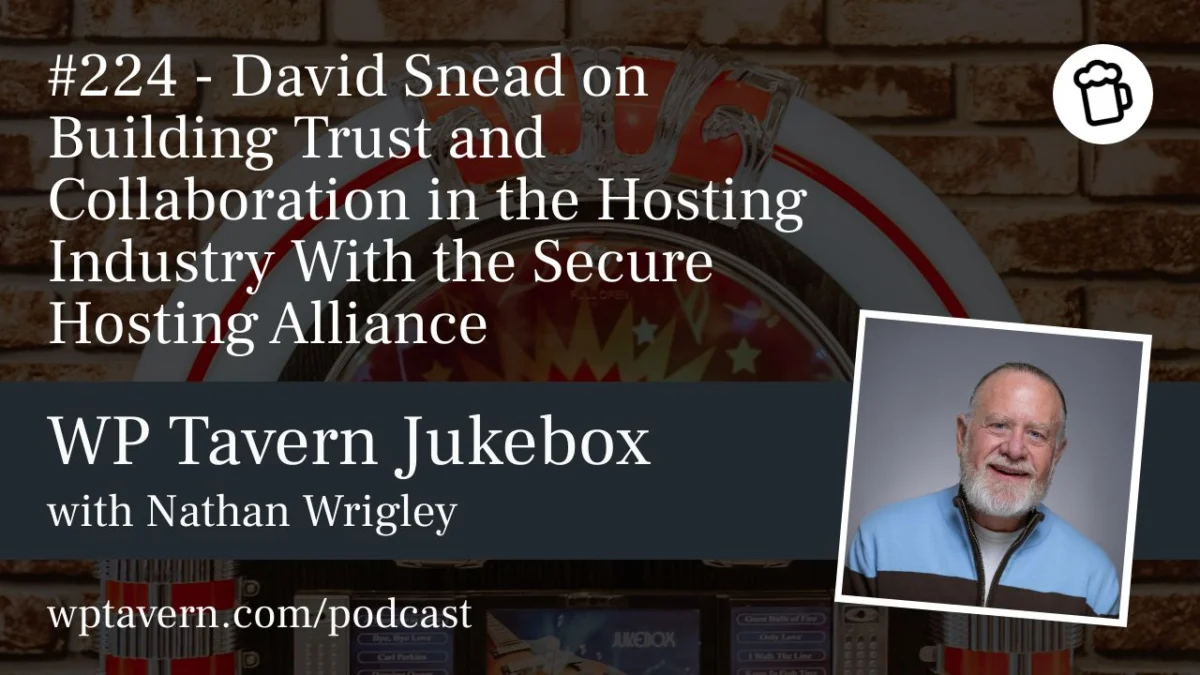
To bridge this gap, David Snead, a veteran of the hosting industry and a pivotal figure in internet infrastructure advocacy, is spearheading a collaborative movement. As the leader of the Secure Hosting Alliance and a key voice in the Internet Infrastructure Forum (IIF), Snead is championing a new model of real-time intelligence sharing. This initiative aims to transform the web’s backbone from a fragmented landscape into a unified front, enabling providers to detect and neutralize abuse before it gains momentum.
The Genesis of a Collaborative Vision
The journey toward a more secure internet began with a recognition of history. According to Snead, who has been active in the hosting sector since 1999, the early days of the industry were defined by a sense of camaraderie that was largely lost during the subsequent decades of rapid consolidation.
"There are really two goals," Snead explains. "One is to level up the ethics and professionalism in the hosting industry. The second is to facilitate more camaraderie and interaction among hosts—something that folks felt occurred in the early 2000s, and with all the consolidation that occurred, went away."
Snead’s background provides the foundation for this effort. Having served as in-house counsel for early shared-hosting pioneers, worked with over 50 hosting companies, and helped found the i2Coalition, he understands the unique legal and operational friction points that prevent providers from working together. His transition from legal counsel to architect of industry-wide security standards reflects a broader evolution: moving from protecting a single company’s interests to safeguarding the stability of the entire digital ecosystem.
Chronology of the Initiative
The movement to formalize cross-industry cooperation has been a steady, deliberate process, gaining significant traction over the past few years:
- 1999–2010: The formative years of the hosting industry, characterized by high competition and minimal formal coordination on security matters.
- 2011–2015: The founding of the i2Coalition, driven by the need for a unified voice against legislation that threatened the viability of internet providers.
- 2023: The launch of the Secure Hosting Alliance, marking a formal effort to standardize ethics, security, and professionalism.
- 2024–Present: The maturation of the Internet Infrastructure Forum (IIF) as a mechanism for real-time abuse reporting and intelligence sharing.
- 2027 (Planned): The introduction of a dedicated Trust Seal for security vendors, extending the alliance’s reach into the broader cybersecurity service sector.
The Mechanics of Intelligence Sharing: The IIF Framework
At the heart of the current effort is the Internet Infrastructure Forum (IIF). Facilitated by the Internet and Jurisdiction Foundation, the IIF acts as a neutral secretariat for the exchange of actionable abuse data.
The fundamental problem, as identified by participants, is that infrastructure is inherently distributed. A phishing domain might be registered at one company, hosted at another, and resolved via a third. When these entities do not communicate, the adversary holds the advantage.
"The IIF is a voluntary organization made up of everyone in the infrastructure stack," says Snead. "It’s designed to create a common way for everyone to share information about abuse. It’s one of the fundamental problems that everyone is operating in a silo."
The process is designed to be streamlined:
- Reporting: A participant (registrar, host, or DNS provider) submits an abuse report to the secretariat.
- Enrichment: The secretariat aggregates the data, cross-referencing it with other reports to provide a clearer picture of the threat.
- Dissemination: The actionable, non-proprietary intelligence is pushed to the relevant parties, allowing for a coordinated, rapid response.
Crucially, the system utilizes standardized languages like XARF (eXtensible Abuse Reporting Format), ensuring that different systems can "speak" the same language, regardless of their internal architecture.
Supporting Data and the Business Case for Security
One of the most persistent hurdles in driving industry-wide change is the perception that security is a "cost center" rather than a strategic asset. However, the Secure Hosting Alliance is successfully reframing this narrative by focusing on the bottom line.
For smaller hosting companies, abuse—such as the proliferation of "fake shops" designed for credential harvesting—is not just a technical nuisance; it is a direct hit to profitability. These incidents drain bandwidth, tax limited support resources, and jeopardize merchant accounts.
"I find that the business argument around abuse is a much more compelling discussion than moral persuasion," Snead notes. "If you are providing payment processing to an entity that is running a fake shop, it very easily can make your credit card processing charges higher. It ends up eating bandwidth and taxing your abuse resources."
By participating in the alliance, smaller hosts can leverage the collective intelligence of the entire group. When a smaller provider receives an abuse complaint, they no longer have to spend hours researching the threat. They can tap into the IIF data to see what others have learned, significantly reducing the "research tax" imposed by modern cybercriminals.
Addressing Legal and Operational Concerns
A common objection to data sharing is the potential for legal liability or the compromise of proprietary trade secrets. Snead, with his deep background in law, acknowledges that these are not trivial concerns. Privacy regulations, such as the GDPR in the European Union or various frameworks in India and Brazil, create complex hurdles for data sharing.
"The information that’s being shared is not proprietary or confidential," Snead clarifies. "It’s things like timestamps, domain names, and IP addresses for the initial abuse submission. These don’t indicate company-confidential information. The legal working groups are constantly analyzing how to navigate jurisdictional restrictions to ensure that our sharing remains within the bounds of global law."
Furthermore, the alliance emphasizes that they are not seeking to dictate how a host should fix a problem. They are merely providing the "red flag" information. The actual remediation remains in the hands of the individual providers, preserving their operational independence.
Implications for the Future
The implications of this movement are far-reaching, particularly for agencies, freelancers, and businesses that rely on the stability of hosting providers. The Secure Hosting Alliance’s "Trust Seal" program serves as a tangible metric for this new era of professionalism.
A New Standard for Trust
For an agency owner, choosing a hosting partner is often a leap of faith. By offering a certification that includes customer-friendly provisions—such as the mandatory presentation of contracts before signup—the alliance is effectively creating a "Good Housekeeping" seal for the infrastructure world. This provides a clear differentiator for hosts, allowing them to compete on quality, security, and ethics rather than just price.
Regulatory Readiness
Beyond business growth, there is a looming reality of increased government regulation. Governments worldwide are increasingly focused on the role of hosting providers in policing internet content and criminal activity.
"There is a little bit of a moral panic going on in the world about what content is out there," says Snead. "This is the time where you can say, ‘Hey, this is what we’re doing.’ A trust seal is the same thing; it’s a way to demonstrate that you are taking steps to make the internet a better place."
Platform Agnostic Cooperation
While the alliance has a strong presence in the WordPress community, it is essential to note that these initiatives are platform-agnostic. Whether a company hosts WordPress, Drupal, or custom-coded PHP applications, the underlying infrastructure threats remain the same. The alliance is positioning itself as a universal platform for infrastructure providers to mature and adapt.
Conclusion: A Call to Action
The progress made by the Secure Hosting Alliance and the Internet Infrastructure Forum over the last year is promising. With 25 hosting members, three major security vendors, and a growing list of Trust Seal certified providers, the infrastructure industry is proving that it can overcome the competitive instincts that have long hindered progress.
For those in the hosting space, the message is clear: the era of the isolated, "scrappy" host is reaching its limit. The complexity of modern cyber threats requires a communal response. By joining forces, sharing intelligence, and adopting standardized ethical practices, hosting providers are not just protecting their bottom lines—they are securing the very foundation of the digital world.
As David Snead continues to advocate for this collaboration, the industry moves closer to a future where the "Hotel California" of hosting—a place where you check in and never leave—is not just a metaphor for client retention, but a standard for a safe, reliable, and professional digital home.