In the competitive landscape of B2B marketing, LinkedIn has evolved from a simple digital Rolodex into a potent engine for revenue generation. Yet, many professionals struggle to move beyond sporadic posting, paralyzed by the "blank page" syndrome or the fear of algorithmic indifference.
According to LinkedIn strategist Will McTighe, who has leveraged this platform to scale his business ventures to over $2 million in annual revenue, the secret to sustainable growth isn’t "going viral"—it is building a disciplined, funnel-based content ecosystem. By shifting from a hobbyist mindset to a rigorous, data-driven approach, creators can transition from merely being "visible" to becoming a trusted authority that attracts high-value prospects.
The Foundation: Why a Funnel Strategy Matters
The most significant barrier to LinkedIn success is not a lack of creative talent, but a lack of structural intent. McTighe suggests that beginners often fail because they treat the platform as an afterthought.
To succeed, creators must adopt a three-stage framework that aligns content with the buyer’s journey:
- Awareness: Capturing the attention of strangers.
- Trust: Establishing credibility and proof of competence.
- Lead Generation: Converting interest into tangible business outcomes.
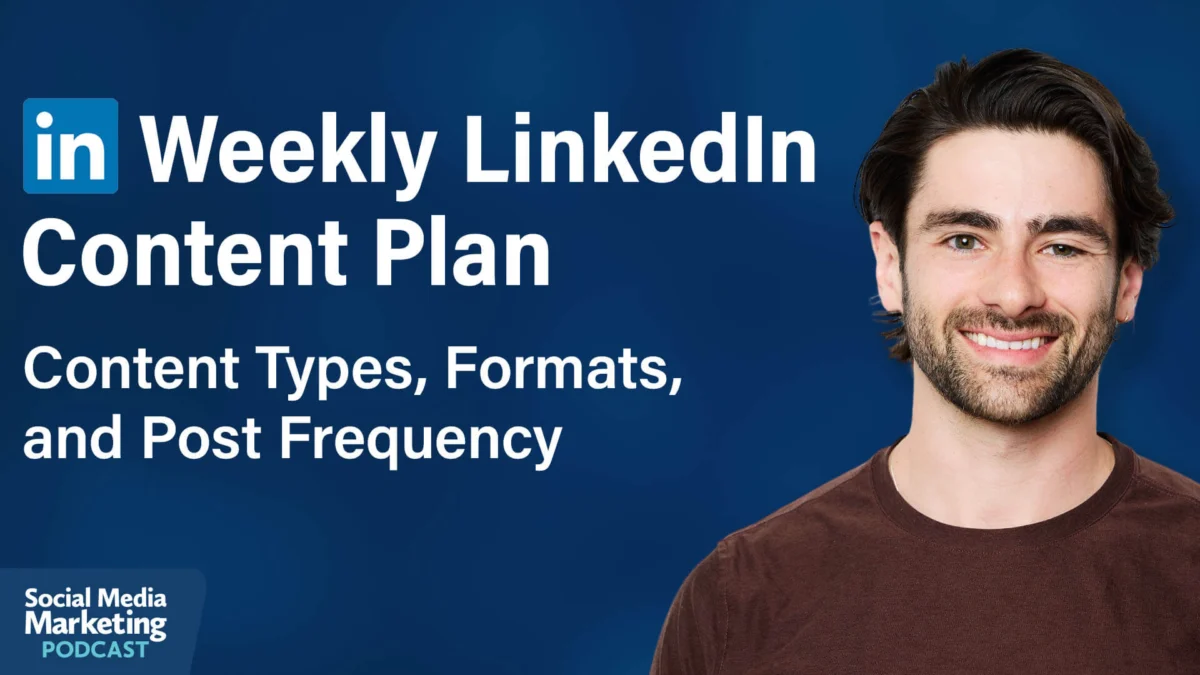
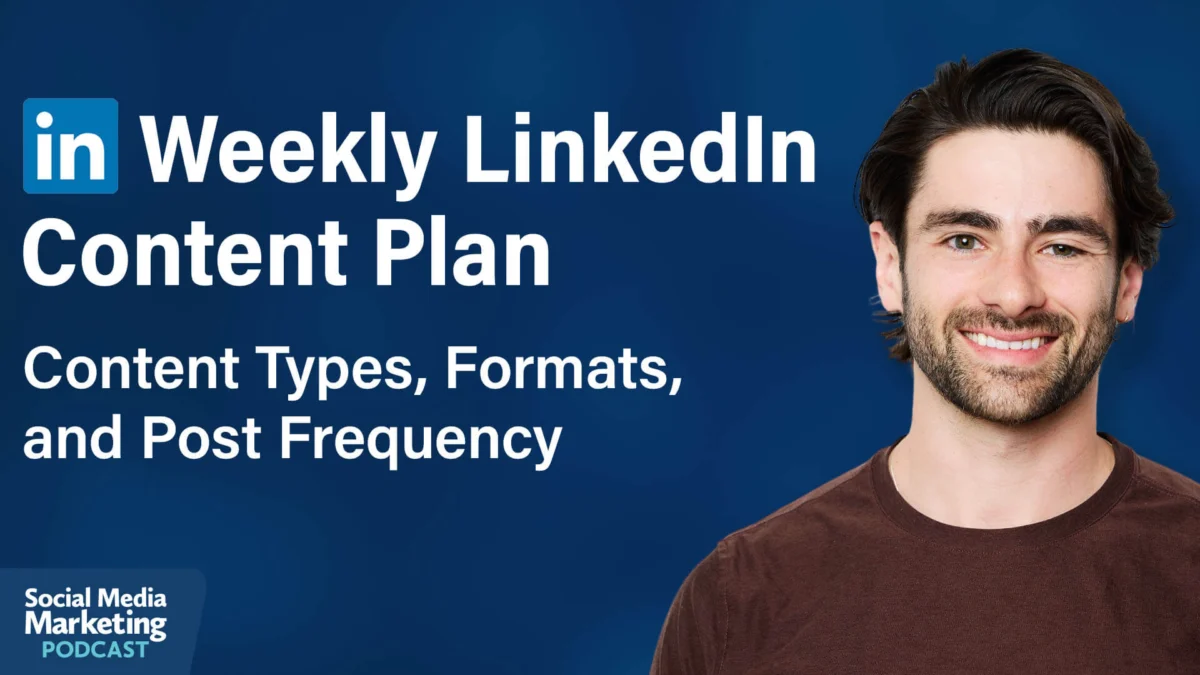
This framework relies on a consistent "4-2-1" weekly posting ratio: four awareness posts, two trust-building posts, and one lead-generation post. This balance ensures you are constantly fueling your top-of-funnel while nurturing and converting existing followers.
Chronology of Strategy: The Evolution of a Creator
Will McTighe’s journey serves as a case study in platform persistence. Entering his third year of consistent posting, McTighe emphasizes that strategy is refined through trial and error, not theoretical planning.

- Year 1: The Discovery Phase. During this period, the goal is volume and pattern recognition. By tracking which posts perform above the average, a creator can identify the "themes" that resonate with their specific niche.
- Year 2: The Optimization Phase. With a better understanding of the audience, the focus shifts to refining content formats. This is when McTighe discovered the power of infographics and carousels, which consistently outperform standard text-only updates.
- Year 3: The Scaling Phase. The current focus is on high-conversion assets. By mapping content to specific pain points identified in client interactions, McTighe has turned his LinkedIn profile into a predictable revenue stream.
Supporting Data and Formatting Insights
Data derived from over 100,000 analyzed posts reveals clear hierarchies in how LinkedIn’s algorithm and users interact with different content types.
The Power of Visuals
Contrary to popular belief, pure text posts often suffer from the lowest median performance. However, pairing text with a relevant image can double engagement rates. The critical rule for success here is alignment: the image must visually represent the first two lines of the post (the "hook"). If an image is disconnected from the hook, the reader experiences a cognitive mismatch, leading them to scroll past.
The Dominance of Carousels
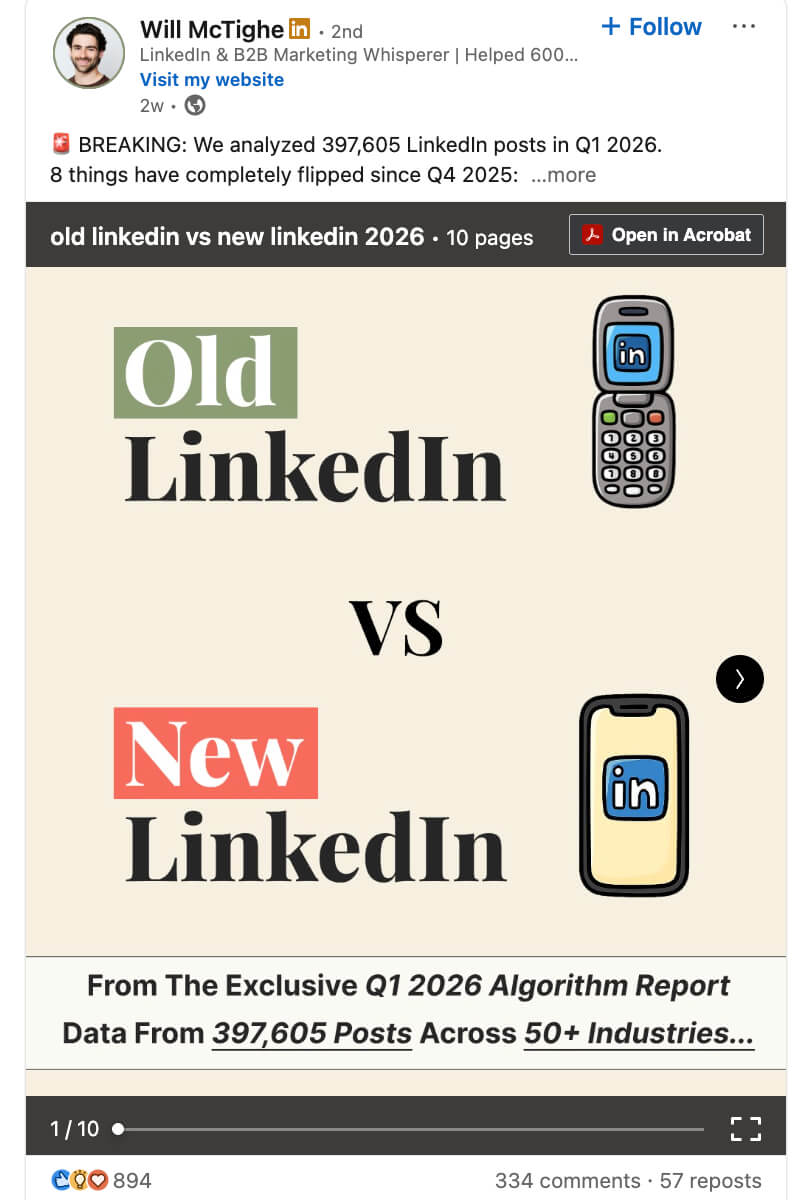
Infographics and carousels are currently the most effective formats for driving viral reach and follower growth. These formats encourage "dwell time"—the amount of time a user spends interacting with a post—which is a primary signal to the LinkedIn algorithm to amplify the content.
The Myth of the "Link Penalty"
A common concern among creators is that including external links in a post triggers an algorithmic penalty. However, McTighe’s research suggests the opposite: posts with links often outperform those without, provided the linked resource is high-value. The quality of the resource drives saves, shares, and comments, which effectively outweighs any theoretical reduction in reach.
Official Guidance: Developing Your Content Pillars
1. Awareness Content (4 Posts/Week)
Awareness content should be split into two buckets: educational and relatable. Educational posts (e.g., "The top 3 AI tools for CISO cybersecurity workflows") convert more followers because they offer immediate utility. Broadly relatable content (e.g., "The struggle of burnout") generates likes but rarely leads to long-term audience retention. To grow, focus on the niche-specific educational content.
2. Trust-Building Content (2 Posts/Week)
Trust is built through storytelling, but not just any story. A successful trust-building post must follow the Story → Lesson → Application arc.
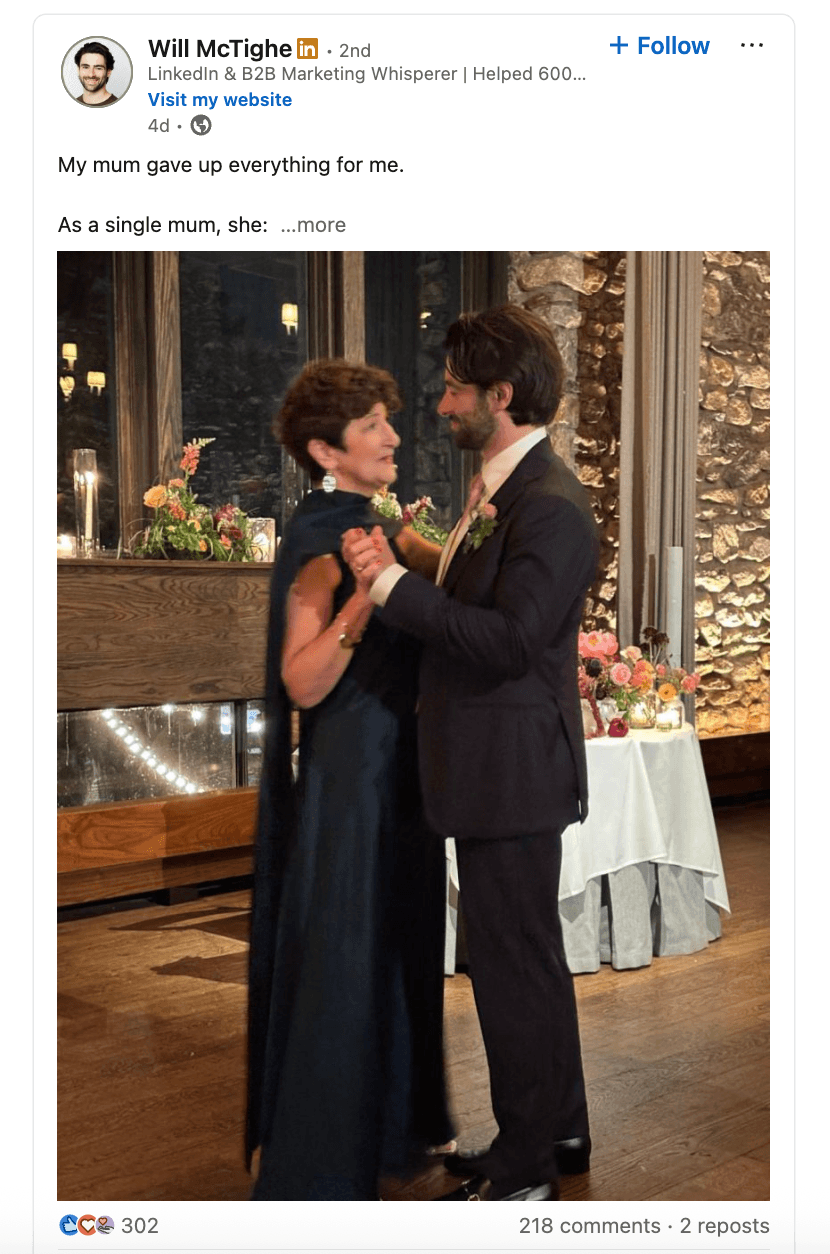
- The Hook: Lead with authority ("20 years of experience in 60 seconds") or emotion (personal narratives that mirror the reader’s challenges).
- The Structure: Every story must address a specific adversity and conclude with a takeaway that the reader can apply to their own business.
- Video Usage: While video often underperforms static content in terms of raw views, it creates an unparalleled sense of familiarity. It is the most effective tool for "warming up" a prospect before a sales call.
3. Lead Generation Content (1 Post/Week)
This stage is about de-risking the purchase. Potential buyers are asking, "Has someone with my specific problem achieved the result I want?"
- Transformation Case Studies: Move away from generic "they were great to work with" testimonials. Instead, document a specific transformation. For example, "How [Client Name] achieved [Specific Result] in [Timeframe]."
- Raw Proof: Screenshots of Slack messages, iMessages, or unproduced video clips showing client success are significantly more persuasive than polished, branded testimonial graphics. They signal authenticity.
Implications for Future Growth
The transition from a sporadic poster to a strategic content creator requires moving away from "staging" reality and toward "documenting" success.
The AI Advantage:
Creators should utilize AI as a research partner. By feeding call transcripts into tools like ChatGPT or Claude, professionals can uncover stories they told during client consultations that they have since forgotten. AI can identify which anecdotes resonated most and help format them into compelling LinkedIn posts.
The Professional Mindset:
Ultimately, the most important shift is treating LinkedIn as a professional obligation. By maintaining a simple spreadsheet to track performance, logging winning post themes, and consistently applying the 4-2-1 ratio, creators can remove the guesswork from their social media strategy.
As McTighe notes, LinkedIn does not demand perfection; it demands consistency. When your content consistently addresses the specific pains, desires, and lived experiences of your ideal prospects, you cease to be a voice in the noise and become an essential resource in your industry.
This article summarizes insights from the LinkedIn strategy framework developed by Will McTighe, founder of WM Media and creator of the Level Up Newsletter. For more information on scaling your brand through LinkedIn, follow Will McTighe on his official profile.