In the modern digital landscape, the mantra for digital creators and service-based entrepreneurs has long been "publish everywhere." Yet, for many business owners, managing a sprawling ecosystem of social media profiles, email lists, and video channels often leads to burnout rather than business growth.
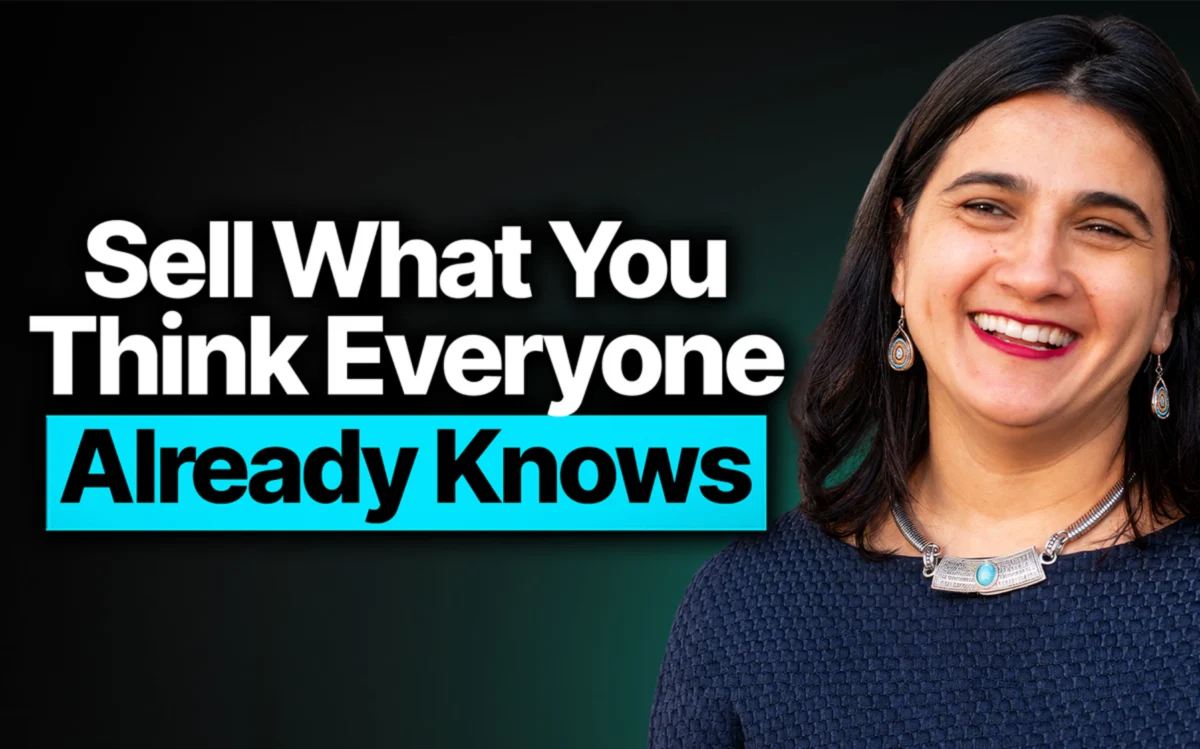
Enter Natasha Tynes. With roughly 25 years of high-level experience in journalism, writing, and media, Tynes has cracked the code on building a streamlined, highly effective multi-channel lead-generation system. Instead of spreading herself thin chasing fleeting viral trends, she has strategically woven together a web of digital platforms—including Substack, LinkedIn, YouTube, and an upcoming paid community—to cultivate a hyper-engaged audience of approximately 3,000 subscribers.
In a recent episode of the Niche Pursuits podcast, Tynes sat down to break down the mechanics of her digital ecosystem, demonstrating that when it comes to high-ticket service businesses, audience quality and strategic alignment will always outweigh raw, unmonetized follower counts.
Main Facts: The Anatomy of Tynes’s Lead Engine
At its core, Tynes’s business model does not rely on paid acquisition channels, complex advertising funnels, or vanity metrics. Instead, it relies on organic visibility, deep-form content, and multiple touchpoints that guide prospects naturally from casual observers to high-paying clients.
- The Core Asset: A roughly 3,000-subscriber email list housed on Substack serves as the primary nurturing engine for her coaching and ghostwriting pipeline.
- The Discovery Pillars: YouTube acts as a long-form video discovery engine, while LinkedIn serves as her primary network for immediate professional connection and B2B lead generation.
- The Monetization Hierarchy: Tynes utilizes a tiered commitment model that ranges from free public content and paid newsletter subscriptions to high-ticket writing and media services, with a forthcoming paid community bridging the gap.
- The Ultimate Platform: If forced to choose only one platform to run her entire business, Tynes names LinkedIn without hesitation, citing its unmatched ability to bridge content publishing and direct professional conversations.
Chronology: From 25 Years in Journalism to Digital Entrepreneurship
Tynes’s journey to becoming a multi-channel digital entrepreneur was built on decades of foundational media experience rather than overnight internet tactics.
Phase One: Traditional Media Roots (Pre-Digital Era to Early 2000s)
Before establishing her modern digital lead system, Tynes spent roughly two and a half decades honing her craft as a professional journalist, writer, and media expert. This extensive background provided her with an institutional understanding of audience psychology, narrative structure, and high-level communication—skills that would later become the bedrock of her content-driven business.
Phase Two: Establishing the Digital Footprint (Substack and LinkedIn)
As the media landscape shifted toward creator-led businesses, Tynes recognized the need to take direct control of her audience relationships. She established a Substack publication to capture direct email connections, deliberately avoiding the algorithm-dependent traps of traditional social media. Simultaneously, she leaned heavily into LinkedIn, recognizing that her professional demographic—executives, brands, and fellow writers—congregated on the platform.
Phase Three: Expanding the Discovery Funnel (YouTube and Community Building)
To capture visual learners and expand her top-of-funnel reach, Tynes integrated YouTube into her publishing cadence. By allowing potential clients to hear her voice and observe her communication style on video, she deepened the trust factor. Today, she is actively developing a paid community tier to offer an even deeper level of engagement for her most committed followers.
Supporting Data and Strategic Breakdown
To fully understand how Tynes converts passive readers into high-paying clients, it is necessary to examine how her individual channels interact with one another. Rather than operating in silos, her platforms function as an interconnected ecosystem.
1. Substack: The Direct Connection Engine
Substack is the heartbeat of Tynes’s retention strategy. By maintaining both free and paid subscription models, she accommodates different tiers of audience intent:
- The Free Tier: Acts as a low-friction entry point, allowing new followers to sample her expertise without a financial commitment.
- The Paid Tier: Offers dedicated followers advanced insights and closer access to her work, generating secondary revenue while deepening brand loyalty.
Crucially, Tynes does not view her newsletter strictly as a subscription product. Instead, she uses it as a long-term nurture sequence. Prospective clients often consume her newsletter for weeks or months before realizing they need professional help with writing, publishing, or media strategy.
2. LinkedIn: The Accelerated B2B Pipeline
While Substack nurtures relationships over the long term, LinkedIn accelerates them. Tynes treats LinkedIn as a professional showroom where her content is placed directly in front of decision-makers who already have a commercial need for her skillset.
- Shortened Sales Cycle: A prospect can read a post, review her profile, message her directly, and initiate a business conversation entirely within the LinkedIn ecosystem.
- High-Intent Networking: Because LinkedIn prioritizes professional identity, the platform yields higher-quality inquiries compared to entertainment-heavy social networks.
3. YouTube: The Trust Multiplier
Video content serves a distinct psychological purpose in Tynes’s funnel. Reading a newsletter or an article builds intellectual respect, but watching a video builds interpersonal trust. YouTube acts as a passive discovery engine; a viewer might find a video today, subscribe to the Substack next week, and ultimately hire Tynes through LinkedIn a month later.
Official Insights: The Philosophy Behind "Not Being Everywhere"
A common trap for digital creators is the pressure to be present on every single social media platform. Tynes’s strategy offers a refreshing counter-narrative. When asked if entrepreneurs need to conquer every platform, her experience suggests a more nuanced approach.
"Use each channel for a defined purpose, connect content to a clear next step, and prioritize platforms closest to potential clients."
This guiding philosophy explains her bold declaration regarding LinkedIn. When evaluated through the lens of revenue generation, a platform that places a creator directly in front of active buyers will always trump a platform that generates massive view counts but zero commercial intent.
Tynes emphasizes that audience size is a misleading metric. A creator with 3,000 highly targeted subscribers who understand their value can easily outperform an influencer with hundreds of thousands of passive, unmonetizable followers.
Implications for Content Creators and Service Businesses
The success of Tynes’s multi-channel lead system carries significant implications for freelancers, consultants, and service-based business owners navigating the digital economy:
- Shift Focus From Volume to Relevance: Service providers do not need viral fame to build a thriving business. They need an ecosystem that attracts the right type of client and builds familiarity over repeated interactions.
- Embrace Attribution Complexity: Modern customer journeys are rarely linear. A client may discover a brand on YouTube, subscribe via Substack, binge months of newsletters, and finally convert via a direct message on LinkedIn. Businesses must recognize that top-of-funnel channels still hold immense value even if direct sales cannot be instantly tracked back to them.
- Design Multiple Levels of Commitment: By offering free content, newsletters, paid community tiers, and high-ticket done-for-you services, Tynes ensures there is always an appropriate "next step" for every segment of her audience, regardless of where they are in their buyer’s journey.
Final Thoughts
Natasha Tynes’s multi-channel framework proves that sustainable digital business growth is not about shouting the loudest across the internet. It is about architectural design—placing the right pieces in the right places, nurturing relationships with patience, and prioritizing the platforms that sit closest to revenue. For service providers looking to scale without sacrificing their sanity, her system serves as a masterclass in modern digital entrepreneurship.