For years, the blueprint for digital success was simple: identify a niche, publish high-quality content, optimize for search engines, and watch the organic traffic roll in. However, the landscape of the internet has undergone a seismic shift. For many publishers, the turning point was Google’s Helpful Content Update (HCU), which left once-thriving content portfolios in ruins.
In a recent episode of the Niche Pursuits podcast, Amy Aitman—COO of Venture 4th Media and Director of Discovery & Delivery for ScaleVisible—shared a raw, tactical breakdown of how her team survived the HCU fallout. By abandoning the singular pursuit of Google rankings and embracing a multi-channel "visibility" strategy, Aitman provides a roadmap for brands struggling to stay relevant when the search giant stops sending traffic.
The HCU Hit: When "Helpful" Content Became a Liability
For Aitman, the HCU was not just another algorithm update; it was a structural gut punch. Her team had spent years refining their editorial standards, strictly adhering to the "written by humans, for humans" mantra that Google claimed to value. Yet, when the update hit, the recovery patterns that had worked in the past were nowhere to be found.
"If a site looked like a content site, it got hammered," Aitman noted. The realization was sobering: the traditional "content site" business model was no longer viewed as a source of truth by search algorithms. The operational fallout was immediate and painful, necessitating a freeze on content production and, ultimately, difficult layoffs.
Beyond the spreadsheets, there was an existential crisis. The loss of traffic and revenue prompted a broader reflection: if the traditional niche site model is dead, does the professional publisher still have a place in the modern digital ecosystem?
The Pivot: Moving From Traffic to Influence
When search traffic evaporates, the initial instinct is to scramble for new distribution channels. Many publishers turn to newsletters or social media, only to realize that building an audience from scratch is nearly impossible without a consistent "top-of-funnel" source.
Aitman’s team looked at the SERPs (Search Engine Results Pages) and identified an inescapable trend: Reddit. While initially skeptical—viewing Reddit as an unpolished, anonymous landscape compared to their curated editorial content—the team decided to treat the platform as a signal rather than a nuisance.
This marked the beginning of their pivot. They stopped asking, "How do I rank on page one?" and started asking, "Where are my customers having the conversations that influence their buying decisions?"
The "Consensus-Driven" Search Environment
The current search environment is no longer "winner-takes-all" based on a single blue link. It has become "consensus-driven." When a user searches for a product or service, modern search engines and AI summaries aggregate information from a variety of sources.
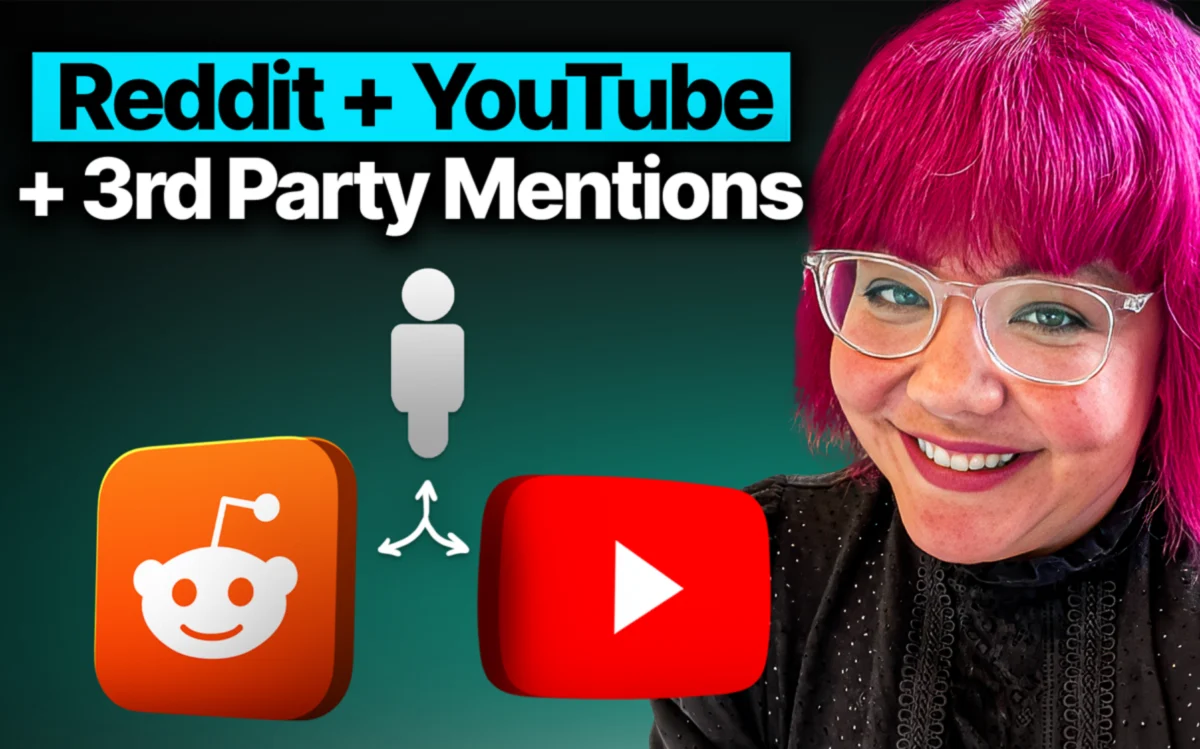
Aitman argues that brand visibility now depends on three distinct pillars:

- Reddit: For authentic, community-driven sentiment.
- YouTube: For deep-dive, visual trust-building.
- Third-Party Editorial: For industry authority and external validation.
By focusing on these three channels, a brand can build a "digital footprint" that exists independently of Google’s favor. If a user searches for a brand, they should find active community discussions on Reddit, helpful product tutorials on YouTube, and mentions in reputable industry publications. If a brand is missing from these surfaces, they are essentially invisible in the modern, AI-assisted search landscape.
The Reddit Strategy: Listening Before Speaking
The most significant mistake brands make on Reddit is treating it as an advertising channel. Aitman emphasizes that Reddit is not a place for aggressive promotion. It is a place for market research, understanding consumer objections, and identifying the language your customers actually use.
Why Brands Fail on Reddit:
- The "Brand Mention" Rush: Using AI tools to find threads that mention a keyword and jumping in with a link often backfires. It ignores the sentiment of the thread and can lead to being flagged as spam.
- Lack of Community Context: Reddit is a collection of thousands of independent fiefdoms. Each subreddit has its own culture and moderators. A strategy that works in one community will likely get a brand banned in another.
- Promotional Bias: Users have a high "crap detector." If a brand’s account only posts links to its own site, it will be identified as a commercial entity and ostracized.
The "Listen-First" Methodology
Aitman suggests a two-pronged approach for brands looking to enter the space:
- Claim Your Subreddit: Even if you don’t plan to use it immediately, secure your brand name as a subreddit. This prevents bad actors from creating a community in your name that you cannot control.
- Participate Without Selling: Spend the first several months as a user. Comment on threads, answer questions, and provide value without dropping links. Learn the cultural norms of your target communities before ever attempting to steer a conversation.
The "Ghost" vs. "Villain" Audit
One of the most compelling aspects of Aitman’s strategy is the manual audit. She encourages marketers to step away from automated SEO tools and perform "ground-level" searches. Using incognito browsers, VPNs, and manual search queries, brands can identify how they appear in the eyes of an average user.
During these audits, brands usually fall into one of two categories:
- The "Ghost": You have no presence in AI summaries or search discussions. You are effectively invisible, even if your own website is high-quality.
- The "Villain": Your brand is consistently mentioned, but only in the context of negative threads, complaints, or unresolved customer issues. Because AI tools aggregate the most cited sources, the "villain" narrative can become the primary way potential customers encounter your brand.
By auditing these results, brands can proactively address negative sentiment and work to fill the "ghost" gaps with positive, authoritative, and community-backed content.
Implications for the Future of Publishing
The "three-legged stool" of Reddit, YouTube, and third-party mentions represents a fundamental shift in how digital businesses must operate. The reliance on Google as the sole provider of traffic is no longer a viable business model for those looking for long-term stability.
For those who have seen their rankings plummet, the message is clear: stop waiting for an algorithm update to save you. Instead, focus on building a brand that exists in the minds of consumers across multiple platforms.
Key Takeaways for Business Owners:
- Diversification is Survival: If you are only on Google, you are one update away from disaster.
- Value Community: Reddit and YouTube are where human connection happens. If you aren’t part of those conversations, you are ceding market share to competitors who are.
- Adopt a "Visibility" Mindset: Measure your success by how often your brand appears in the places your audience researches, not just by how many clicks you get from a search result.
As Aitman concluded, the goal is no longer just to get traffic back—it is to ensure your brand is being shaped by your own consistent presence across the web. In the new era of search, the companies that thrive will be those that show up, listen, and provide value where the conversation is actually happening.