In the modern digital landscape, the "newsletter pop-up" has become a ubiquitous fixture of e-commerce. Designed to capture customer data the moment a visitor lands on a site, these interface elements are often viewed by marketing departments as the "silver bullet" for lead generation. However, a growing body of evidence—and a sobering reality check from major retailers—suggests that this aggressive approach to data collection is not only detrimental to user experience but is actively damaging the bottom line.
True interface design is the art of showing the right information at the right moment. When companies prioritize vanity metrics over the user journey, they risk turning potential long-term customers into immediate bounce statistics.
The Anatomy of a Failed Conversion Strategy
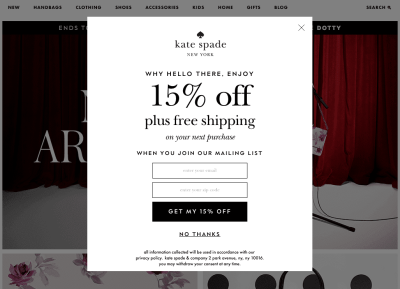
The typical e-commerce pop-up is a masterclass in misplaced priority. A visitor arrives on a site, perhaps clicking through from a social media advertisement. They are interested in exploring products, evaluating materials, comparing prices, and understanding delivery windows. Before they can orient themselves, a full-screen, high-contrast modal descends, obscuring the content.
This interaction is almost universally met with an instinctive, rapid-fire dismissal. The user has not yet established a relationship with the brand, nor have they derived any value from the visit. By forcing an interaction before a value exchange has occurred, the company essentially signals that its own data-gathering needs are more important than the customer’s browsing intent.
The Tyranny of KPIs
Why do these intrusive elements persist? The answer lies in the misalignment of internal Key Performance Indicators (KPIs). Marketing teams are frequently incentivized by the sheer volume of "new leads" added to a mailing list. In this framework, a pop-up that forces an email sign-up—no matter how disruptive—is viewed as a triumph. It feeds a dashboard that shows steady growth, justifying bonuses and budget allocations. However, this focus on the quantity of leads creates a "vanity metric" trap, where success is measured by the size of a list rather than the viability of its members.
Chronology of a Data-Driven Realization: A Case Study
To understand the lifecycle of this problem, we can look at the experience of a large-scale e-commerce retailer that recently underwent a radical shift in its interface philosophy.
Phase 1: The Obsession with Growth
The retailer’s marketing team spent weeks in a state of hyper-optimization. They A/B tested headlines, color palettes, CTA buttons, and modal positioning. They successfully created an inescapable, "loud" pop-up that dominated the viewport. Predictably, the lead generation dashboard exploded with activity. The company celebrated a massive influx of new email addresses, with spikes occurring every minute.
Phase 2: The Revenue Disconnect
Several weeks into this campaign, the management team hit a wall. While the subscriber list had grown by thousands, the anticipated revenue growth was nowhere to be found. The conversion rate remained stagnant, and the email marketing campaigns were suffering from historically low engagement.
Phase 3: The Audit
An internal audit revealed a startling truth: the "leads" were of abysmal quality. The list was saturated with temporary email addresses, creative aliases, and nonsensical strings of text generated by users simply trying to clear the screen to access the store. The company wasn’t growing a customer base; it was growing a graveyard of abandoned, fake, and spam-prone accounts.
Phase 4: The Strategic Pivot
The retailer made the bold decision to remove the disruptive pop-up entirely. Instead, they integrated newsletter subscription prompts into natural resting points: the product page, the footer, and the post-purchase confirmation email. By shifting from an interruptive model to a contextual one, the company allowed customers to browse, engage, and eventually, opt-in when they felt a genuine affinity for the brand.
Supporting Data: The Psychology of Interruption
Academic studies and UX research consistently underscore the high cost of digital interruption. According to research from the Nielsen Norman Group, users are inherently resistant to any promotional message that interrupts a task in progress. When a user is in "goal-oriented" mode—looking for a specific item—an unwanted modal is categorized by the brain as an obstacle to be removed, not an opportunity to be explored.
This phenomenon is categorized as "cognitive friction." When a user is forced to perform a task they did not initiate (closing a pop-up), the resulting negative emotional state is often projected onto the brand. The user doesn’t just hate the pop-up; they develop a subconscious bias against the website itself, leading to higher bounce rates and decreased brand trust.
Conversely, "humble" UI patterns—those that respect the user’s flow—yield significantly higher lifetime value (LTV). When a user provides an email address because they actually want the brand’s updates, they are infinitely more likely to open, read, and convert on future emails.
Official Industry Stance: Quality Over Quantity
Leading UX design professionals and industry analysts are moving away from the "capture at all costs" mentality. The consensus is that the value of an email list is determined by its "health"—specifically, the open rates, click-through rates, and low bounce/spam report percentages.
A list of 10,000 "forced" leads with a 1% open rate is significantly less valuable than a list of 1,000 "organic" leads with a 30% open rate. The former is a liability, costing the company money in Email Service Provider (ESP) fees and potential damage to domain reputation, which can cause legitimate emails to be flagged as spam by Gmail or Outlook.
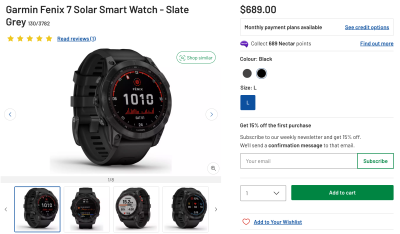
The industry is now championing a transition toward:
- Non-modal overlays: Subtle banners that sit at the bottom or top of the screen.
- Contextual triggers: Offering a newsletter sign-up only after a user has scrolled a certain percentage of the page or viewed multiple products.
- Value-added prompts: Linking the subscription to a specific benefit, such as a discount or exclusive content, provided only after the user has shown intent.
Implications for Future Interface Design
The shift away from intrusive pop-ups signifies a broader evolution in e-commerce: the transition from "transactional" relationships to "relational" ones. As privacy regulations like GDPR and CCPA continue to evolve, and as email filters become increasingly sophisticated at identifying "junk" leads, the old, aggressive tactics are becoming obsolete.
Designing for Trust
The future of successful e-commerce lies in patience. Companies must build trust by demonstrating competence first. When a brand provides a clean, fast, and helpful shopping experience, the customer is far more likely to grant permission for further communication. This creates a "virtuous cycle" where the brand respects the user’s autonomy, and the user rewards the brand with their attention.
The Need for Continuous Education
As digital tools grow more complex, the gap between "what we can do" (technologically) and "what we should do" (ethically and effectively) continues to widen. Educational initiatives, such as comprehensive training on interface design patterns, are becoming essential for product teams. Understanding the mechanics of accordions, dropdowns, and non-modal dialogues isn’t just about aesthetics; it is about mastering the psychology of the customer journey.
Conclusion
The "shiny newsletter pop-up" was a product of a simpler, more naive era of digital marketing—an era where we believed that access to an inbox was the same thing as access to a customer’s heart. Today, we know better.

By prioritizing the user’s journey, removing unnecessary interruptions, and focusing on the quality of our audience rather than the raw number of sign-ups, companies can stop chasing vanity metrics and start building a sustainable, profitable, and respected brand. In the digital economy, the most valuable currency is not the email address; it is the trust that earns it. It is time for e-commerce design to catch up with this reality.