Every email marketing professional has faced the same silent frustration: the "delete" swipe. In an era of infinite digital noise, the battle for consumer attention is fought in the milliseconds between a notification appearing on a screen and the user deciding whether to engage. But why do some emails consistently generate massive revenue while others fade into the background?
The secret lies not in the artistry of graphic design or the wit of a subject line, but in a deeper understanding of human behavior. Successful email marketing is, at its core, a practice of applied psychology. To drive conversions, marketers must tap into the subconscious triggers that dictate how we make micro-decisions. When an email campaign moves beyond "promotion" and becomes an "opportunity," it is because it has successfully navigated the human brain’s emotional decision-making process.
The Core Fact: Emotion Precedes Logic
The fundamental truth of consumer behavior is that human beings are not logical creatures who occasionally feel; we are emotional creatures who occasionally use logic to justify our feelings.
When a subscriber opens an email, they are not conducting a forensic analysis of your layout or weighing the pixel-perfect design of your call-to-action (CTA) button. Instead, they are subconsciously asking three critical questions: Do I trust this brand? Am I missing out on something vital? Is this product uniquely suited to me?
Understanding these instincts is the dividing line between an average campaign and one that delivers an unforgettable return on investment. By structuring content around four primary psychological levers—Urgency, Scarcity, Social Proof, and Personalization—marketers can bypass the "filter" of the cynical inbox and speak directly to the reader’s needs.
Chronology of a Conversion: The Psychological Journey
A high-converting email follows a specific trajectory, guiding the reader through a mental funnel that mirrors the decision-making process.
- The Hook (Engagement): The subject line and pre-header must disrupt the pattern of the inbox. This is where Personalization works its magic by signaling relevance.
- The Value Proposition (Desire): Once opened, the body copy must leverage Social Proof to remove the friction of doubt. If others are using it, the risk of purchase is diminished.
- The Catalyst (Intent): This is where Scarcity enters the frame, elevating the perceived value of the offer from a "nice-to-have" to a "must-have."
- The Closing (Action): Finally, Urgency is introduced to force a decision. By providing a finite window for action, the marketer eliminates the "I’ll do it later" syndrome, which is the death knell of conversion.
Deep Dive: The Four Levers of Influence
1. The Power of Urgency: Timing as a Catalyst
Urgency functions because it preys on the human aversion to missed opportunities. When a customer feels that an offer is fleeting, the decision-making process shifts from a long-term analytical mode to a short-term reactive mode.
The key to effective urgency is authenticity. Over-using "fake" countdown timers or endless "last chance" sales results in "urgency fatigue," where the consumer eventually learns to ignore the stimulus. To be effective, urgency must be tied to genuine constraints: a seasonal shift, a specific product launch, or a limited-time bonus. When used correctly, phrases like "Ends tonight" or "Only four hours left" effectively shorten the distance between interest and acquisition.
2. Scarcity: Elevating Perceived Value
If urgency is about time, scarcity is about exclusivity. Humans have a deeply ingrained evolutionary bias: we attribute higher value to things that are rare.
Scarcity works by signaling that an item is not just a commodity, but a premium asset. Whether it is "low stock alerts," "limited edition colorways," or "exclusive access for subscribers only," scarcity transforms the brand relationship. It shifts the consumer’s mindset from "Should I buy this?" to "Can I get my hands on this before someone else does?" By limiting access, you aren’t just selling a product; you are conferring a status on the buyer.
3. Social Proof: Bridging the Trust Gap
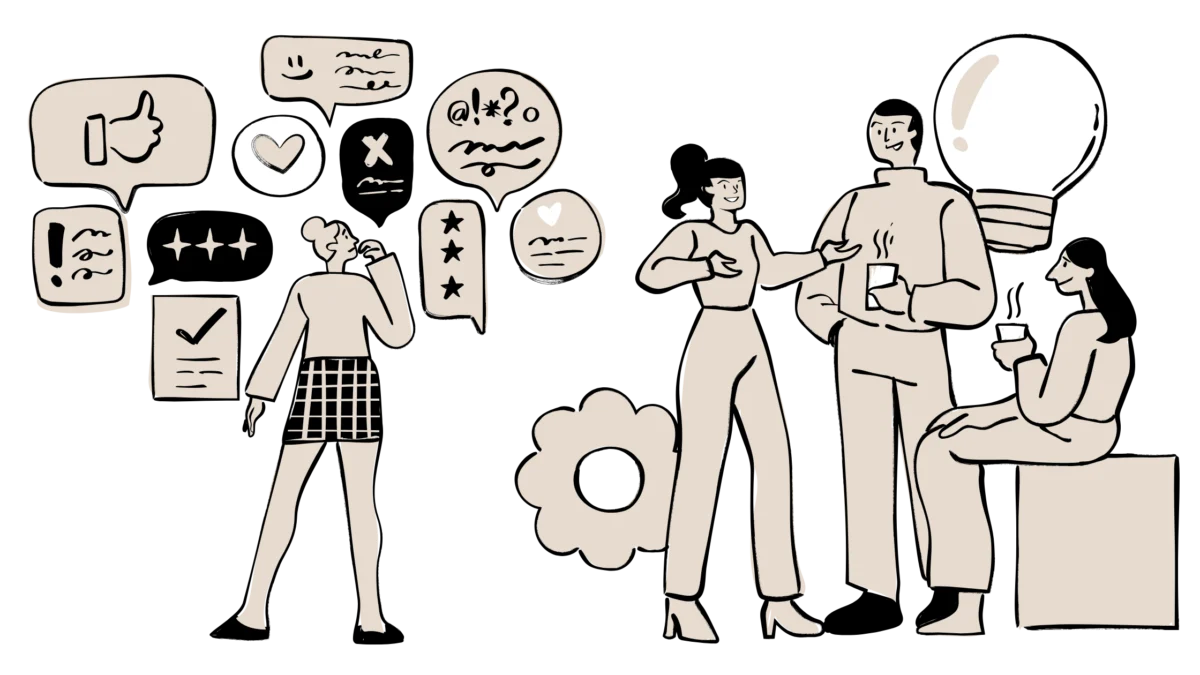
In the digital marketplace, the greatest barrier to conversion is fear—specifically, the fear of making the wrong choice. Social proof acts as the ultimate antidote to this anxiety. It is the psychological signal that says, "You are safe; others have gone before you and succeeded."
Data consistently shows that consumer-generated content—such as user reviews, photos from real customers, and video testimonials—outperforms professional studio assets. Why? Because it feels authentic. When you integrate social proof into your emails, you are outsourcing your marketing to your most satisfied customers. You are letting them validate your claims, which is significantly more powerful than any copy written by a brand manager.
4. Personalization: The Architecture of Relevance
The modern inbox is a graveyard of generic, blast-style emails. To break through, you must answer the reader’s most pressing question: Why are you showing this to me right now?
True personalization is more than just inserting a name into a subject line. It involves behavior-based segmentation. If a customer has recently browsed a specific category or purchased a complementary product, the email must reflect that history. By tailoring the offer to their unique journey, you treat the customer as an individual rather than a data point. This fosters a sense of being "seen" and understood, which is the bedrock of long-term brand loyalty.
Supporting Data and Evidence
Marketing research consistently highlights the efficacy of these triggers. According to behavioral economic studies, the "fear of missing out" (FOMO) is a primary driver in over 60% of millennial purchasing decisions. Furthermore, A/B testing across various e-commerce sectors reveals that emails featuring social proof—specifically user-generated reviews—experience a 15% to 25% higher click-through rate than those that do not.
When these triggers are combined, the results are compounded. A personalized email that uses social proof to build trust and urgency to force action creates a "perfect storm" for conversion.
The Practitioner’s Blueprint: Putting Theory into Practice
To illustrate these principles, consider the "PadelLab" example. The brand uses a personalized subject line regarding the customer’s previous browsing behavior, immediately grounding the email in relevance. They then introduce social proof via a customer testimonial, followed by scarcity regarding stock levels, and finally urgency with a 24-hour early-access window.
This structured approach ensures that the email is not just a list of features, but a cohesive narrative that guides the user from curiosity to the checkout page.
Implications for the Future of Email Marketing
The implications of these findings are clear: the era of the "spray and pray" marketing email is over. The future belongs to brands that treat the inbox as a space for psychological engagement rather than a billboard.
As AI and automation tools become more sophisticated, the ability to weave these four triggers into dynamic, real-time emails will become the standard. Marketers who fail to adopt this psychological framework will find their engagement rates plummeting, while those who master the art of the "meaningful moment" will continue to grow their revenue.
A Call to Action for Modern Founders
For those looking to implement these strategies without doubling their workload, the right infrastructure is essential. Platforms like Omnisend have evolved to meet this need, offering behavior-based automations and built-in social proof blocks that allow founders to pair complex psychological frameworks with seamless execution.
By moving beyond simple broadcast emails and utilizing dynamic, personalized, and behavior-triggered flows, you can ensure that your brand is not just another notification—but a welcome addition to your customer’s day.
For readers ready to elevate their email strategy, you can get 50% off your first 3 months with Omnisend using code FOUNDR50. It is time to stop sending emails that get deleted and start sending emails that build businesses.