By the Editorial Team

As search engine result pages (SERPs) evolve into conversational, AI-driven experiences, the foundational rules of visibility are undergoing a massive transformation. For decades, digital marketers relied heavily on keyword optimization, internal linking, and self-promotional content published directly onto company blogs to secure top-tier rankings. Today, however, that playbook is no longer enough.
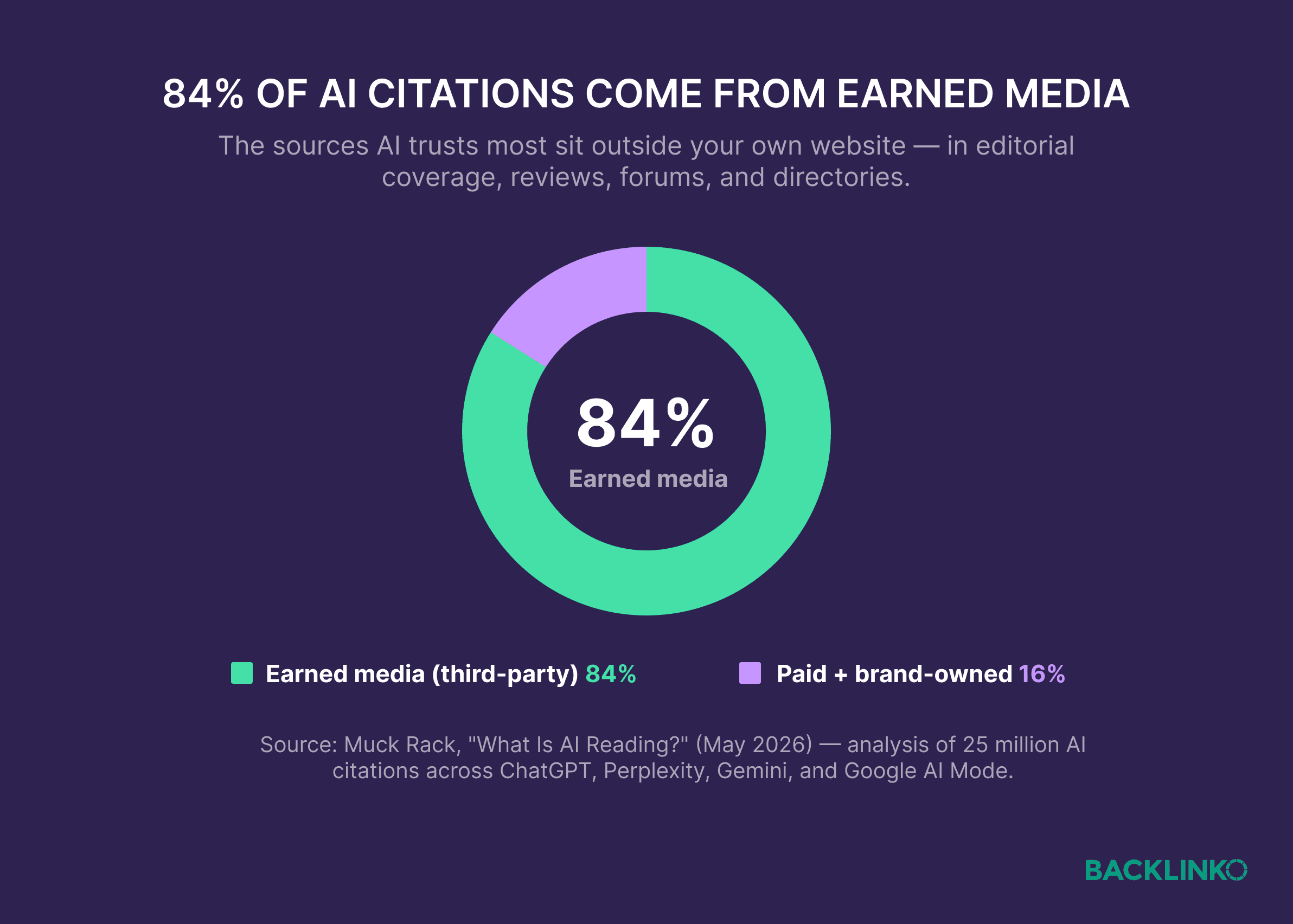
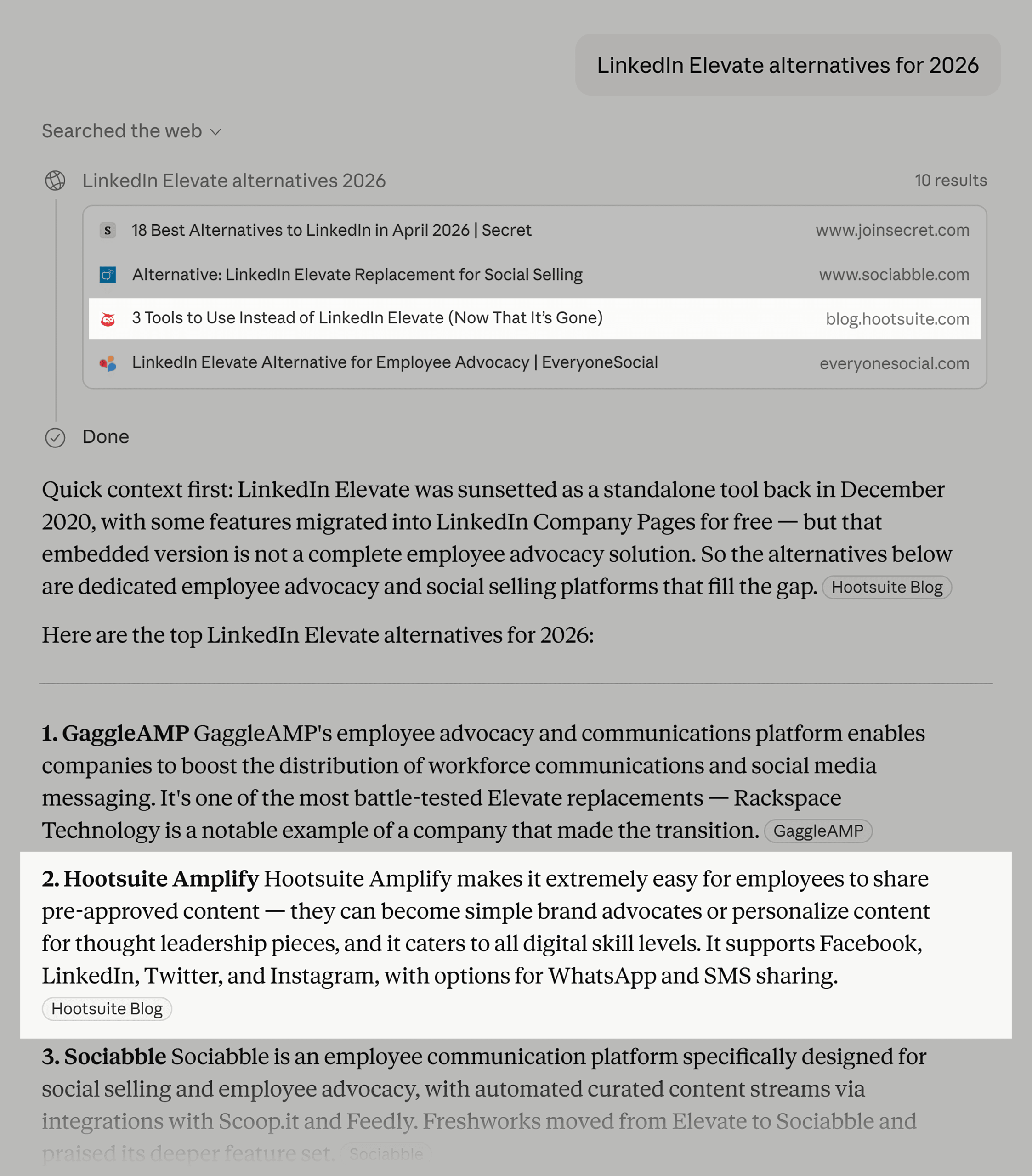
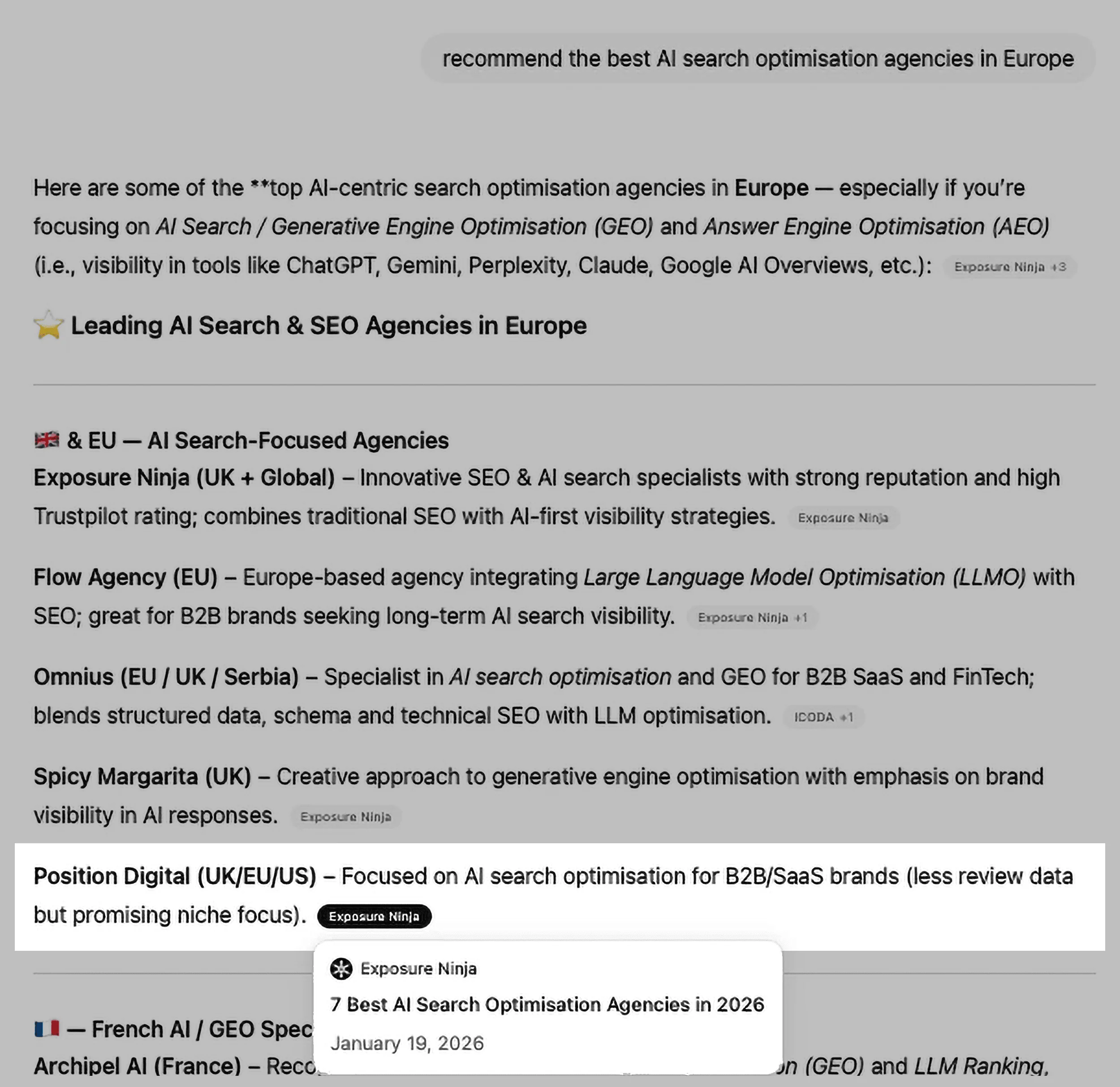
According to a landmark study by Muck Rack, an overwhelming 84% of AI citations originate from earned media—third-party sources encompassing editorial coverage, verified customer reviews, and peer-to-peer forum discussions. In the world of Large Language Models (LLMs), self-promotion takes a backseat to independent validation.
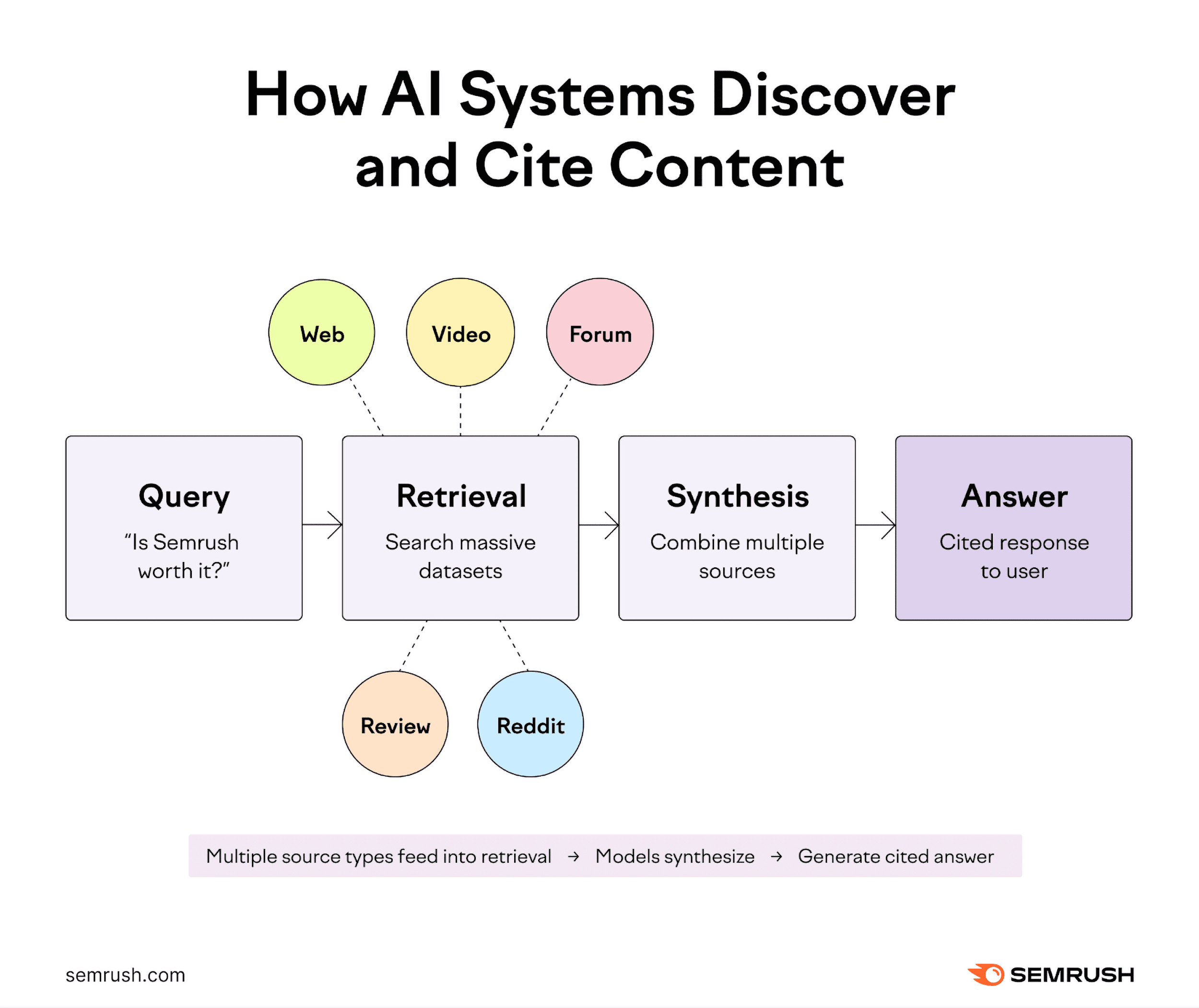
If your brand wants to be recognized, trusted, and recommended by AI engines like ChatGPT, Google AI Overviews, and Perplexity, your primary strategy must shift outward. You need to dominate the external web. This comprehensive journalistic report explores the mechanics of AI search visibility, the chronology of this paradigm shift, supporting empirical data, industry responses, and the profound strategic implications for businesses worldwide.
Main Facts: The Anatomy of AI Citations
To understand how to win in AI search, one must first understand how artificial intelligence models consume and synthesize information. Unlike traditional search engines that crawl web pages to match keywords with a user’s exact query, LLMs absorb information from dozens of disparate sources across the web, cross-reference them, and synthesize a single, cohesive conversational answer.
The core takeaways shaping modern optimization include:
- The Dominance of Earned Media: With 84% of citations tied to third-party sources, brands must invest heavily in external validation rather than relying solely on onsite publishing.
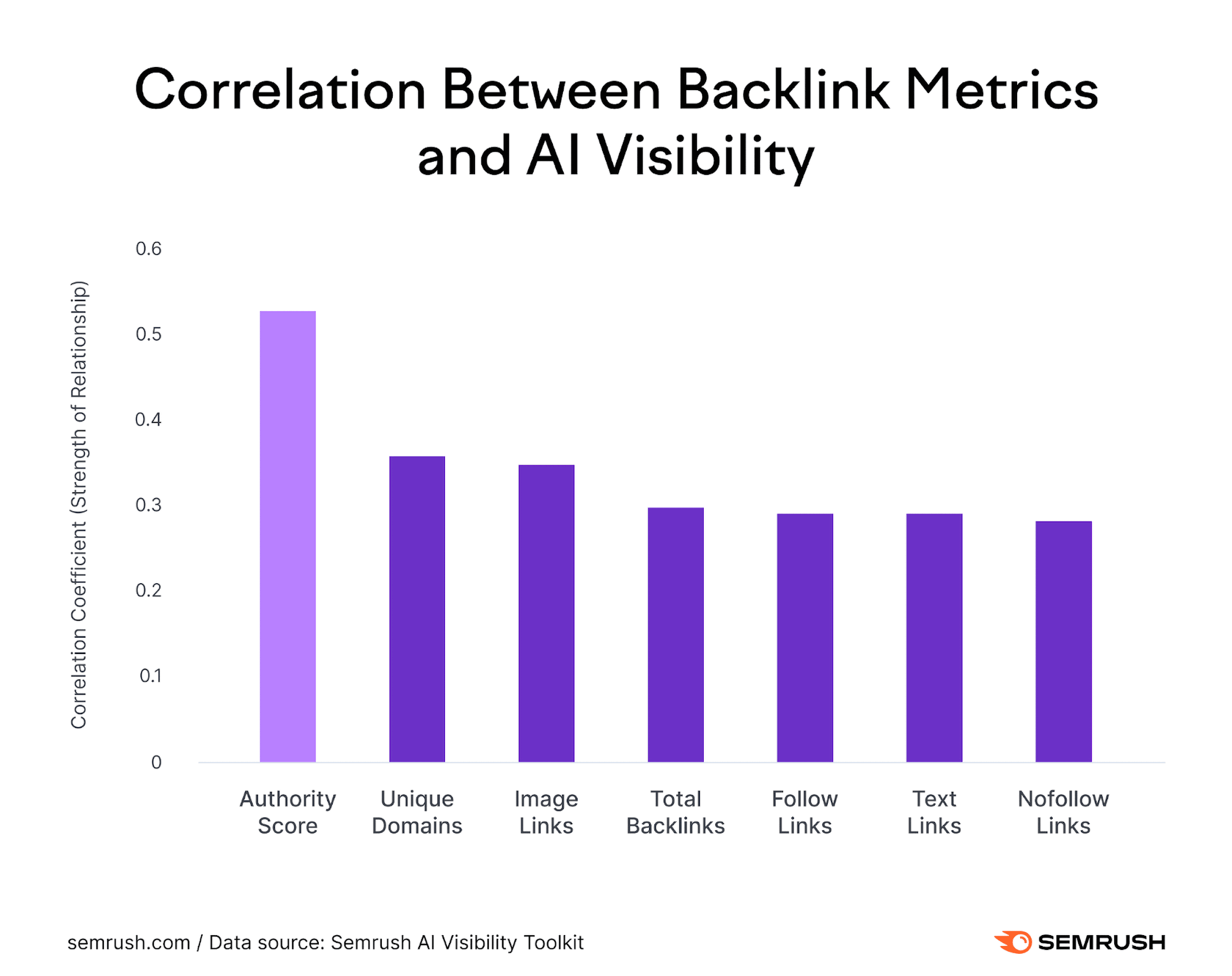
- The Power of Authority: Studies by Semrush and Seer Interactive demonstrate a direct correlation between high domain authority, quality backlinks (specifically from domains with a Domain Authority of 60+), and frequent AI citations.
- The Rise of "LLM Seeding": Digital PR is no longer just about public relations or traditional SEO link building; it is now the single most critical driver of Generative Engine Optimization (GEO).
Chronology: How Digital PR Became the Core Driver of GEO
The transition from traditional SEO to Generative Engine Optimization (AEO/GEO) did not happen overnight. It represents a steady, strategic migration driven by consumer behavior and technological advancement.
Phase 1: The Traditional SEO Era (Pre-2023)
For years, search engine optimization was defined by keyword density, technical site optimization, and aggressive link-building campaigns. Brands could easily manipulate rankings by publishing long-form onsite guides and acquiring backlinks through guest posting networks. AI played a minor role, mostly behind the scenes for ranking algorithms.
Phase 2: The Emergence of Conversational AI (2023–2024)
With the public rollout of ChatGPT and the subsequent integration of Google AI Overviews, user behavior shifted dramatically. Consumers stopped browsing through ten blue links and began asking conversational, multi-layered questions. Initially, marketers panicked, wondering if traditional SEO was dead. However, early data revealed that AI tools were heavily dependent on the web’s existing index, sparking the first wave of multi-platform optimization strategies.
Phase 3: The Data-Driven AI Search Reality (2025–Present)
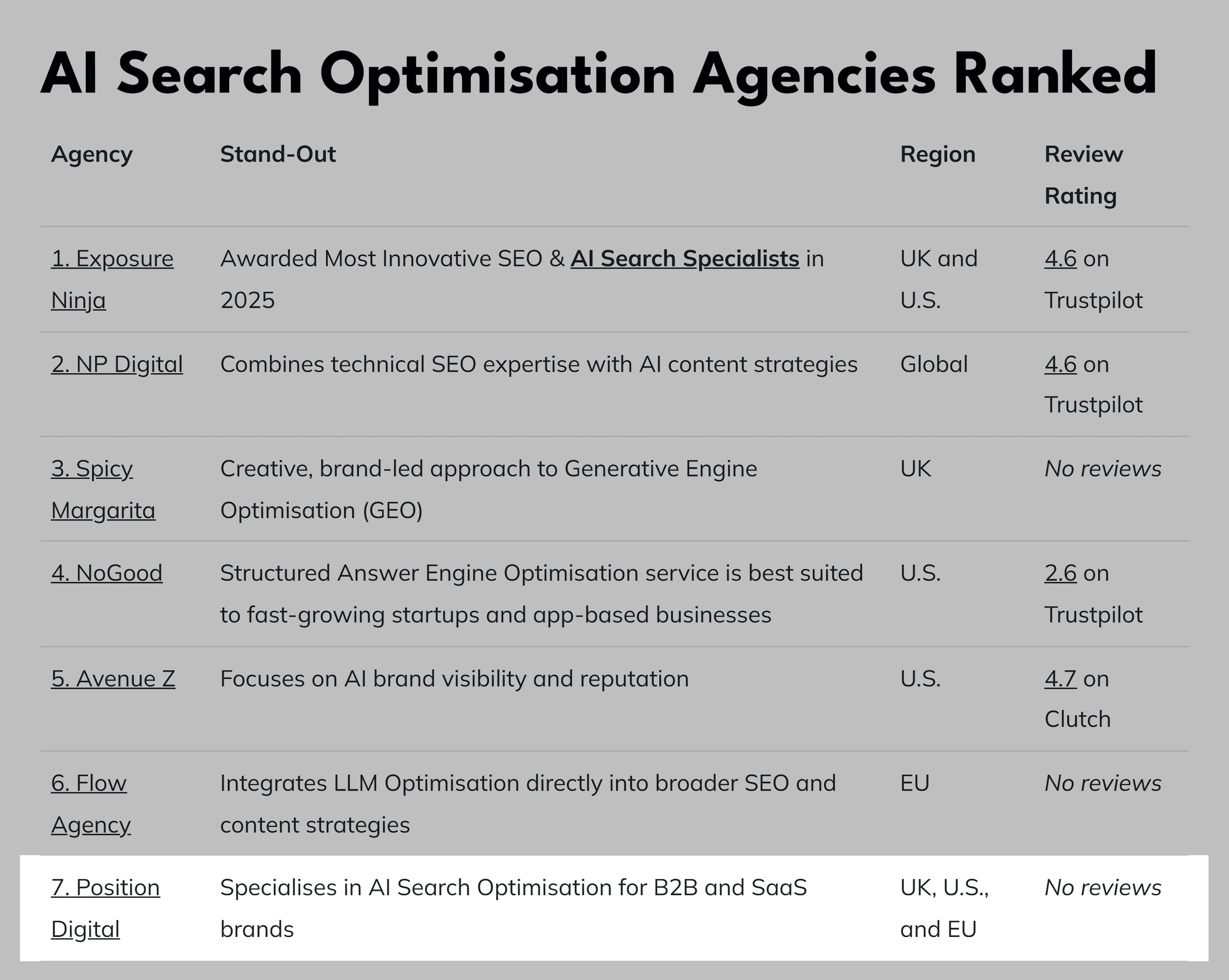
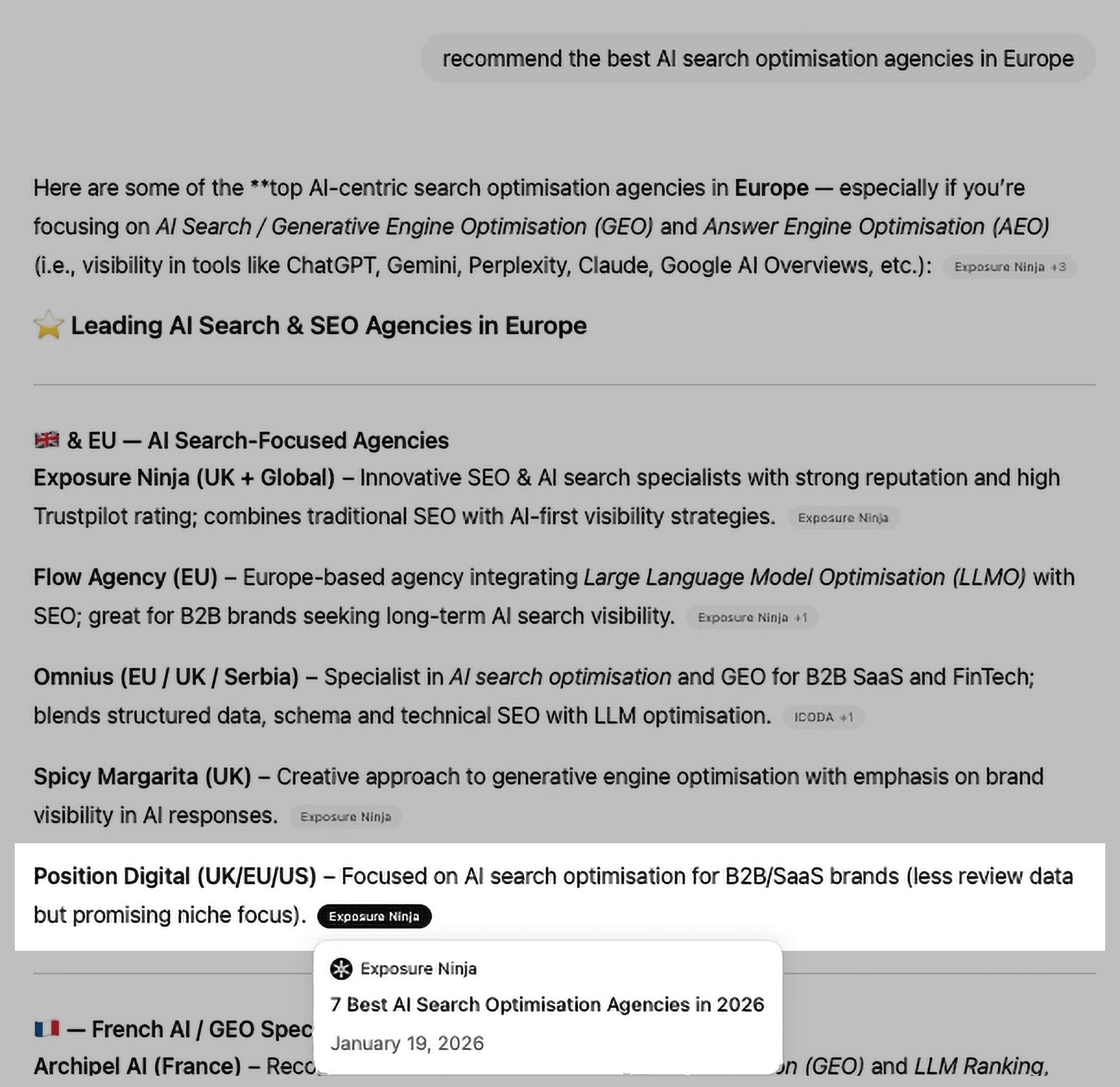
Recent empirical studies published by leading analytics firms have quantified what experts long suspected: AI models prefer consensus over claims. When an LLM evaluates who to recommend for a query like "the best project management tool" or "top SEO agencies," it looks at who is being talked about across reputable editorial sites, Reddit threads, and review platforms. Digital PR has officially graduated from a brand-awareness tactic to the absolute core engine of AI visibility.
Supporting Data: What the Research Tells Us
The shift toward external validation is backed by robust industry data.
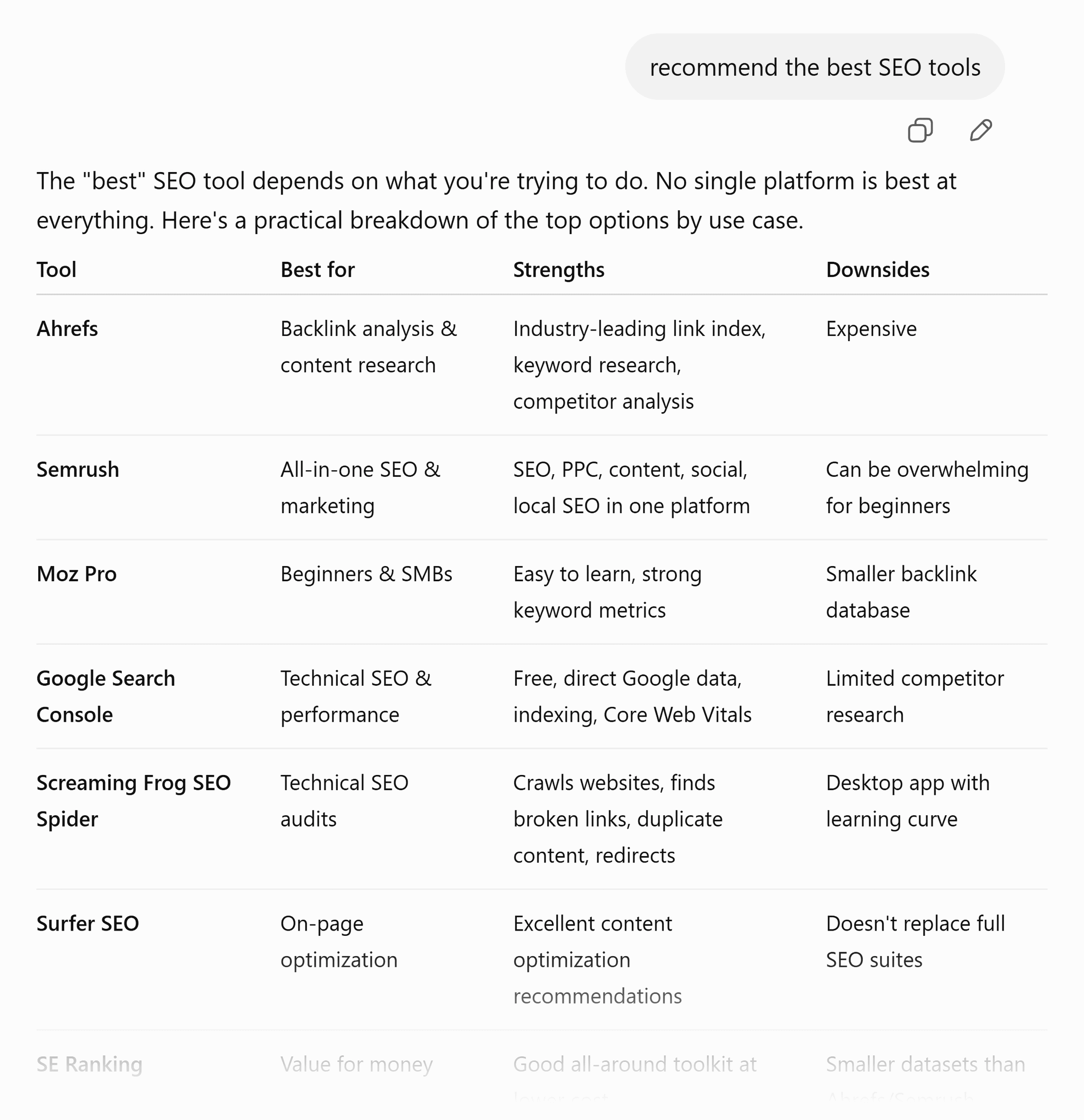
- The Muck Rack Insight: The finding that 84% of AI citations come from earned media confirms that LLMs prioritize objective, third-party reporting over corporate messaging.
- Backlink Authority Correlations: Semrush’s study of 1,000 domains revealed that brands possessing strong backlink profiles are exponentially more likely to be featured in AI-generated answers. Furthermore, Seer Interactive’s research highlights that domain authority and high-tier backlinks are the top two metrics influencing AI visibility.
- The Power of Review Profiles: In a study analyzing 800,000 AI responses, Seer Interactive discovered that brands with no profile on review platforms like Trustpilot have a median AI citation rate of a dismal 1%. Simply establishing a minimal profile with 13 or fewer reviews causes that citation rate to jump to 53.5%.
- The Value of Expert Content: Data shows that content featuring recognized expert commentary averages 4.1 citations in ChatGPT, compared to just 2.4 citations for content lacking expert insights.
Official Responses and Industry Reactions
Digital marketing leaders, agency executives, and SEO pioneers have quickly adapted their service offerings to meet this new reality. Agencies that once focused exclusively on technical audits are now building dedicated digital PR wings focused on "LLM Seeding."
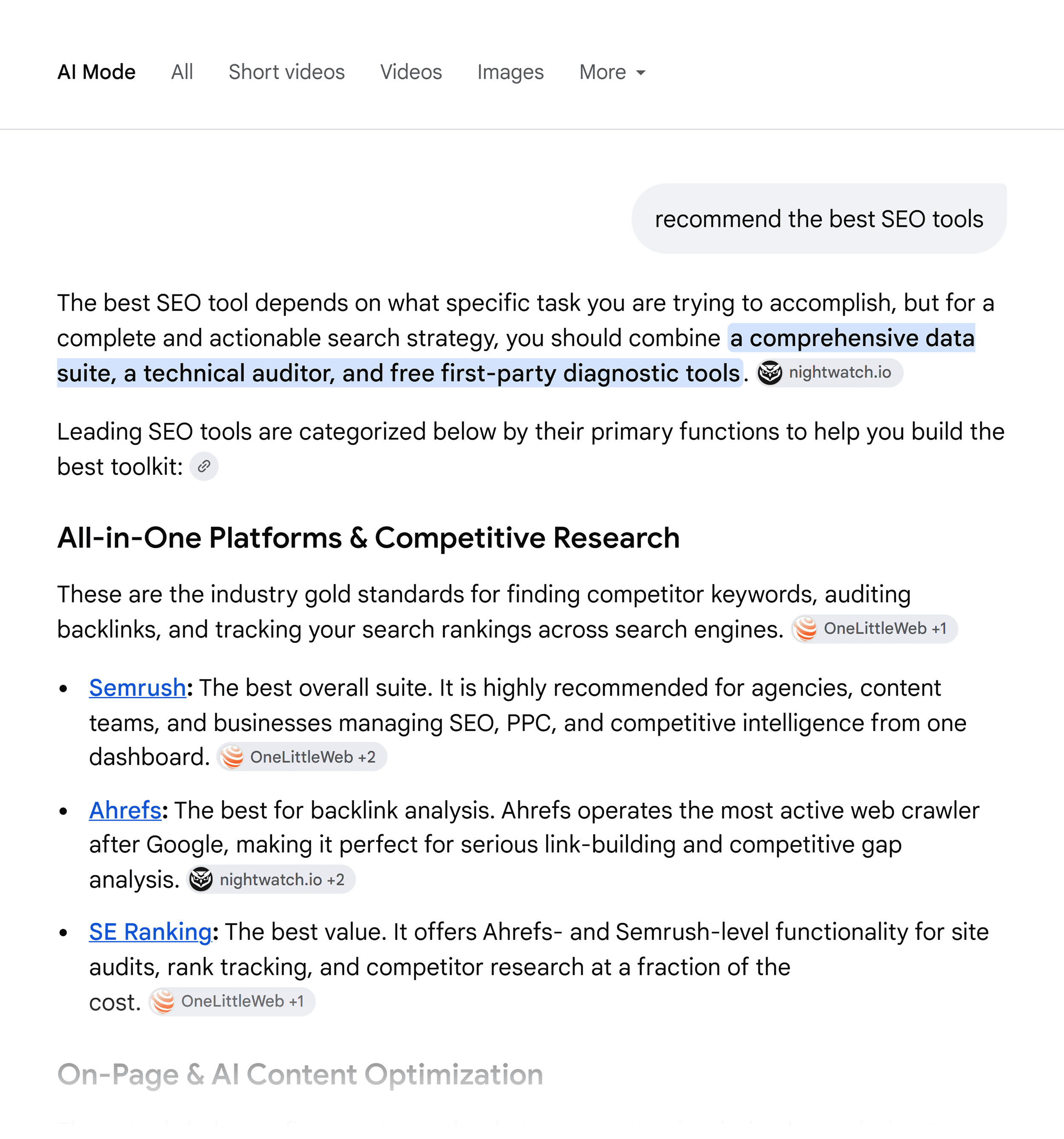
Industry practitioners emphasize that modern public relations must be hyper-targeted. Instead of spraying press releases to thousands of journalists, successful digital PR campaigns focus on:
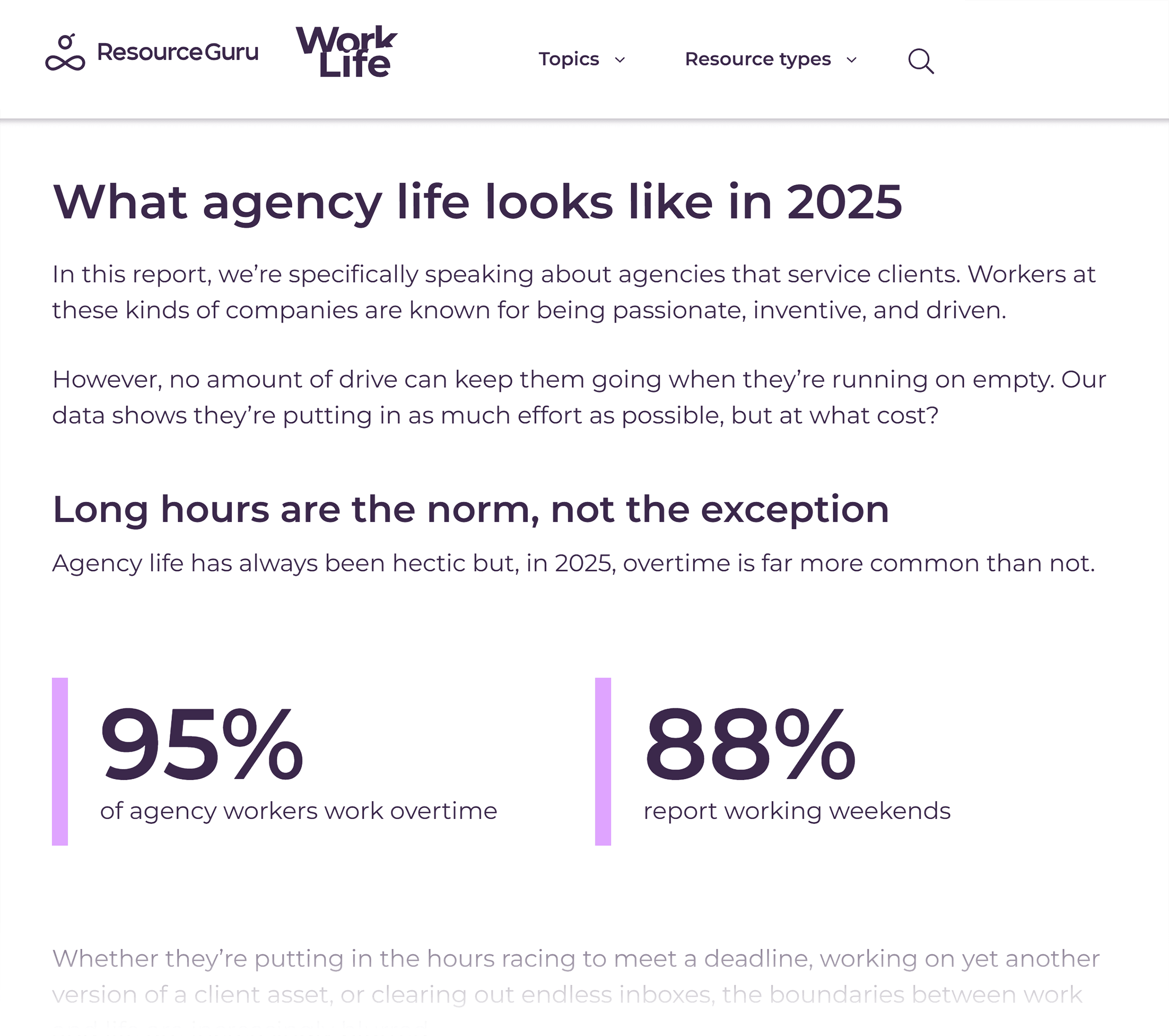
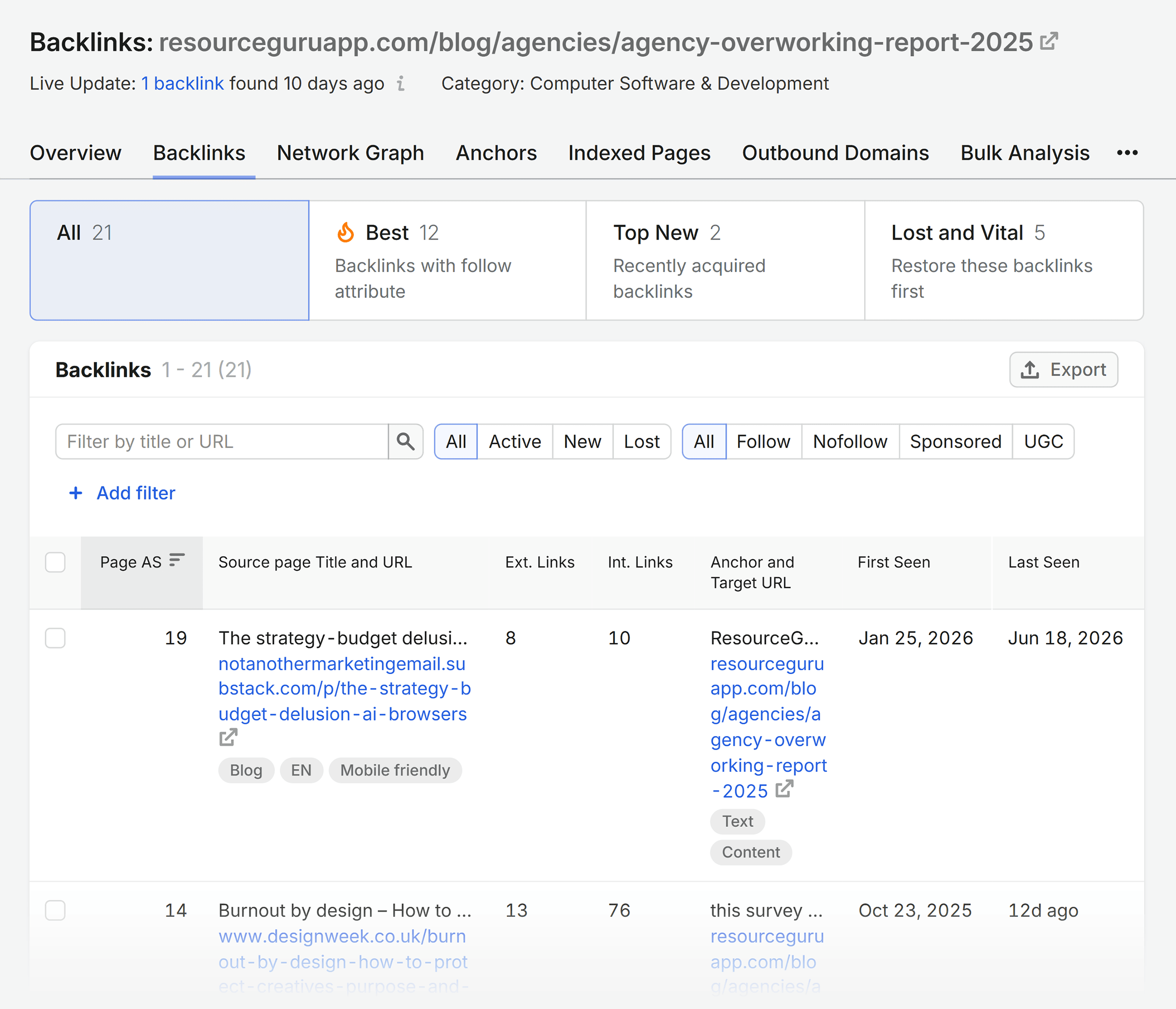
- Data-Led PR: Publishing original research, proprietary surveys, and statistical roundups that naturally attract high-DA backlinks from major publications like Forbes or Search Engine Journal.
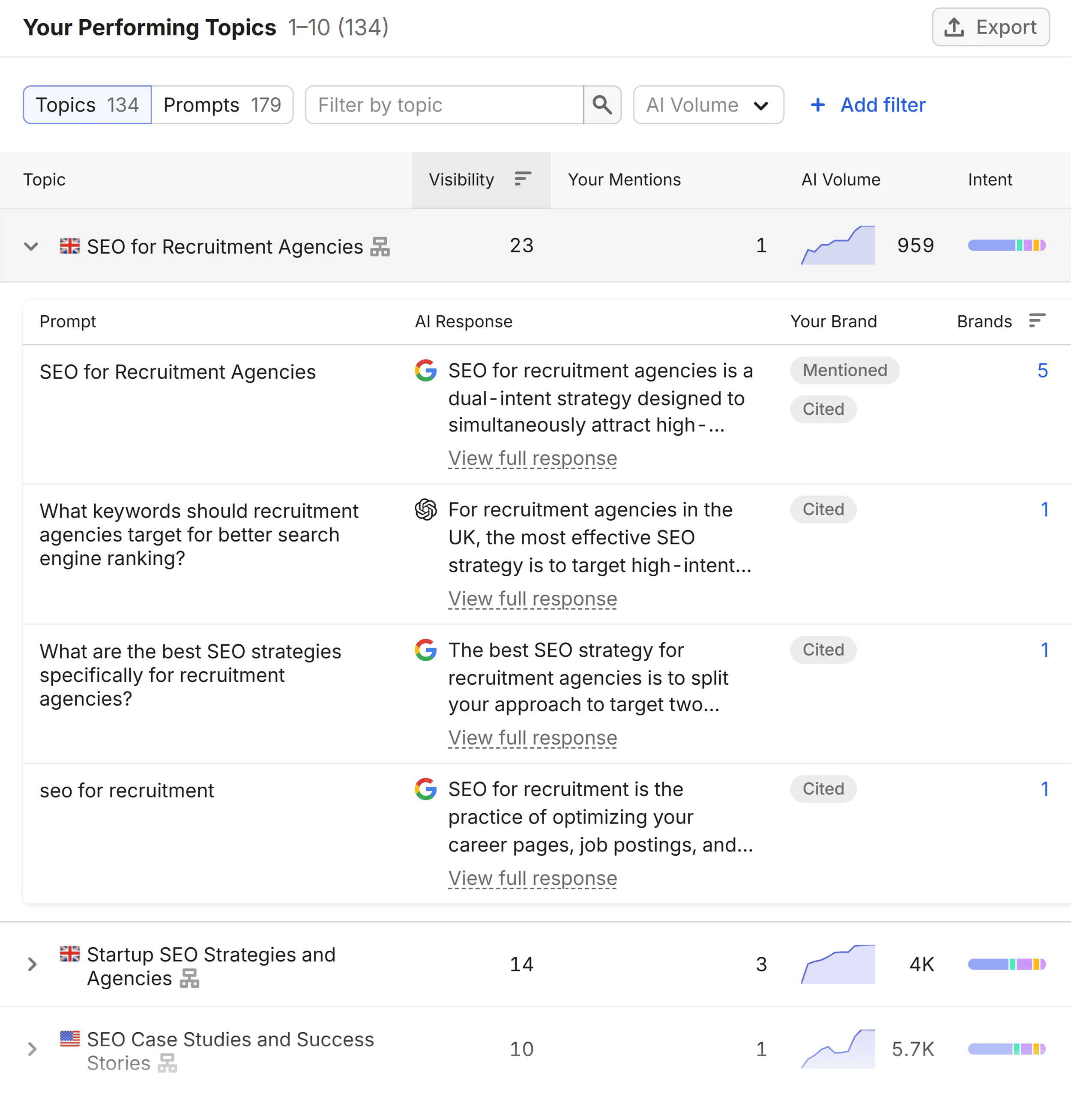
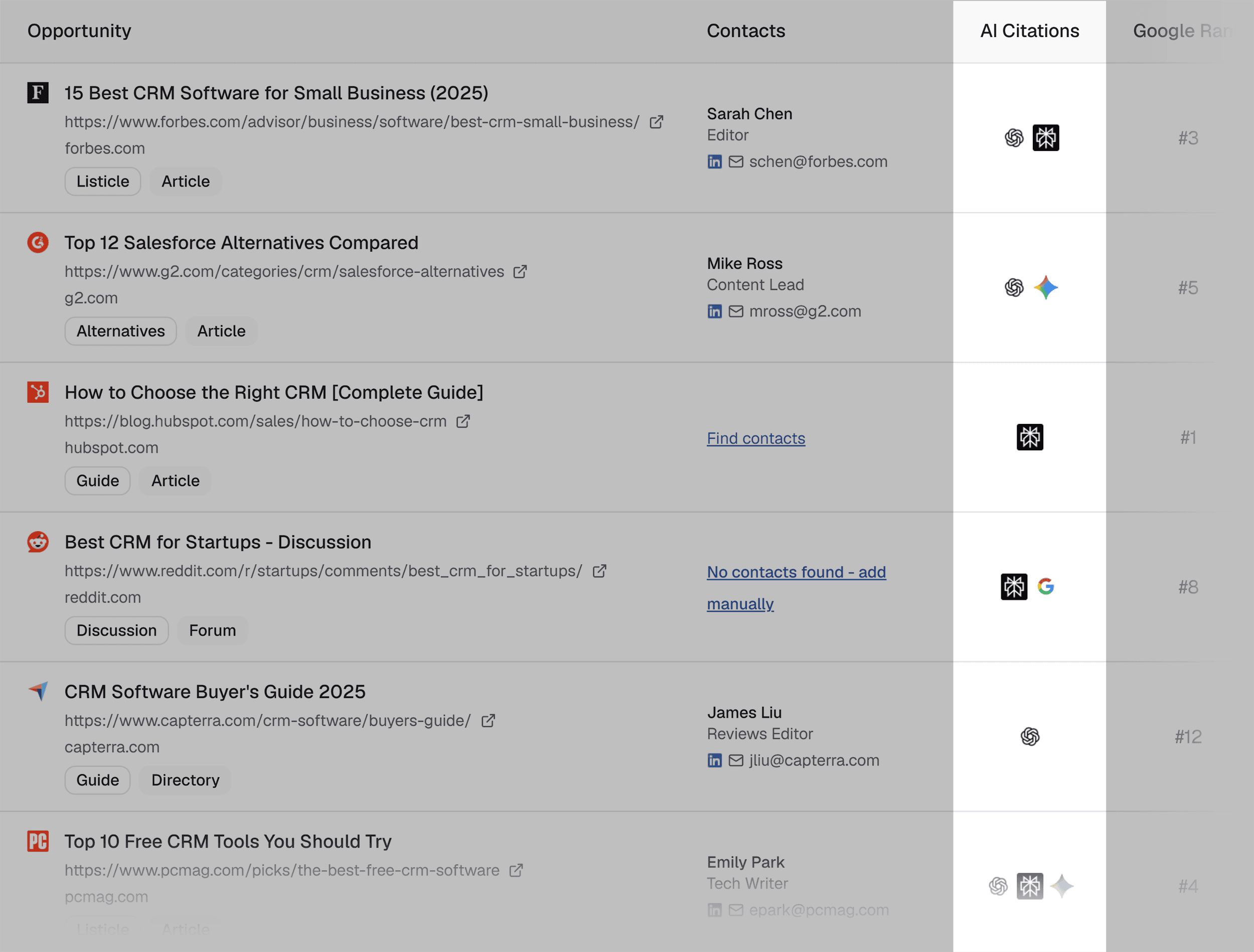
- AI Citation Outreach: Identifying the exact listicles and comparison guides that LLMs are currently pulling from, and pitching client brands for inclusion.
- Reactive PR: Moving with lightning speed to provide expert commentary on breaking news and trending industry topics before AI training data cutoffs or standard algorithms lock in established narratives.
- Ego Bait and Thought Leadership: Curating expert roundups, launching high-engagement LinkedIn discussions, and executing multi-channel guest posting strategies (such as the "Guest Post Engine" framework) to cement a brand’s status as the definitive voice in its niche.
- Community Building: Participating authentically in niche subreddits, Quora threads, and review ecosystems (G2, Trustpilot) where AI models harvest peer reviews and unbiased user sentiment.
Implications for Businesses and Marketers
The transition to AI-first search carries profound strategic implications for marketing budgets, team structures, and brand management.
1. The Death of Insular Content Marketing
Publishing endless volumes of keyword-stuffed articles on your own domain will yield diminishing returns if the rest of the web is silent about your brand. Marketers must reallocate budgets away from purely internal content creation and toward earned media, digital PR, and community relations.
2. Reputation Management is Now Search Optimization
Because AI models lean heavily on review sites, forums (like Reddit), and independent forums to formulate opinions, brand reputation management is no longer just a PR nice-to-have. It is a technical necessity. Negative reviews or an unoptimized profile on third-party platforms can completely lock a brand out of AI-generated recommendations.
3. The Necessity of Cross-Platform Omnipresence
To win in AI search, a brand must be visible across the entire digital ecosystem—social channels like LinkedIn, third-party publications, podcast transcripts, community forums, and academic or industry reports. When an AI model cross-references multiple trusted touchpoints and finds your brand consistently validated, inclusion in the final output becomes inevitable.
Conclusion: Show Up Where AI is Looking
The rules of search have fundamentally changed, but the ultimate goal remains the same: capturing the attention of your target audience when they are looking for solutions. Because AI systems aggregate data from across the web, your visibility is no longer dictated solely by your own website’s architecture.
By embracing modern digital PR strategies—ranging from data-led research and reactive newsjacking to community engagement and expert-driven thought leadership—brands can secure their place in the earned media ecosystem. Utilize visibility toolkits to uncover what prompts your audience is typing into LLMs, analyze the sources those models trust, and begin earning your place where AI is already looking.