India, with its population of 1.46 billion, stands as the final great frontier for global retail. While the sheer scale of its consumer base is undeniable, foreign brands often approach the Indian market with a "one-size-fits-all" global strategy, only to find themselves stymied by complex regulatory hurdles and a distinct lack of appetite for their specific product offerings.
Despite the country’s demographic dividend—where Millennials and Gen Z account for nearly half of the population—the nation’s ecommerce penetration remains surprisingly low when measured against the rapid digital maturation seen in China or the United States. However, the tide is turning. A new wave of homegrown Indian brands has emerged, decoding the specific sensibilities of the modern Indian consumer: value-conscious, digitally native, and quality-obsessed.
The Strategic Landscape: Why Foreign Brands Struggle
For international firms, navigating the Indian ecommerce landscape is akin to solving a Rubik’s cube in the dark. Foreign players typically encounter four primary entry paths: establishing a proprietary marketplace, forming alliances with local distributors, utilizing cross-border transaction models, or selling company-owned products directly to consumers (D2C).
The friction, however, is rarely just about the law. The primary challenge is often product-market fit. Many global brands underestimate the "value-for-money" quotient expected by Indian shoppers. To succeed, one must balance high-end aesthetics with accessible price points, a feat that requires a deep understanding of local supply chains and cultural consumption habits.

Chronology of the New Indian Retail Wave
The shift began in earnest around 2019–2020, as the pandemic accelerated digital adoption and forced a total rethink of traditional retail models.
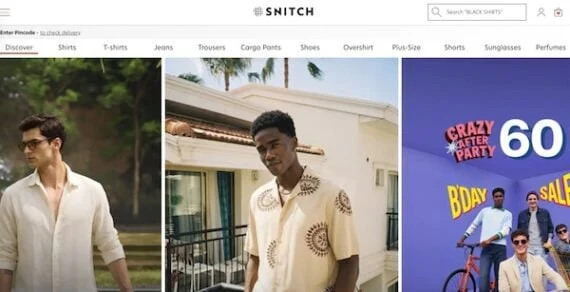
- 2019: Snitch pivots from a B2B wholesaler to a D2C fast-fashion powerhouse, signaling the beginning of the end for slow-moving, traditional retail chains.
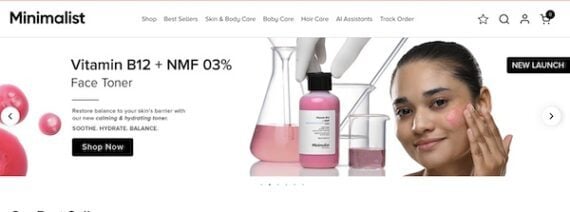
- 2020: The "Minimalist Revolution" begins. Minimalist launches, proving that Indian consumers are ready for ingredient-led, transparent skincare, disrupting legacy beauty giants.
- 2020: Mokobara enters the luggage market, identifying a "whitespace" between low-quality, utilitarian bags and prohibitively expensive global luxury labels.
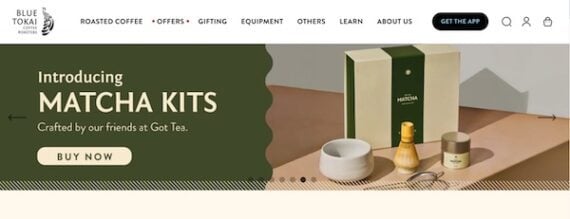
- 2022–2024: The "Coffee Wars" escalate. Blue Tokai solidifies its position as the premium-yet-accessible coffee brand, proving that a tea-dominant nation can be shifted toward high-quality, craft coffee culture.
- 2025: A watershed moment for the ecosystem: Hindustan Unilever acquires 90% of Minimalist for $350 million, validating the D2C model as a target for massive M&A activity.
Supporting Data: The Anatomy of Success
The success of these four brands—Blue Tokai, Minimalist, Snitch, and Mokobara—is not accidental. It is rooted in data-driven decision-making and operational efficiency.
| Brand | Core Strategy | Key Metric |
|---|---|---|
| Blue Tokai | Democratized Premiumization | 240+ stores; 25% cheaper than global rivals. |
| Minimalist | Transparency & In-house R&D | $350M acquisition value (2025). |
| Snitch | AI-driven Fast Fashion | 25-day design-to-shelf cycle; 10 daily styles. |
| Mokobara | Aesthetic Utility | 20x revenue growth since 2022. |
These metrics reveal a common thread: none of these companies rely on traditional "discount-heavy" models that often bleed cash. Instead, they focus on supply chain agility, high-quality manufacturing, and a direct line of communication with their customer base.
Case Studies: Decoding the Indian Consumer
Blue Tokai: Transforming the Coffee Culture
India has historically been a tea-drinking nation. Starbucks struggled for years to establish a foothold that felt culturally relevant to the price-sensitive urbanite. Blue Tokai succeeded by flipping the script. By positioning themselves as a premium experience that is 25% more affordable than global competitors, they made craft coffee accessible. Their transparent supply chain—showing consumers exactly where their beans were sourced and roasted—built the kind of trust that mass-market chains often lack.
Minimalist: The Power of Ingredient Transparency
Minimalist disrupted the beauty industry by treating the consumer like an educated scientist. By stripping away marketing "hype" and focusing on active ingredients, they won the loyalty of Gen Z and Millennials who were tired of celebrity-endorsed, chemical-heavy products. Their in-house manufacturing model allowed them to keep prices lower than premium competitors, effectively cornering the market for high-quality, honest skincare.
Snitch: AI and the Fast-Fashion Sprint
Snitch is arguably the most technologically advanced player in the current market. By applying the "Zara model" to India, they maintain a design-to-shelf cycle of under 25 days. Using AI to monitor social media sentiment, Snitch produces clothing in small batches. If a product trends, they ramp up; if it doesn’t, they cut it immediately. This virtually eliminates the "dead stock" issue that plagues almost every other clothing retailer in the country.
Mokobara: Filling the Luggage Whitespace
For decades, the Indian luggage market was a duopoly of legacy brands. Mokobara identified that modern, middle-class travelers wanted high-design, functional gear that didn’t cost a month’s salary. By bridging the gap between "cheap and ugly" and "luxury and inaccessible," they created a new category. Their integration into "quick commerce" delivery services—bringing a suitcase to a door in 30 minutes—is a testament to the hyper-efficiency expected by India’s urban elite.
Official Perspectives and Market Implications
Industry analysts view the success of these brands as a signal that the Indian market is maturing. "The era of blindly replicating Western business models is over," says an industry analyst familiar with the Indian D2C sector. "The brands that are winning now are those that view India not as a massive, monolithic entity, but as a collection of sophisticated, niche markets that demand high-quality, locally relevant products."
The implication for foreign companies is clear: the "India entry" playbook must be rewritten. Relying on sheer brand recognition is no longer a viable strategy in a landscape dominated by agile, homegrown competitors who understand the nuances of the Gen Z consumer.
The Future of the D2C Model
The acquisition of Minimalist by a consumer goods giant like Hindustan Unilever is the strongest indicator yet of where the market is headed. It suggests that the "big players" have realized they cannot innovate fast enough to compete with these leaner, more responsive D2C startups. Moving forward, we should expect to see more of these acquisitions, as legacy corporations attempt to buy their way into the trust that these young brands have spent years cultivating.
For foreign brands still eyeing India, the advice is simple: Partner locally, manufacture locally, and speak the language of the modern Indian consumer. Otherwise, they risk becoming a footnote in the story of India’s economic ascent, watching from the sidelines as domestic brands capture the most significant growth opportunity of the 21st century.
Conclusion
The rise of brands like Blue Tokai, Minimalist, Snitch, and Mokobara serves as a masterclass in market penetration. By focusing on transparency, technological integration, and a deep, empathetic understanding of their core demographic, they have proven that the Indian market is not just "large"—it is sophisticated, discerning, and ready to pay for quality. The challenge for the future is not for India to conform to the world, but for the world to learn how to engage with a new, empowered India.