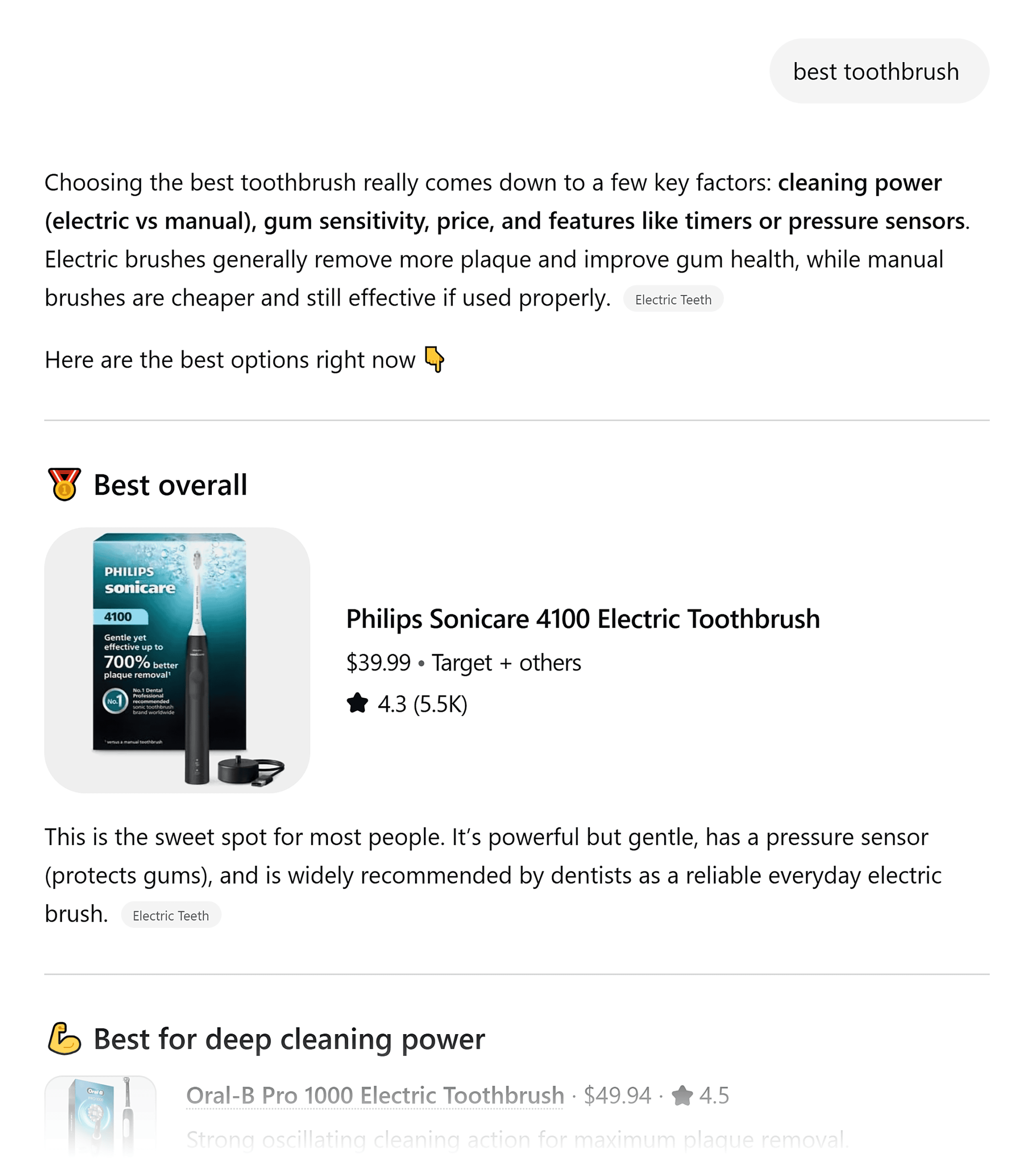
In the traditional SEO landscape, success was defined by a simple hierarchy: rank in the top three positions of Google, and you win the click. However, the rise of Generative AI search—powered by tools like ChatGPT, Perplexity, and Google’s AI Overviews—has effectively dismantled this paradigm. Today, a website can hold a first-page ranking for a high-volume keyword and still be entirely ignored by AI systems.

The culprit is a technical process known as "query fan-out." To remain competitive in an era where users increasingly rely on AI to synthesize answers rather than hunting through blue links, brands must pivot from chasing static keyword rankings to mastering the mechanics of AI discovery.
What Is Query Fan-Out?
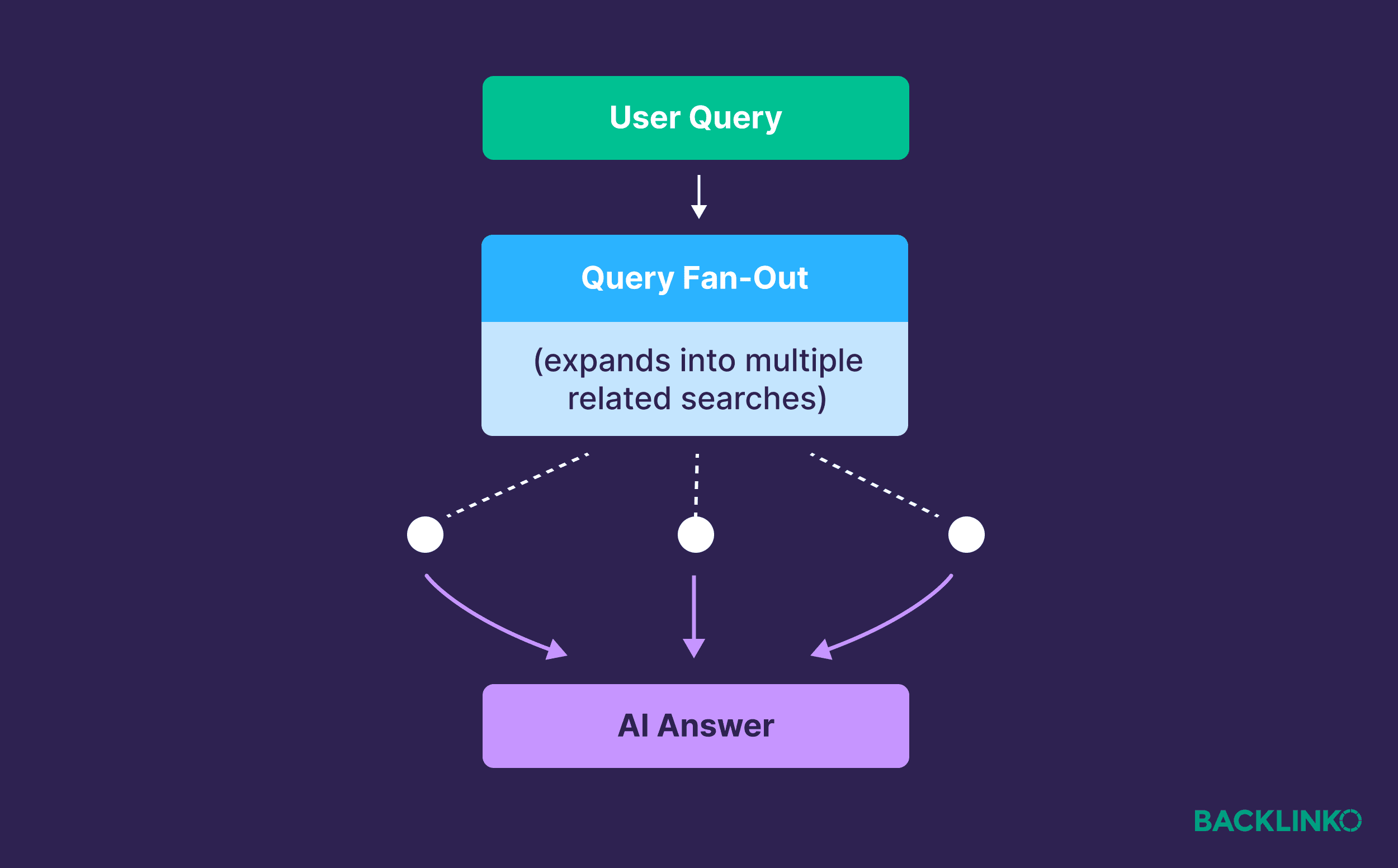
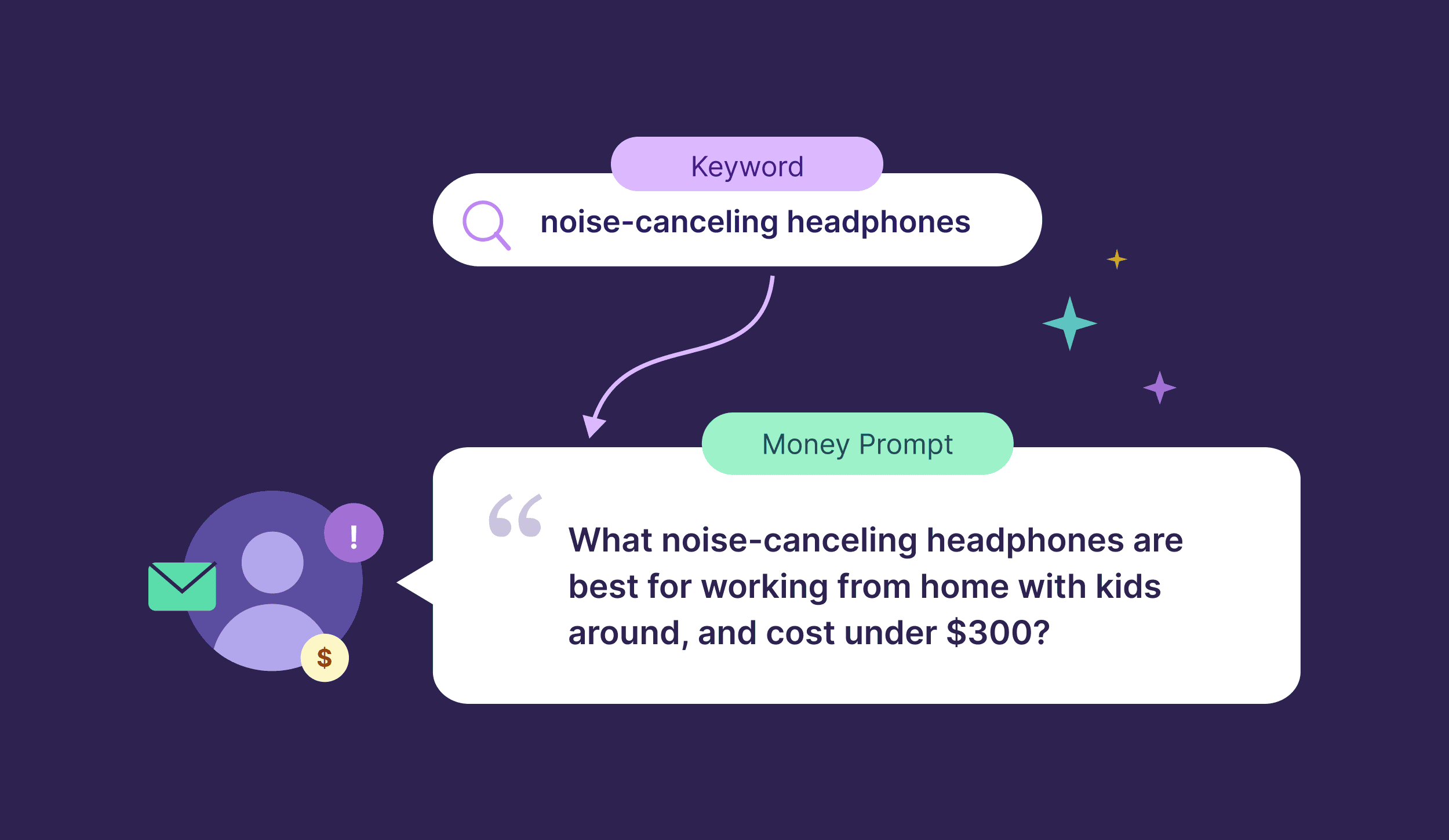
Query fan-out is the background architecture that allows AI search engines to transform a simple, often vague user prompt into a multi-layered, comprehensive response. When a user inputs a query like "best noise-canceling headphones," the AI does not simply look for the page with the highest domain authority or the best keyword density.
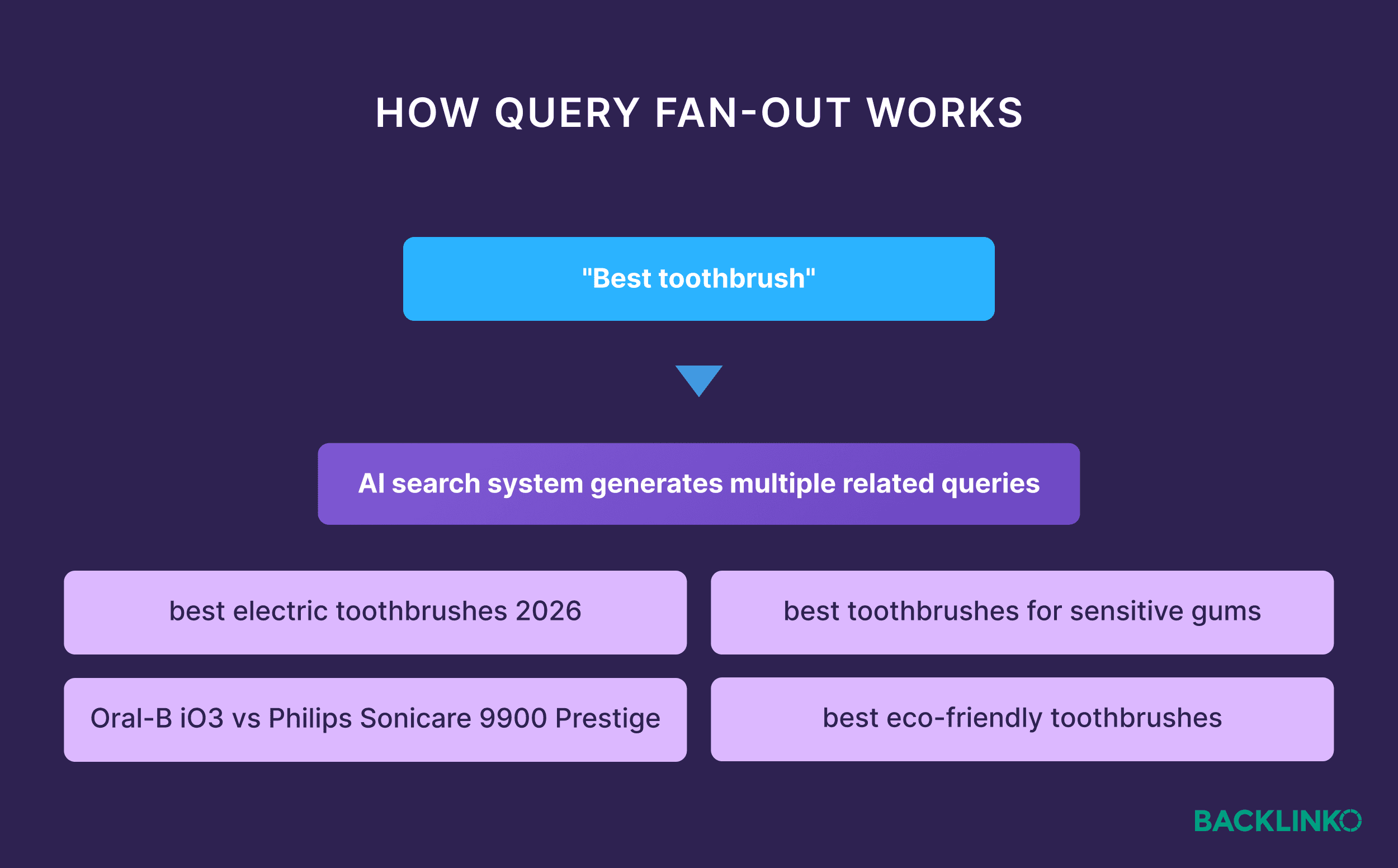
Instead, it "fans out" that singular request into a web of related sub-queries. The system essentially acts as a research assistant, asking itself: What is the user really looking for? Do they need budget options? Are they concerned about battery life? Do they want a head-to-head comparison between industry leaders?
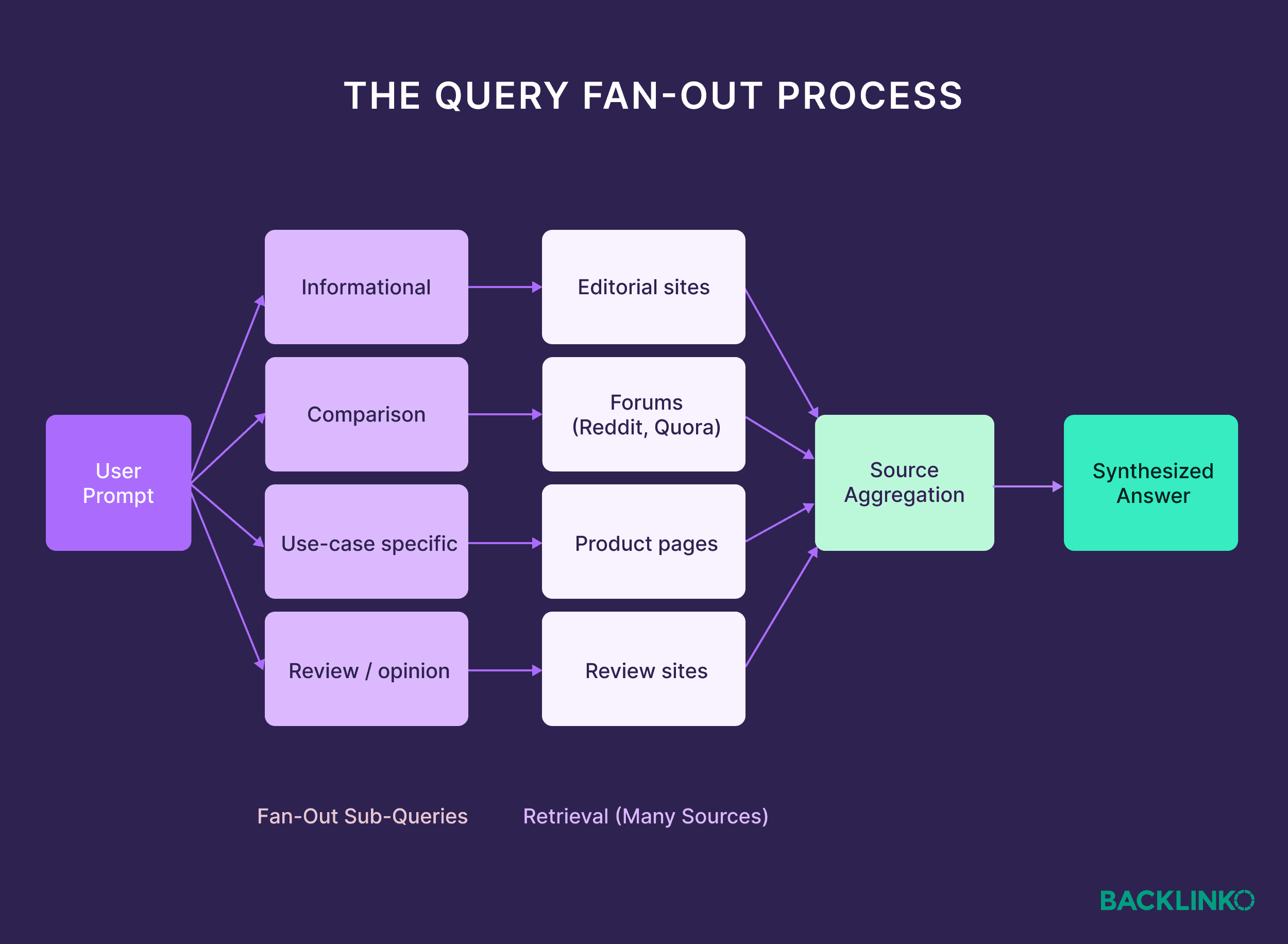
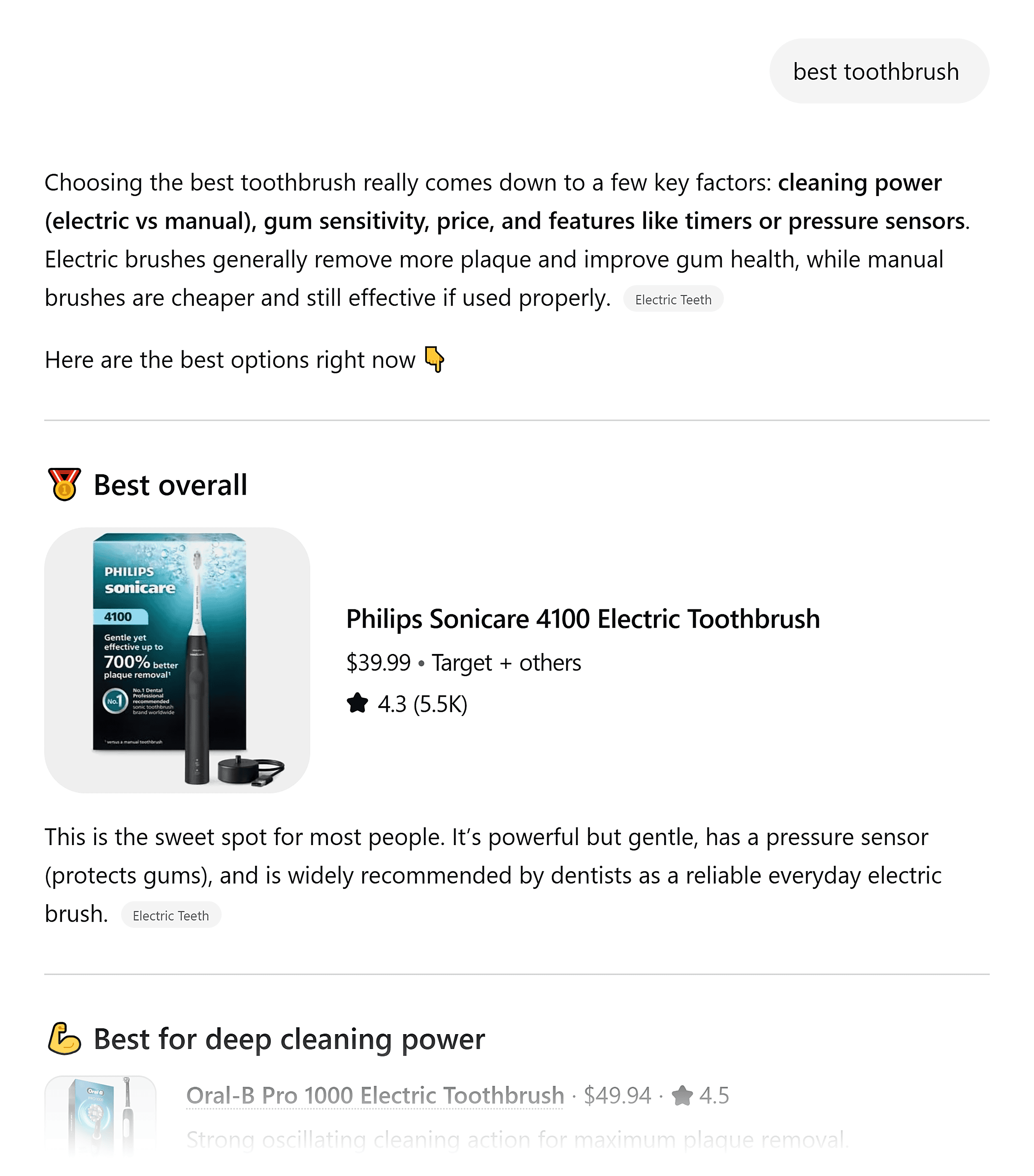
By breaking a primary prompt into several sub-queries—such as "best noise-canceling headphones for sensitive ears" or "Sony vs. Bose durability"—the AI pulls information from a diverse array of sources. It synthesizes these findings into a single, cohesive answer that addresses the user’s intent more thoroughly than any single traditional web page could.
The Chronology of the AI Search Shift
The shift toward this model has been rapid and transformative:
- Pre-2023 (The Era of the 10 Blue Links): SEO strategies focused on satisfying Google’s algorithm through backlink profiles and keyword placement.
- 2023–2024 (The Generative Explosion): The launch of ChatGPT-powered search and Google’s Search Generative Experience (SGE) signaled that users were moving away from list-based results toward synthesized answers.
- 2025–Present (The Maturity of Fan-Out): AI systems now utilize advanced reasoning and real-time "query expansion" to anticipate user needs before they are even typed. The focus has shifted from "ranking for keywords" to "being the most retrievable source for specific sub-topics."
Supporting Data: Why Rankings Don’t Equal Mentions
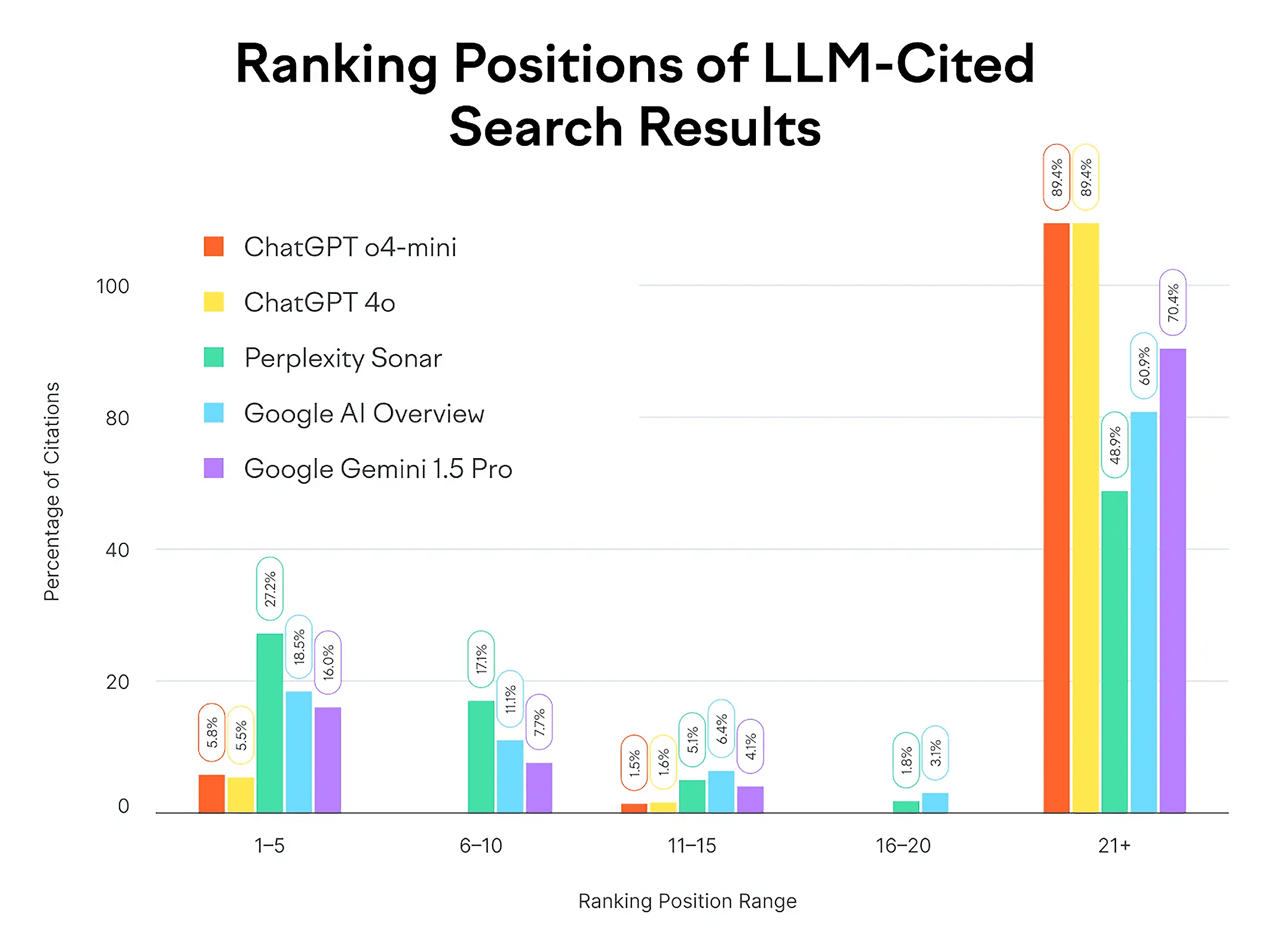
Recent research highlights the disconnect between traditional SEO success and AI visibility. A study by Semrush revealed that AI systems are surprisingly agnostic toward traditional search rankings. In fact, ChatGPT cites pages that appear in the 21st position or lower nearly 90% of the time.
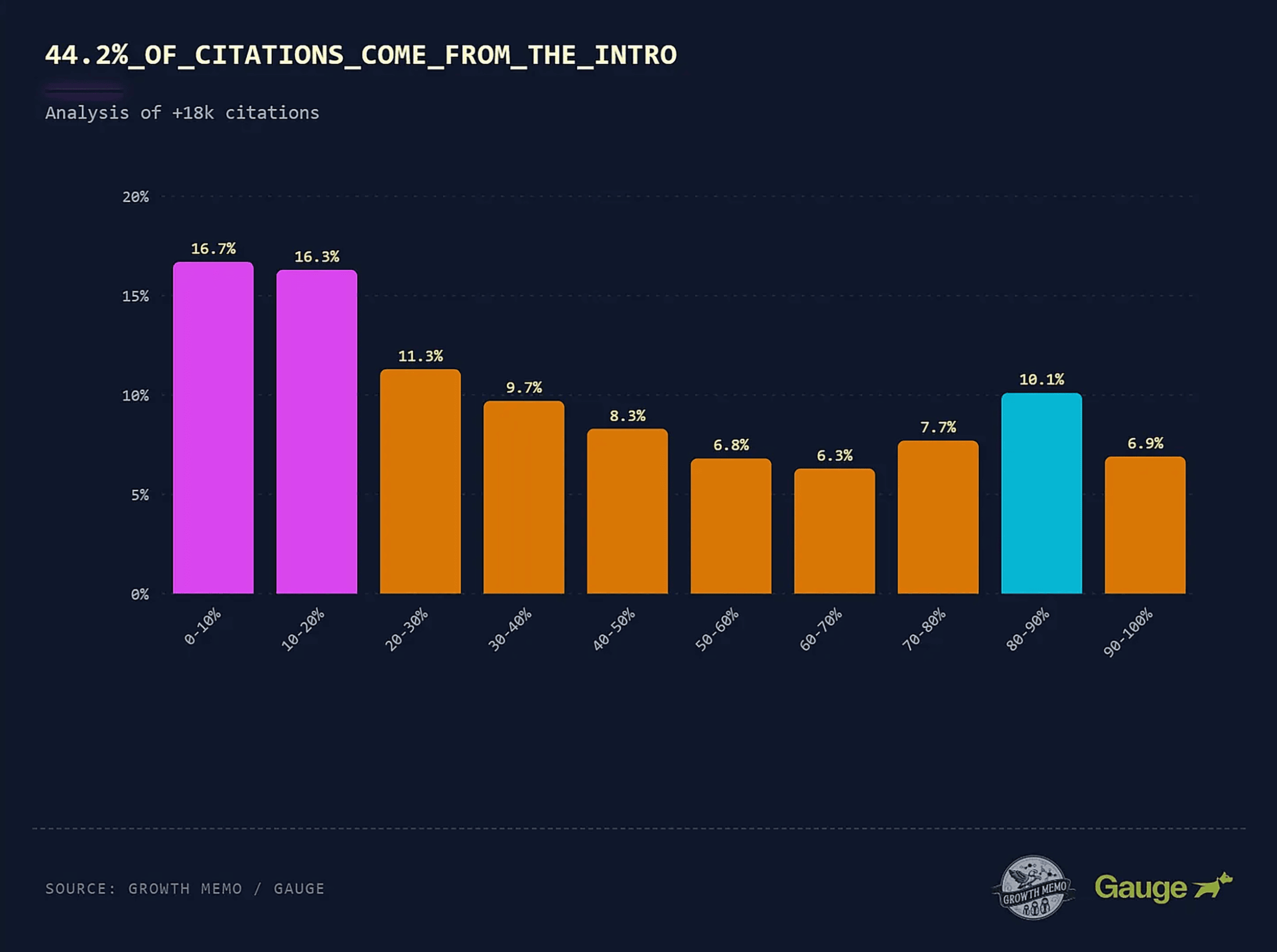
The reason is simple: AI systems prioritize the quality and relevance of the passage over the authority of the domain. Furthermore, an analysis of 1.2 million ChatGPT responses by growth advisor Kevin Indig found that 44.2% of citations are pulled from the first 30% of a page. This suggests that AI systems act as "information extractors," scanning for the most direct, concise answer to a sub-query rather than evaluating the page as a whole.
Implications for Modern Content Strategy
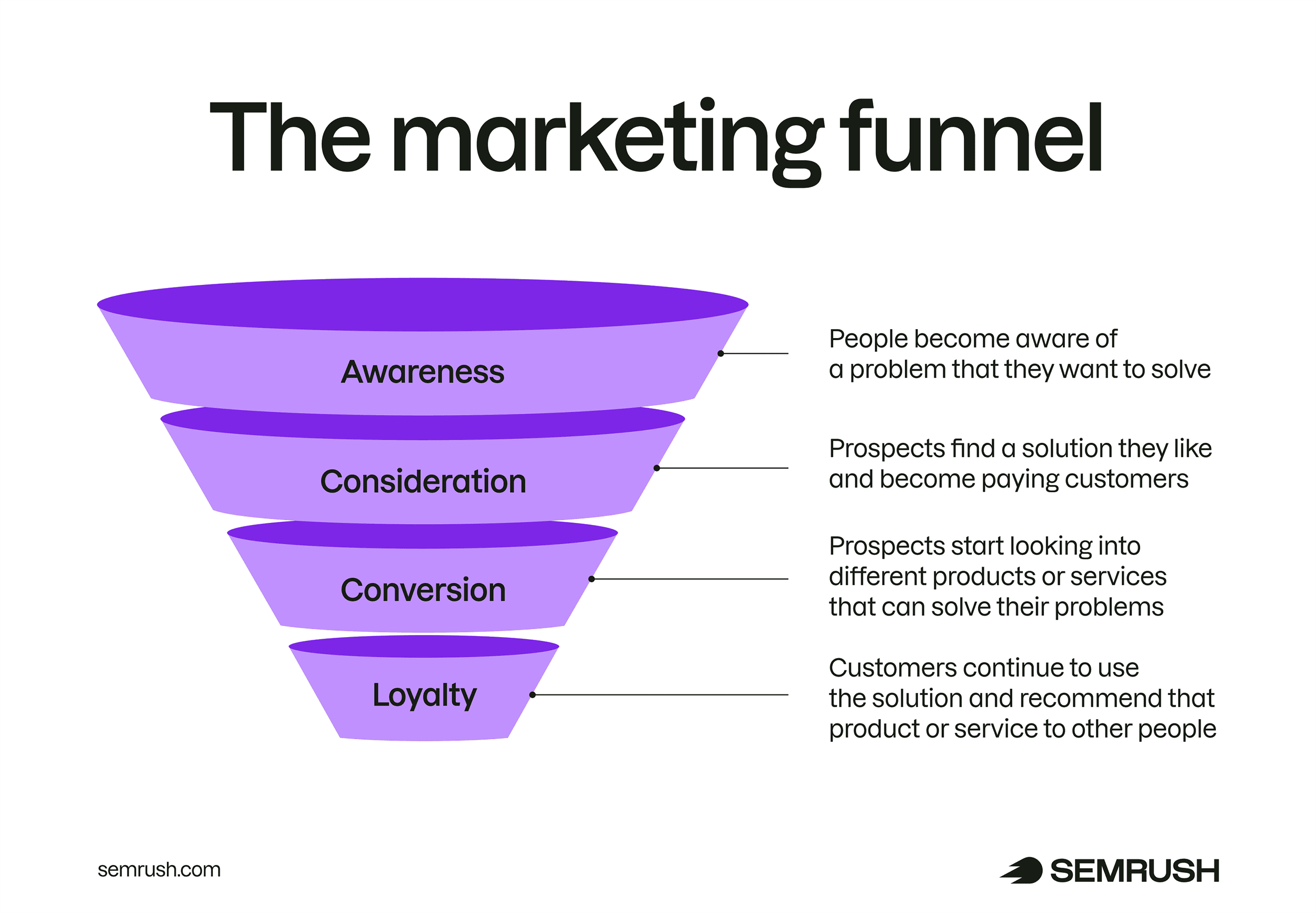
The shift to query fan-out requires a fundamental rethink of how we build content. The traditional "marketing funnel"—awareness, consideration, and decision—has collapsed. Because a single AI-generated response can now cover the entire journey, brands can no longer rely on separate, siloed pages for each stage of the funnel.
1. From Keywords to Comprehensive Coverage
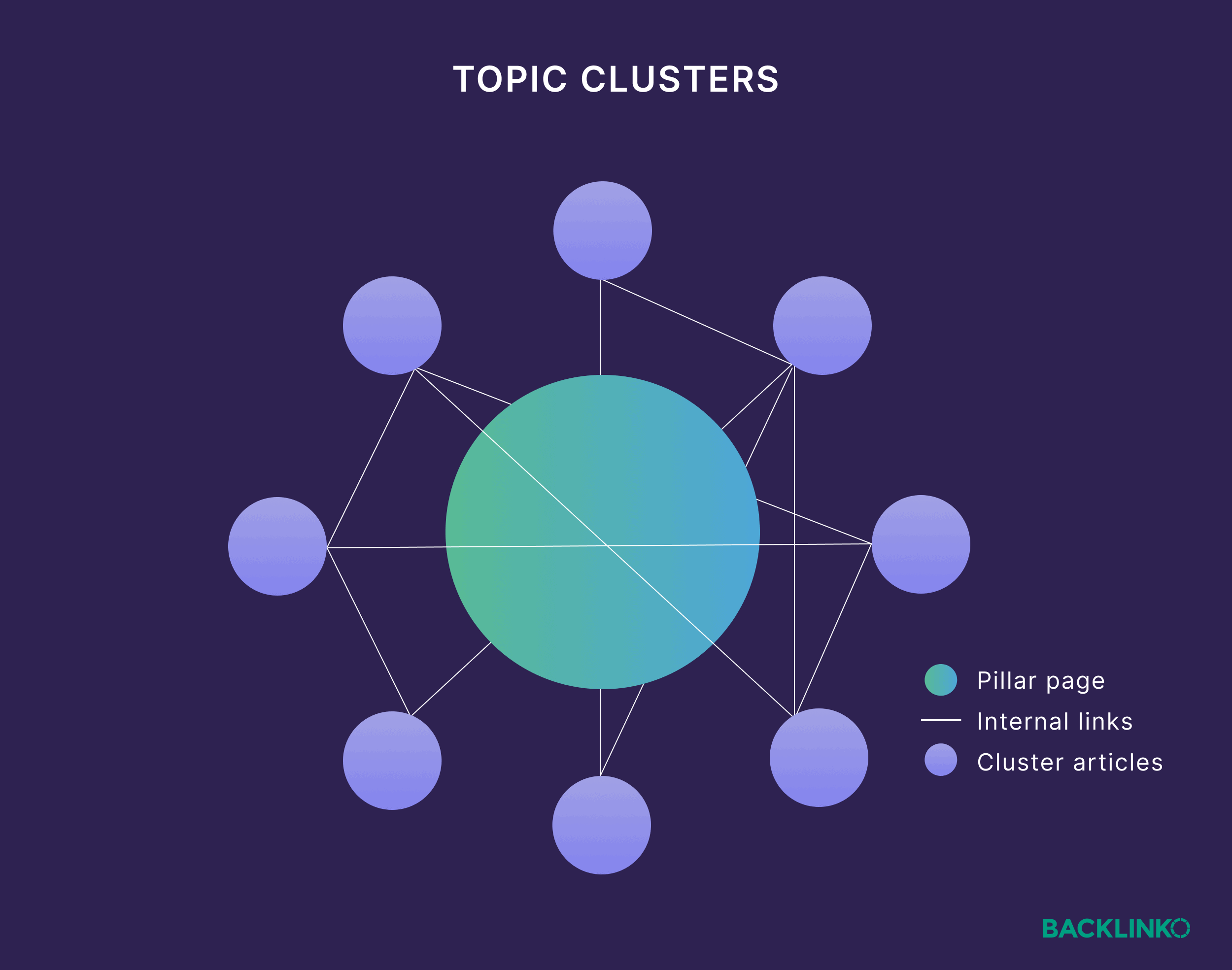
SEO is no longer about winning an individual keyword; it is about establishing "topical authority." Brands that build robust topic clusters—a pillar page supported by deep-dive content on specific use cases—are far more likely to be "fanned out" to by AI, as they provide the depth required for the AI to build a complete answer.
2. The "Answer-First" Writing Style
Because AI systems prioritize passages over pages, content must be structured to be "retrievable." This means front-loading the answer. If you are writing about a product, clearly define its core benefits in the first few paragraphs. Avoid burying answers under narrative fluff or long introductions. Use structured data (schema markup), clear subheadings, and concise bullet points to help AI algorithms "parse" your content as a reliable data source.

3. The Death of the Linear Funnel
In the age of AI, the user experience is compressed. A user might start with a broad question and end with a purchase decision in one sitting. Your content must reflect this by being "multi-functional." An ideal page should address the "what" (definition), the "which" (comparison), and the "why" (value proposition) all within the same ecosystem.

The 6-Step Workflow to Earning AI Citations
To thrive in this new environment, marketers should adopt a structured "Fan-Out Workflow":
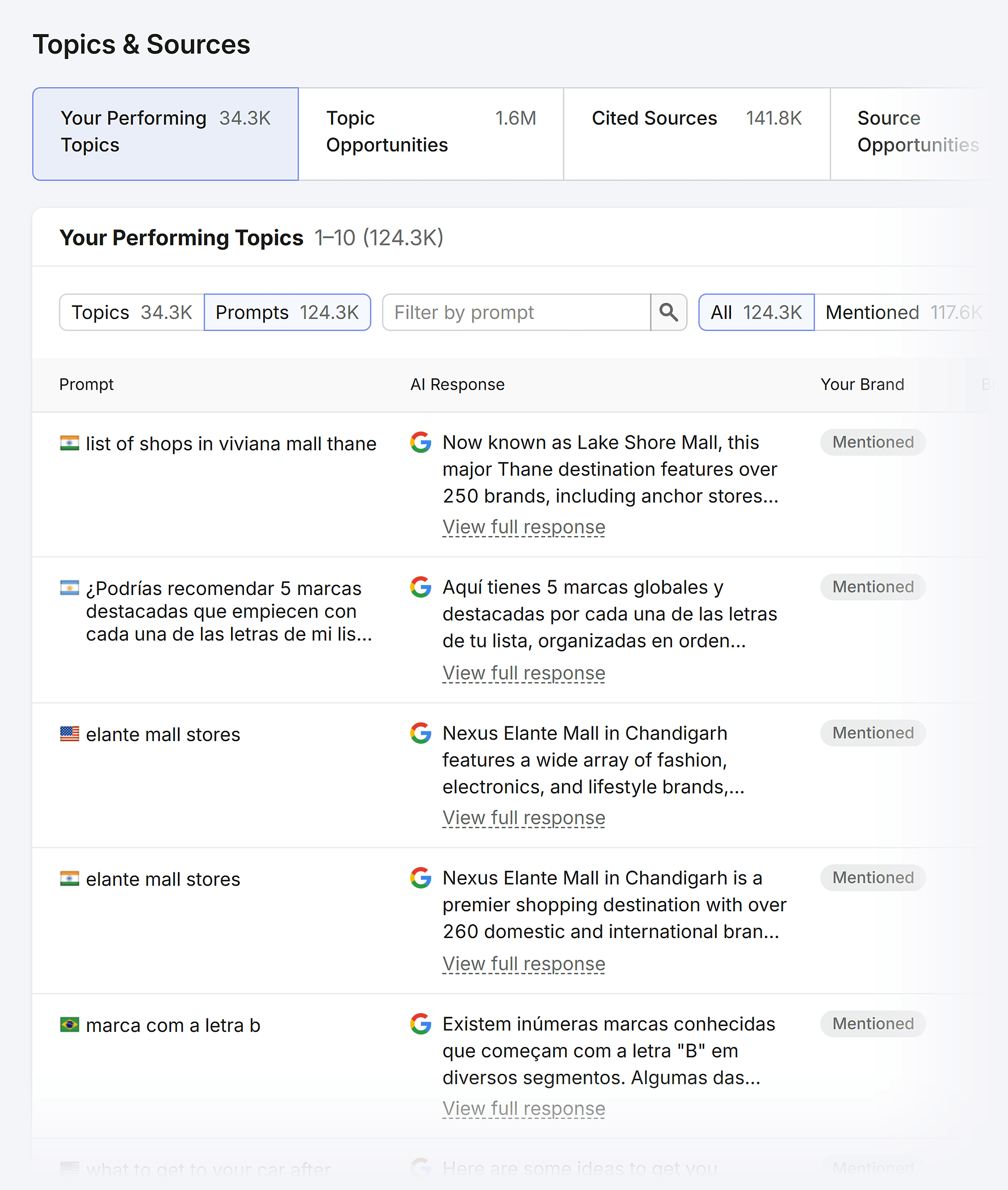
- Identify "Money Prompts": Don’t just look for high-volume keywords. Use tools like the Semrush AI Visibility Toolkit to identify the actual conversational prompts your audience is typing into AI tools.
- Generate Your Fan-Out Set: Use LLMs to simulate how they "fan out" your money prompts. By analyzing the sub-queries an AI generates, you can identify the exact content gaps you need to fill.
- Bucket by Intent: Categorize your sub-queries into buckets like "comparisons," "troubleshooting," or "value analysis." This tells you exactly what format—a table, a guide, or a FAQ—the AI is expecting.
- Audit Your Existing Content: Use "site:" commands in search engines to see if your site addresses these sub-queries. If not, you have a clear content gap.
- Structure for Extraction: Use clear, descriptive headings and structured data to ensure that when an AI system scans your page, it can easily identify your content as the correct answer.
- Measure and Refine: Use prompt trackers to monitor whether your brand is being cited. AI search is dynamic; your content strategy must be equally iterative.
Conclusion: Visibility is No Longer Passive
The era of passive SEO—where you simply create content and wait for rankings—is over. Query fan-out has turned search into an active, synthetic process. To remain visible, brands must stop acting like a website and start acting like an information resource.
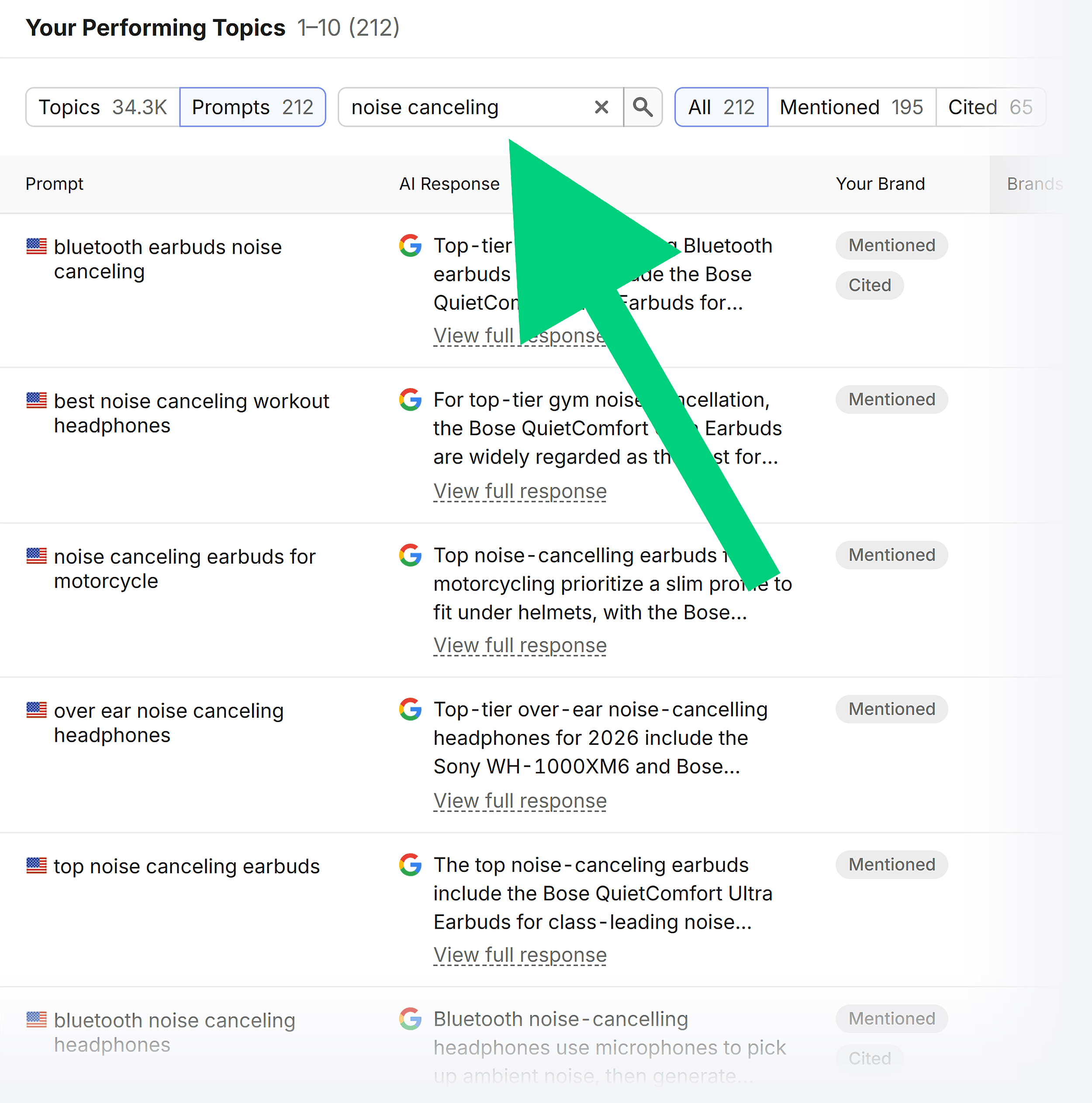
By anticipating the sub-queries your audience will ask, structuring your content for machine readability, and providing comprehensive, answer-first data, you ensure that when the AI goes looking for the best answer, your brand is the one it chooses to cite.