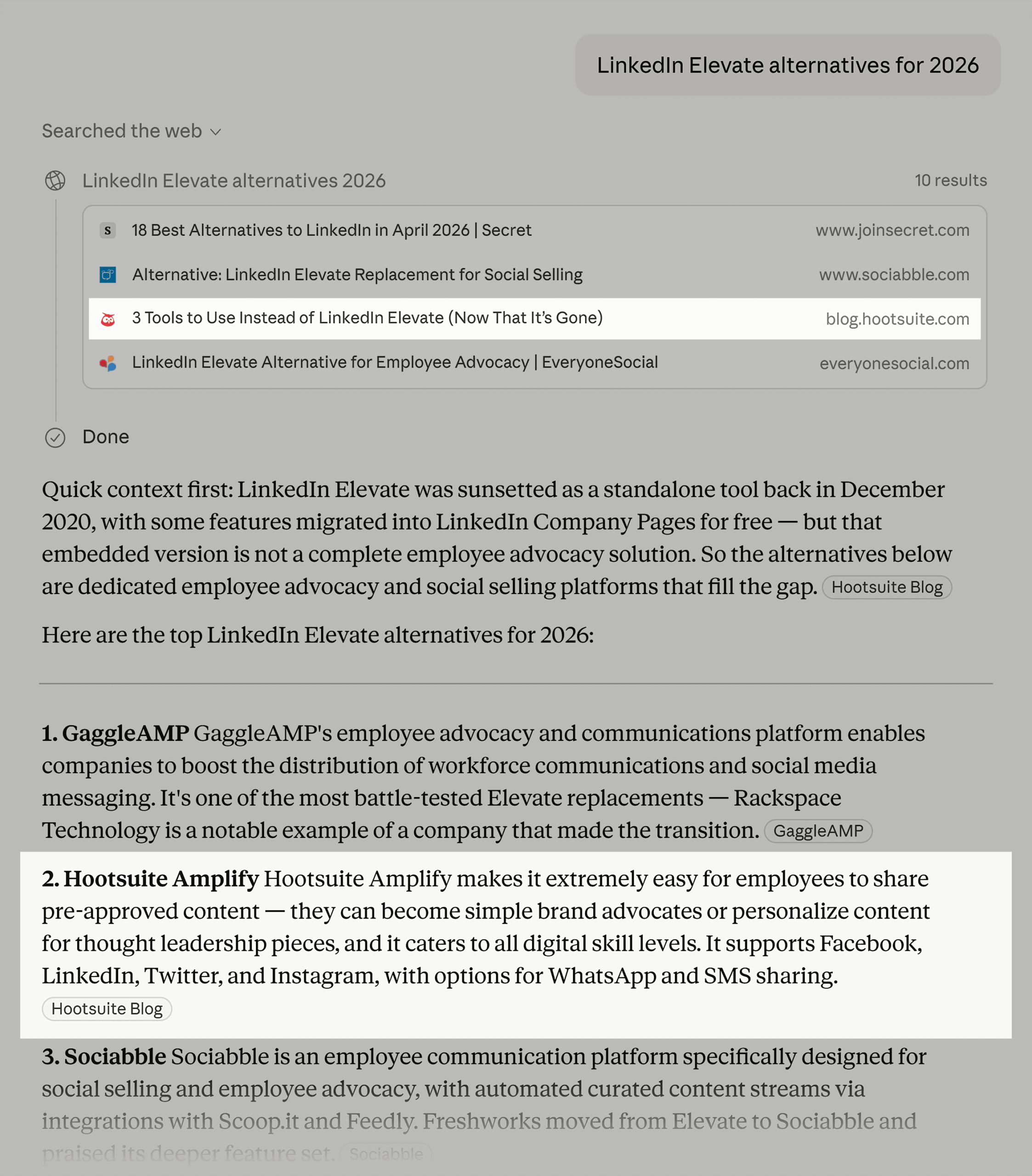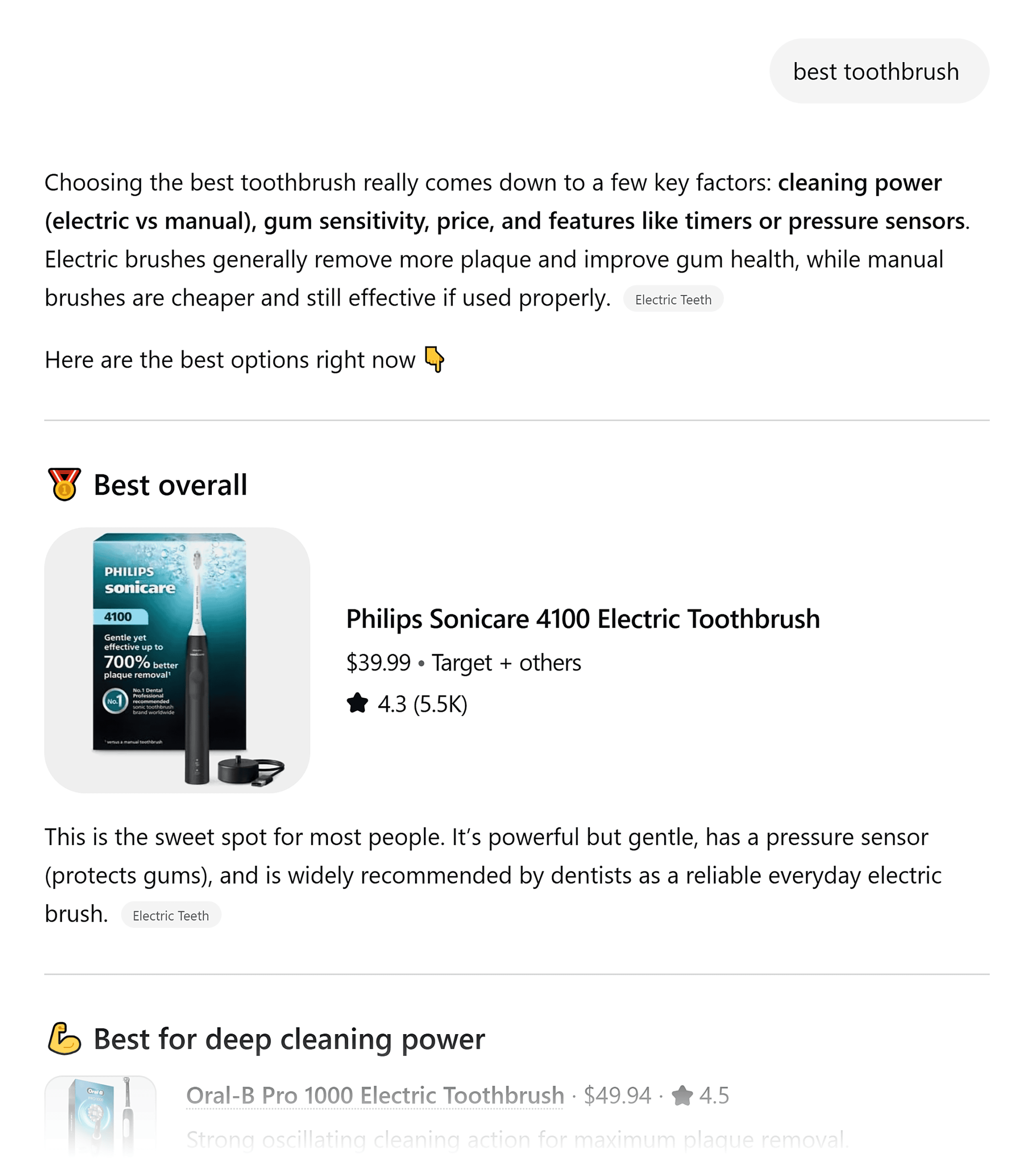
In the modern digital landscape, the traditional battle for the "blue link" supremacy of the first page of Google is no longer the only game in town. Today, a brand can rank #1 for a high-volume keyword and still find itself entirely absent from the responses generated by ChatGPT, Perplexity, or Google’s AI Overviews.

The reason for this disconnect is a technical phenomenon known as "query fan-out." Understanding this process is the new frontier of search engine optimization (SEO), shifting the focus from individual keyword rankings to comprehensive topical coverage and structural retrievability.
What Is Query Fan-Out?
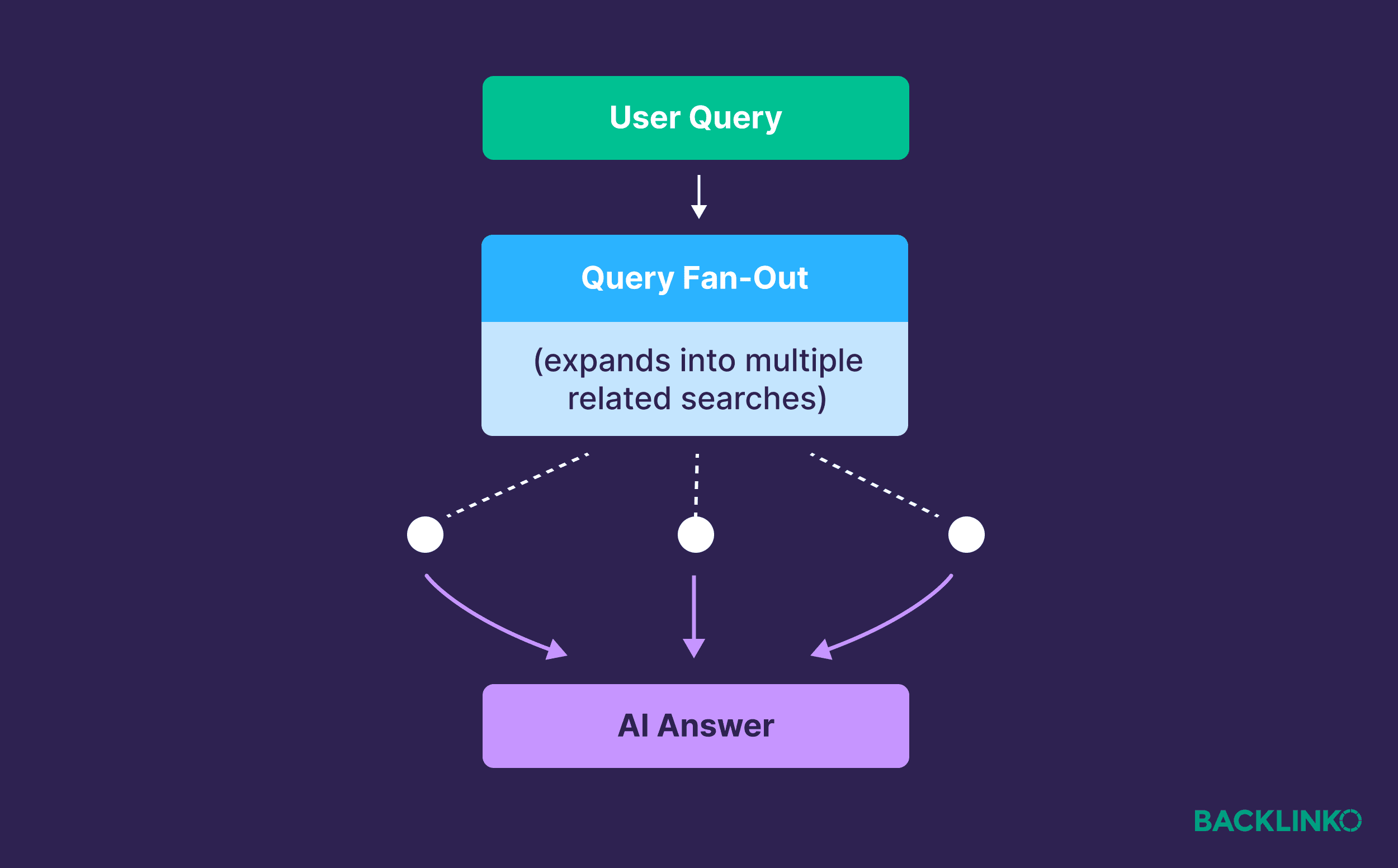
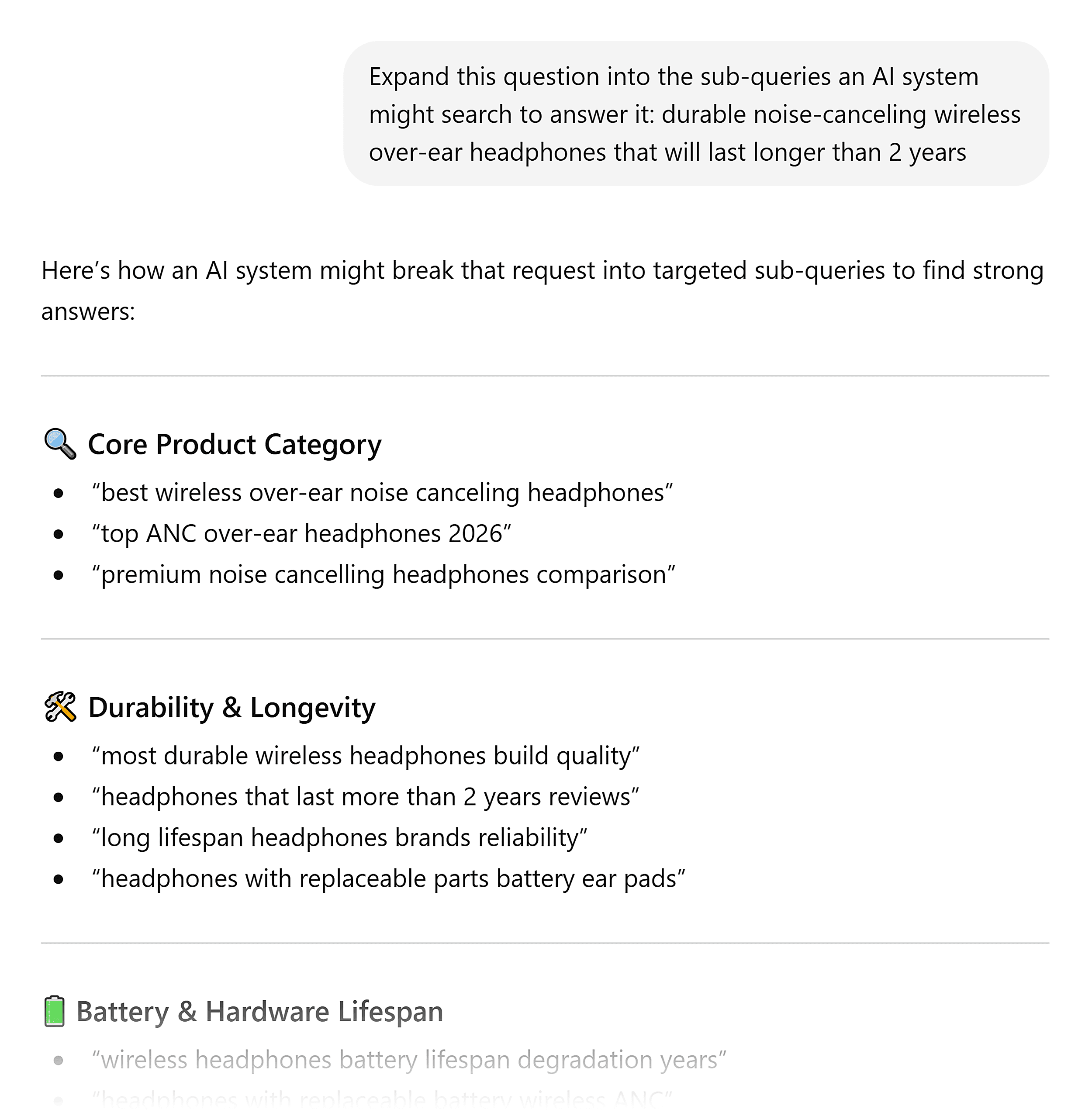
Query fan-out is the background process AI systems employ to transform a single, often vague, user prompt into a multifaceted set of sub-queries. When a user asks a question like "best running shoes," an AI does not simply look for the top-ranking web page for that keyword. Instead, it "fans out" the query, breaking it down into a series of logical sub-questions to construct a nuanced, authoritative, and comprehensive answer.
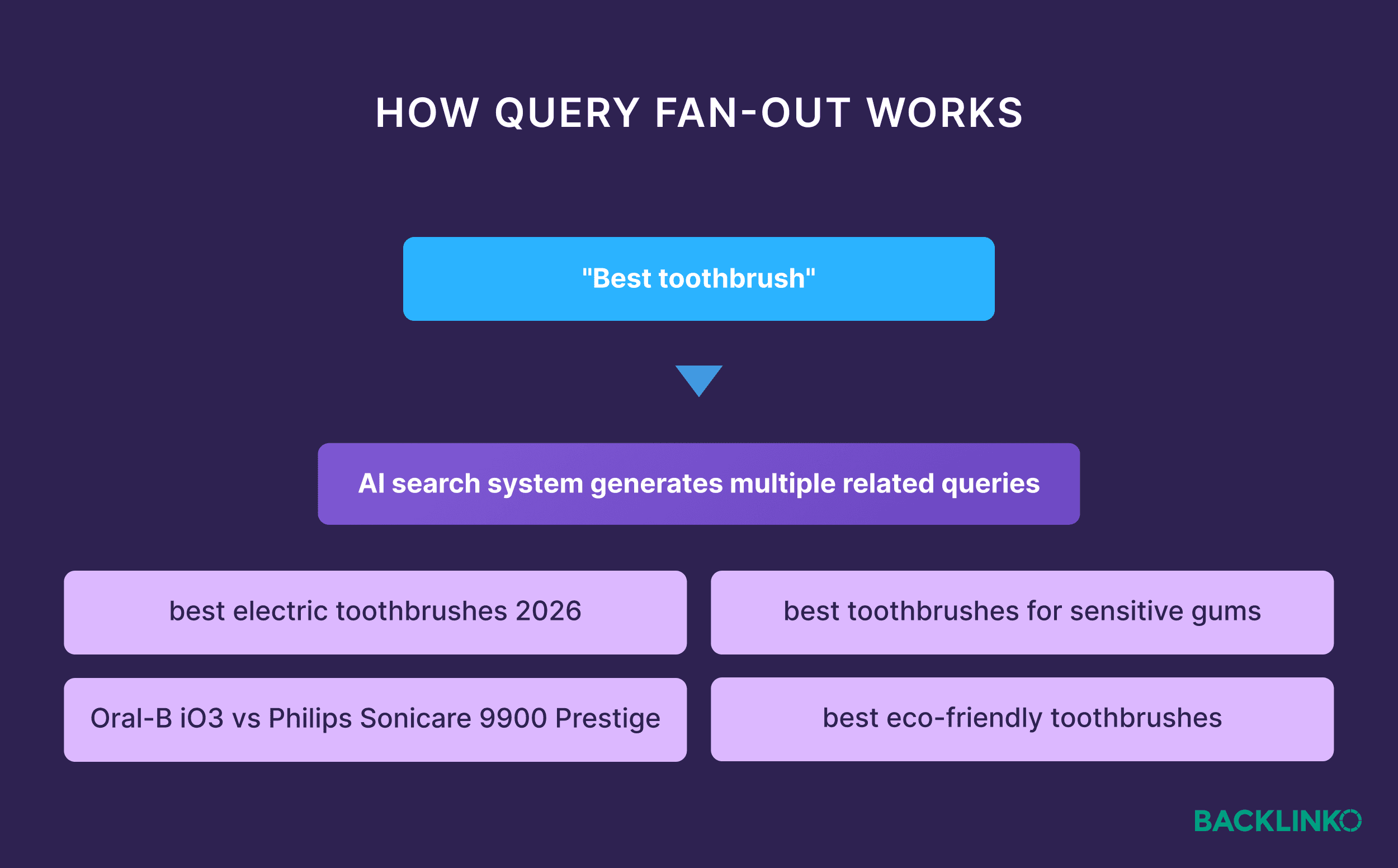
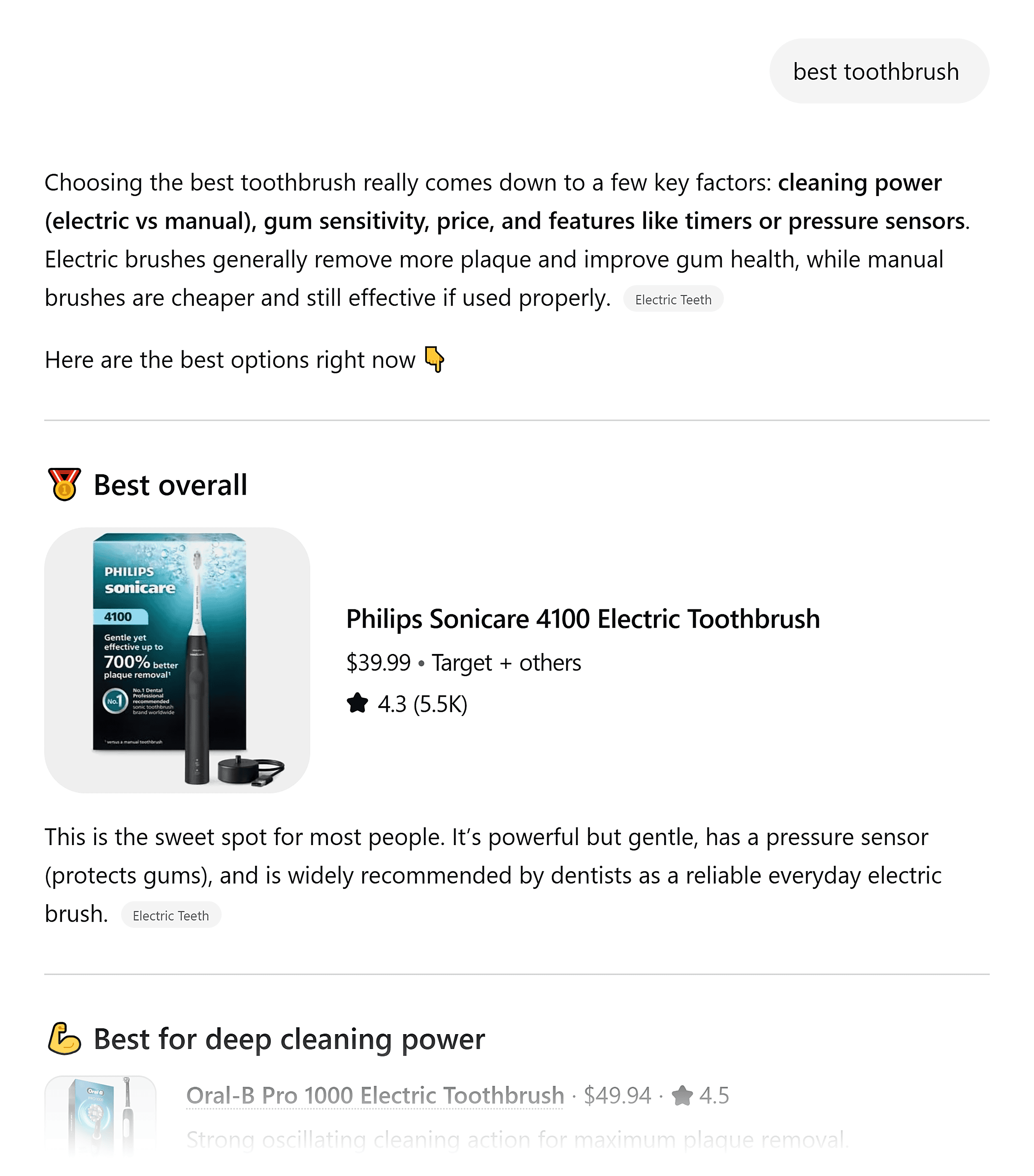
This process allows the AI to synthesize information from diverse sources—editorial reviews, community discussions on Reddit, and specific product specification pages—to provide a holistic response that anticipates the user’s hidden needs. For instance, a search for "best toothbrush" might trigger sub-queries such as "best electric toothbrush for sensitive gums," "Oral-B vs. Philips Sonicare comparison," and "eco-friendly toothbrush options."
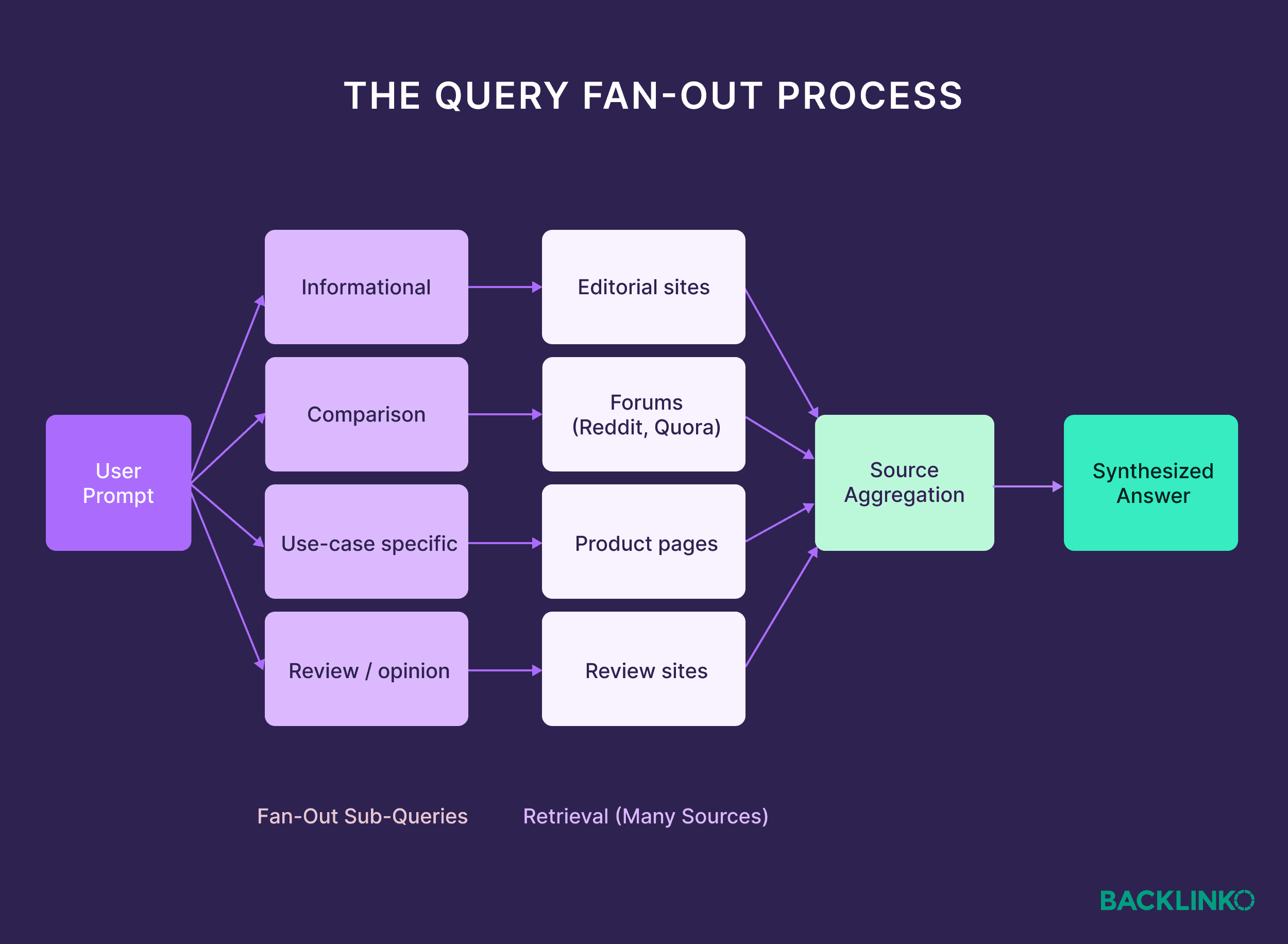
The AI then aggregates these findings to offer a single, value-packed answer, bypassing the traditional linear search experience.
The Mechanics: Why Query Fan-Out Matters
The implications for content strategy are profound. In an era dominated by Large Language Models (LLMs), the old-school approach of targeting single keywords is becoming obsolete.
1. The Death of the "Top Ranking" Myth
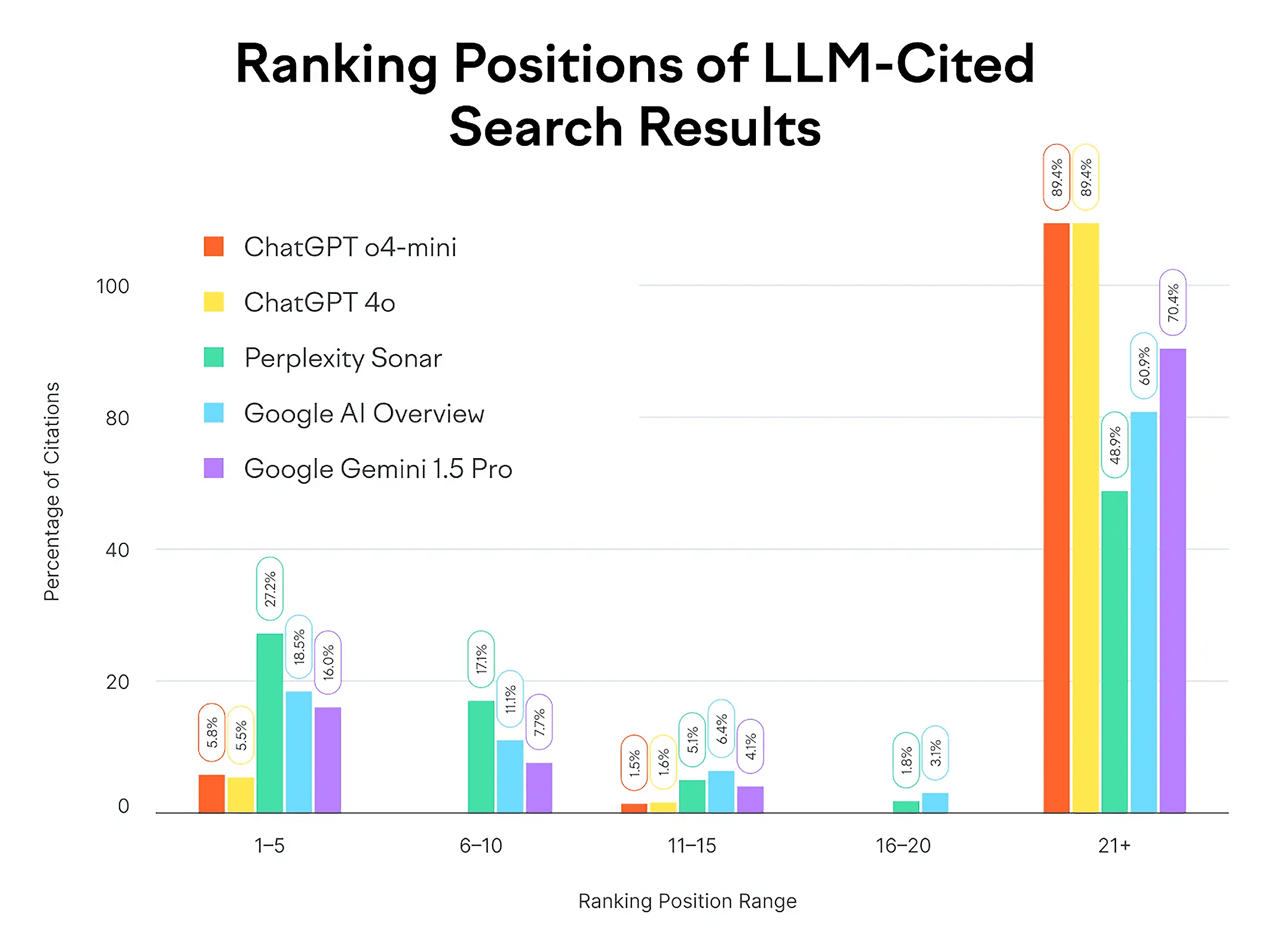
Recent data confirms that high search rankings do not guarantee AI citations. A comprehensive study by Semrush revealed that LLMs frequently cite pages ranking in position 21 or lower. When an AI breaks a query into sub-queries, it prioritizes the most relevant and complete information source for each specific segment, regardless of the page’s overall SEO authority or ranking position.
2. Passages Over Pages
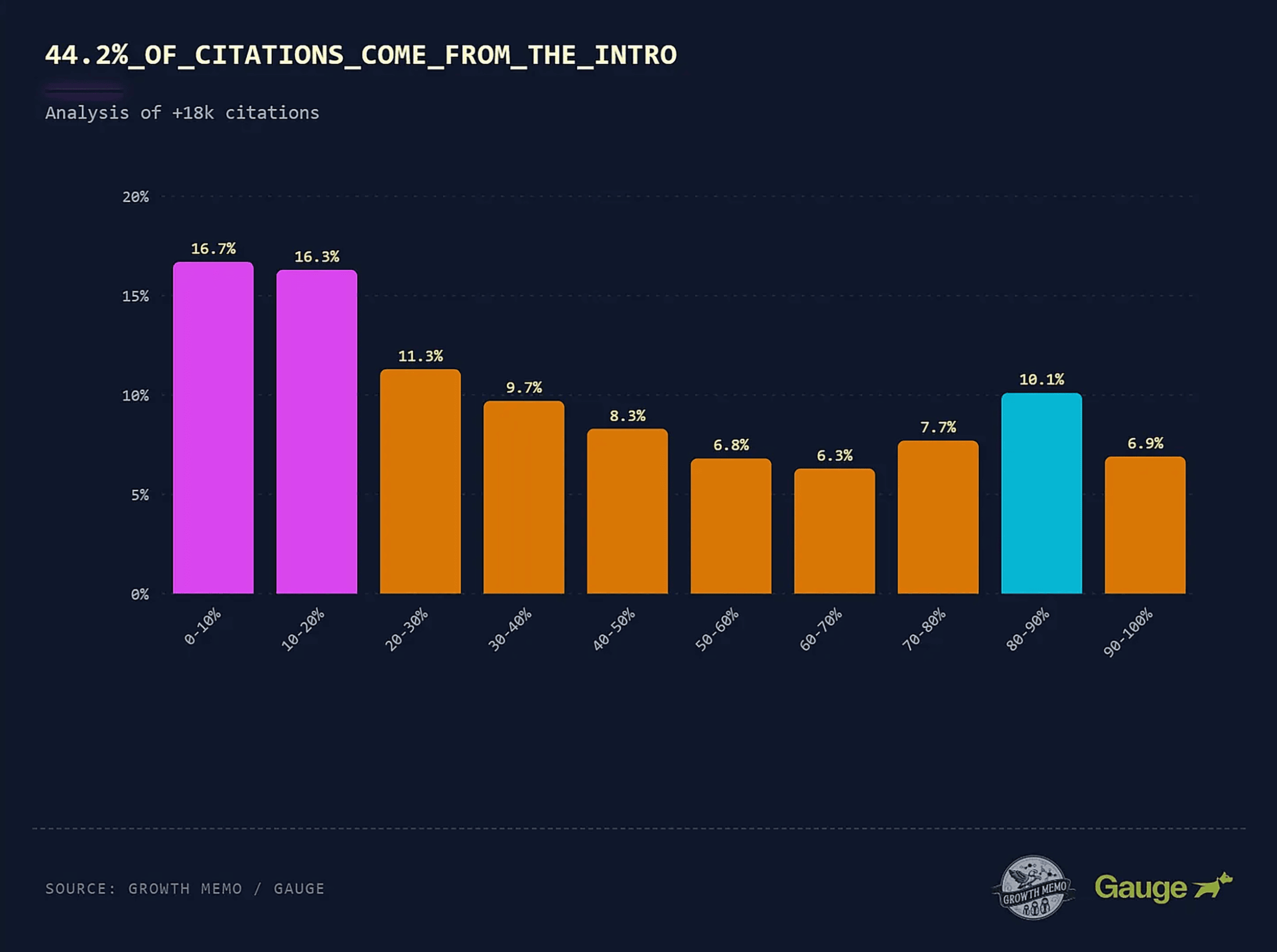
AI systems are designed to retrieve specific passages of text rather than entire web pages. The goal of the model is to find the exact snippet that resolves a user’s query. Consequently, the placement of information is critical. Analysis by growth expert Kevin Indig suggests that approximately 44% of citations in ChatGPT responses are pulled from the first 30% of a page. This underscores the necessity of "front-loading" your most valuable information.
3. Topic Clusters and Comprehensive Coverage
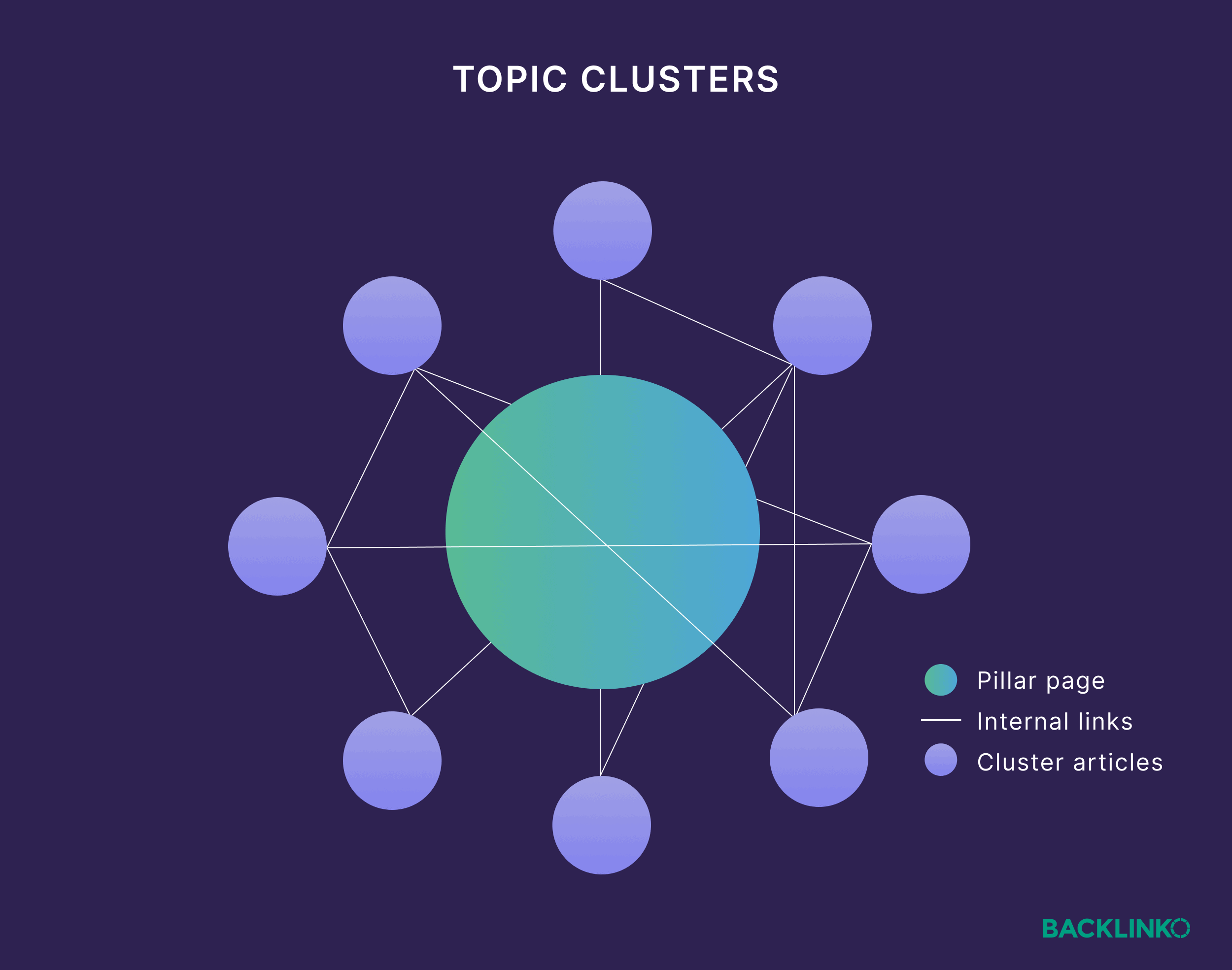
Query fan-out rewards breadth. Because AI systems treat a query as a topic to be explored rather than a single string of text, brands that utilize "topic clusters"—a strategy where a central pillar page is supported by smaller, interconnected content pieces—are significantly more likely to earn visibility. By covering every angle of a topic, you increase the likelihood that your content will be the source pulled for one or more of the sub-queries triggered by the AI.
The Six-Step Workflow to AI Visibility
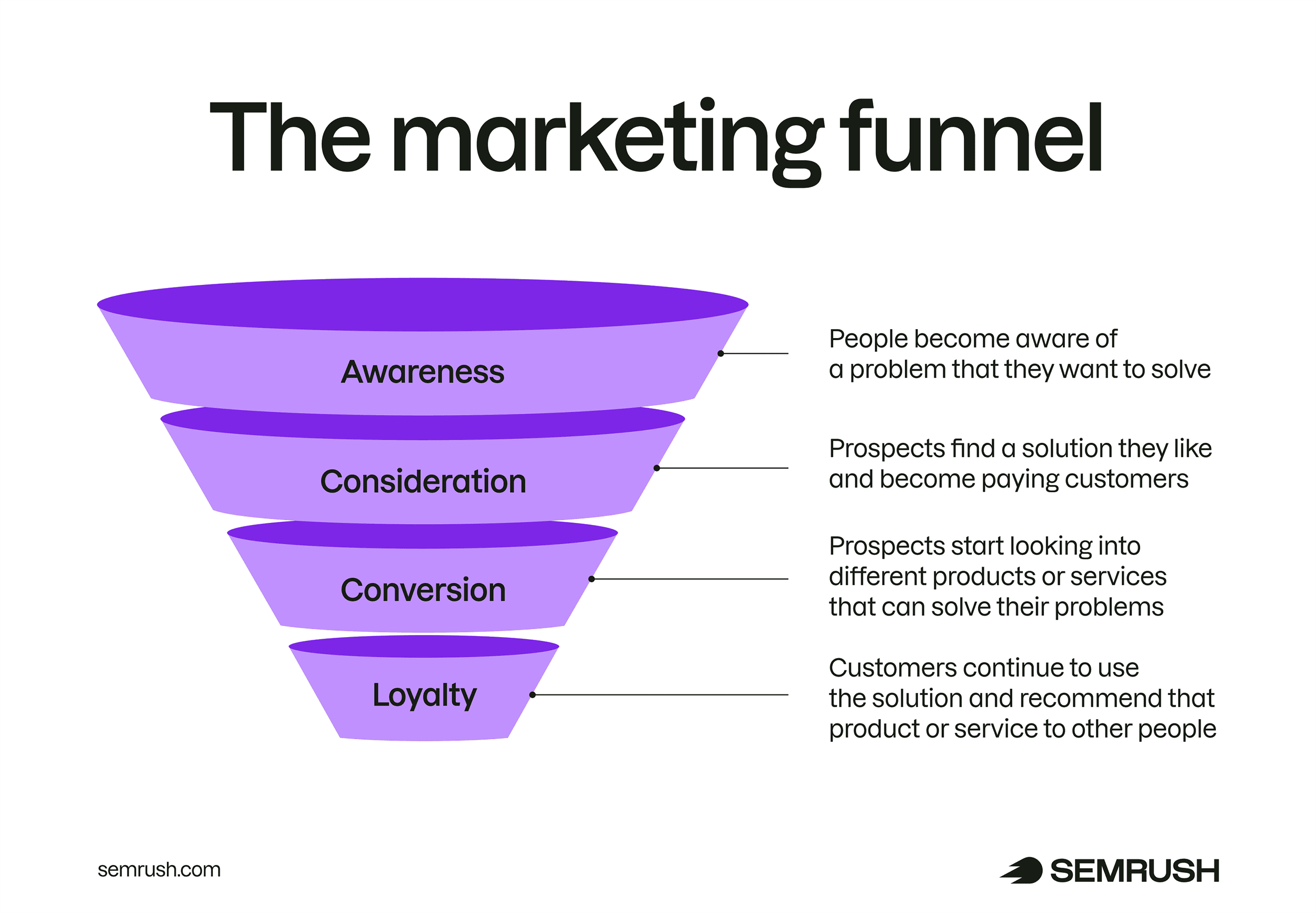
To survive in this new environment, marketers must adopt a "Fan-Out Workflow." This repeatable process ensures your content is not only discoverable but also highly "extractable" by AI.
Step 1: Identify Your "Money Prompts"
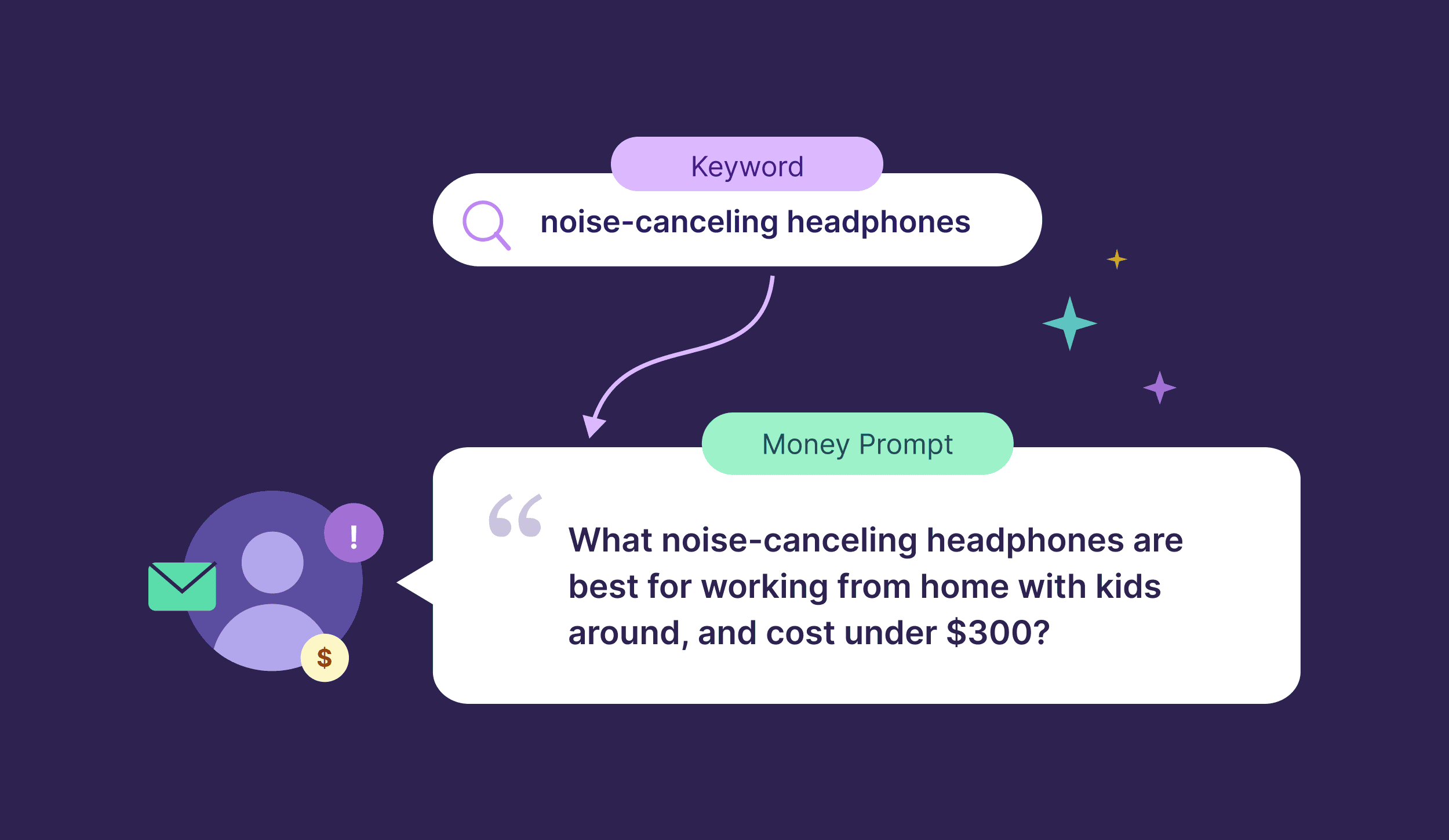
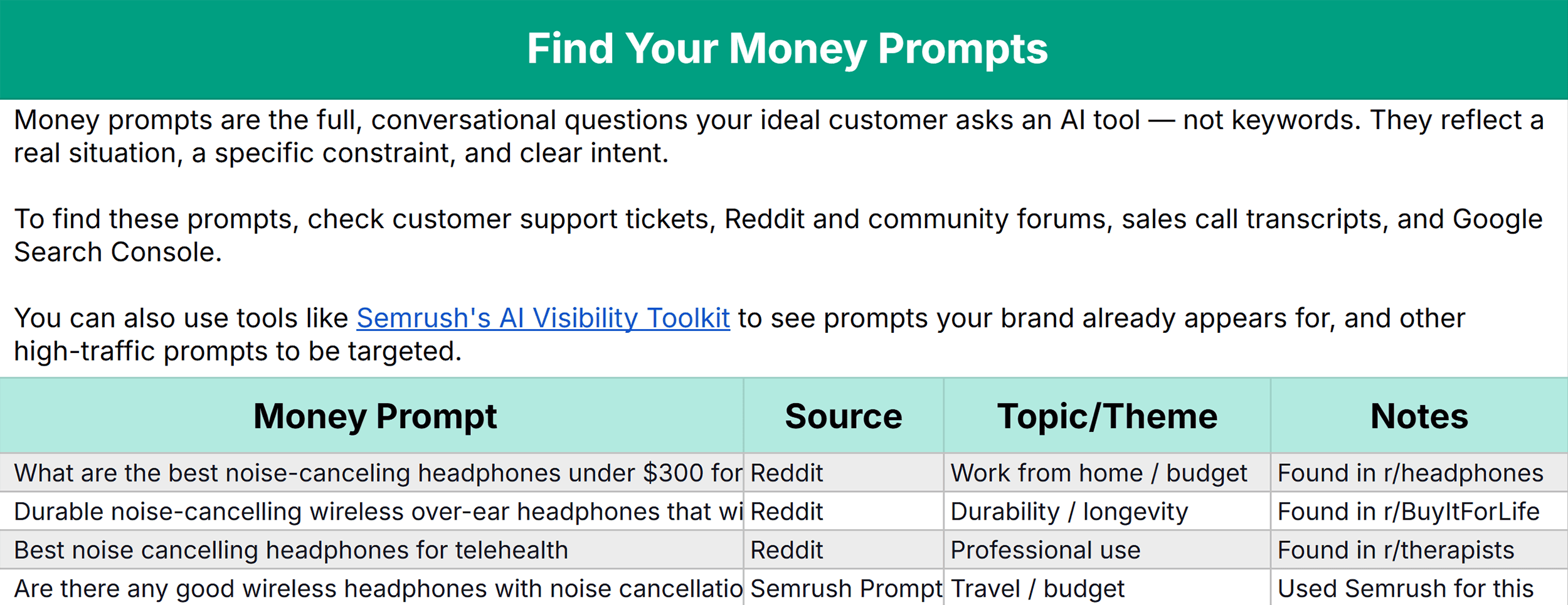
"Money prompts" are the conversational queries your ideal customers type into an AI tool when they are in the research or decision-making phase. Unlike traditional keywords, these are long-tail, high-intent questions. For example, while "noise-canceling headphones" is a keyword, "What noise-canceling headphones are best for working from home with kids under $300?" is a money prompt.

Step 2: Generate Your Fan-Out Set
To understand how an AI interprets your money prompt, use the manual method of pasting your prompt into various LLMs or use a dedicated tool like the ChatGPT Query Fan-Out Chrome extension. This allows you to see the categories and sub-queries the AI generates, effectively mapping out the content gaps you need to fill.

Step 3: Categorize by Intent
Not all sub-queries are created equal. You must bucket them into intent categories such as:
- Definitions/Basics: Informational content.
- Comparisons: Head-to-head analysis pages.
- Problems/Troubleshooting: How-to guides and FAQ sections.
- Social Proof: Review roundups and user experience data.
Step 4: Conduct a Content Gap Audit
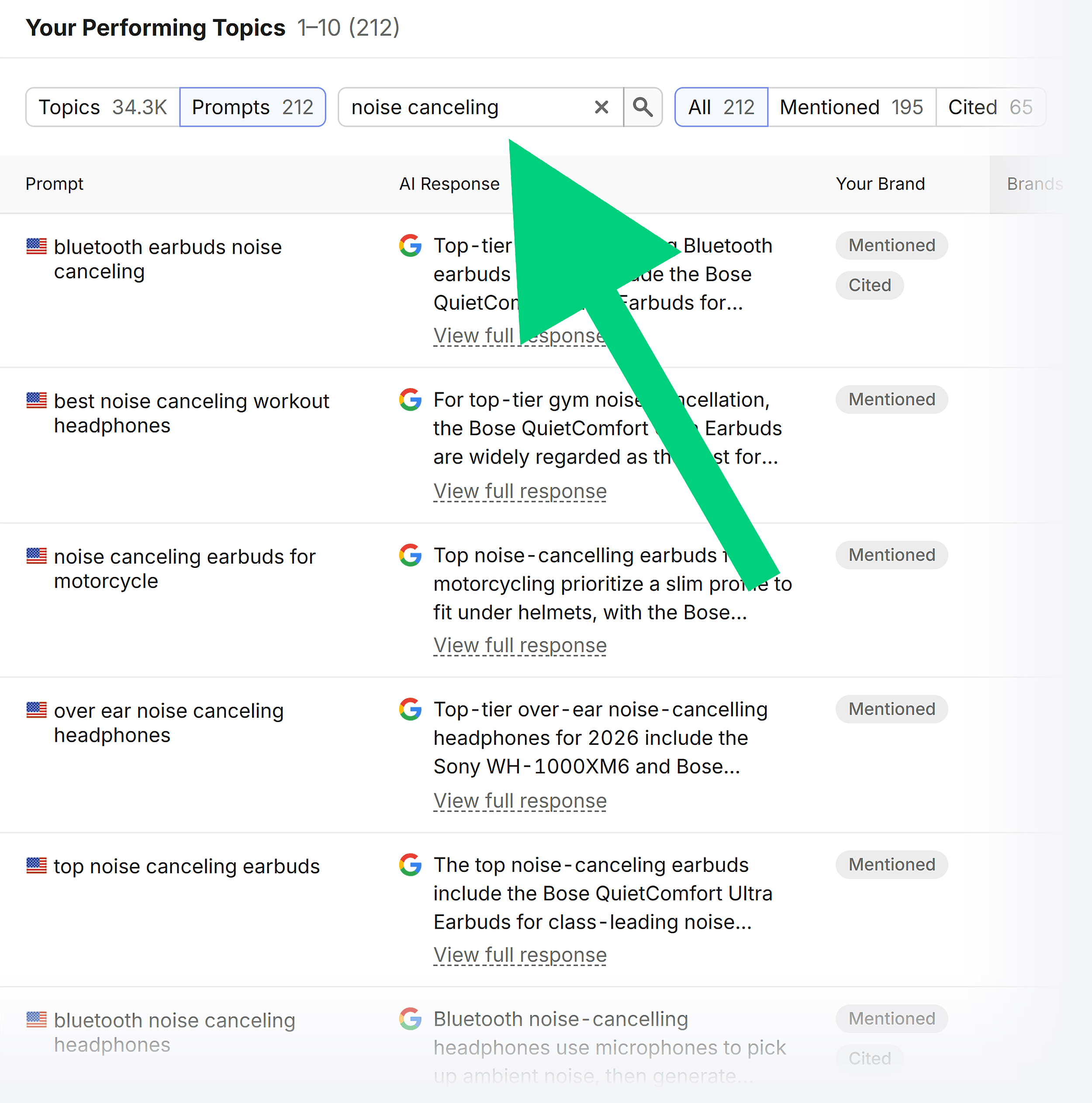
Using the "site:yourdomain.com [sub-query]" command in Google, evaluate your current library. If a sub-query is not covered, create new content. If it is partially covered, add a dedicated, self-contained section to an existing page that answers that specific question cleanly.
Step 5: Structure for Extraction
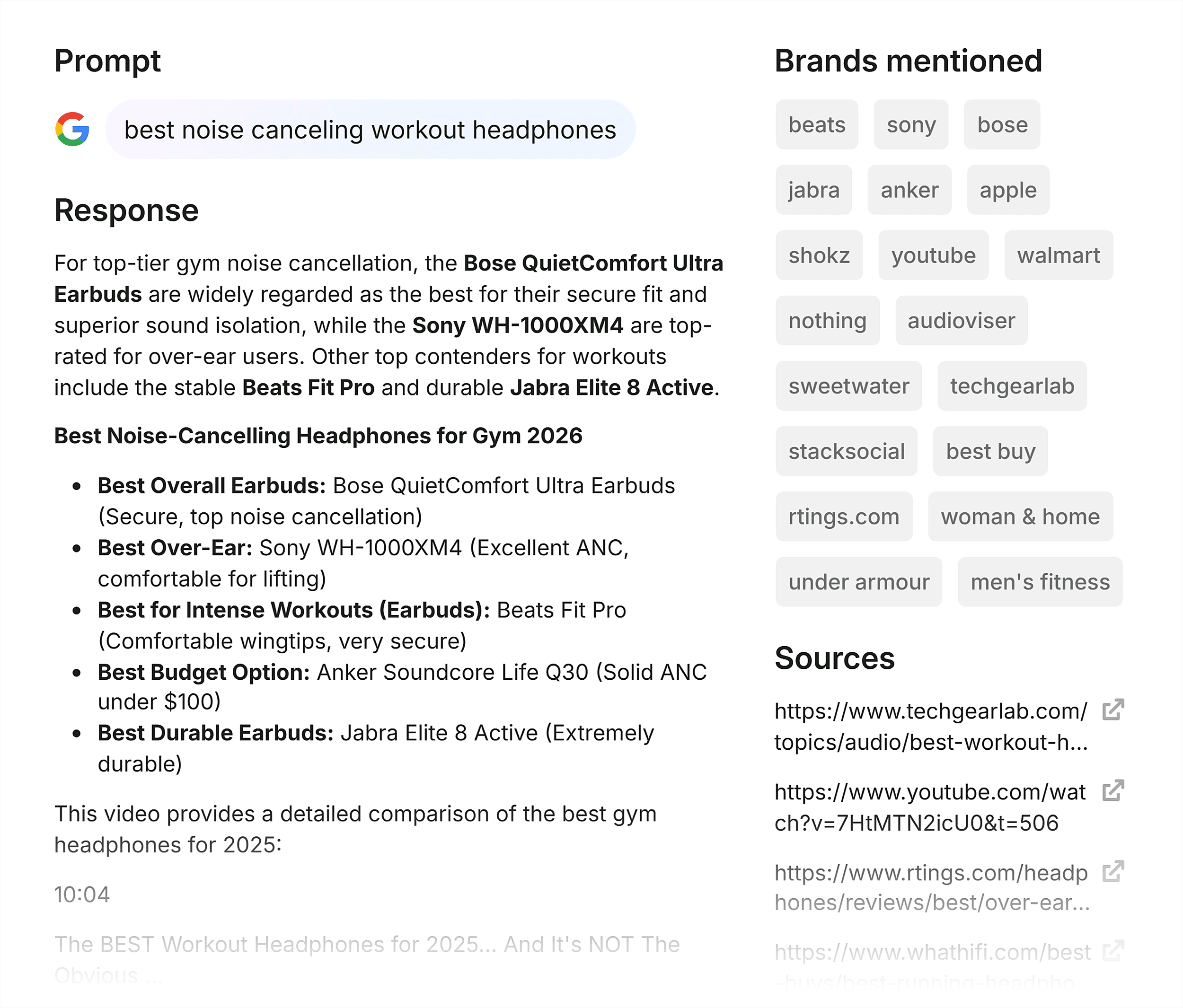
AI systems favor structured data. Use descriptive subheadings (H2s, H3s), provide direct answers to questions immediately following the heading, and utilize comparison tables for technical data. By front-loading your information, you make it significantly easier for an AI model to parse and cite your content.
Step 6: Measure and Iterate
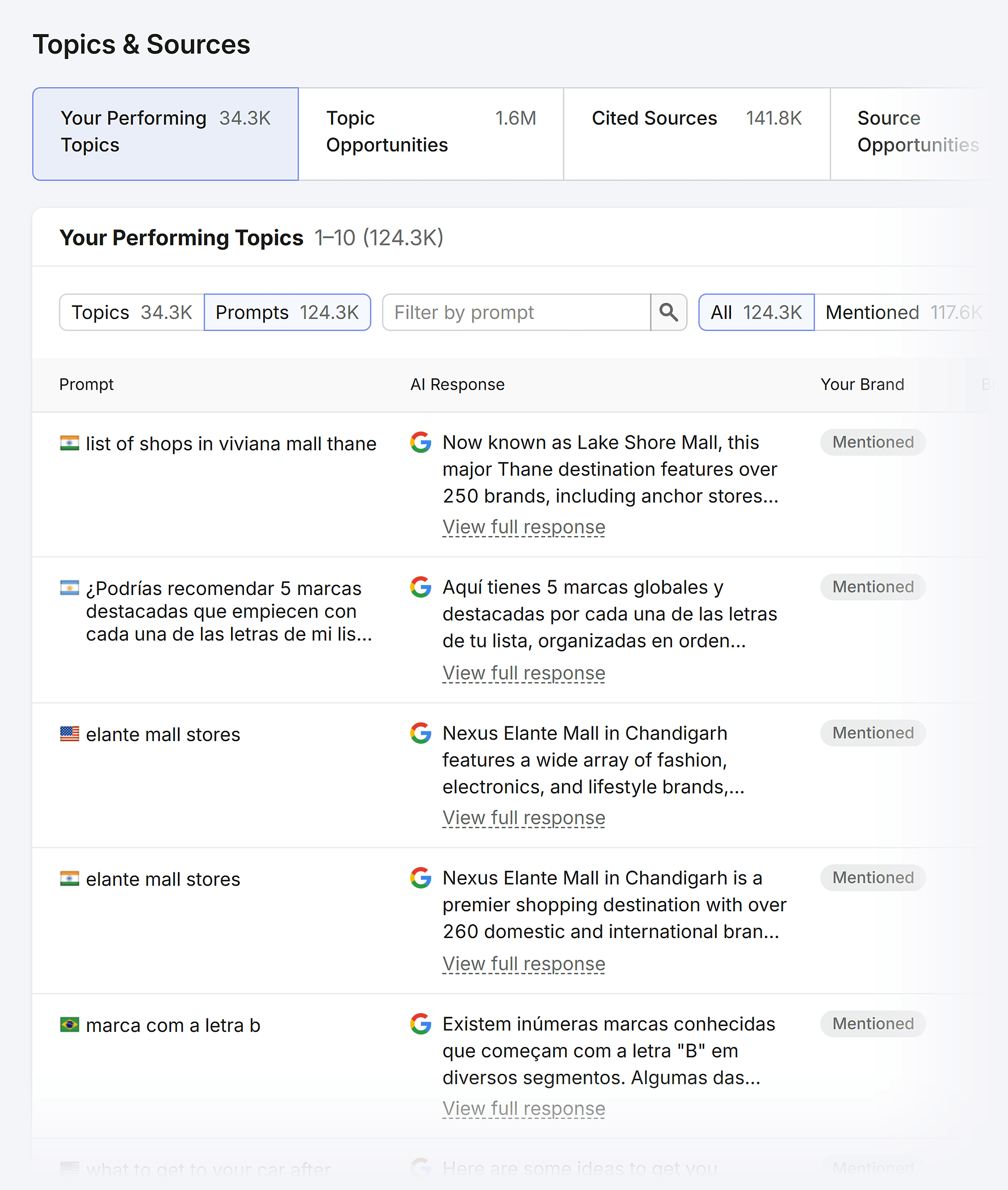
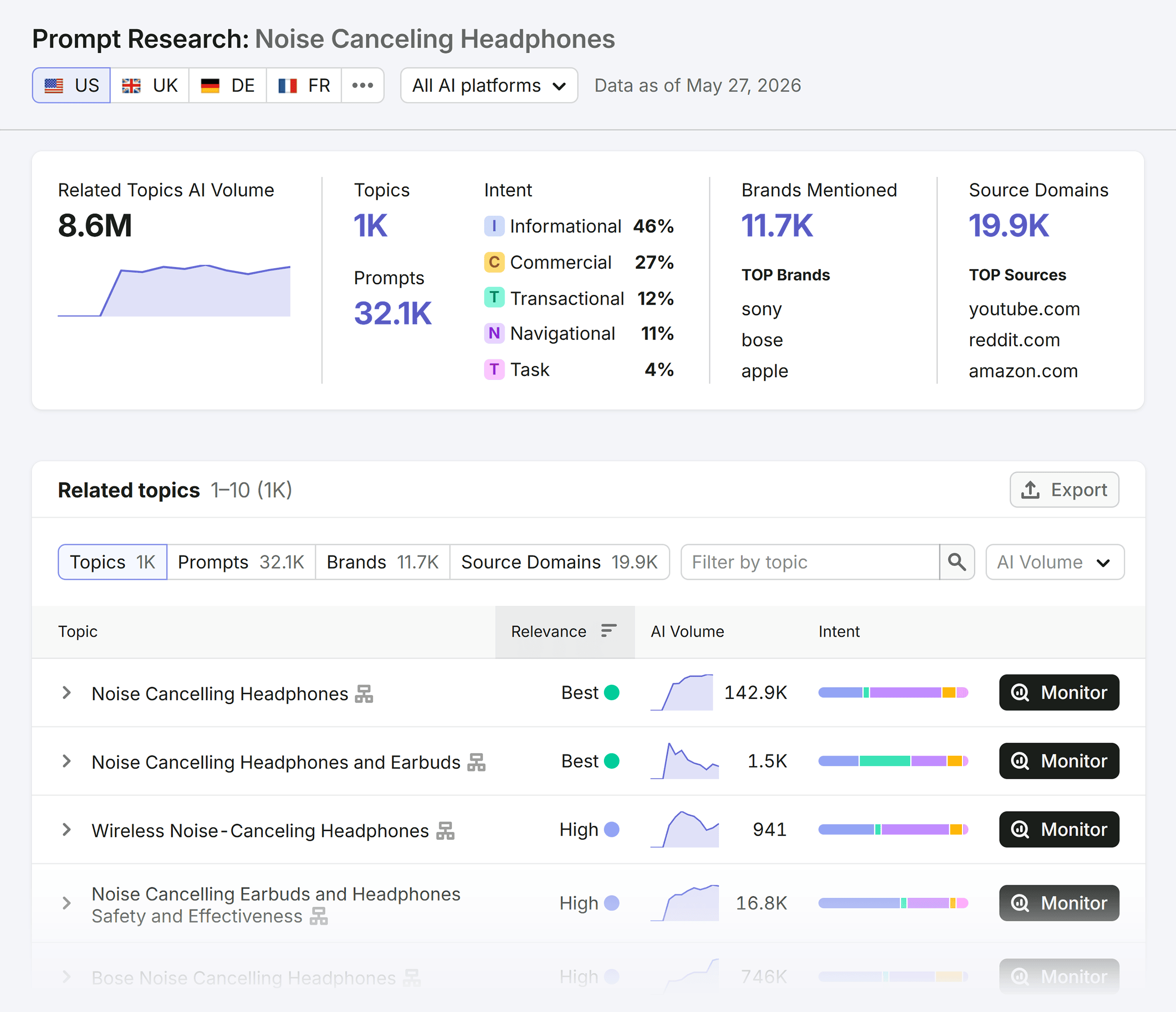
Tracking performance in AI is different from traditional SEO. Use tools like Semrush’s "Prompt Tracker" or "Visibility Overview" to monitor whether your brand is appearing in AI-generated answers. Pay close attention to sentiment—if the AI is mentioning your brand but in a negative light, you have a reputation management issue that requires a content-based response.
Platform Differences: How They "Fan Out"
It is crucial to note that not all AI platforms handle fan-out identically:
- ChatGPT (with Search): Uses extensive reasoning before running live searches, often citing 30+ sources for complex queries.
- Perplexity: Operates on two layers, checking conversation history before launching external searches.
- Claude: Prioritizes intent clarification, often asking the user for more context before conducting a search.
- Google AI Overviews/Mode: Synthesizes the existing web index to provide concise, authoritative summaries.
Implications for the Future of Marketing
The shift toward query fan-out signals a move toward a "zero-click" future, where the buying journey is increasingly completed within the chat interface. For businesses, this means that content must be optimized to be the source of truth for the AI.
The brands that will succeed are those that stop viewing content as a way to "trick" an algorithm and start viewing it as a comprehensive knowledge base for their customers. By addressing the specific, complex questions your audience asks, you ensure that your brand remains an indispensable part of the AI-driven search experience.