By [News Desk]
Published: October 2026
Main Facts
The modern software subscription economy is facing a significant paradigm shift. For decades, business owners and independent entrepreneurs have been forced to conform to generic, mass-market software tools. These platforms often fail to align with unique business workflows, forcing users to pay exorbitant annual fees for bloated dashboards packed with unused features.
However, the advent of "vibe coding" and advanced large language models (LLMs)—such as Anthropic’s Claude—has fundamentally democratized software development. Business owners with zero technical background or coding experience can now brainstorm, design, build, and deploy custom AI applications tailored precisely to their operational needs.
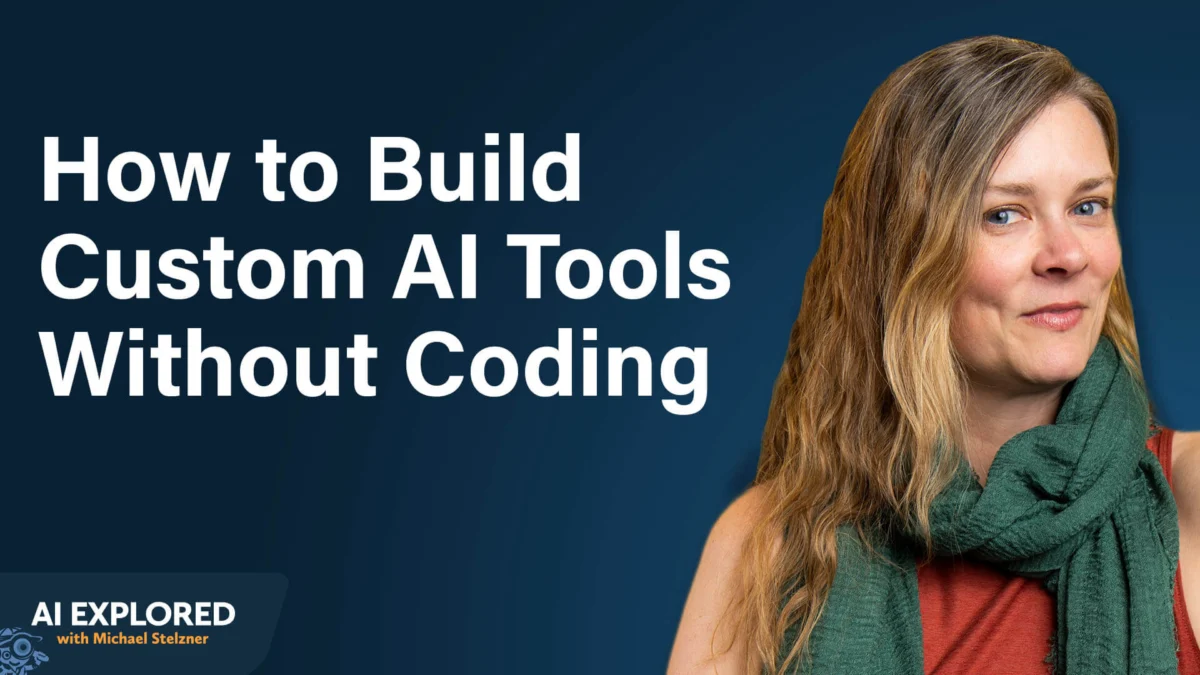
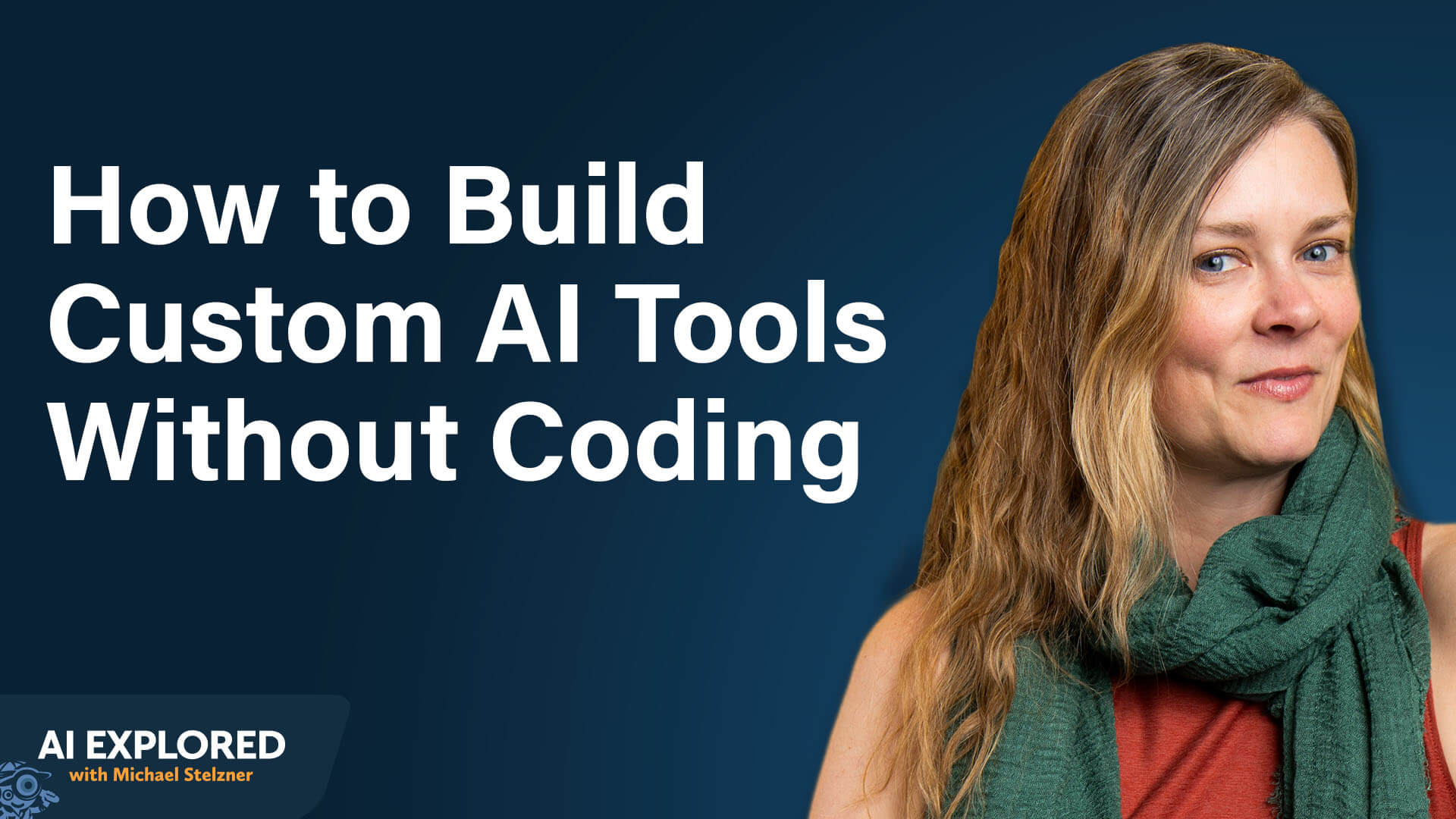
AI strategist and educator Erika Stanley, founder of AI Queens, has spearheaded this movement. By leveraging high-tier AI models and vibe-coding platforms like Lovable, Stanley successfully replaced more than $1,200 in annual software subscriptions within a matter of months. Operating under a "market of one" philosophy, she has proven that building bespoke tools is no longer reserved for software engineers with massive development budgets.
Chronology: The Evolution of No-Code App Building
The transition from traditional SaaS dependency to bespoke AI development follows a distinct operational timeline, pioneered by early adopters like Stanley:
- Phase 1: Identification of Operational Friction. The process begins not with a software purchase, but with an everyday business bottleneck. Stanley’s initial Minimum Viable Product (MVP) stemmed from a desire to replace a $29-per-month task automation tool that managed her email triage and Zoom meeting summaries. Instead of buying a replacement off the shelf, she analyzed her existing assets—combining Claude’s connectors, Fathom’s free-tier transcripts, and automated daily scheduling.
- Phase 2: Ideation and Product Requirements Document (PRD) Creation. Before writing a single line of code or touching an interface builder, creators use conversational LLMs (like Claude or ChatGPT) to outline the exact scope of their desired tool. By describing the problem rather than the technical solution, the AI generates a comprehensive Product Requirements Document (PRD). This step ensures that token usage on coding platforms is kept to a minimum.
- Phase 3: Vibe Coding and Prototyping. Armed with a finished PRD, creators input their project specifications into vibe-coding environments such as Lovable, Base44, or Replit. Using plain-language instructions, the platform generates the application architecture, user interface, and database configurations.
- Phase 4: Security Auditing and Deployment. Once the prototype passes internal testing, the application undergoes automated security checks to patch vulnerabilities—particularly vital for apps handling user authentication or private data. Finally, the app is deployed via hosting services like Vercel or Railway, or published directly through platforms like Lovable, resulting in a live, functional URL.
Supporting Data and Financial Metrics
The financial mechanics of building custom AI tools highlight a compelling return on investment for small business owners:
- Subscription Consolidation: Traditional software stacks often bleed capital through overlapping subscriptions for CRM, email sorting, and project management. Stanley notes that upgrading her personal AI workflow to a Claude Max plan ($100 per month) was easily justified by setting a target to cut an equivalent amount in legacy software costs.
- Platform Economics: Vibe-coding ecosystems operate on accessible monthly pricing structures. Platforms like Lovable average around $25 per month, integrating hosting, databases, and deployment pipelines into a single subscription. Advanced hosting options, such as Railway, offer robust database handling for roughly $5 monthly.
- Development Velocity: Complex integrations that traditionally required weeks of engineering hours or expensive contractor fees can now be prototyped, refined, and deployed in less than half a day.
Official Insights and Strategic Perspectives
According to industry experts, the shift toward bespoke AI tools signals the decline of "feature bloat" in commercial SaaS products. When software is built for a mass market, developers must cater to the lowest common denominator, resulting in rigid platforms that demand organizational restructuring to fit the software, rather than the other way around.
"Business owners no longer need to accept the tradeoff of paying for software that partially solves their problems," industry analysts note. By designing for a "market of one," entrepreneurs build tools that do precisely what is required—nothing more, nothing less.
Furthermore, expert guidance emphasizes the importance of the MVP mindset. Drawing comparisons to a skateboard rather than an incomplete car, developers are advised to launch the simplest possible iteration that solves an immediate operational friction point, iterating upward only as user needs evolve.
Implications for the Future of Business and Software
The widespread accessibility of vibe coding carries profound implications for the broader software industry and independent entrepreneurship:
1. Disruption of the Traditional SaaS Model
As small-business owners and enterprise teams alike realize they can generate custom internal tools in hours using plain-language prompts, demand for rigid, mid-tier SaaS products may decline. Software companies will likely be forced to pivot toward open APIs, modular architectures, or deeply specialized vertical solutions that AI cannot easily replicate.
2. The Rise of Micro-Products and Direct Monetization
The utility of custom-built tools extends far beyond internal operations. Once an entrepreneur solves a personal workflow inefficiency, the resulting application can easily be adapted into a commercial product. These tools can be packaged as membership perks, community resources, or direct-sales software, creating entirely new revenue streams for non-technical founders.
3. Democratization of Technical Problem Solving
Technical literacy is undergoing a fundamental redefinition. The barrier to entry for building digital infrastructure has shifted from mastering programming languages like Python or JavaScript to mastering prompt engineering, logical structuring, and product scoping. As AI platforms become more intuitive, the competitive advantage will no longer belong to those who can write code, but to those who possess the clearest understanding of operational workflows and user experience design.