The modern technology landscape is often defined by corporate consolidation, proprietary walled gardens, and algorithmic feeds designed to keep users isolated behind glowing screens. Yet, nestled within this digital expanse is an anomaly: a decentralized, global open-source community that has thrived on altruism, collaboration, and human connection for over two decades.
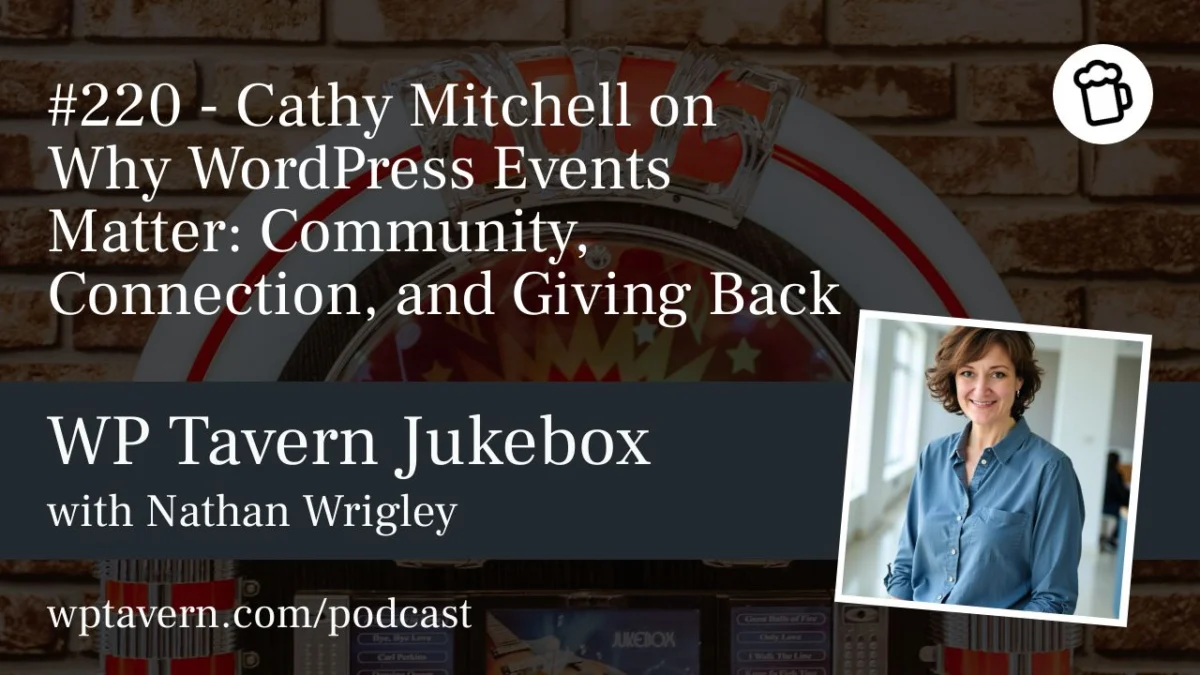
Recently, WP Tavern’s Jukebox podcast, hosted by Nathan Wrigley, sat down with Cathy Mitchell, a veteran WordPress entrepreneur, community leader, and the lead organizer for the upcoming 2026 WordCamp Canada. Their conversation peeled back the layers of code, plugins, and themes to examine the beating heart of the ecosystem: the people.
From battling modern loneliness through community service to navigating the shifting tides of corporate sponsorship and engaging the next generation, this discussion offers a profound look at why the WordPress community matters now more than ever.
Main Facts
- A Global Ecosystem Rooted in Community: While WordPress powers more than 40% of all websites on the internet, its true engine is a volunteer-driven network of developers, designers, writers, and organizers spanning the globe.
- The Antidote to Loneliness: Amid a documented global loneliness epidemic—particularly among younger demographics—active participation in open-source communities and volunteer-led events offers a vital sense of belonging, purpose, and camaraderie.
- The Rise of WordCamp Canada: Cathy Mitchell, who launched her WordPress business WPBarista in 2008, transitioned from an event volunteer to taking the helm as the lead organizer for the upcoming 2026 WordCamp Canada.
- Shifting Corporate Dynamics: Economic uncertainties, increased market competition, and evolving corporate structures have tightened sponsorship wallets, forcing event organizers to rethink how businesses perceive their return on investment (ROI) within open source.
- Securing the Future: Long-term sustainability relies heavily on educational initiatives, university credit programs, and fostering youth involvement to ensure the next generation embraces the ethos of open-source technology.
Chronology: From Novice Support Forums to National Leadership
To understand the unique culture of WordPress, one must examine how individuals find their way into its fold. For Cathy Mitchell and Nathan Wrigley, the journey into WordPress began not as a grand professional strategy, but as an accidental foray into digital creation.
The Early Days: 2007–2009
Mitchell began working with WordPress in 2007 during her maternity leave, treating it as a fun personal project. Without a background in HTML or PHP, she turned to the public WordPress support forums for help.
"In 2008, 2009, there were some big names nowadays that were just answering us in the support forums," Mitchell recalled. "And so I learned from the best of the best… They would answer my ridiculous questions. I had no idea about PHP. I didn’t even know HTML."
By 2008, Mitchell turned her side project into a full-fledged business with the launch of WPBarista. Similarly, Wrigley stumbled into the community years later, eventually attending his first WordCamp in London as a timid newcomer wondering what value an in-person tech conference could possibly hold.
The Pivot to Community Leadership
For many years, Mitchell viewed WordPress strictly through a commercial lens, prioritizing financial return on investment above all else. However, as her children grew up and she entered a new life stage as an "empty nester," her perspective shifted.
Looking for meaningful ways to invest her time, she connected with organizers in the Canadian WordPress Slack channel. Expected to sweep floors or navigate corporate red tape—as is common in traditional volunteer or corporate environments—Mitchell was shocked by the openness of the WordPress community.
"There is a lot of red tape in the corporate world before they let you do anything meaningful," Mitchell noted. "Like you have to sweep the floors for a whole long time before they let you actually do something you’re good at. So this was remarkable."
Handed significant organizational responsibilities almost immediately, Mitchell transitioned from helping out at regional events to leading the planning committee for WordCamp Canada.
Supporting Data: The Loneliness Epidemic and Open-Source Altruism
A striking portion of the discussion between Wrigley and Mitchell focused on a crisis extending far beyond tech: the modern epidemic of loneliness and isolation.
The Public Health Impact of Isolation
Cathy Mitchell referenced data highlighting the severity of social isolation in modern society, pointing to reports by the U.S. Surgeon General.
- The Health Toll: Official findings equate the health impacts of chronic loneliness to smoking 15 cigarettes a day.
- Demographic Shift: Studies indicate that younger generations skew heavily toward feelings of isolation. Mitchell noted that approximately 79% of surveyed 18- to 24-year-olds reported feeling lonely, compared to roughly 41% of those aged 66 and older.
Technology: The Paradoxical Culprit
While technology was built to connect humanity, the widespread proliferation of smartphones, algorithmic social media feeds, and isolated home entertainment (such as streaming services) has created a paradox. Rather than binding people closer together, it has frequently walled them off from meaningful physical proximity.
Service as an Antidote
Psychologically, community involvement and volunteerism serve as powerful counter-measures to isolation. Psychological research frequently points to two primary pillars of human happiness:
- Social Proximity: Frequently spending time and interacting face-to-face with other human beings.
- Altruism: Giving away time, energy, or resources with no expectation of a financial return.
Participating in open-source projects like WordPress fulfills both criteria. Volunteers unite behind a shared, non-commercial goal—building better software, educating peers, or hosting localized events—which naturally fosters deep interpersonal bonds.
Official Perspectives on the Corporate Landscape and Sponsorships
As open-source software matures, the financial models supporting it are undergoing rigorous stress tests. The days of effortless corporate sponsorships driven solely by explosive, uninhibited market growth are evolving.
The Perfect Storm for Sponsors
Economic uncertainty across North America and beyond has forced agencies, plugin developers, and hosting companies to tighten their budgets. Furthermore, increased competition within the WordPress marketplace means businesses scrutinize every dollar spent on event sponsorships.
However, Mitchell and Wrigley argued that corporate sponsorship in open source should not be viewed through a purely transactional lens. Healthy open-source ecosystems directly benefit the commercial entities built upon them. Companies that actively sponsor and contribute to open-source projects enjoy distinct advantages:
- Enhanced Recruitment: Contributing to open-source visibility makes a company an employer of choice for top-tier developer talent.
- Easier Vetting: Direct community engagement allows business owners to evaluate potential hires based on their collaborative contributions and reputation within the ecosystem.
Broader Implications for the Future of Open Source
Despite economic headwinds and shifting industry dynamics, the conversation concluded on a note of cautious optimism. The survival and longevity of WordPress depend on its ability to adapt and attract new blood.
Engaging the Next Generation
A major focus for upcoming events, including WordCamp Canada, is bridging the generational divide. Initiatives such as Campus Connect and university-credit programs are working to integrate open-source contributions directly into higher education. By introducing students to the collaborative nature of open source early on, the community ensures a pipeline of enthusiastic future contributors.
The "Secret Sauce" of WordPress Culture
Reflecting on the unique culture of WordPress, Mitchell acknowledged the massive influence of its co-founder, Matt Mullenweg, in establishing an ecosystem that prioritizes inclusivity, peer support, and decentralization.
While the tech world often defaults to rigid hierarchies, the WordPress community operates on a culture of radical openness—where saying "yes" to willing volunteers is the default baseline.
"We have to say yes," Mitchell emphasized. "Our default is yes, not, well, have you done this first?"
As the digital world continues to grapple with proprietary tech monopolies and social isolation, communities like WordPress provide a blueprint for a healthier, more collaborative internet—proving that technology is at its best when humans build it together.