In the hyper-competitive digital landscape of 2025, the inbox has become the most contested real estate in marketing. As consumers grow increasingly selective about the content they consume, the traditional "spray and pray" approach—sending a singular, generic message to an entire mailing list—has shifted from being merely ineffective to becoming a genuine liability.
Today, the difference between a thriving business and one that struggles with list fatigue often comes down to a single, sophisticated strategy: audience segmentation. By breaking down large databases into smaller, behaviorally-aligned groups, brands are finally moving away from intrusive noise toward the kind of hyper-personalized engagement that modern consumers not only expect but demand.
The Evolution of the Inbox: Why Segmentation Matters
The premise of audience segmentation is deceptively simple: it is the art of sending the right message to the right person at the exact right time. However, the mechanics behind this strategy have evolved rapidly over the last decade. In the early 2010s, segmentation was often limited to basic demographic filtering—grouping users by age or location.
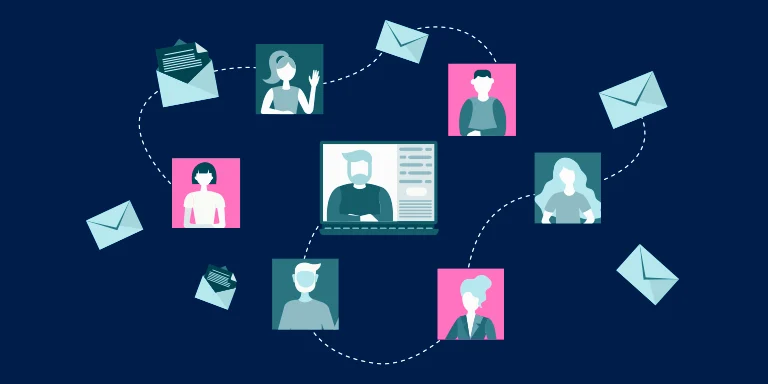
In 2025, the standard has shifted to behavioral intelligence. This involves analyzing how a user interacts with a brand in real-time—what pages they browse, how frequently they purchase, their responsiveness to specific subject lines, and even their preferred time of day for email consumption. When a brand treats every subscriber as a unique individual with distinct needs, the relationship transitions from a transactional one to a relational one.
The Cost of the "Generic" Strategy
For many early-stage founders and small business owners, the temptation to "batch and blast" is driven by a desire for efficiency. It is undeniably faster to write one email and send it to 10,000 people than it is to curate five different versions for five different segments. Yet, this efficiency is a false economy.
Data consistently shows that generic emails suffer from lower open rates, higher bounce rates, and, most damagingly, an increase in "unsubscribes." When a subscriber receives an email that feels irrelevant—such as a promotional discount for a product they just purchased at full price—the brand loses trust. Over time, these negative signals tell inbox providers (like Gmail or Outlook) that your emails are unwanted, causing your domain reputation to plummet. Suddenly, even your most important communications—like shipping updates or password resets—start landing in the dreaded "Promotions" or "Spam" tabs.
Supporting Data: The ROI of Personalization
The economic argument for segmentation is bolstered by hard numbers. According to the 2025 Omnisend Email Marketing Report, the impact of automated, segmented workflows is profound. While the average cross-industry open rate sits at approximately 26.6%, automated emails that leverage behavioral segmentation achieve an impressive 40.55% open rate.
This isn’t just about "vanity metrics" like opens and clicks. Segmentation is directly correlated with bottom-line revenue. By tailoring the content to the user’s specific buying stage, brands see higher conversion rates, as the messaging directly addresses the user’s current intent. For a bootstrapped startup, the ability to squeeze more revenue out of an existing list—rather than spending thousands on new customer acquisition—is the most effective way to scale sustainably.
The Five Essential Segments for Every Founder
You do not need a team of data scientists to begin segmenting. Most modern email marketing platforms allow for dynamic grouping based on simple, high-impact behaviors. To build a robust strategy, focus on these five core segments:
1. The New Subscriber (The "First Impression" Segment)
These individuals are the lifeblood of your business. They have shown interest but lack brand loyalty. Instead of aggressive sales, use this segment to deliver a "Welcome Series" that tells your founder story, outlines your brand values, and provides genuine educational value.
2. The Past Purchaser (The "Upsell" Segment)
A customer who has already bought from you is the most likely to buy again. If a user purchased a specific product, your follow-up should be highly contextual. For instance, if they bought a high-end coffee machine, the next email should focus on premium coffee beans, maintenance kits, or cleaning supplies—not items unrelated to their purchase.
3. The Cart Abandoner (The "Intent" Segment)
Statistically, the majority of e-commerce shoppers leave items in their carts. This segment is your highest-intent audience. An automated, well-timed email—often sent 1–24 hours after abandonment—that includes a clear call to action, an image of the item, and perhaps a small incentive like free shipping, can recover significant revenue that would otherwise be lost forever.
4. The Inactive Subscriber (The "Re-engagement" Segment)
Every list eventually goes cold. Before purging these contacts, deploy a re-engagement campaign. Use a subject line that acknowledges their absence, such as "We miss you" or "Still interested in [Topic]?", and offer a limited-time incentive to bring them back into the fold.
5. The VIP (The "Loyalty" Segment)
These are your brand ambassadors. They have the highest lifetime value and the highest engagement rates. Treat them like insiders by giving them early access to new product launches, exclusive invitations to webinars, or special "founder’s circle" pricing.
Tactical Implementation: From Strategy to Execution
The transition from a "one-size-fits-all" strategy to a segmented ecosystem requires the right tools. Platforms like Omnisend have become the industry standard for high-growth brands because they integrate deep behavioral tracking with user-friendly automation.
The Step-by-Step Workflow:
- Platform Integration: Choose a tool that allows for "no-code" segmentation. The easier it is to build a segment, the more likely you are to actually use it.
- Behavior-Based Grouping: Stop segmenting by demographics alone. Start by tracking actions: Did they click a link in the last email? Did they visit the pricing page? Use these actions to move them into the corresponding segment.
- Automated Flows: Once segments are defined, build "evergreen" automated flows. When a user triggers an action (like adding an item to their cart), they should automatically enter the corresponding email sequence. This creates a personalized experience that runs 24/7 without manual intervention.
- Continuous Iteration: Treat every campaign as an experiment. If a segment isn’t converting, test a new subject line or a different offer. Always A/B test your assumptions to ensure your messaging remains aligned with what your audience actually wants.
The Implications for 2025 and Beyond
As we move deeper into 2025, the digital landscape will likely see even more stringent privacy regulations and increased competition for attention. AI-driven personalization is the next frontier, where machines will help founders predict exactly what a customer wants before they even realize it themselves.
However, the foundation of this future is built on the basics of today. Brands that prioritize clean data, segment their lists with empathy, and respect the subscriber’s inbox will be the ones that succeed. By shifting your mindset from "marketing to a list" to "having a conversation with individuals," you move from being a source of digital clutter to a source of genuine value.
In the end, audience segmentation isn’t just a marketing tactic; it is a philosophy of respect. It acknowledges that your customers have limited time and specific interests. When you honor that by sending only the most relevant, helpful, and timely content, you aren’t just building a list—you are building a community.
Ready to transform your email strategy? Start by auditing your current list and identifying your top 20% of customers. Then, build your first automated segment based on their purchase history. By taking these small, tactical steps, you can turn your email marketing from a chore into your most reliable revenue engine.