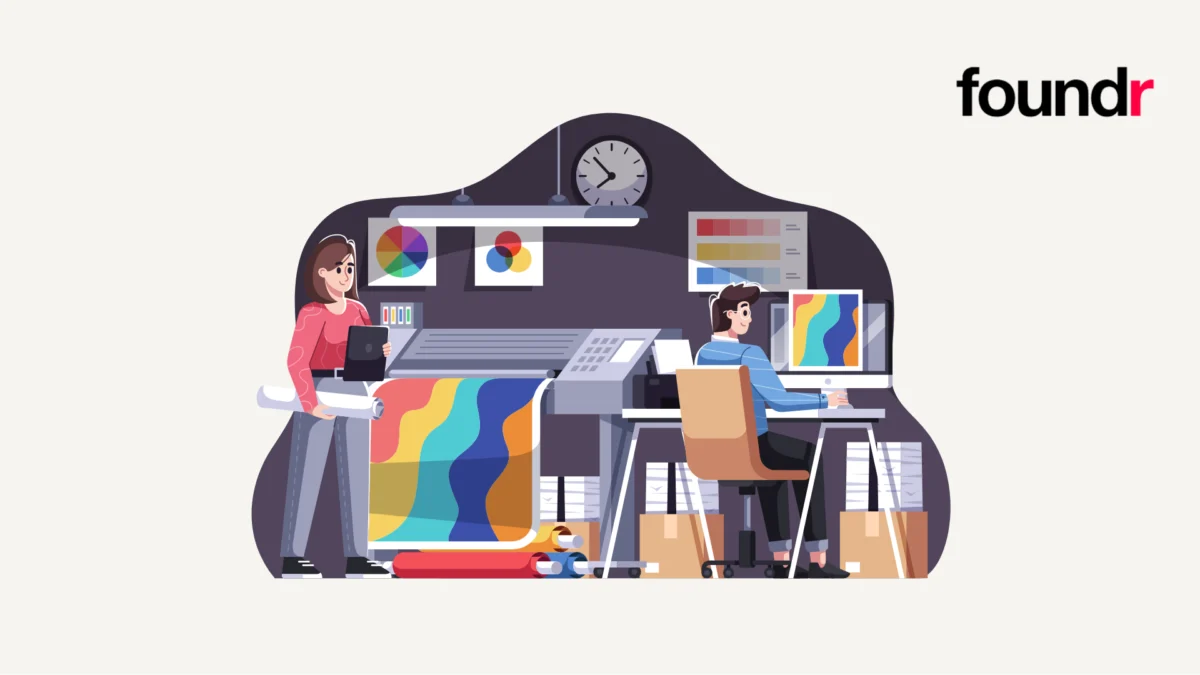
In the rapidly evolving landscape of modern e-commerce, aspiring entrepreneurs face a perpetual balancing act: how to launch, test, and scale a retail brand without the crushing capital expenditure and logistical nightmares traditionally associated with manufacturing and warehousing. For decades, breaking into the apparel and merchandise market required hefty upfront investments in bulk inventory, warehousing space, and complex supply chain management.
Enter the print-on-demand (POD) model—a disruptive paradigm that has democratized retail. At the forefront of this movement is Printful, an industry giant that enables creators, influencers, and business founders to design, market, and sell customized products without ever touching a printing press or holding a single box of stock.
Whether you are launching a side hustle from your living room or expanding an established digital storefront, understanding how Printful operates can make the difference between a thriving enterprise and a costly logistical failure. This definitive guide explores the mechanics, benefits, drawbacks, strategic implementations, and broader implications of utilizing Printful in today’s competitive e-commerce ecosystem.
1. Main Facts: What Is Printful and How Does It Work?
At its core, Printful is a global print-on-demand and fulfillment service. It operates on a drop-shipping business model, meaning that products are only manufactured after a customer places an order and completes a transaction on an integrated e-commerce platform.
The Mechanics of Printful
The workflow is designed for maximum efficiency and minimal friction:
- Design Creation: Users upload their custom artwork, logos, or text using Printful’s built-in design tools and mockup generators.
- Store Integration: The user connects Printful to their chosen e-commerce storefront—such as Shopify, Etsy, WooCommerce, Amazon, or eBay.
- Customer Purchase: A customer visits the online storefront and purchases a customized item (e.g., a branded hoodie or a custom-printed mug).
- Automated Fulfillment: The order details are automatically transmitted to Printful. The platform prints, packs, and ships the product directly to the end customer under white-label conditions (meaning the package features the brand’s identity, not Printful’s).
Unlike traditional manufacturing, Printful requires no minimum order quantities. A founder can order a single custom t-shirt or fulfill a single customer order without penalty, removing the risk of unsold stock collecting dust in a garage.
2. Chronology: The Evolution of Print-on-Demand and Printful’s Rise
To understand Printful’s current market dominance, it is necessary to examine how the print-on-demand industry matured over the last two decades.
- The Early 2000s (The Era of Custom Screen Printing): Custom merchandise was largely restricted to local print shops with high minimum order thresholds (often 50 to 100 units per design). Online selling required massive garage inventories and manual packing and shipping by the merchant.
- The Rise of Marketplace Platforms (2010–2013): Platforms like Etsy and Shopify gained mainstream popularity, allowing creators to reach global audiences easily. However, fulfillment remained a major bottleneck for non-technical entrepreneurs.
- The Launch of Printful (2013): Recognizing the gap between digital storefronts and physical manufacturing, Printful launched with a mission to automate custom printing and shipping. By building proprietary software that integrated directly with emerging e-commerce platforms, they eliminated the manual data-entry burden for sellers.
- Global Expansion (2015–2020): Printful expanded its fulfillment network across North America, Europe, and partnerships in regions like East Asia and Australia. This reduced shipping times and import tariff complications for international sellers.
- The Pandemic Boom (2020–2022): Global lockdowns drove a massive surge in online entrepreneurship. Print-on-demand services saw unprecedented growth as millions of individuals sought alternative income streams, cementing POD as a legitimate foundational pillar of the modern creator economy.
- The Modern Era (2023–Present): Today, Printful continues to refine its technological infrastructure, offering advanced design algorithms, sustainable product lines, and automated integrations designed to compete directly with traditional wholesale supply chains.
3. Supporting Data: The Economics and Product Ecosystem of Printful
When evaluating a print-on-demand partner, founders must look closely at the product catalog, profit margins, and operational costs.

The Product Catalog
Printful offers a vast array of customizable items categorized into several major verticals:
- Apparel: T-shirts, hoodies, sweatshirts, tank tops, leggings, and jackets.
- Accessories: Tote bags, backpacks, phone cases, and hats.
- Home & Living: Coffee mugs, posters, canvas prints, throw pillows, and blankets.
Financial Breakdown: Costs vs. Margins
While Printful is free to join—there are no monthly subscription fees or upfront setup costs—the economics of print-on-demand differ sharply from bulk manufacturing:
| Metric | Print-on-Demand (Printful) | Traditional Wholesale |
|---|---|---|
| Upfront Capital Required | $0 (Pay per sale) | High (Bulk purchasing required) |
| Inventory Risk | None | High (Risk of unsold dead stock) |
| Profit Margins | Lower (Higher base cost per unit) | Higher (Economy of scale) |
| Fulfillment Labor | Fully Automated by Printful | Managed by Merchant or 3PL |
| Customization Flexibility | Restricted to available blanks and print areas | Fully bespoke (custom tags, packaging, cuts) |
Because Printful prints items individually on demand, the base manufacturing cost per unit is significantly higher than buying 1,000 shirts from an overseas wholesaler. Consequently, e-commerce brands utilizing Printful typically operate on slimmer profit margins, relying on strong marketing and targeted pricing to drive net revenue.
4. Official Responses and Industry Perspectives
Industry analysts and successful e-commerce founders view Printful through a nuanced lens, balancing its undeniable operational convenience against its long-term financial constraints.
The Founder’s Perspective: Testing and Validation
Many seasoned e-commerce educators emphasize Printful’s utility as a market validation tool. Instead of risking thousands of dollars on unproven designs, founders use Printful to test audience reception across social media.
"Printful allows you to remove the guesswork from entrepreneurship," notes digital business strategists. "You can launch ten different t-shirt designs on a Friday, run targeted ads over the weekend, and only pay to manufacture the designs that actually convert. It’s the lean startup methodology applied to fashion and merch."
Criticisms and Operational Realities
Conversely, experienced retailers point out the inherent limitations of relying solely on a POD provider for long-term scale:
- Quality Control Dependencies: Because printing and packaging occur off-site, a merchant’s brand reputation is tethered to Printful’s operational accuracy. If a batch of mugs arrives chipped or a print is misaligned, the customer directs their frustration at the storefront brand, not the fulfillment center.
- Scalability Ceilings: Once a brand achieves consistent, predictable sales volume (e.g., selling hundreds of units of a single design per week), continuing with print-on-demand becomes financially inefficient. At that volume, transitioning to bulk screen printing and a third-party logistics (3PL) warehouse yields vastly superior profit margins.
5. Implications for the Future of E-Commerce and Digital Entrepreneurs
The widespread adoption of platforms like Printful carries profound implications for the future of retail, creative industries, and global supply chains.
1. The Lowering Barrier to Entry
The democratization of manufacturing means that technical know-how and capital are no longer the primary gatekeepers of commerce. A graphic designer in rural Idaho or a digital creator in downtown London can launch a global apparel brand within 24 hours. This has intensified market competition, forcing brands to rely heavily on community building, storytelling, and unique brand identity rather than product exclusivity alone.
2. Sustainable Retail and the War on Waste
Traditional fashion is notoriously wasteful, with millions of unsold garments ending up in landfills annually. The print-on-demand model inherently promotes sustainability by producing goods only when demanded by consumer intent. As eco-conscious consumerism rises, platforms that minimize overproduction are positioned to capture significant market share.
3. The Hybrid Business Lifecycle
We are witnessing the emergence of a predictable business lifecycle for modern consumer brands:
- Phase 1 (Inception & Testing): Use Printful and print-on-demand to test designs, build a loyal customer community, and establish brand voice with zero financial risk.
- Phase 2 (Growth & Traction): Refine top-performing products, gather customer feedback, and build a steady revenue baseline.
- Phase 3 (Transition to Scale): Graduate successful designs away from print-on-demand, ordering in bulk from wholesale manufacturers to maximize profit margins while retaining the loyal audience built during Phase 1.
Frequently Asked Questions About Printful
Can you create custom products with Printful?
Yes. Printful provides an intuitive mockup generator that allows users to upload custom artwork, logos, and typography to a wide variety of blanks, including apparel, drinkware, and home decor items.
Is Printful free to use?
Yes, Printful operates on a pay-as-you-go model. There are no monthly subscription fees, setup costs, or minimum order requirements. You only pay for the product manufacturing and shipping costs when a customer purchases an item from your store.
Who pays for shipping on Printful?
Typically, the end customer pays for shipping. Store owners configure their retail pricing to either include shipping costs or pass Printful’s calculated shipping rates directly to the buyer at checkout.
What is the minimum order requirement?
There is no minimum order requirement. Merchants can order or fulfill a single unit, making the platform ideal for startups, creators, and small businesses testing new product concepts.