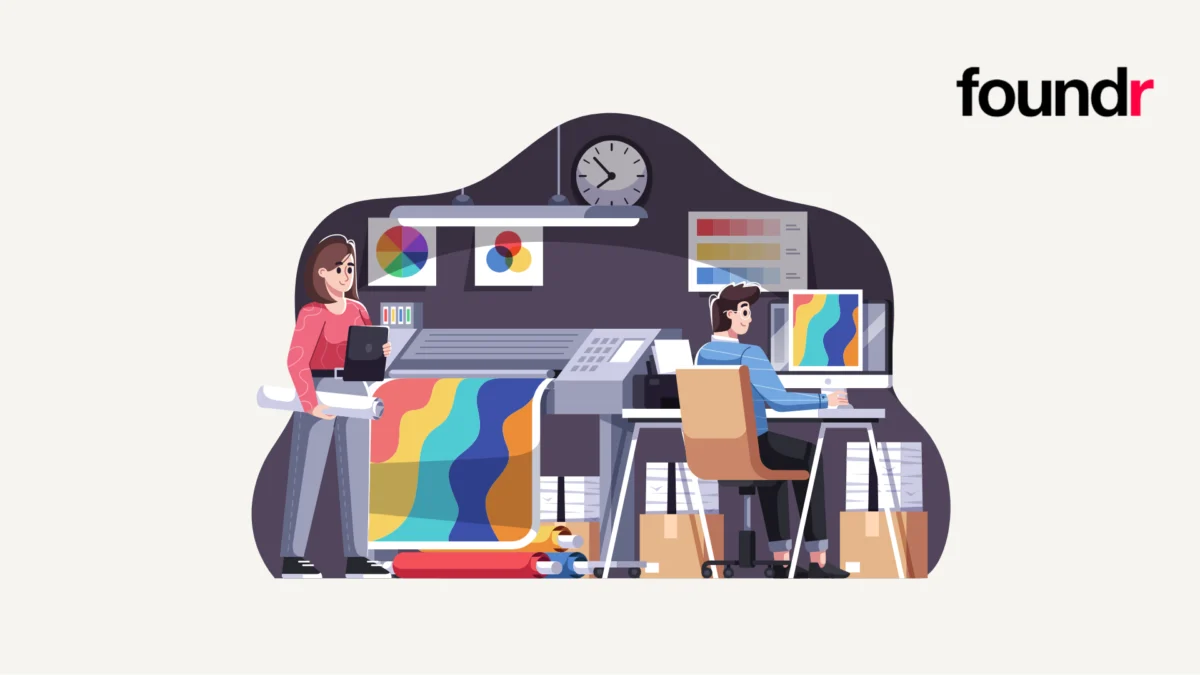
Introduction: Navigating Modern E-Commerce Supply Chains
In the fast-paced world of digital entrepreneurship, aspiring founders are constantly searching for frictionless ways to bring their creative visions to market. Traditional retail and manufacturing models often demand massive upfront capital, complex warehousing logistics, and significant financial risk through bulk inventory purchases. For a bootstrapped startup or a solo creator looking to test the waters, these traditional barriers to entry can quickly halt a business before it even launches.
Enter the print-on-demand (POD) business model—a paradigm shift that has democratized retail. At the forefront of this movement is Printful, a global industry leader that allows entrepreneurs to design, market, and sell custom merchandise without ever touching a shipping box or holding physical inventory.
Whether you are seeking a reliable solution to ongoing supply chain bottlenecks or evaluating whether print-on-demand aligns with your long-term business strategy, understanding the mechanics of platforms like Printful is essential. This comprehensive guide explores what Printful is, its core operational benefits, its inherent limitations, and how modern founders can leverage it to build resilient e-commerce empires.
Part 1: Main Facts – What Is Printful and How Does It Work?
At its core, Printful is an advanced print-on-demand and dropshipping service. It bridges the gap between digital creators and physical manufacturing by automating the production and fulfillment process.
When a customer visits your online store—whether hosted on Shopify, Etsy, Amazon, or WooCommerce—and purchases a custom-designed item, the order details are automatically routed to Printful. Printful then prints, packages, and ships the product directly to the end consumer under your brand’s name.
Key Operational Mechanics
- Zero Inventory Requirement: Founders do not need to buy bulk quantities of t-shirts, mugs, or hoodies in advance. Products are created strictly on a per-order basis.
- Built-In Design Tools: Unlike many competing POD platforms that require external software for mockups, Printful features an intuitive, built-in design generator. It provides real-time layout recommendations and templates to help users visualize their products.
- White-Label Branding: The customer receives a package featuring your custom branding, custom packing slips, and labels. Printful remains entirely behind the scenes.
- Global Fulfillment Network: With printing facilities spanning the United States, Canada, Europe, and strategic international partner locations, brands can scale internationally with localized shipping speeds.
Part 2: Chronology – The Evolution of Print-on-Demand and Printful’s Rise
To truly appreciate Printful’s current market dominance, it is helpful to examine the historical trajectory of the custom merchandise industry and how digital infrastructure evolved to support it.

The Era of Traditional Screen Printing (Pre-2010s)
- High Barriers to Entry: Historically, launching a merchandise line meant working with local screen printers who required strict Minimum Order Quantities (MOQs)—often 50 to 100 units per design and colorway.
- Financial Risk: Founders were forced to guess sizes, colors, and total demand. Leftover inventory often ended up collecting dust in garages or being sold at steep clearance losses.
- Fulfillment Bottlenecks: Store owners had to manually process orders, pack boxes, purchase postage, and drive to local post offices daily.
The Rise of Digital DTG and API Integration (2010s–2020)
- Direct-to-Garment (DTG) Technology: Advances in digital printing technology made it economically viable to print single, full-color garments with photographic detail, eliminating the need for expensive silk-screen setups.
- API Development: E-commerce platforms like Shopify and marketplaces like Etsy developed robust Application Programming Interfaces (APIs). Tech-forward entrepreneurs realized these systems could talk to manufacturing software, giving birth to automated dropshipping hubs like Printful.
The Modern Era of Intelligent E-Commerce (2021–Present)
- AI-Assisted Design and Scalability: Today, Printful integrates machine learning and advanced mockup generators to streamline the creative process.
- Omnichannel Expansion: Modern brands no longer rely on a single storefront. Printful expanded its ecosystem to support simultaneous multichannel selling across Amazon, eBay, TikTok Shop, Squarespace, and more, allowing founders to meet customers wherever they shop.
Part 3: Supporting Data – The Financials and Logistics of Printful
When analyzing the viability of a Printful-powered business model, looking at the hard data regarding costs, margins, and operational efficiency provides vital clarity for founders.
Cost Structure and Financial Metrics
- Upfront Costs: $0. Printful operates on a pay-per-sale model. There are no monthly subscription fees for standard accounts, no setup costs, and no mandatory inventory purchases. You only pay for the base product and fulfillment costs after a customer has paid you retail price.
- Profit Margins: Because items are manufactured individually rather than in bulk, the base cost per unit is higher than wholesale manufacturing. Industry data shows that print-on-demand profit margins typically range between 15% to 30%, compared to 50% or higher for bulk-ordered inventory.
- Fulfillment Speed: Printful’s automated routing ensures that the average fulfillment time ranges from 2 to 5 business days for most apparel items, keeping customer satisfaction high despite the made-to-order nature of the business.
Popular Product Categories
Data from leading e-commerce communities highlights the top-performing categories within the Printful ecosystem:
- Apparel: T-shirts, hoodies, sweatshirts, and embroidered hats remain perennial bestsellers due to high consumer demand.
- Home & Living: Custom ceramic mugs, canvas wall art, throw pillows, and eco-friendly tote bags offer excellent cross-selling opportunities.
- Accessories: Phone cases, laptop sleeves, and specialized tech accessories cater to niche enthusiast communities.
Part 4: Official Responses & Industry Perspectives
Industry experts, e-commerce veterans, and business strategists have long debated the strengths and limitations of the print-on-demand model. Here is an overview of official perspectives from experienced founders and operational analysts.
The Pro-Founder Perspective: Agility and Risk Mitigation
E-commerce accelerators and startup mentors frequently recommend Printful as a launching pad for new brands. The prevailing consensus is that eliminating financial risk allows creative entrepreneurs to focus entirely on marketing, community building, and brand identity.
"If you want to validate a brand concept without burning through your life savings, print-on-demand is unmatched," notes a leading startup growth strategist. "You can test ten different design concepts in a week. The two that resonate with an audience can stay; the rest cost you nothing to abandon."
The Pragmatic Warning: Margin Compression and Quality Control
Conversely, veteran supply chain executives warn that relying indefinitely on POD models can stunt long-term corporate growth.
- The Margin Trap: As brands scale and demand predictable, high-volume sales, staying on a POD platform can compress profit margins. Analysts recommend transitioning successful designs to traditional bulk wholesalers or third-party logistics (3PL) warehouses after 18 to 24 months of proven market demand.
- The Accountability Gap: Because manufacturing is outsourced to Printful, store owners do not have physical oversight of every single item leaving the warehouse. While rare, printing errors or shipping delays impact the storefront’s reputation directly, placing customer service burden squarely on the founder.
Part 5: Implications – Is Printful Right for Your Startup in 2025?
As the digital marketplace grows increasingly competitive, what does the integration of Printful mean for the future of your business? The implications span across financial planning, brand sustainability, and operational strategy.
Strategic Roadmap for New Entrepreneurs
- The Validation Phase (Months 1–12): Utilize Printful’s zero-inventory model to experiment with niche markets, test ad creatives, and build a dedicated social media following. Keep your risk near zero while you discover what your audience actually wants to buy.
- The Growth Phase (Months 12–24): Once you establish consistent sales velocity and identify your "hero" products, optimize your pricing strategy to account for shipping fluctuations and ad spend.
- The Transition Phase (Year 2 and Beyond): For your top-performing products, calculate the financial viability of ordering in bulk from a traditional wholesaler. Transitioning these high-volume items to a bulk model will drastically improve your profit margins while retaining Printful for experimental or low-volume designs.
Conclusion: Taking the First Step
Printful remains one of the most powerful, risk-free gateways into the e-commerce ecosystem. By removing the traditional hurdles of warehousing, manufacturing, and fulfillment, it empowers modern creators to focus on what matters most: building authentic connections with their customers and scaling a memorable brand.
Frequently Asked Questions About Printful
Can you create custom products with Printful?
Yes, you can create custom products with Printful. The platform features an easy-to-use mockup generator that lets you design and sell a wide range of items—including t-shirts, hoodies, mugs, and phone cases—using your own artwork, logos, or typography.
Is Printful free to use?
Yes, Printful is completely free to set up and use. There are no monthly subscription fees, setup costs, or minimum order requirements. You are only charged for the item and its fulfillment when a customer successfully completes a purchase on your store.
Who pays for shipping on Printful?
The end customer typically covers the shipping costs. As the store owner, you set your own retail prices and can either factor shipping fees directly into your product pricing or charge a separate flat rate at checkout. Printful charges you their wholesale shipping rate, and the difference is yours to manage.
What is the minimum order requirement for Printful?
There are zero minimum order requirements on Printful. You can manufacture and fulfill orders strictly on a one-by-one basis, making the platform exceptionally friendly for startups, independent creators, and businesses testing experimental design concepts.