In the high-stakes world of B2B SaaS, the "Request a Demo" button is often treated as the ultimate trophy. Marketing teams spend thousands of dollars in ad spend to drive traffic to these pages, only to be met with frustratingly low conversion rates. When the leads don’t come, the immediate reflex is to blame the landing page: Maybe the headline isn’t punchy enough? Perhaps the button color is wrong? Should we shorten the form?
However, according to industry experts and recent benchmark reports, the problem rarely lies within the pixels of the page itself. The crisis is one of strategy, timing, and an fundamental misunderstanding of the modern buyer’s journey.
The Anatomy of the Conversion Crisis
The B2B buying cycle has become significantly more complex. Recent data from Dreamdata’s 2025 LinkedIn Ads Benchmark Report reveals a staggering reality: the average B2B customer journey now spans 211 days and requires 88 distinct touchpoints.
In this context, treating a "Request a Demo" call-to-action (CTA) as a low-friction request is a critical error. Asking a prospect to commit to a sales conversation is a high-stakes decision. It requires the buyer to relinquish their anonymity, share personal contact information, and enter a potentially high-pressure environment. If a prospect hasn’t built enough trust or completed their initial research, they will simply bounce.
Most SaaS teams are attempting to move prospects from "awareness" to "demo" in a single leap. By ignoring the necessary intermediate steps of education and trust-building, they are essentially asking for a marriage proposal on a first date.
Chronology of a Failed Conversion
To understand why your demo landing page is underperforming, it helps to map the typical, albeit broken, path of a prospect:
- The Cold Introduction: A prospect clicks a generic ad and lands on a "Request a Demo" page without having ever interacted with your brand.
- The Friction Barrier: The visitor encounters a long form, no clear information on what the demo entails, and zero social proof.
- The Hesitation: The prospect wonders, "Will this be a high-pressure sales call? What is the product price? Is this actually the right solution for my specific problem?"
- The Abandonment: Unable to find these answers, the prospect hits the "Back" button to return to search, effectively ending their journey with your company.
This cycle is often exacerbated by a lack of coordination between sales and marketing. Marketing drives the volume, but if the traffic is "cold," the sales team complains about lead quality. The cycle then repeats, with marketing doubling down on the same ineffective strategy.
Supporting Data: Benchmarks and Realities
The numbers provide a sobering look at what constitutes "success." According to Unbounce’s 2024 Conversion Benchmark Report, the median conversion rate for SaaS landing pages sits at 3.8%. Landing page expert Tas Bober, who has spent years optimizing these funnels, places the realistic benchmark for high-intent demo pages at approximately 3.1%.
These figures are not abysmal; they are indicators that a "request a demo" page is a niche destination, not a mass-market landing page. When you consider that only 3% to 5% of your total addressable market is in an active buying cycle, it becomes clear that your demo page should receive less, but much higher-quality, traffic.
Furthermore, form length is a major pivot point. Data from 2026 indicates that conversion rates plummet significantly once a form exceeds five fields. If you are asking for job title, company size, phone number, industry, and a "how did you hear about us" field, you are actively filtering out legitimate buyers who simply don’t have the time or interest to fill out a survey.

The "Core Four" Framework: A New Approach
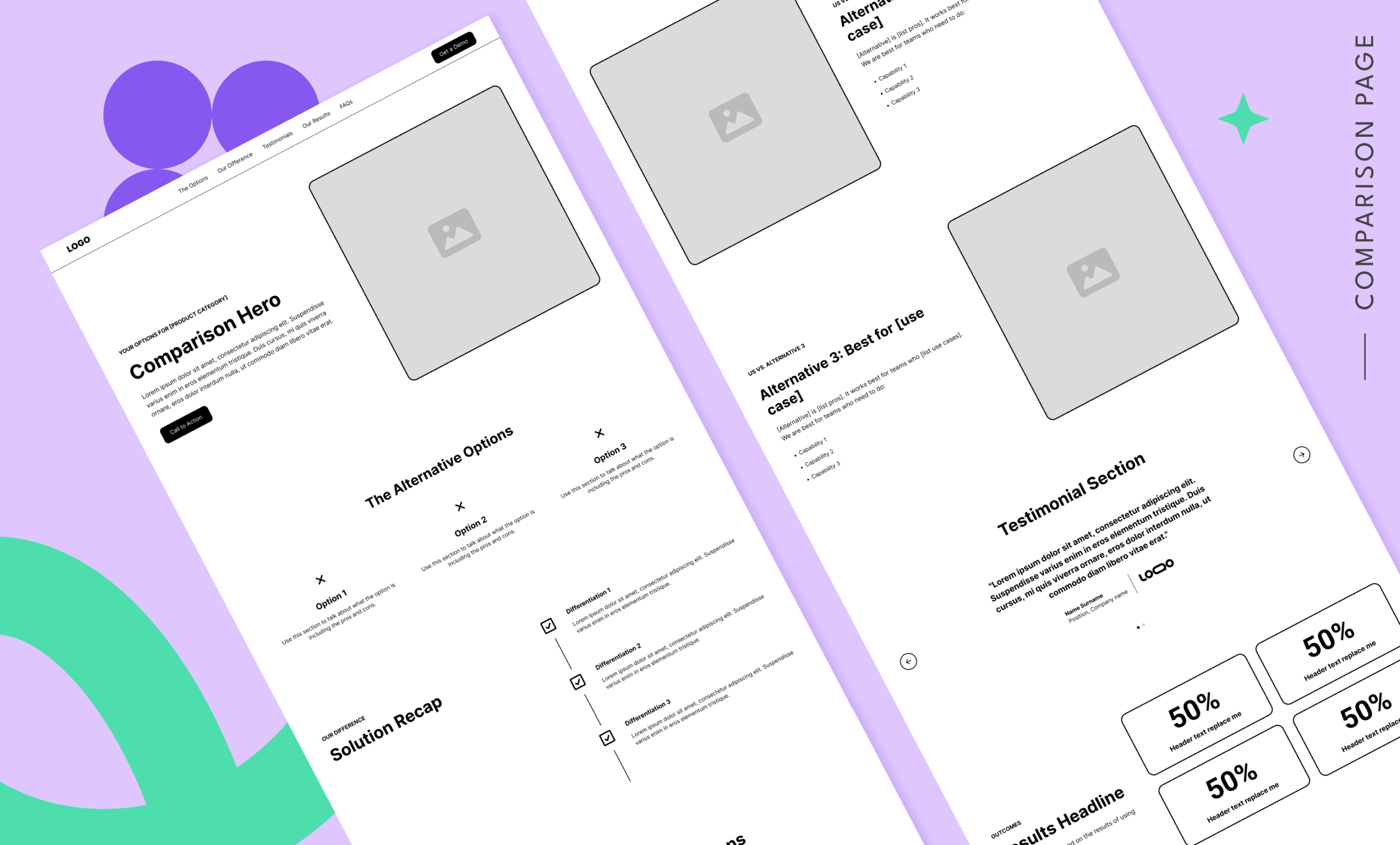
To stop the hemorrhage of ad spend, marketers are increasingly adopting the "Core Four" framework. This strategy dictates that a demo landing page should never be the first interaction a buyer has with your brand.
Instead, the buyer should progress through a sequence of pages designed to educate:
- The Problem-Aware Page: A top-of-funnel (TOFU) page that addresses the pain point without pushing a product.
- The Solution Page: Explaining how your specific category solves that problem.
- The Comparison/Validation Page: Proving why you are better than the alternatives.
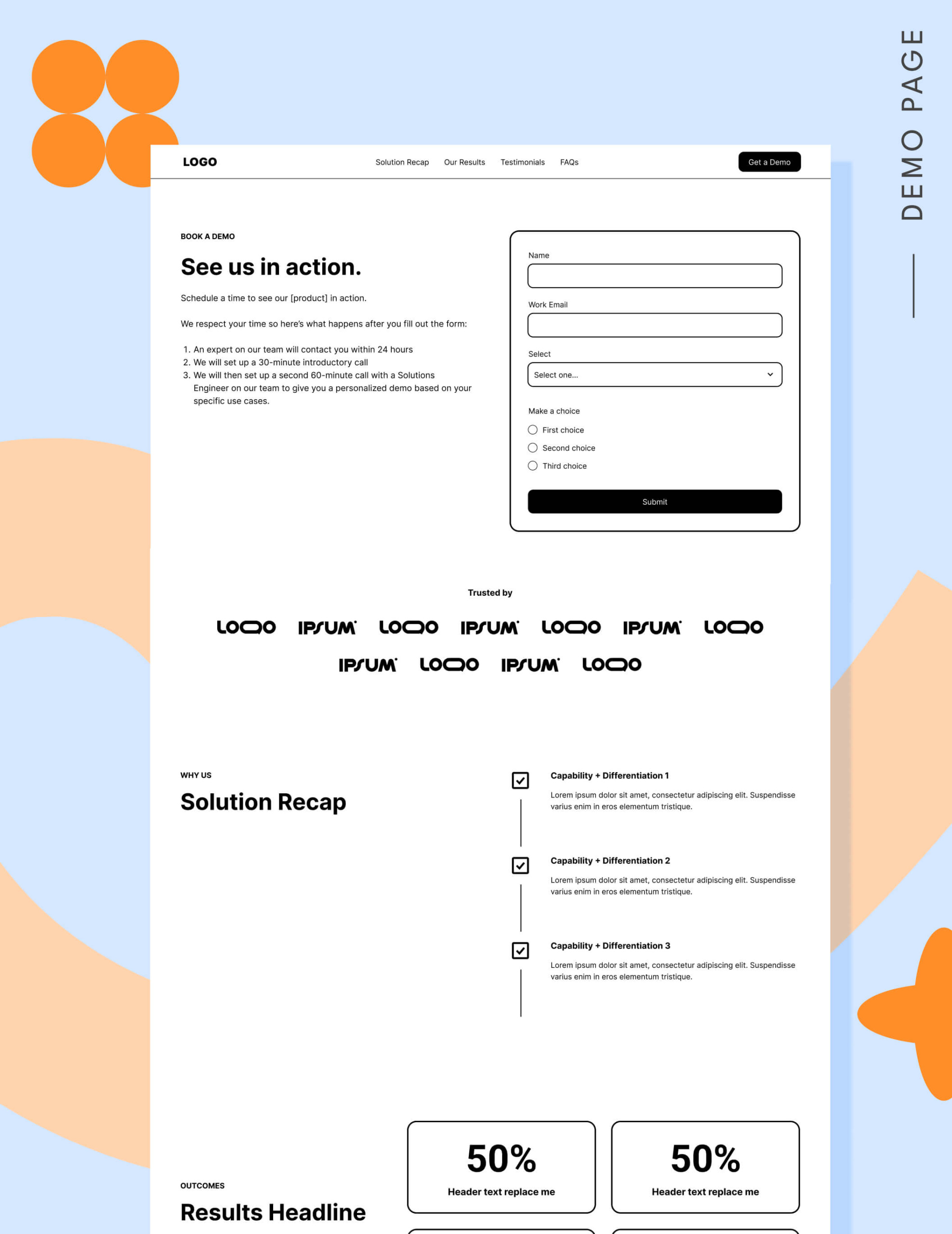
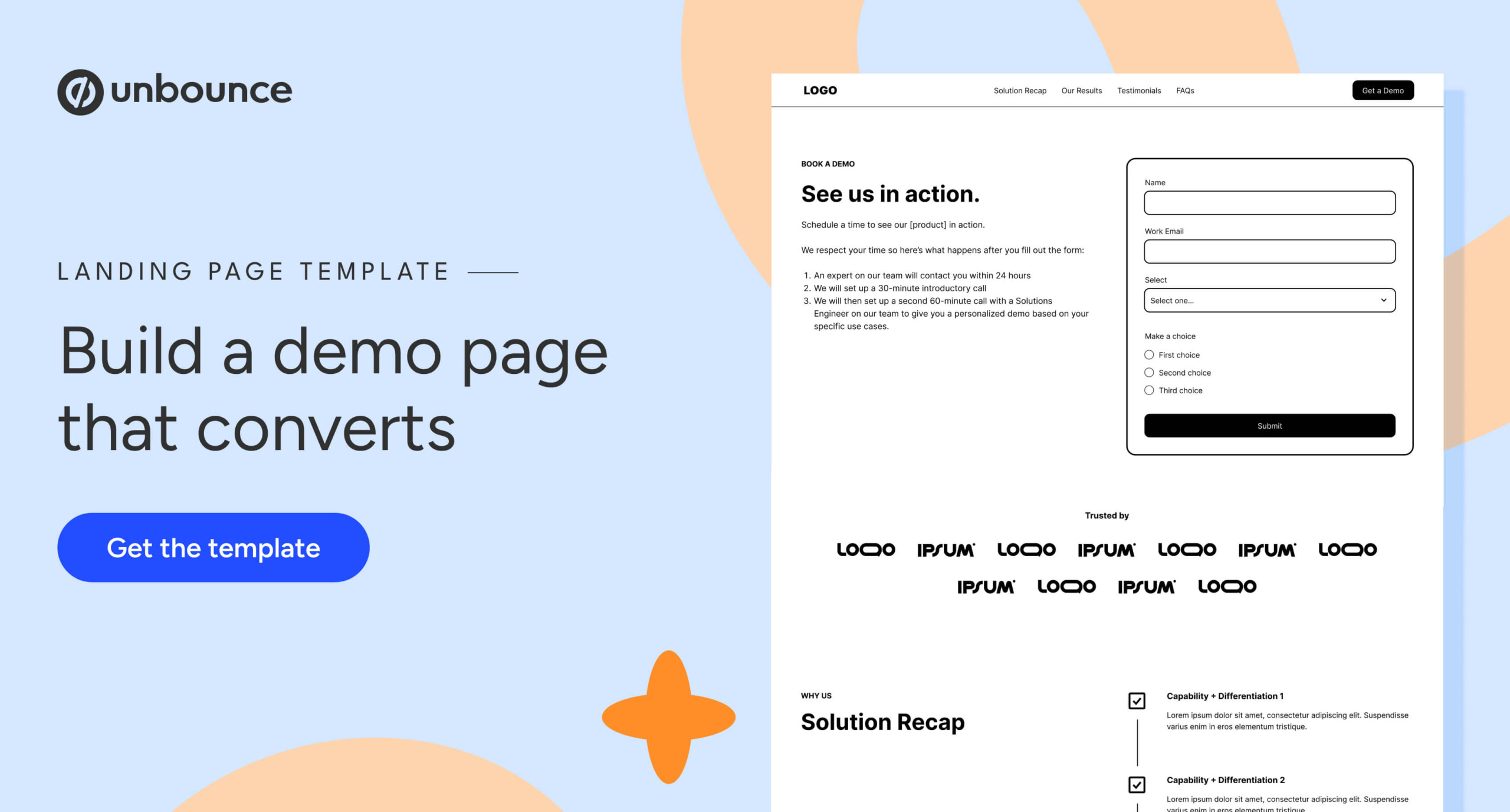
- The Demo Page: The final step, reserved for the "warm" prospect who is ready to buy.
By the time a prospect hits the demo page in this framework, they already understand the value proposition. The page’s purpose shifts from educating to confirming that they are making the right choice.
Official Best Practices: Building a High-Converting Page
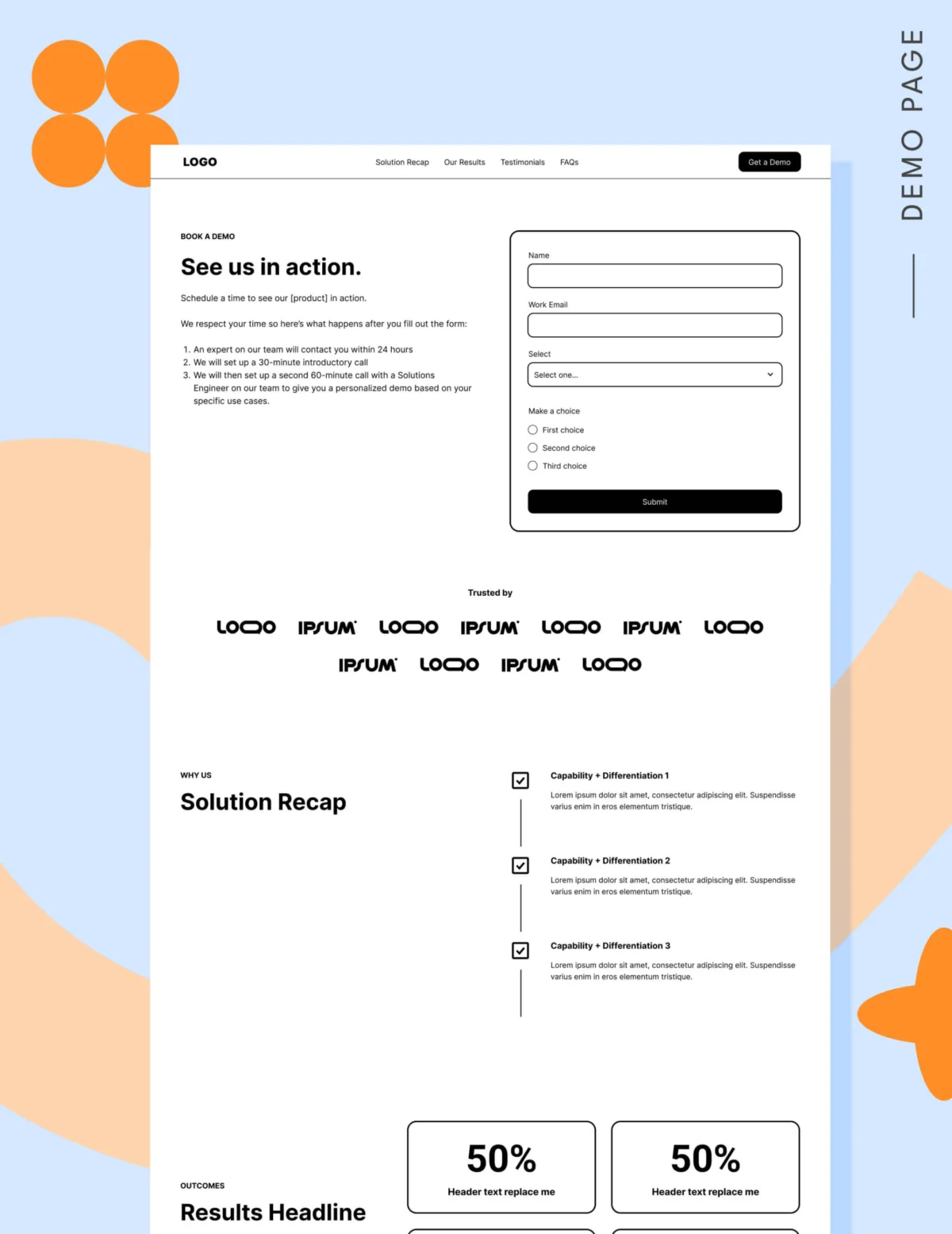
If your traffic is warm, your page must be optimized to remove the final points of friction. Here is the block-by-block requirement for a successful demo landing page:
1. Strategic Navigation
While old-school marketing doctrine suggests removing all navigation to prevent exit points, modern search engines (specifically Google) now reward pages that provide helpful, relevant next steps. Use an "anchor link" navigation that allows users to jump to specific sections, and keep a footer that links to your other "Core Four" pages to keep the buyer within your ecosystem.
2. The Hero Section
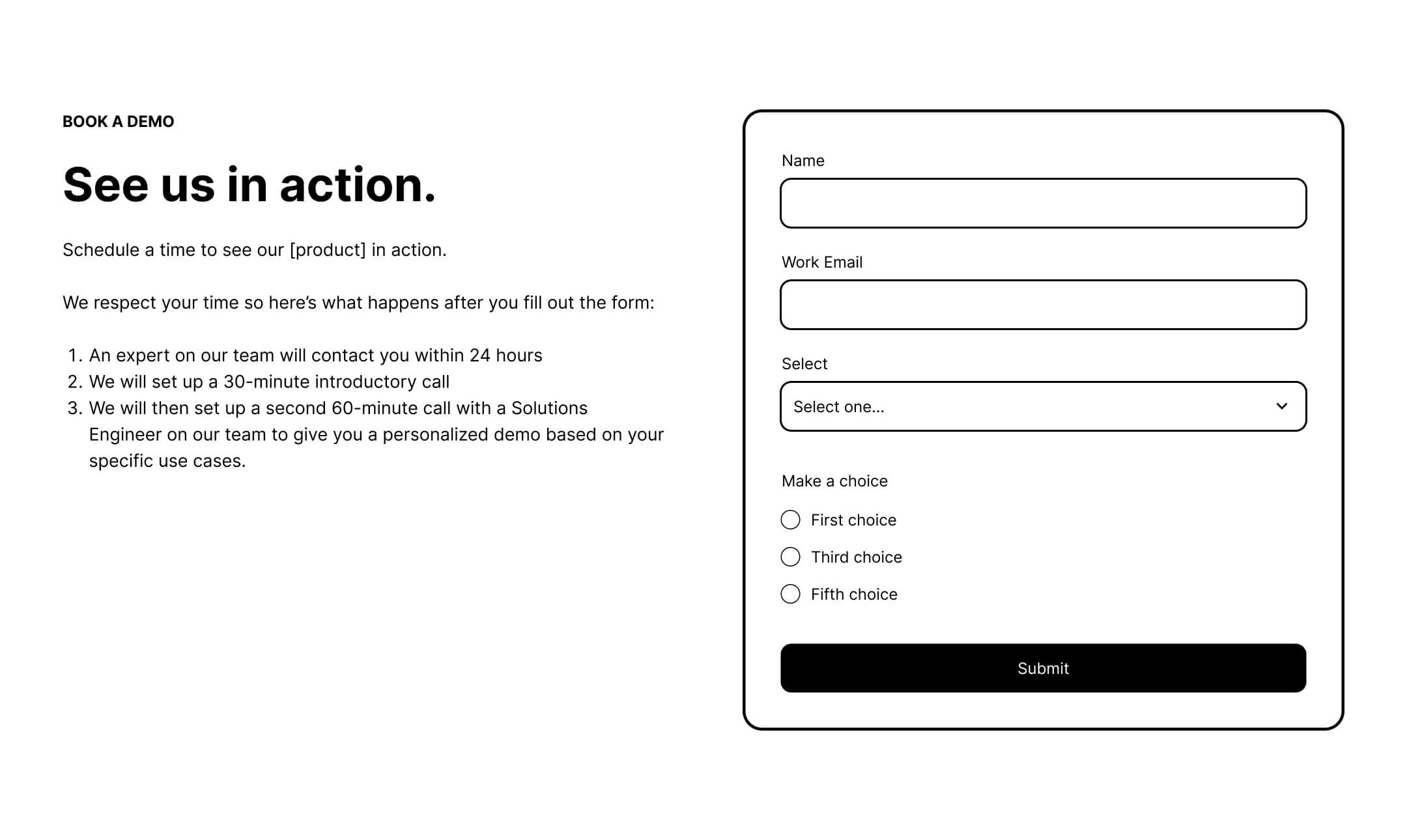
The hero section must be crystal clear. Include the form here, as the visitor has come specifically to book a meeting. Most importantly, clearly state what happens next. Use language like "Schedule your 20-minute product consultation" rather than the vague "Request a demo."
3. The "Logo Garden" and Social Proof
If your target audience recognizes the brands you work with, a logo garden is essential. If they don’t, use short, punchy testimonials that highlight specific results—not just generic praise. Volume matters; aim for six to 12 testimonials to build a sense of consensus and reduced risk.
4. Pricing Transparency
The fear of showing pricing is often unfounded. Even a "starting at" range or a condensed pricing grid can significantly improve lead quality. It self-qualifies the lead; if a prospect can’t afford your base tier, you have saved your sales team a wasted conversation.
5. Managing the "What Happens Next" Fear
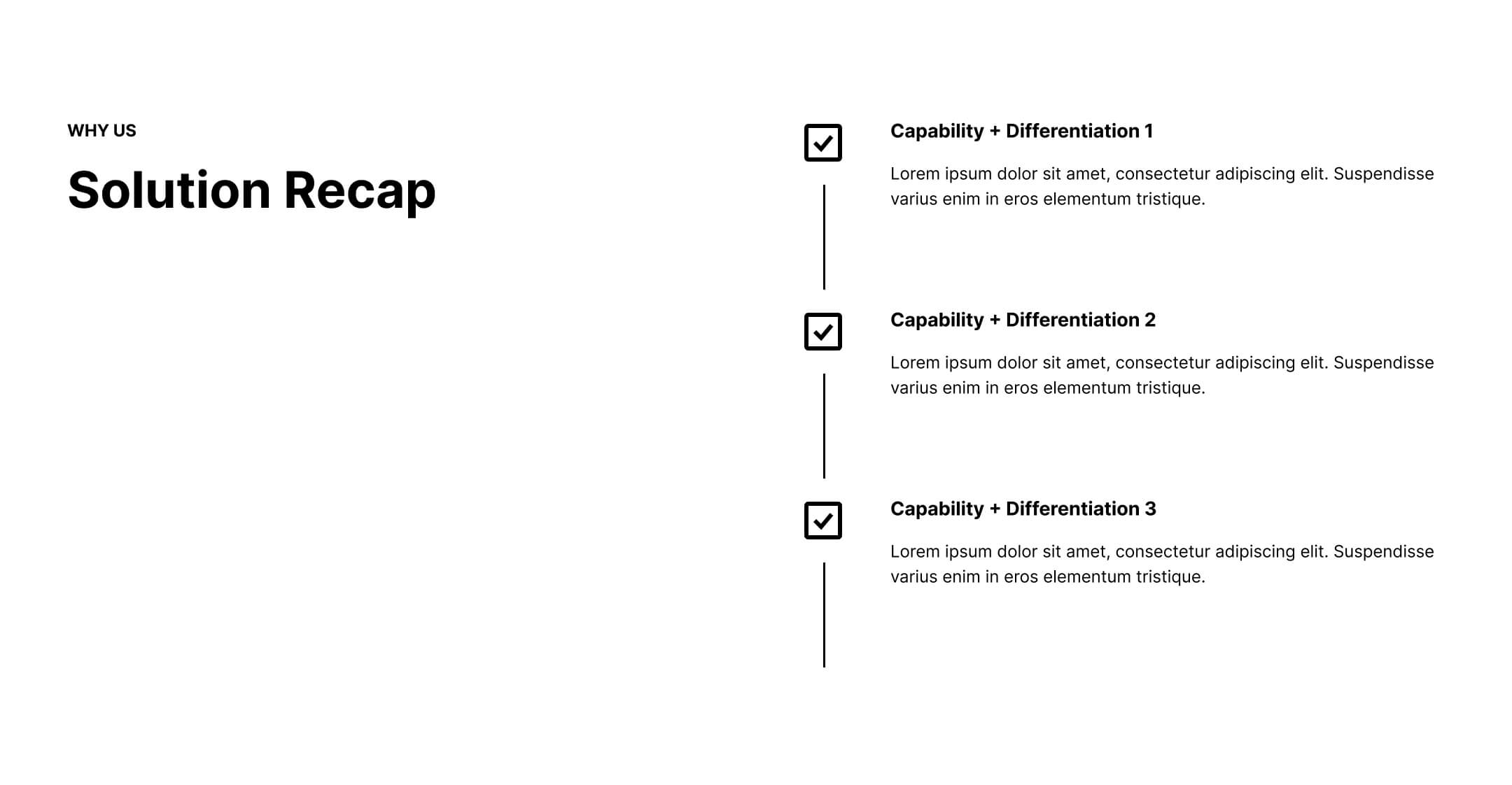
Prospects fear the "sales onslaught." Use your copy to reassure them. Explain that the demo is a consultation, not a high-pressure sales pitch. If your process involves an initial discovery call, be transparent about it. It builds trust and sets expectations.
Implications for the Future of SaaS Sales
The shift in B2B marketing is moving away from volume and toward "high-intent, low-friction" interactions. The implications for companies are clear:
- Sales-Marketing Alignment: Marketing can no longer be judged on lead volume alone. The focus must shift to "Sales Qualified Lead" (SQL) conversion, which requires a shared understanding of the buyer journey.
- The Rise of Product-Led Growth (PLG) Tactics: We are seeing a move toward interactive demos (like those provided by tools such as Navattic) where prospects can explore the product before ever talking to a human. This significantly reduces the friction of the "Request a Demo" step.
- Content as a Filter: By providing high-quality educational content earlier in the journey, you naturally filter out tire-kickers. The only people who end up on your demo page are those who have already decided they need a solution like yours.
Conclusion
The "Request a Demo" page is not a magic bullet. It is the final, delicate stage of a long and complex courtship between a brand and a buyer. When these pages fail, the solution is rarely a minor tweak to the font size or button color. It is a fundamental audit of the traffic being sent and the information provided.
By ensuring that only well-researched, "warm" prospects reach this stage, and by building the page to provide clarity, proof, and peace of mind, you can stop the cycle of frustration. Stop trying to force a conversion from a stranger, and start building a bridge for the buyer who is ready to say "yes."