In the modern digital landscape, the quest for growth is synonymous with the quest for leads. More leads represent more than just numbers on a dashboard; they signify potential customers, predictable revenue, and a sustainable competitive advantage. However, for many marketing teams and agency founders, the sheer volume of available channels can feel paralyzing. Where should you focus your limited time and budget to see the highest return on investment?
Whether you are a startup founder looking for your first ten clients or a CMO refining a global acquisition strategy, the principles of lead generation remain grounded in one core concept: delivering the right value to the right person at the precise moment they are ready to engage.
Understanding the Lead Generation Ecosystem
Lead generation is the foundational architecture of your sales funnel. It is the process of attracting prospects and nurturing their interest until they reach a point where they are ready to make a purchase decision. While the methods are vast, they generally fall into two primary categories: Inbound and Outbound.

Inbound vs. Outbound: Finding the Strategic Balance
- Inbound Marketing: This approach centers on "earning" the attention of potential customers. Through high-quality blog posts, search engine optimization (SEO), and engaging social media content, you pull prospects toward your brand. The primary advantage here is the long-term compounding nature of the content; however, the disadvantage is that it is a slow-burn strategy that requires significant patience and consistent effort.
- Outbound Marketing: This involves taking the initiative to reach out directly to your target audience. Techniques like cold email outreach, paid advertising, and telemarketing are hallmarks of this category. The main advantage is speed—outbound can generate immediate momentum. The downside, however, is that it is often more resource-intensive and requires high precision to avoid being flagged as spam.
The Verdict: The most successful organizations rarely choose one over the other. Instead, they build a hybrid engine where inbound marketing creates brand authority and trust, while outbound tactics provide the necessary "quick wins" to keep the sales pipeline healthy.
The Prerequisites of Success: Defining Your Market
Before you deploy a single ad or write a single word, you must define your "Who." Attempting to target "everyone" is a recipe for burning through your marketing budget with minimal conversion.
1. The Market: Start by identifying the total addressable market. What specific industry challenges do you solve? Is your solution aimed at enterprise-level organizations or small-to-medium businesses?

2. The Buyer: Move beyond demographics and into psychographics. What are their daily pain points? What tools are they already using? Who makes the final purchase decision in their company? By building a detailed buyer persona, you ensure that every subsequent tactic is aimed at a high-intent audience.
13 Strategies to Convert Visitors into Leads
Once your foundation is set, you can begin to activate these thirteen proven strategies to capture and convert your target market.
1. Conversion-Optimized Landing Pages
The landing page is the "home base" of your lead generation efforts. It is where traffic from your ads, social channels, and email campaigns converges. A conversion-optimized page minimizes distractions, utilizes persuasive copy, and features a frictionless form. By using drag-and-drop builders, even non-developers can create pages that emphasize a clear Value Proposition and a singular Call-to-Action (CTA).

2. Building an Inbound Content Marketing System
Content is the fuel for your inbound engine. By producing white papers, industry reports, or educational blog posts, you establish yourself as an authority. The secret is to ensure every piece of content has a "pathway" to conversion, such as a gated download or a newsletter sign-up, ensuring that educational traffic eventually feeds your database.
3. SEO-Driven Optimization
Search Engine Optimization ensures that you are discoverable when your prospects go looking for solutions. By targeting high-intent, long-tail keywords, you attract users who are already in the "consideration" phase of the buyer’s journey. This is a passive, high-ROI channel that continues to pay dividends long after the initial content is published.
4. Targeted Cold Email Outreach
Cold email remains one of the most effective ways to reach decision-makers directly. The key is "personalization at scale." Avoid mass-blasting generic templates. Instead, use intent-based signals—such as a prospect’s recent job change or a company’s new product launch—to craft a message that proves you have done your homework.

5. Popups and Sticky Bars
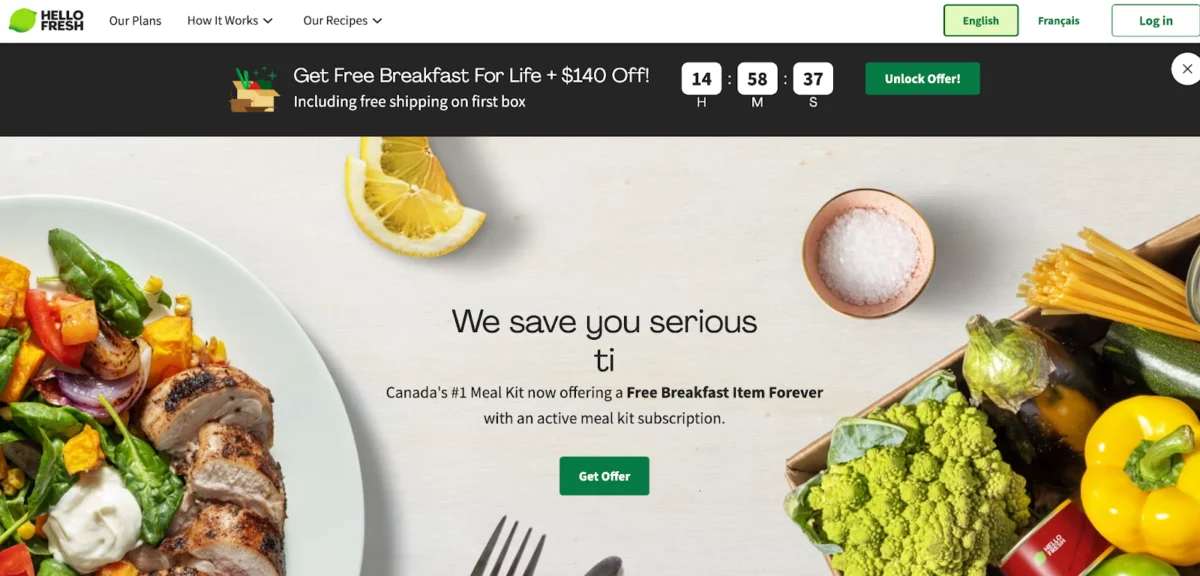
While often maligned for being intrusive, popups and sticky bars remain effective if used with intent. Use them for high-value offers, such as an industry template or a discount code, and trigger them based on user behavior (e.g., exit-intent or after a certain amount of scroll depth) to ensure they feel helpful rather than annoying.
6. Social Media Marketing
Social media is where your audience lives. Whether you utilize organic growth to build community or paid social to target specific segments, the goal remains the same: discovery. Given the current shift toward "discovery feeds" on platforms like TikTok and LinkedIn, your content needs to be inherently engaging and authentic to gain traction.
7. Pay-Per-Click (PPC) Advertising
PPC provides immediate visibility. By bidding on keywords where your audience is searching, you can leapfrog your competitors and capture high-intent leads instantly. When paired with a dedicated landing page, PPC acts as a precision tool to drive traffic exactly where you need it.

8. Webinars and Live Events
Live events provide a unique opportunity for high-touch engagement. The time investment required for a prospect to attend a 45-minute webinar is a massive signal of intent. This allows you to build rapport, answer questions in real-time, and demonstrate your product’s value in a deep, granular way.
9. Referral Programs
Word-of-mouth remains the gold standard of trust. By incentivizing your current, satisfied customers to refer their peers, you leverage the existing credibility of your brand. A simple, well-structured referral bonus can turn your user base into a high-performing extension of your sales team.
10. Influencer Partnerships
Influencer marketing has evolved beyond mega-celebrities. Today, "micro-influencers"—creators with smaller, highly dedicated followings in specific niches—can drive incredible results for B2B and B2C brands alike. Partnering with these voices provides immediate access to an engaged community that already trusts their recommendations.

11. Retargeting Campaigns
Most visitors won’t convert on their first visit. Retargeting allows you to stay top-of-mind by showing tailored ads to those who have previously interacted with your site. It is a vital safety net that captures "lost" leads and brings them back to complete their purchase.
12. Free Trials and Demos
The "Costco" approach—giving prospects a taste of the product—is highly effective. A free trial removes the barrier to entry, allowing the user to experience the "Aha!" moment of your product firsthand. Once they have integrated your tool into their workflow, the likelihood of converting to a paid plan increases exponentially.
13. Interactive Tools and Quizzes
People are naturally drawn to self-discovery. A well-crafted quiz (e.g., "Which Marketing Strategy Fits Your Business?") provides value to the user while gathering zero-party data for you. This allows you to segment your leads based on their quiz responses and deliver personalized follow-up content.

Implications for Future Growth
The landscape of lead generation is in a constant state of flux. While technology provides new levers—like AI-powered outreach or predictive lead scoring—the underlying psychology remains static. Prospects gravitate toward brands that solve their problems efficiently and transparently.
The Path Forward:
- Audit: Evaluate which of the 13 strategies align best with your current resources.
- Execute: Start with two or three methods. Do not attempt to master all 13 at once.
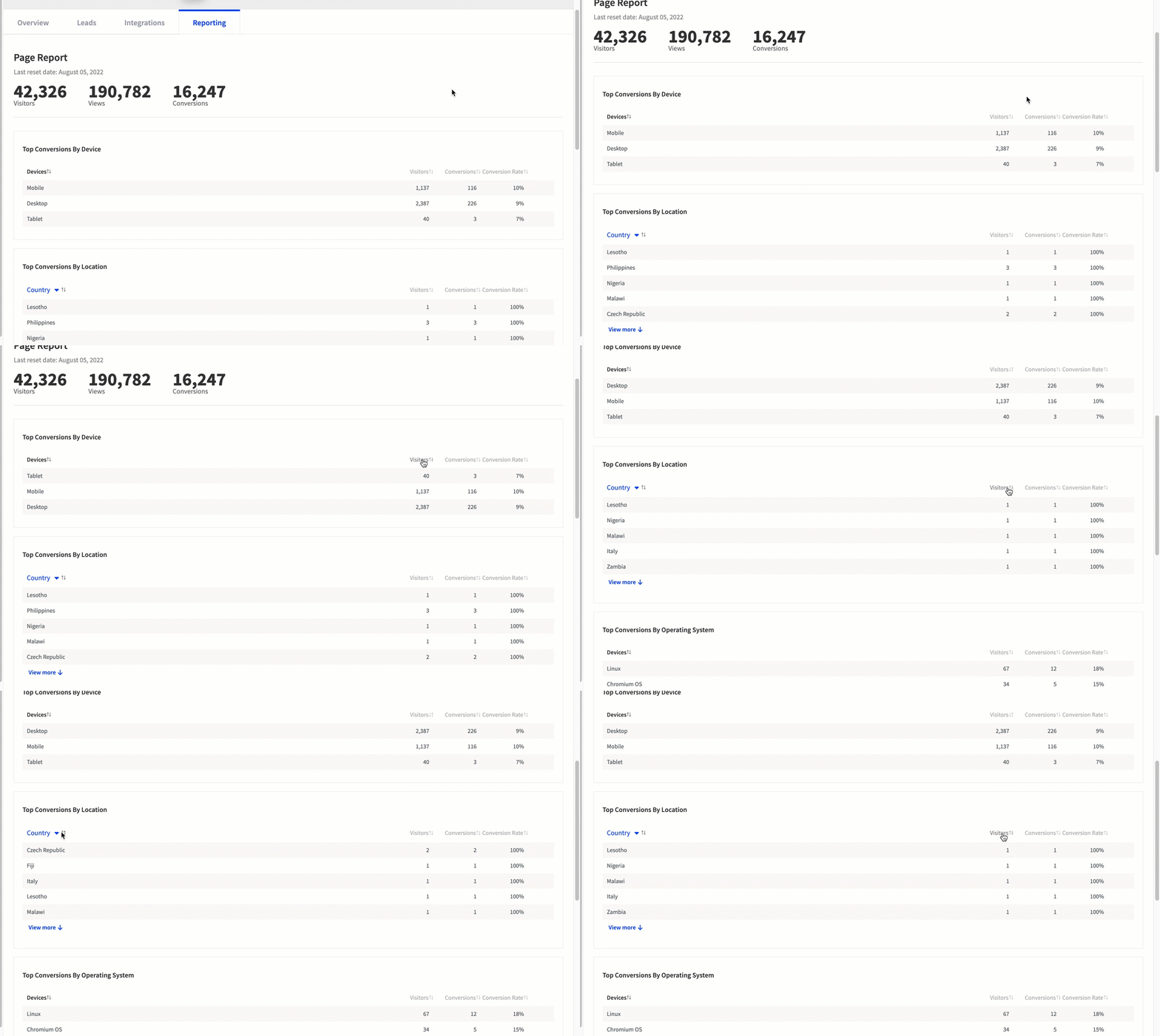
- Track: Implement robust tracking to monitor conversion rates, lead quality, and customer acquisition costs.
- Iterate: Use the data to double down on what works and cut what doesn’t.
In conclusion, effective lead generation is not a sprint; it is an iterative, data-driven discipline. By focusing on the "Who" before the "What" and choosing the tactics that resonate most with your unique audience, you can transform your marketing from a cost center into a powerful engine for sustainable revenue growth. The leads are out there—it is simply a matter of building the right bridge to reach them.