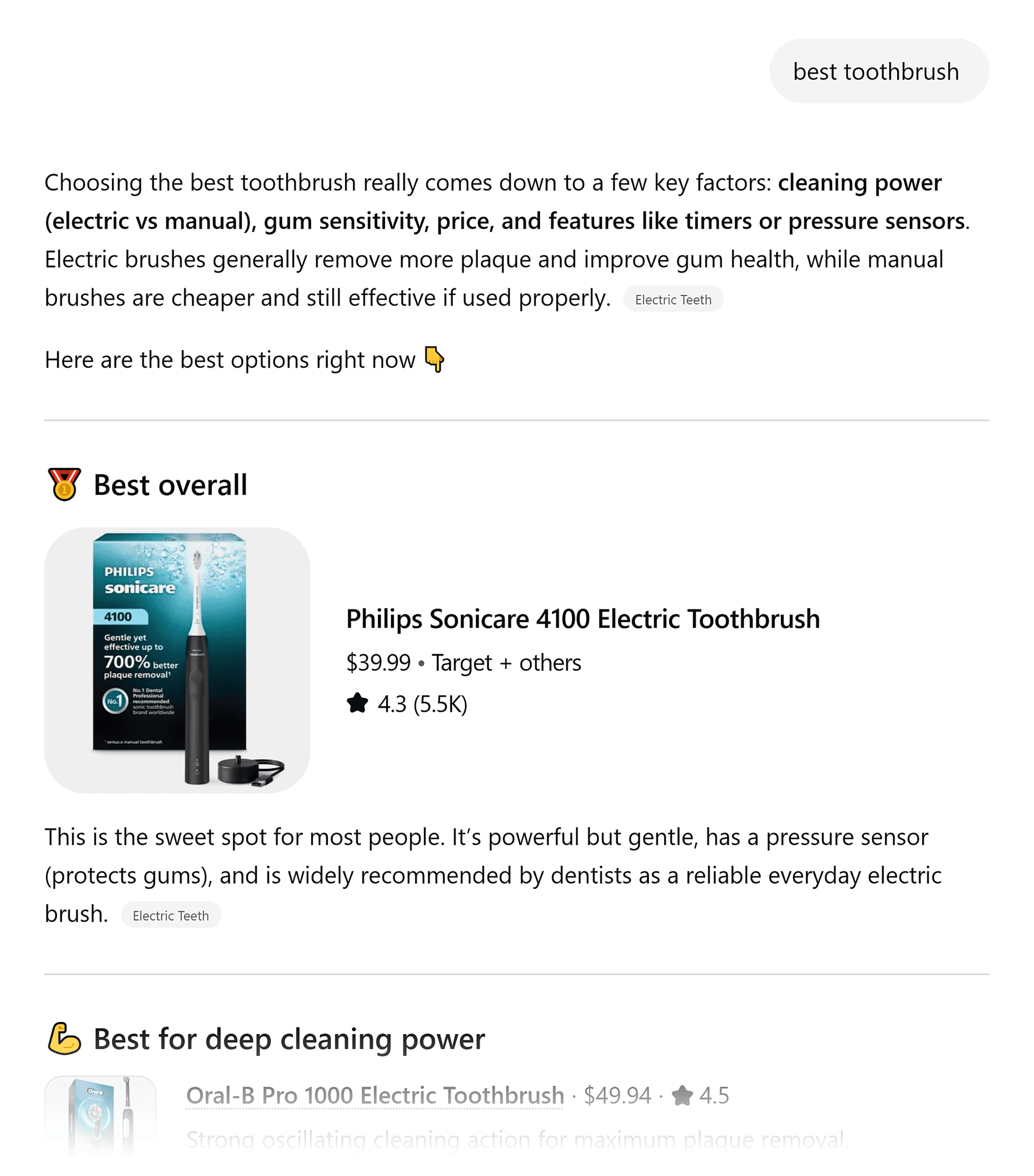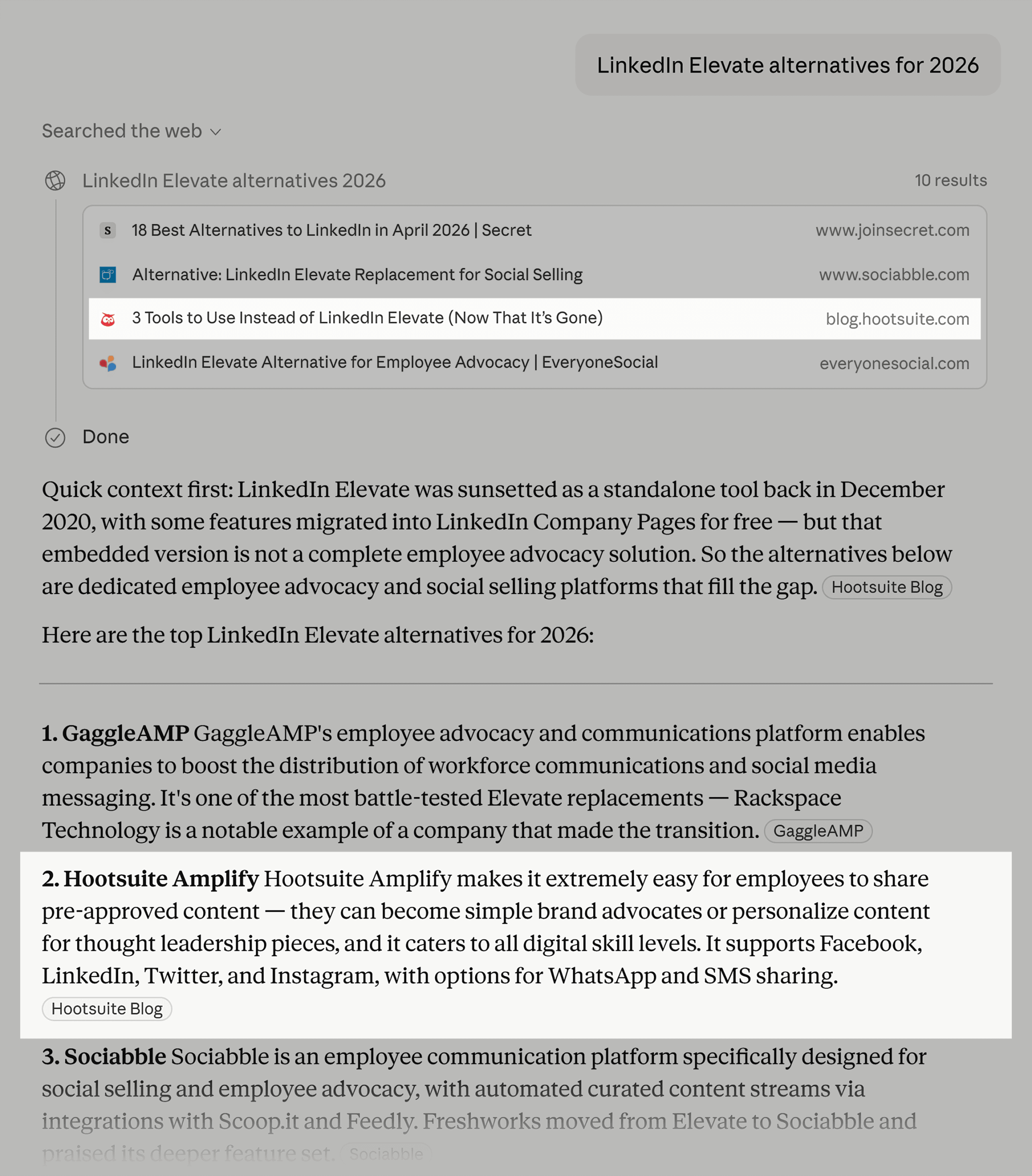
In the modern digital ecosystem, a company can possess an impeccably designed website, top-tier technical performance, and a seamless user experience, yet still remain completely invisible to prospective customers. As search engines evolve and artificial intelligence engines like ChatGPT and Claude take center stage in consumer discovery, visibility is no longer guaranteed by internal optimization alone.

Algorithms do not simply look at what a brand says about itself; they evaluate what the wider web says about the brand. From authoritative industry publications and niche subreddits to YouTube reviews and expert podcasts, third-party validation has become the definitive currency of modern digital authority.
Main Facts: The Shift from Keywords to Entities
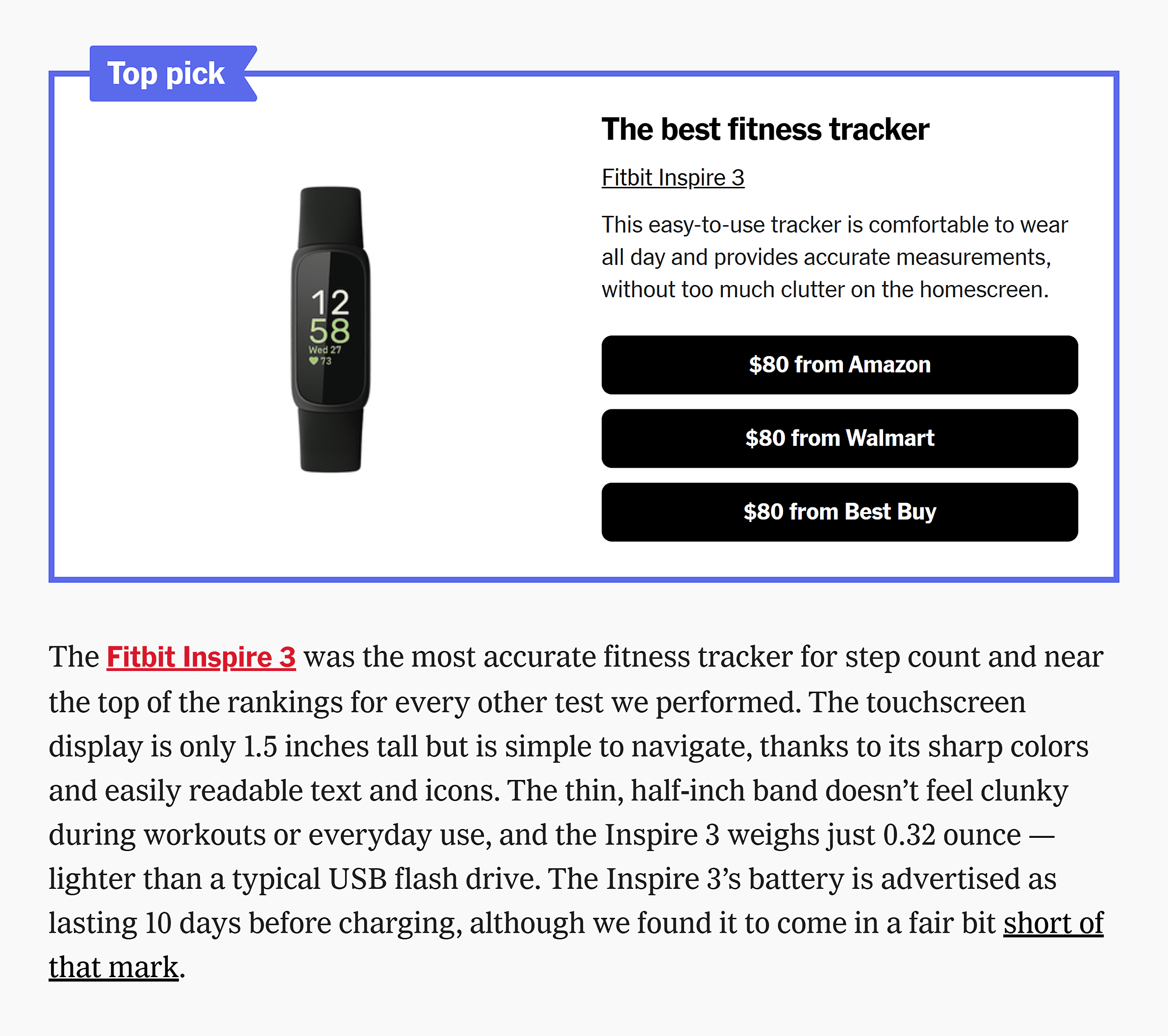
At its core, a brand mention is any third-party reference to a company, product, or executive across the online landscape. These references generally fall into two distinct categories:
- Linked Mentions: References that include a direct, clickable hyperlink routing users back to the brand’s domain. These pass authority (historically tracked as link equity) and drive immediate referral traffic.
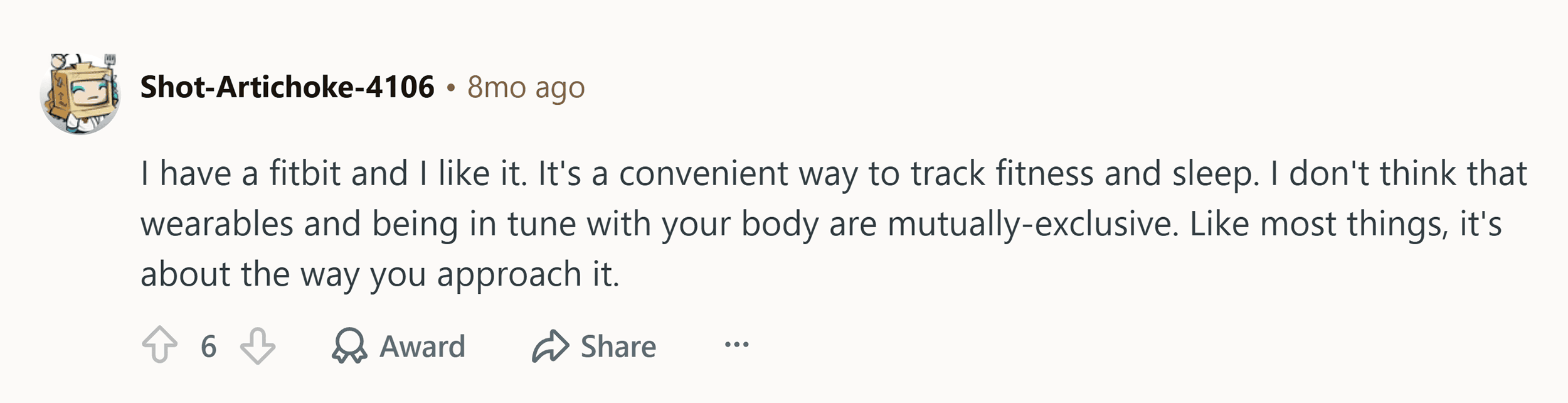
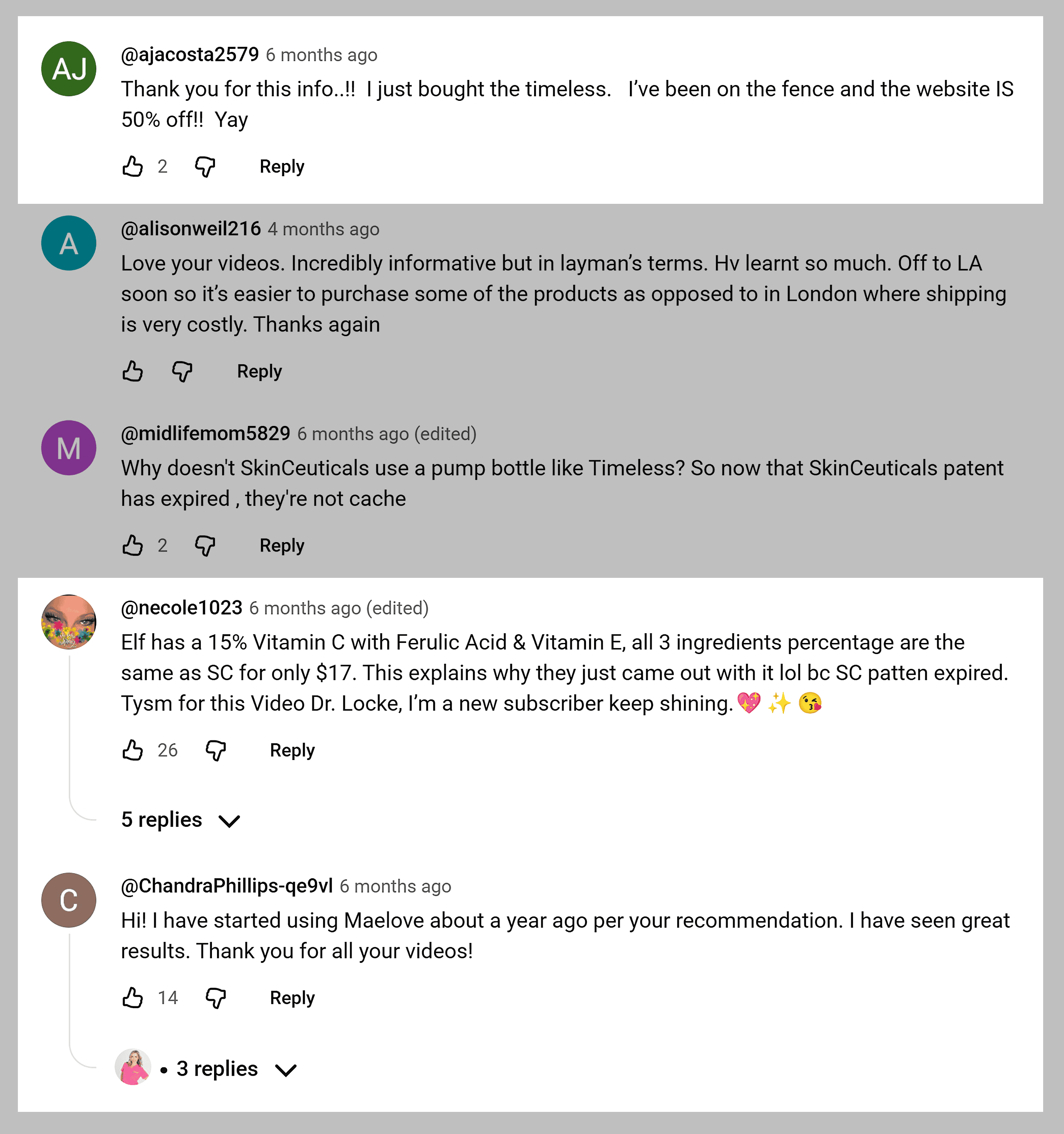
- Unlinked Mentions: References that name the brand or its products without an accompanying hyperlink (such as a discussion on Reddit or a passing mention in a video). While they do not drive direct referral traffic, they provide critical context for search engines and large language models (LLMs).
Web Mentions Versus LLM Mentions
A crucial distinction exists between traditional web mentions and AI search mentions. Web mentions are static; an article published in The New York Times or a review on a tech blog looks the same to every visitor.
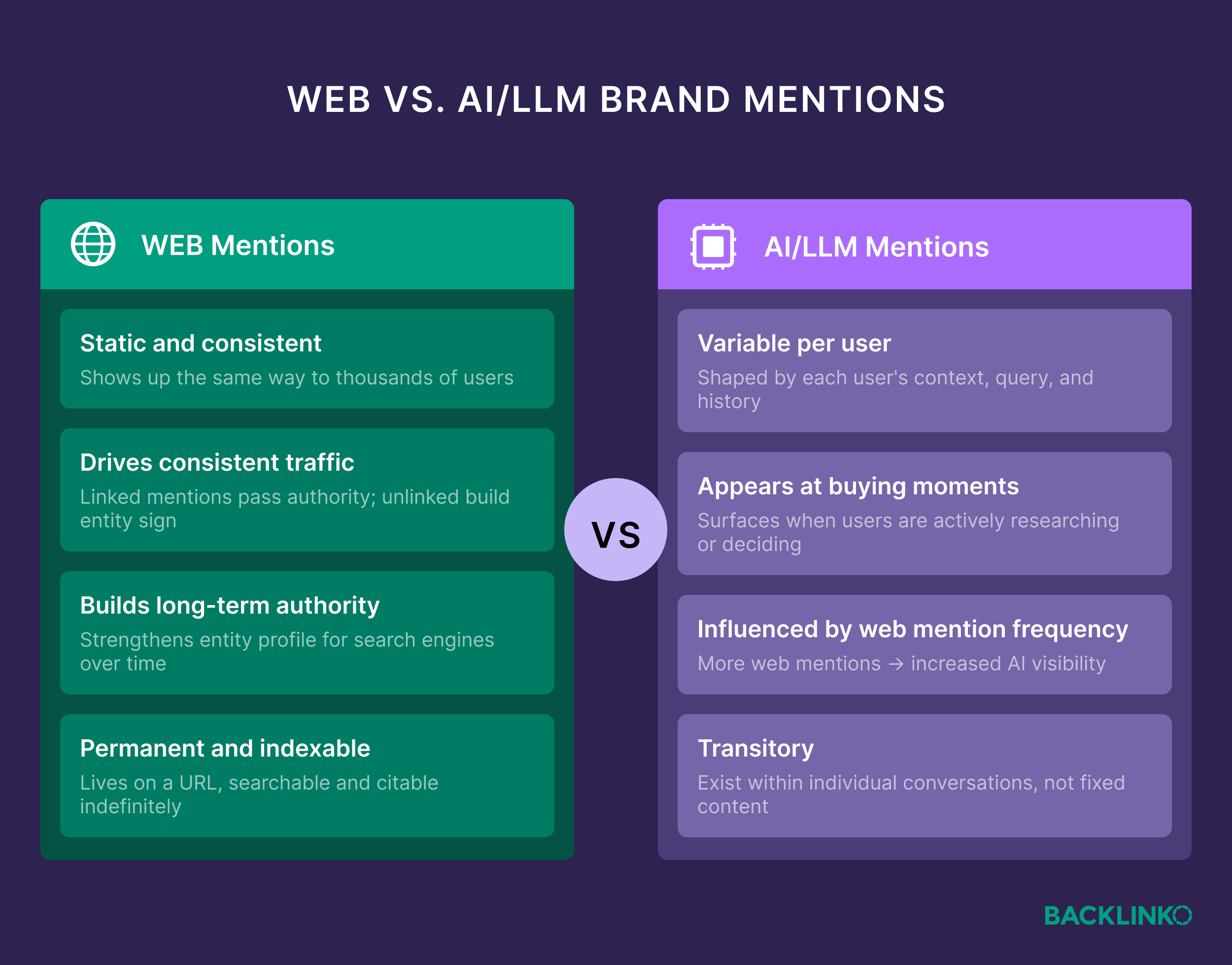
Conversely, brand mentions within LLM-generated responses are dynamic. They vary based on user context, prompt history, and retrieval-augmented generation (RAG) pipelines. However, LLMs do not synthesize recommendations out of a vacuum. When an AI tool recommends a product or service, it draws heavily upon the aggregated language, sentiment, and entity relationships established across trusted web sources.
Chronology: How Search Engines Learned to Trust the Crowd
The transition from keyword-driven search to entity-based understanding represents a multi-decade evolution in information retrieval:

- The Early Era (Late 1990s–2000s): Search engines relied primarily on exact-match keywords and rudimentary link counting. Backlinks were treated purely as votes of confidence, leading to rampant manipulation and web spam.
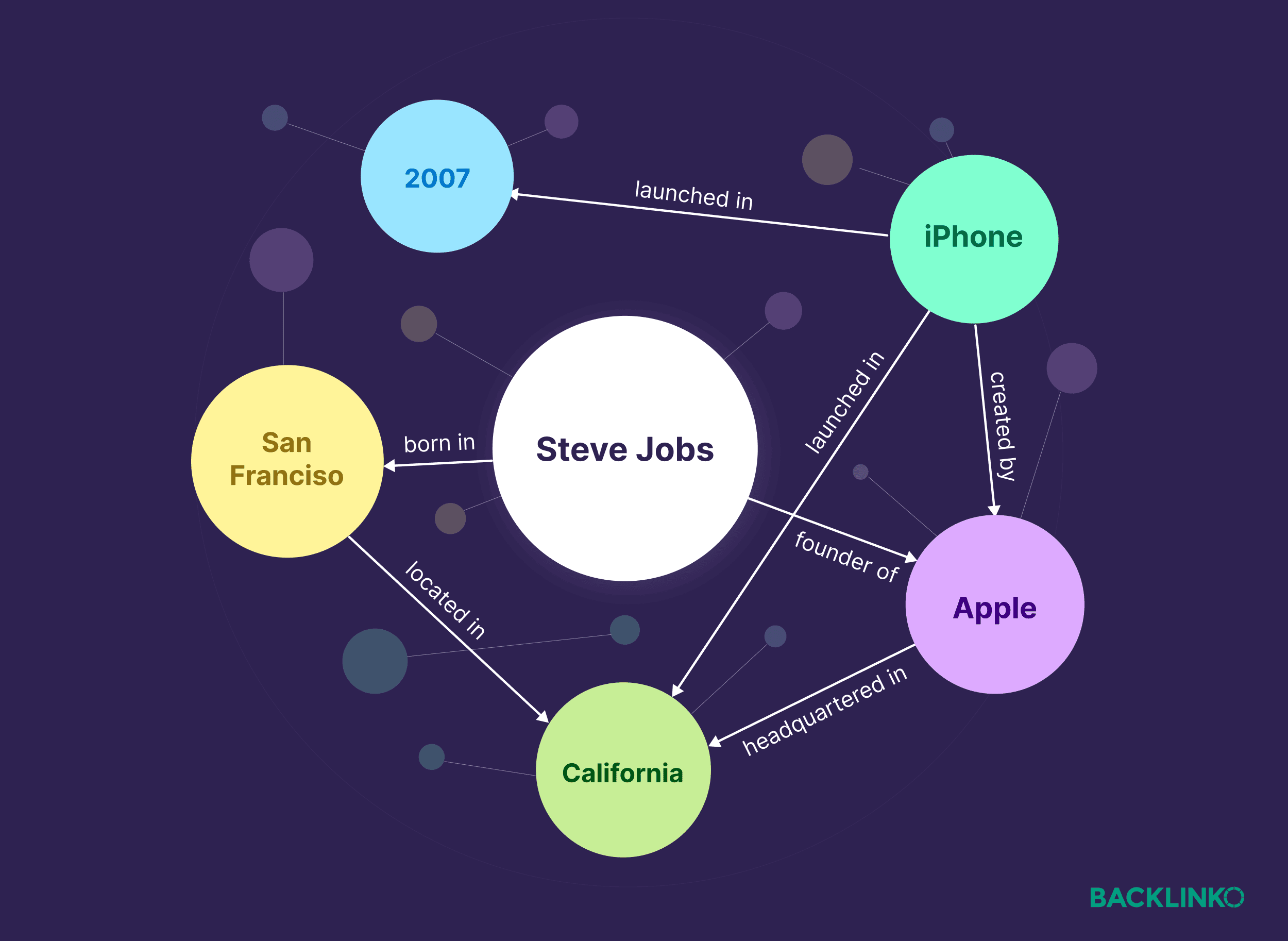
- The Semantic Shift (2010s): Google introduced the Knowledge Graph, a vast database mapping relationships between people, places, organizations, and concepts. Search engines began viewing brands not just as strings of text, but as distinct real-world entities.
- The AI and RAG Revolution (Present Day): With the explosive growth of generative search and conversational AI assistants, algorithms require deep, multi-source validation. To determine whether a brand deserves a recommendation, AI systems scan the web for consistent associations, cross-referencing industry publications, customer reviews, and expert commentary.
Supporting Data and Anatomy of a High-Value Mention
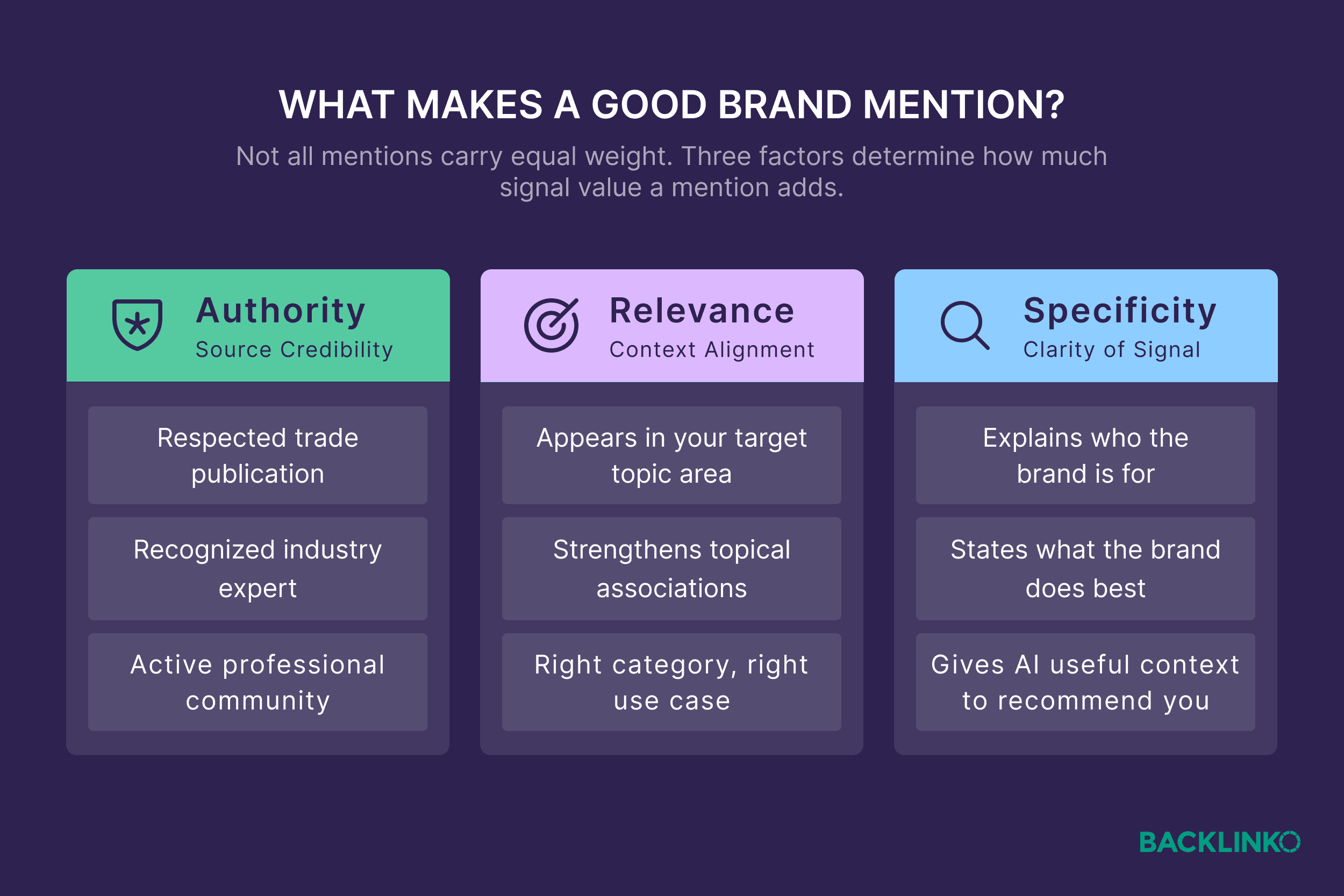
Not all brand mentions carry equal weight. Search engines and AI models evaluate mentions through three core lenses: Authority, Relevance, and Specificity.
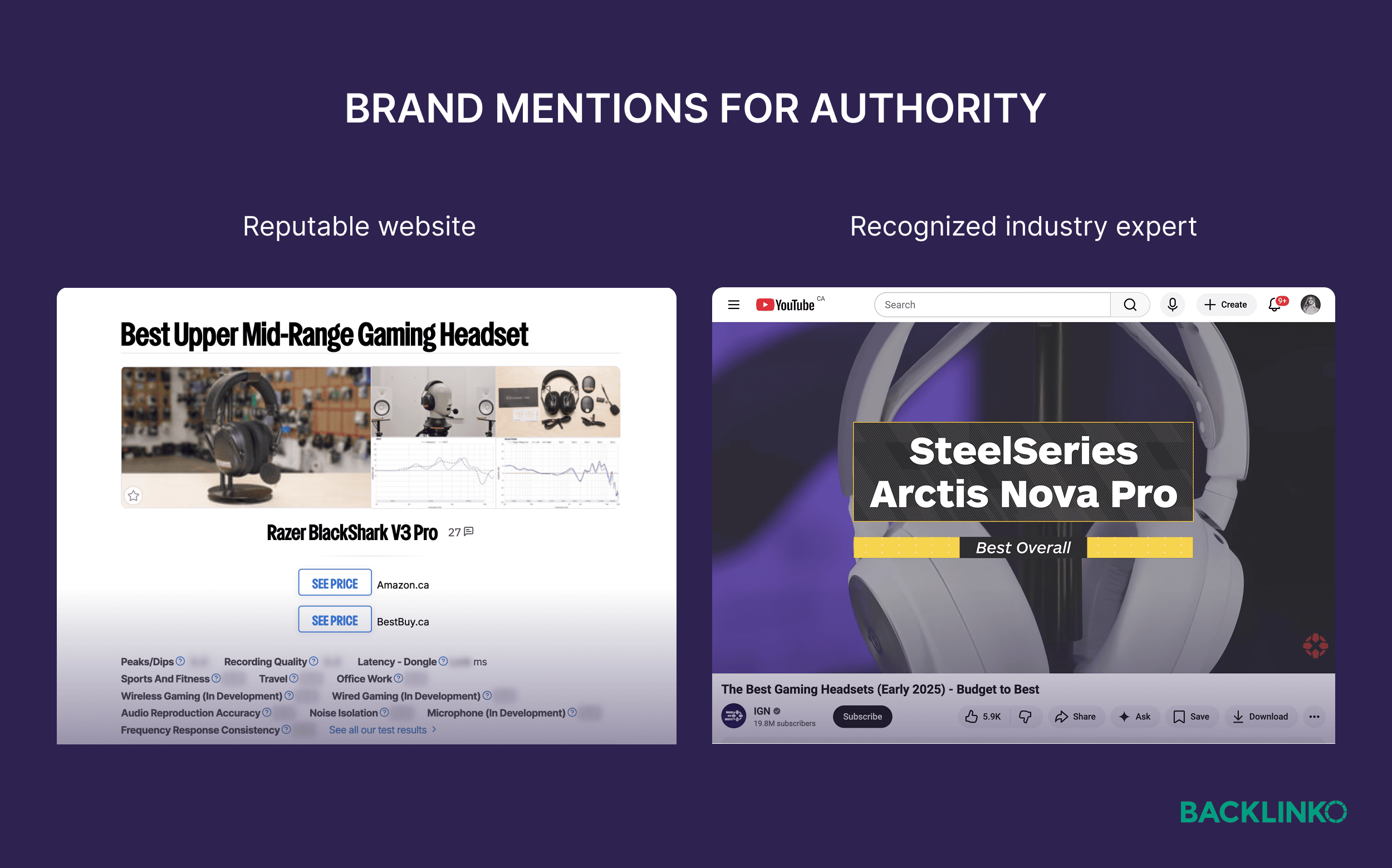
- Authority: Mentions originating from high-credibility domains (such as trade journals, established news outlets, or recognized industry experts) send significantly stronger trust signals than vague references on low-traffic, unvetted blogs.
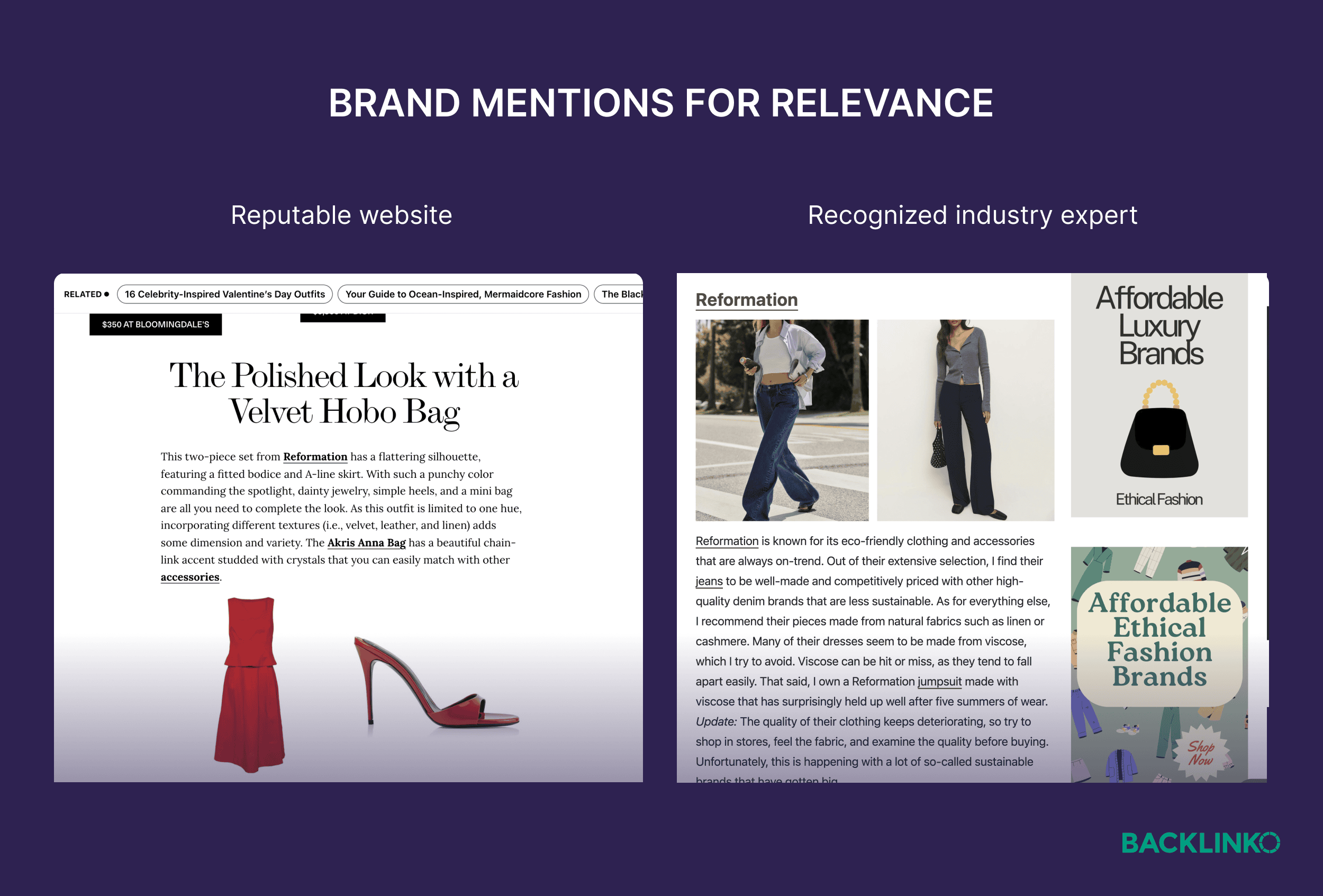
- Relevance: The context matters profoundly. If a fashion brand is consistently mentioned in articles discussing sustainable materials and seasonal trends within dedicated fashion publications, its topical authority compounds rapidly.
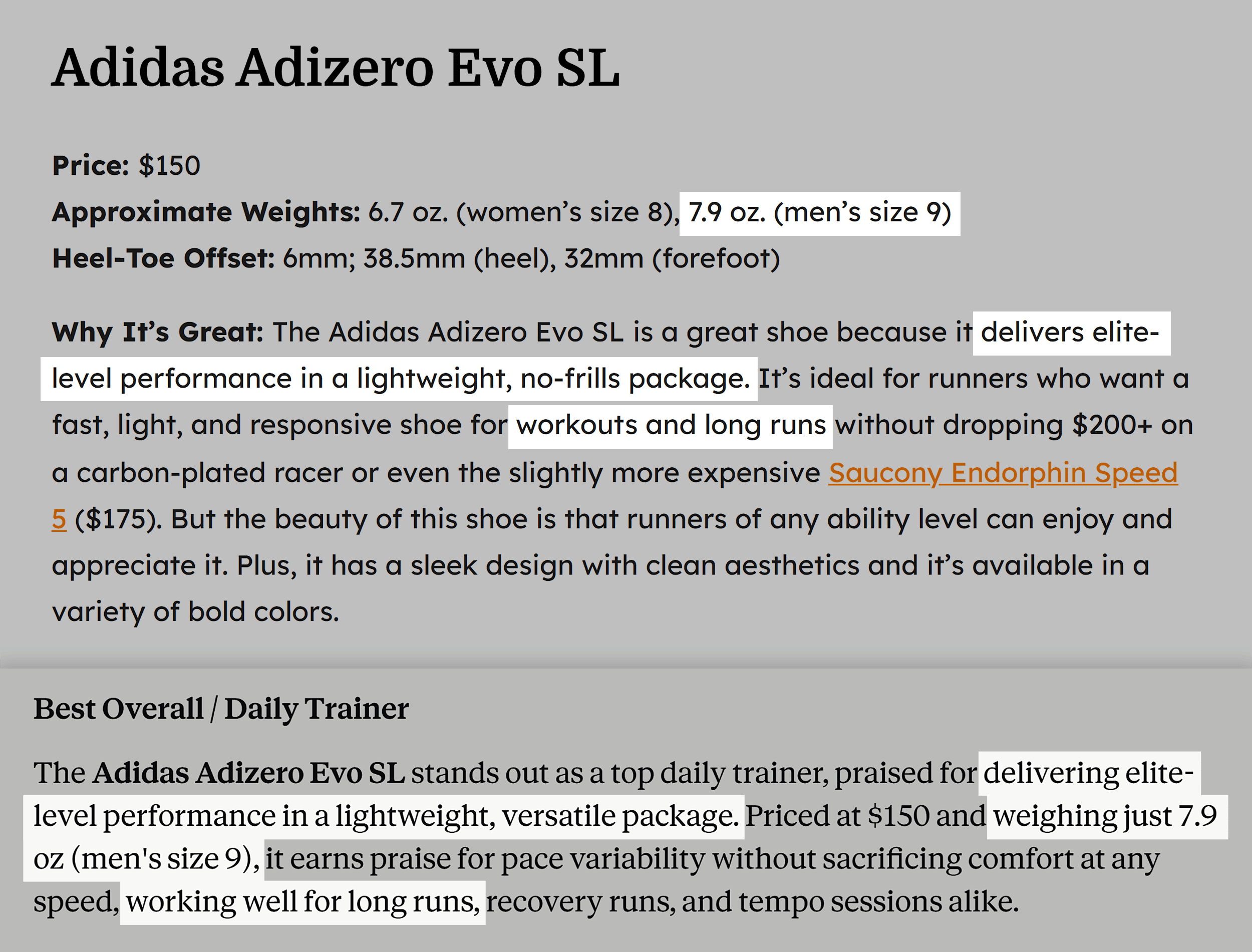
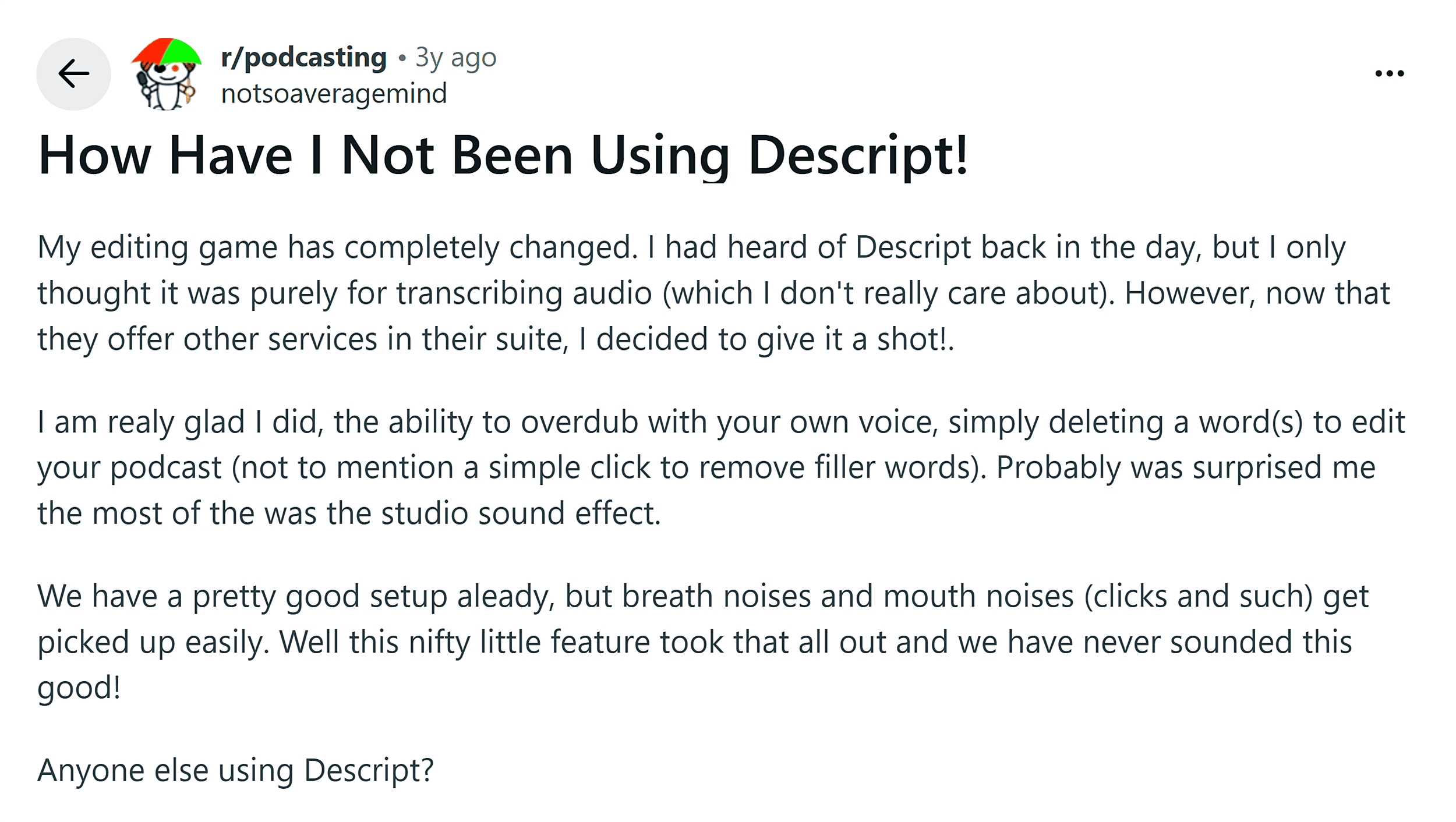
- Specificity: Vague praise offers little value to an algorithm. High-value mentions include concrete details—such as specific product features, benchmark performance metrics, or targeted use cases (e.g., a review explaining precisely how a software tool cuts video editing time in half). These specific data points give search and AI systems actionable signals on when and where to recommend the brand.
Strategic Playbook: Four Ways to Earn High-Value Mentions
Marketers looking to scale their brand visibility must move beyond passive hope and actively cultivate mentions through four core tactics:
1. Create Data-Driven, Citable Content
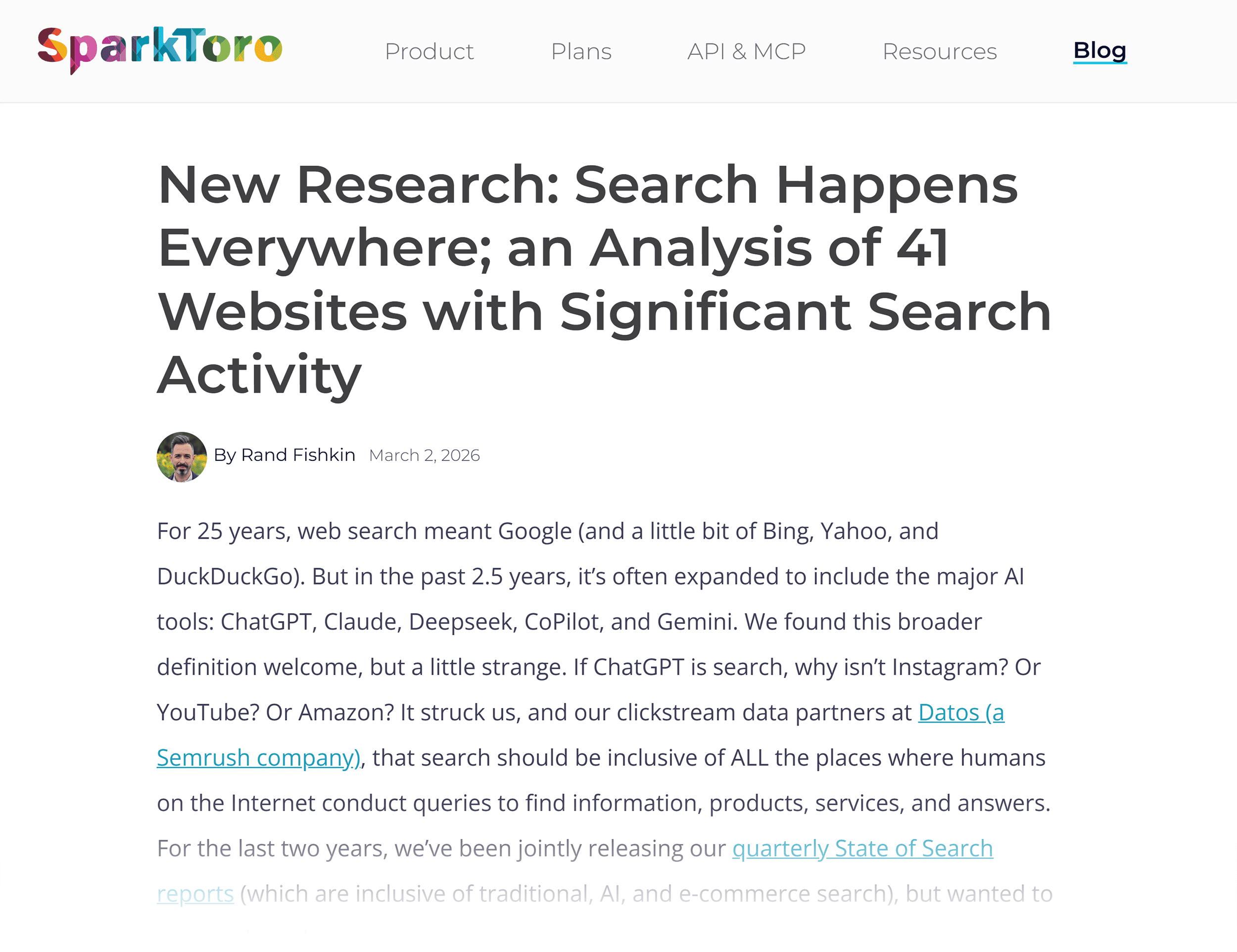
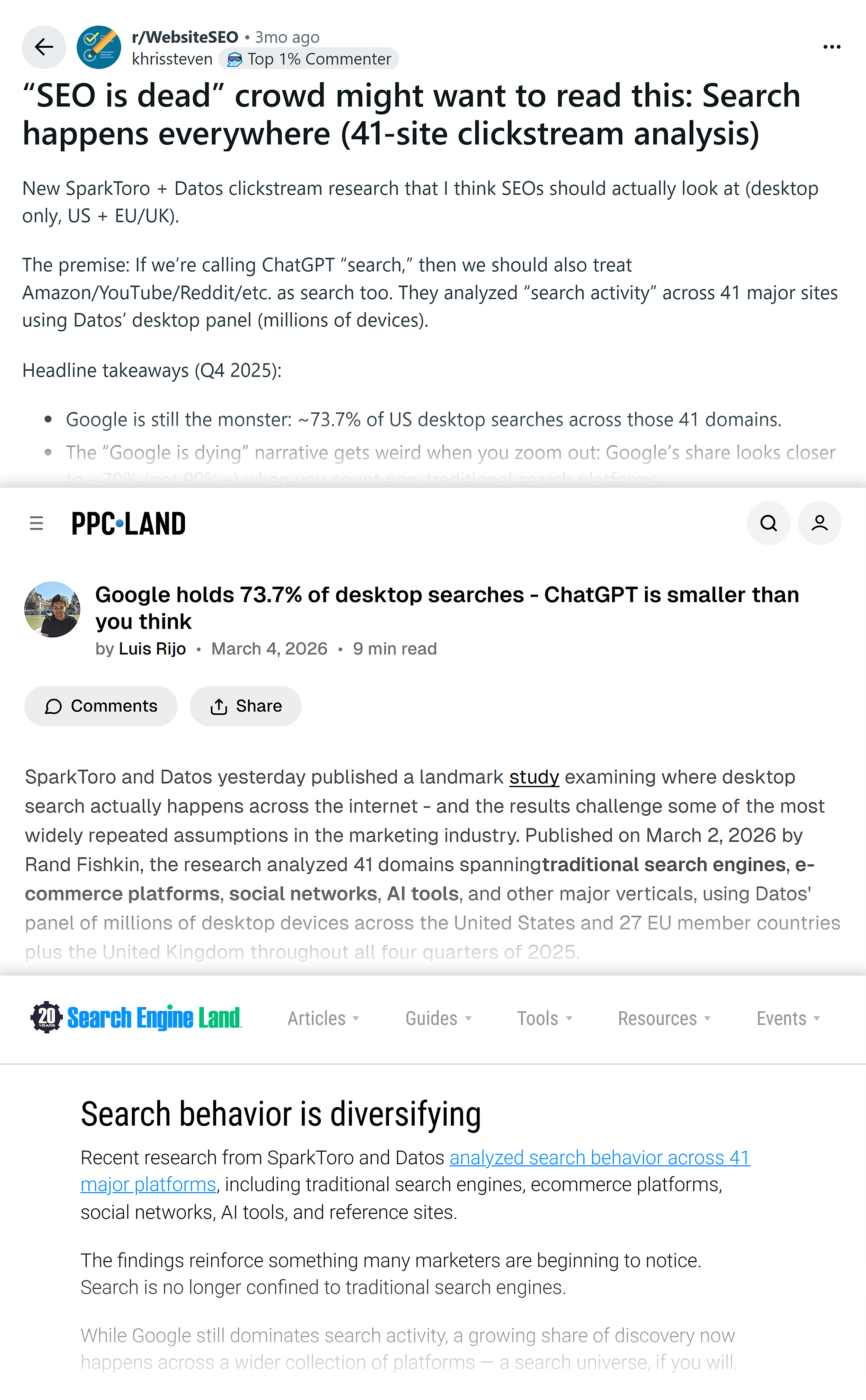
Original research remains one of the most reliable methods for earning organic brand mentions. By investigating unanswered questions or debating active industry pain points, brands create primary sources that others are forced to cite.
- Execution: Tap into community forums, sales call transcripts, and social threads to find questions lacking data-backed answers. Package the findings cleanly with executive summaries, visual charts, and easily digestible key takeaways to maximize pick-up by trade press and independent bloggers.
2. Partner with Complementary Brands on Co-Created Assets
Co-hosting virtual or in-person events, publishing joint reports, or launching collaborative product campaigns merges overlapping audiences. When multiple brands are consistently mentioned together in event recaps and social commentary, algorithms establish strong co-occurrence associations, linking the brands to the same core topics in the minds of LLMs.
3. Feature Other Brands and Experts in Your Content
Ego-bait and reciprocal promotion remain powerful growth levers. By featuring industry leaders, conducting in-depth interviews, or publishing expert roundups, companies give contributors a vested interest in sharing the content with their own massive follower bases, thereby securing high-visibility mentions in new communities.
4. Contribute Subject Matter Expertise Through Digital PR
Pitching executive leadership as subject matter experts to podcasts, industry publications, and digital media outlets embeds the brand into trusted editorial ecosystems. Focus on providing actionable playbooks and educational insights rather than direct product pitches.
Implications: Tracking, Measuring, and Reporting ROI
To justify brand mention strategies to executive leadership, modern marketing teams must implement a robust measurement framework utilizing three primary tools:
- Google Alerts and Manual Searches: Best for tracking daily brand name, product, and executive mentions across mainstream news, though they often miss deep-web communities and niche forums.
- Social Listening Tools: Platforms like Semrush Brand Monitoring or Brandwatch allow teams to track sentiment, mention volume, and source breakdown across social networks, blogs, and review sites.
- Backlink and Mention Monitoring Analytics: By filtering backlink analytics tools for brand-name anchor text, teams can isolate high-authority domains referencing their brand.
Reporting to Leadership
Instead of overwhelming stakeholders with raw numbers, modern reporting should focus on strategic narrative. A successful monthly or quarterly report answers three vital questions:
- What is the total volume and sentiment of our brand mentions?
- Which high-authority domains or channels drove our most valuable placements?
- How did specific campaigns (such as original research launches or co-branded partnerships) directly influence our visibility and public sentiment?
By shifting focus toward comprehensive brand mention strategies, organizations can ensure they remain visible, trusted, and recommended—whether a customer is typing a query into Google or prompting an AI assistant for the best solution on the market.