In the hyper-competitive landscape of modern social media, the most valuable currency is not the algorithm—it is human attention. Creators and brands often find themselves trapped in a cycle of chasing platform updates, trending hashtags, and fleeting audio clips. Yet, according to content strategist and attention-economy expert Hilary Billings, these tactical maneuvers represent only the final 10% of a successful video strategy.
The remaining 90% is rooted in deep-seated psychological fundamentals that govern human behavior. By shifting focus from "hacking" the feed to engineering genuine psychological resonance, creators can produce short-form content that defies the "scroll-past" reflex. This article explores how the science of attention provides a blueprint for long-term growth that remains impervious to shifting platform trends.
The Core Thesis: Why Biology Outperforms Algorithms
For years, the marketing industry has obsessed over algorithmic shifts. While platform updates are inevitable, human biology remains constant. Hilary Billings, who co-created this framework alongside Michael Stelzner, argues that the most effective videos leverage biological triggers that the human brain is hard-wired to notice.
This skill set—the ability to capture and hold attention—is fundamentally human. As AI continues to flood the digital space with generic content, the ability to weave authentic, psychologically resonant stories becomes a competitive advantage that machines cannot replicate. By mastering the science of attention, marketers transition from reactive participants in the algorithm to architects of human engagement.
Chronology of Discovery: Analyzing the Viral Code
To distill the science of attention into an actionable framework, Billings and her team undertook a massive analytical project. They tracked thousands of viral videos, logging every variable imaginable:
- The "First-Second" Factor: Analyzing opening visual cues and initial framing.
- Non-Verbal Communication: Tracking hand gestures, eye contact, and body language.
- Production Variables: Cataloging pacing, edit density, trending audio usage, and lighting.
- Contextual Factors: Assessing the impact of platform-specific features on viewer retention.
The Findings
The data revealed a startling truth: posting frequency, trending audio, and participation in popular challenges were not reliable predictors of viral success. Many high-frequency accounts failed to achieve long-term engagement, while others with lower volume saw massive growth. The common denominator across all high-performing content was not the format, but the application of specific psychological principles. The "viral code" was not found in the editing software, but in the audience’s emotional and cognitive response.

The Three Pillars of Unskippable Content
1. Connection: The Two-Fold Foundation
The viewer’s decision to watch or scroll occurs in under two seconds. In this fleeting window, the brain processes non-verbal data—facial cues, energy, and alignment—to determine if a creator is "real."
- Audience-to-Content Connection: Does the viewer see themselves reflected in the video?
- Creator-to-Content Connection: Is the creator aligned with the message?
Research suggests that when a creator lacks genuine passion or alignment for their subject matter, viewers sense the dissonance immediately. This leads to a 25% to 40% drop in shareability. Authenticity is not just a buzzword; it is a measurable metric of viewer trust.
2. Reputation: The Authenticity Formula
Authenticity is often dismissed as a vague goal, but Billings operationalizes it through the Authenticity Formula: Values x Voice.

- Values: Data from the Brand Builders Group indicates that over 70% of consumers are willing to pay a premium for brands that share their values. These are not mission statements, but the underlying drivers—sustainability, community, disruption, or family—that dictate how a brand moves through the world.
- Voice: This is the brand’s personality, projected through tone, cadence, and word choice.
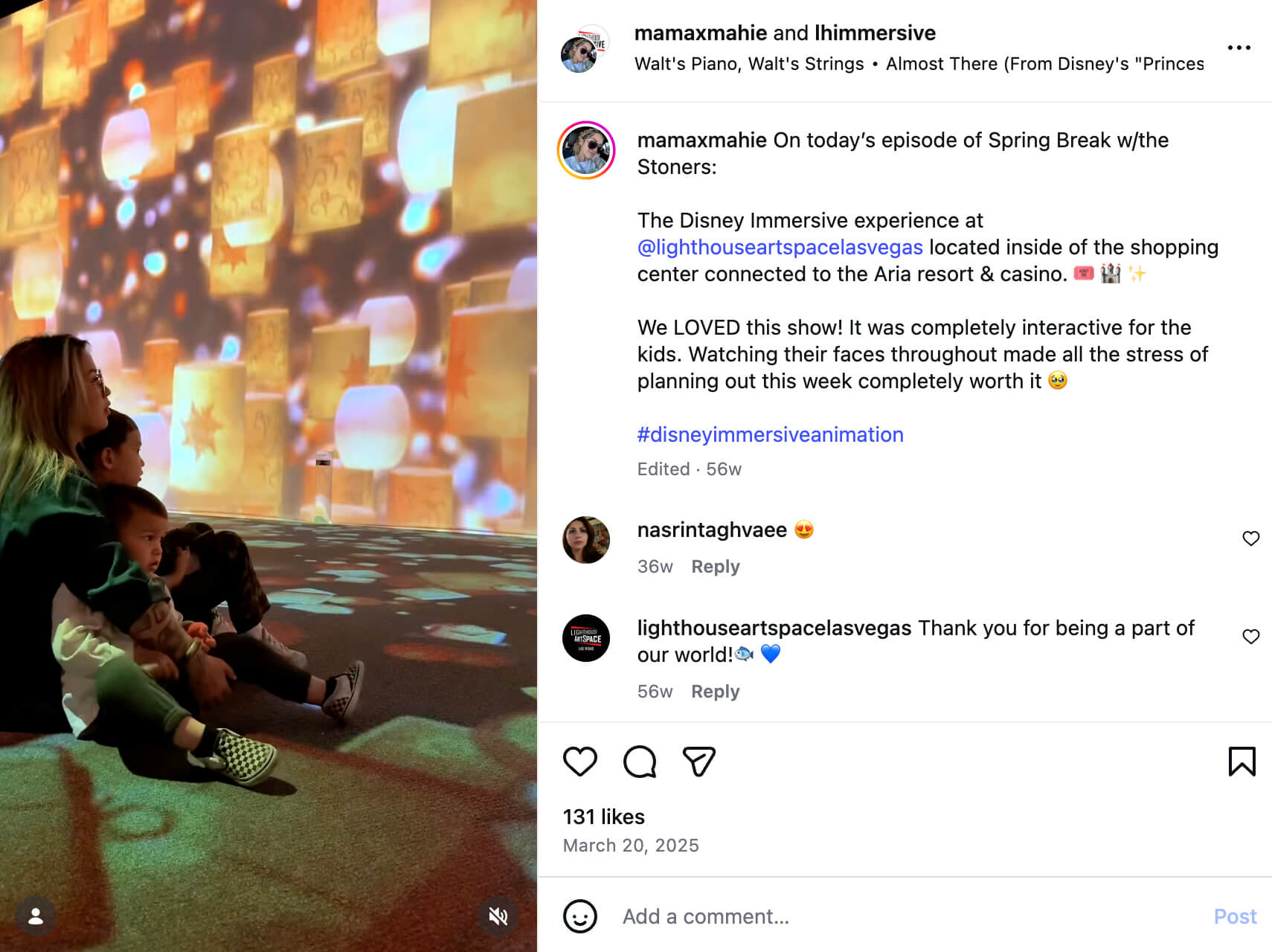
When values and voice intersect, they create a specific frequency. A company like Duolingo, for instance, became a global powerhouse by ignoring "salesy" content in favor of a distinct, values-driven voice that invited users to identify with the brand’s irreverent, language-loving persona.
3. Emotion: The Engine of Propagation
If connection gets the viewer to stop, emotion gets them to stay and share. The amygdala—the brain’s emotional hub—processes stimuli 80,000 times faster than the prefrontal cortex (the rational, logical brain).
By the time a viewer thinks about whether a video is "worth it," their subconscious has already made an emotional decision. To leverage this, creators must move beyond aesthetic visuals and tap into the "shared human experience."
Supporting Data and Case Study: Lighthouse Immersive
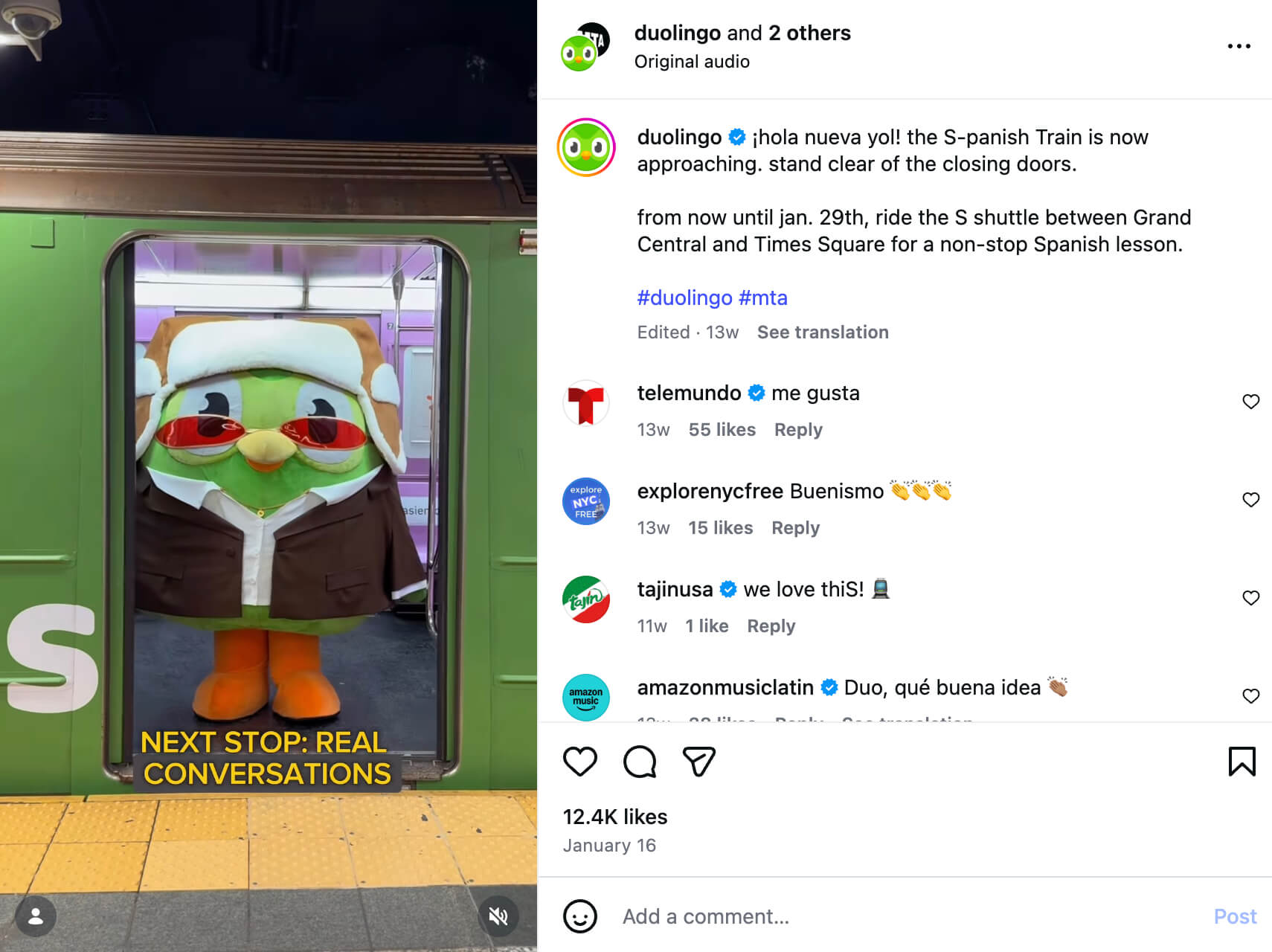
The power of emotional engineering was clearly demonstrated by Lighthouse Immersive, an experiential art company. Despite having world-class exhibits, their social media content felt flat because it focused on the art rather than the experience.
The Transformation:
Billings shifted the focus from the technical aspects of the exhibits to the human stories occurring within them—proposals, multi-generational family bonding, and personal moments of wonder. By pivoting to the emotional narrative, the brand saw a measurable increase in engagement and real-world attendance. The exhibits remained the backdrop; the human connection became the story.
Official Responses and Strategic Implications
For marketers, the shift toward the "science of attention" has profound implications for daily workflows. Before filming a single frame, the planning phase must now revolve around three core questions:
- What is the primary emotion I am triggering?
- Where does my audience see themselves in this story?
- Does this video express my brand’s core values?
The Strategic Shift
- From Frequency to Impact: Instead of chasing daily uploads, creators should focus on the quality of emotional connection.
- From Logic to Feeling: Use storytelling to bypass the logical mind and trigger an emotional reaction immediately.
- From Mirroring to Authenticity: Avoid mimicking trends that don’t fit your brand. If it doesn’t align with your values, it will eventually erode your reputation.
Conclusion: The Future of Content Strategy
The era of algorithm-gaming is drawing to a close. As tools like AI make it easier to create "average" content, the premium on human-centric, emotionally intelligent storytelling will skyrocket.
The science of attention is not a shortcut; it is a return to the fundamentals of communication. By prioritizing the biological needs of the viewer—to feel connected, to trust, and to be moved—creators can build audiences that are not just passive viewers, but active participants. In a digital world that is constantly screaming for attention, the most effective strategy is to stop shouting at the algorithm and start speaking to the human on the other side of the screen.
Quick Reference: The Attention Framework Checklist
| Component | Goal | Action Item |
|---|---|---|
| Connection | Stop the scroll | Ensure non-verbal cues match the brand energy. |
| Reputation | Build Trust | Choose one core value per video to highlight. |
| Emotion | Drive Sharing | Focus the story on the human experience, not the product. |
For further mastery of these principles, creators can explore the Viral Authority Framework or utilize diagnostic tools designed to refine content before it reaches the feed. By treating each video as a psychological experiment rather than a content-filling task, the potential for growth is limited only by one’s ability to tell a human story.