In the modern digital landscape, the inbox has become one of the most fiercely contested battlegrounds for consumer attention. With the average professional receiving dozens—if not hundreds—of emails daily, the margin for error has vanished. Yet, despite the noise, some brands consistently achieve open rates and conversion metrics that defy industry averages.
What is their secret? It isn’t just a matter of sleeker design or more aggressive discounting. The most successful email campaigns are engineered based on a fundamental truth of human behavior: People do not make decisions based on cold logic; they make them emotionally, then justify them with logic afterward.
To build an email program that drives sustainable revenue, marketers must transition from merely "broadcasting" to "persuading." By tapping into the invisible psychological triggers that guide human decision-making, businesses can transform their communications from intrusive promotions into valuable, high-conversion opportunities.
The Foundation: Why Emotion Drives the Inbox
Every interaction between a brand and a subscriber is a series of micro-decisions. When a recipient glances at their notification, their brain is subconsciously asking three critical questions: Do I trust this brand? Am I missing out? Is this offer actually meant for me?
If these questions are answered with hesitation, the email is deleted. If they are answered with confidence, the user clicks "buy." Understanding the psychology of these moments is the difference between a high-performing campaign and one that ends up in the "spam" folder.
The Four Pillars of Psychological Conversion
To master email marketing, one must leverage four distinct psychological levers: Urgency, Scarcity, Social Proof, and Personalization. When woven together, these elements remove friction and provide the emotional nudge required for a customer to take action.
1. Urgency: The Art of the "Now"
Urgency is perhaps the most potent tool in the marketer’s arsenal because it taps into the fundamental human aversion to missing out. When a consumer perceives a deadline, their cognitive processing shifts from a state of passive browsing to active decision-making.
The longer a customer waits to act, the more time they have to introduce doubt into their decision-making process. By creating a temporal constraint—such as a flash sale, a product drop, or a limited-time bonus—marketers compress that decision window.
The Golden Rule of Urgency: Authenticity is non-negotiable. Consumers are increasingly savvy; if a brand claims a sale "ends tonight" but runs the same promotion every 48 hours, the tactic loses its power. True urgency must be tied to genuine events—seasonal shifts, limited stock, or specific milestones. When used correctly, it transforms the email from a "nice to look at later" message into an urgent "must-act now" opportunity.
2. Scarcity: The Premium of Exclusivity
While urgency focuses on time, scarcity focuses on availability. Scarcity works because human beings assign a higher value to objects that are limited or hard to obtain. This is the "Goldilocks effect" of economics: when supply is restricted, perceived demand spikes.
In email marketing, scarcity can be communicated by highlighting low inventory, exclusive access for a specific segment of the list, or limited-edition runs. The messaging shifts from "hurry up" to "this is an exclusive opportunity that not everyone will have access to." This creates a psychological sense of status; the recipient feels like an insider, which elevates the brand’s value proposition in their eyes.
3. Social Proof: Bridging the Trust Gap
Perhaps the most significant barrier to conversion is risk. Will this product work for me? Is this company legitimate? Social proof is the psychological antidote to this uncertainty. It serves as a signal that others have already traveled this path and emerged satisfied.
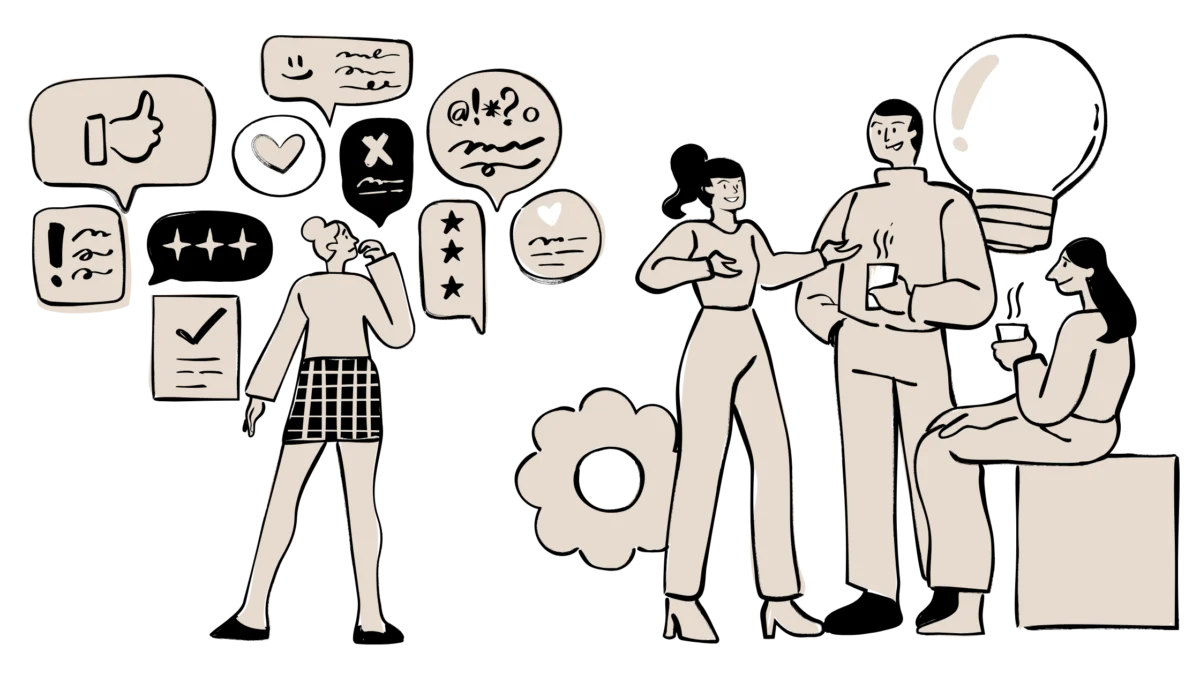
Modern consumers trust their peers far more than they trust corporate copy. A single authentic review, a user-generated photo, or a video testimonial often carries more weight than a thousand words of polished marketing text. By incorporating social proof into email sequences—through testimonials, star ratings, or real-time customer usage data—brands can effectively neutralize the fear of buyer’s remorse.
4. Personalization: The "Why Me?" Factor
The inbox is crowded with generic, mass-produced blasts. Personalization is the primary tool for breaking this pattern. True personalization goes beyond simply inserting a name in the subject line; it addresses the specific "Why are you showing me this?" question.
Behavioral triggers—such as sending a follow-up email based on a specific product browse, recommending items based on past purchase history, or acknowledging a customer’s milestone—create a sense of relevance. When a customer feels that an email is curated specifically for them, the barrier to engagement drops significantly.
Chronology of a High-Converting Campaign
To illustrate how these triggers function in a real-world scenario, consider a lifecycle email strategy for a high-performance sports brand.
- The Trigger (Day 0): A customer visits the store and views a specific product, such as a high-end Padel shoe.
- The Personalization (Day 1): The brand sends an email acknowledging the interest, highlighting the specific benefits of the model viewed, and offering a relevant "VIP" incentive (e.g., free shipping).
- The Social Proof (Day 1, continued): The email includes a review from an intermediate player who highlights how the shoe improved their net-play stability.
- The Urgency/Scarcity (Day 2): A follow-up is sent, noting that the specific size the customer viewed is running low due to a recent release, creating a 24-hour "early access" window before the inventory is released to the general public.
This sequence moves the customer through the psychological funnel: curiosity (Personalization), trust (Social Proof), and final action (Scarcity and Urgency).
Supporting Data and Implications
Recent industry studies show that personalized emails deliver six times higher transaction rates than non-personalized counterparts. Furthermore, emails incorporating clear urgency cues—when executed authentically—can boost click-through rates by up to 25%.
The implication for founders and marketers is clear: Data is only useful if it informs human psychology. You can have the most advanced automation software in the world, but if your copy doesn’t tap into the recipient’s motivations, your ROI will stagnate.
Official Perspectives on Email Evolution
Leading marketing platforms, such as Omnisend, have shifted their entire infrastructure to support this psychological approach. By integrating behavioral-based automation and dynamic content blocks, platforms now allow brands to trigger these psychological levers automatically. The consensus among top-tier e-commerce experts is that the "spray and pray" era of email marketing is officially dead. The new standard is the "listen and respond" era, where automation serves as the delivery vehicle for human-centric psychological messaging.
Conclusion: Turning Promotions into Moments
The ultimate goal of any email campaign should be to move the reader. When you blend urgency, scarcity, social proof, and personalization with genuine intent, your campaigns cease to be mere promotions and become meaningful moments in the customer journey.
These moments reduce hesitation and provide the necessary clarity for a customer to move forward with a purchase. By respecting the intelligence of your audience and speaking to their natural psychological instincts, you aren’t just selling a product—you are building a relationship.
As you look to optimize your own strategy, ask yourself: Are my emails merely asking for a sale, or are they providing an opportunity that my customer actually feels compelled to take? The answer to that question is where your next breakthrough lies.
Ready to implement these strategies? Foundr readers can access exclusive tools and frameworks to scale their businesses. For those looking to integrate these psychological triggers into their email automation, Omnisend offers a robust suite of tools designed for the modern founder. Use code FOUNDR50 to receive 50% off your first three months.