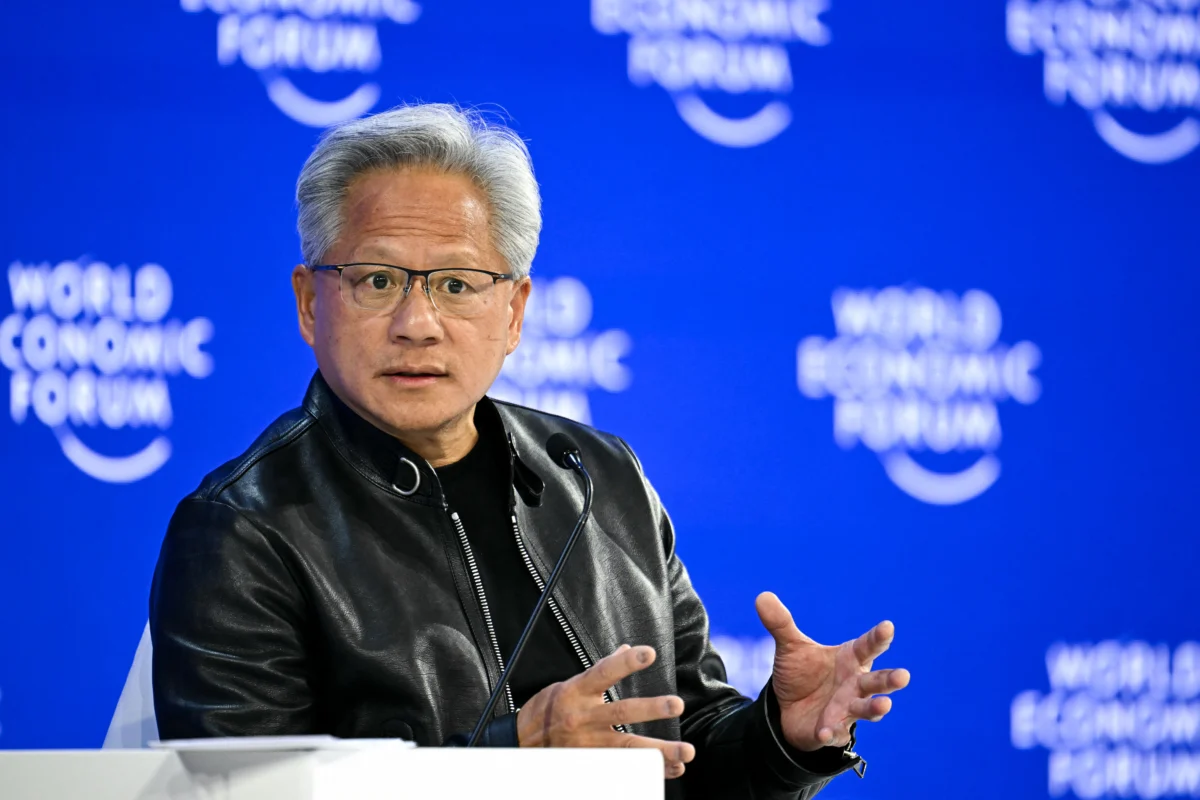
In a moment that blurred the lines between high-stakes geopolitics and the casual nature of modern tech podcasting, Nvidia CEO Jensen Huang found himself at the center of an unexpected diplomatic intervention. During a live taping of the All-In podcast at the All-In Summit in Los Angeles this past Monday, Huang received a call that disrupted the flow of the program: President Donald Trump was on the line.
What followed was a rare, unscripted display of presidential influence intersecting with the highest echelons of the semiconductor industry. For PR professionals and corporate handlers, the resulting spectacle—where a sitting President was broadcast via speakerphone to a live audience of tech elites—was a nightmare. For the participants, however, it served as a public alignment of interests in the burgeoning, and increasingly contentious, race for artificial intelligence supremacy.
The Chronology of an Unlikely Phone Call
The sequence of events began mid-morning. Huang was seated onstage alongside the "besties"—the quartet of prominent venture capitalists and tech figures behind the All-In podcast: Chamath Palihapitiya, Jason Calacanis, and White House advisers David Friedberg and David Sacks. The group had been deep in a debate regarding the future of AI safety, specifically touching upon the recent manifesto by Anthropic CEO Dario Amodei, who has publicly advocated for slowing the pace of AI advancement to address mounting safety concerns.
As the discussion turned to the friction between safety protocols and industrial speed, Huang’s phone signaled an incoming call. Recognizing the caller, Huang did not retreat to the wings. Instead, he acknowledged the President, telling him, "I’m onstage with the besties," before coordinating with stagehands to secure a microphone to amplify the voice on the other end of the line.
The President’s entrance into the conversation was immediate and characteristic. "The great thing about life is Jensen can develop the most complex computer chip in the world… but he can’t figure out how to put you on speaker," Trump joked, highlighting the informality of the connection.
The conversation quickly shifted from pleasantries to the core strategic conflict facing the tech sector: the growing movement to throttle AI development. When asked about the "slow down" narrative pushed by figures like Amodei, Musk, and OpenAI’s Sam Altman, Trump was blunt. He characterized the caution surrounding AI as a "hoax" being leveraged by political rivals and foreign adversaries—specifically naming China—to stymie American dominance. "They’re just playing right in the hands of a lot of people that don’t want to see it happen," Trump asserted. "And we’re not going to let that happen."
Supporting Data: The Clash of Public Sentiment and Industrial Ambition
The President’s call comes at a pivotal time for the AI industry, which is currently grappling with significant local and national pushback. While industry titans view the rapid construction of data centers as the bedrock of the next economic boom, the public is increasingly wary of the environmental and infrastructural costs associated with these facilities.
Recent data from Gallup paints a sobering picture for those attempting to scale AI infrastructure at speed. According to the polling, roughly 70% of Americans oppose the construction of large-scale data centers in their immediate vicinity. The breakdown of this opposition is telling:
- Environmental Concerns: More than 50% of respondents cite the massive drain on local power grids and water resources required to cool servers as their primary grievance.
- Quality of Life: Approximately 20% of the public are concerned about the indirect effects of data center sprawl, including increased cost-of-living spikes and the degradation of local infrastructure.
These findings contradict the narrative pushed by industry advocates and political allies, such as Y Combinator CEO Garry Tan, who have framed local opposition as an "international psyop" aimed at killing American AI. The data suggests, however, that the opposition is less about a coordinated anti-American conspiracy and more about the tangible, daily concerns of residents living near the physical footprint of the digital revolution.
The Divergence of Vision: Industry Leaders at Odds
The All-In summit discussion highlighted a growing schism in Silicon Valley. On one side are the "accelerationists," a group that includes Huang, who argue that the economic and national security risks of lagging behind in AI far outweigh the theoretical risks of development. On the other are the "cautious innovators" like Amodei, Altman, and Musk, who argue that without guardrails, the technology could bypass human control.
Huang’s alignment with the President’s "full speed ahead" philosophy marks a definitive stance. By agreeing with the President—"You’re right. We’re not going to let that happen, sir"—Huang has solidified Nvidia’s role not just as a hardware supplier, but as a primary architect of the administration’s tech-industrial policy.
Trump’s stance during the call was clear: "We have to do things and we have to do them prudently, but that doesn’t mean we’re going to stop an industry. So I’m with you all the way." This endorsement signals that the federal government is likely to prioritize deregulation and the rapid permitting of energy-intensive data centers, effectively signaling to local municipalities that the "AI build-out" is a matter of national interest that overrides localized objections.
Implications for the Future of AI Policy
The implications of this exchange are profound. By effectively bypassing traditional bureaucratic channels to offer a public, real-time "green light" to the CEO of the world’s most valuable chipmaker, the President has set a tone for his second term’s relationship with Big Tech.
1. The Politicization of AI Safety
By labeling the calls for "slower" AI development a "hoax," the administration is effectively framing safety protocols as a form of political weakness. This will likely make it significantly harder for safety researchers and ethicists to influence federal policy, as their concerns are now being categorized alongside partisan or foreign-influenced agendas.
2. The Infrastructure Cold War
The administration’s focus on China as the primary motivation for unrestricted AI growth suggests that the "data center debate" will soon be reframed as a national security issue. If the government classifies data center construction as critical infrastructure, local environmental regulations may be preempted by federal mandates, leading to a surge in construction across the country.
3. The "Speakerphone Diplomacy" Model
The event highlights a shifting dynamic in corporate-government relations. In the past, lobbying occurred in the quiet halls of Washington. Now, as evidenced by the All-In call, the discourse is moving to the public stage, utilizing influencer-led platforms and live-streamed events to manufacture public consent and project power.
Conclusion: A New Era of Tech Governance
The spectacle in Los Angeles serves as a microcosm of the current era: a blend of high-tech ambition, populist rhetoric, and the erosion of traditional communication boundaries. For Jensen Huang, the phone call was a validation of his position at the helm of the AI revolution. For the administration, it was an opportunity to project strength and commitment to American technological dominance.
However, as the dust settles, the fundamental challenge remains: how to reconcile the massive, resource-heavy demands of the AI industry with the increasingly loud concerns of a public worried about the environmental and economic impact of these technological behemoths. With the President now firmly on the side of the builders, the stage is set for a high-stakes collision between the momentum of the AI sector and the regulatory and environmental realities of the American landscape.