The landscape of Search Engine Optimization (SEO) has undergone a tectonic shift. What was once a niche technical service has ballooned into a critical $119.4 billion industry in the United States. Driven by the relentless evolution of search engine algorithms, the integration of AI-powered search results, and heightened competition across virtually every digital sector, businesses are increasingly looking for external experts to navigate the complexities of search visibility.

However, despite the massive influx of capital, a new, comprehensive analysis—aggregating data from industry benchmarks and a survey of 1,200 small business owners—reveals a paradoxical reality: while demand for SEO has never been higher, client satisfaction remains surprisingly low.
The Evolution of the SEO Marketplace
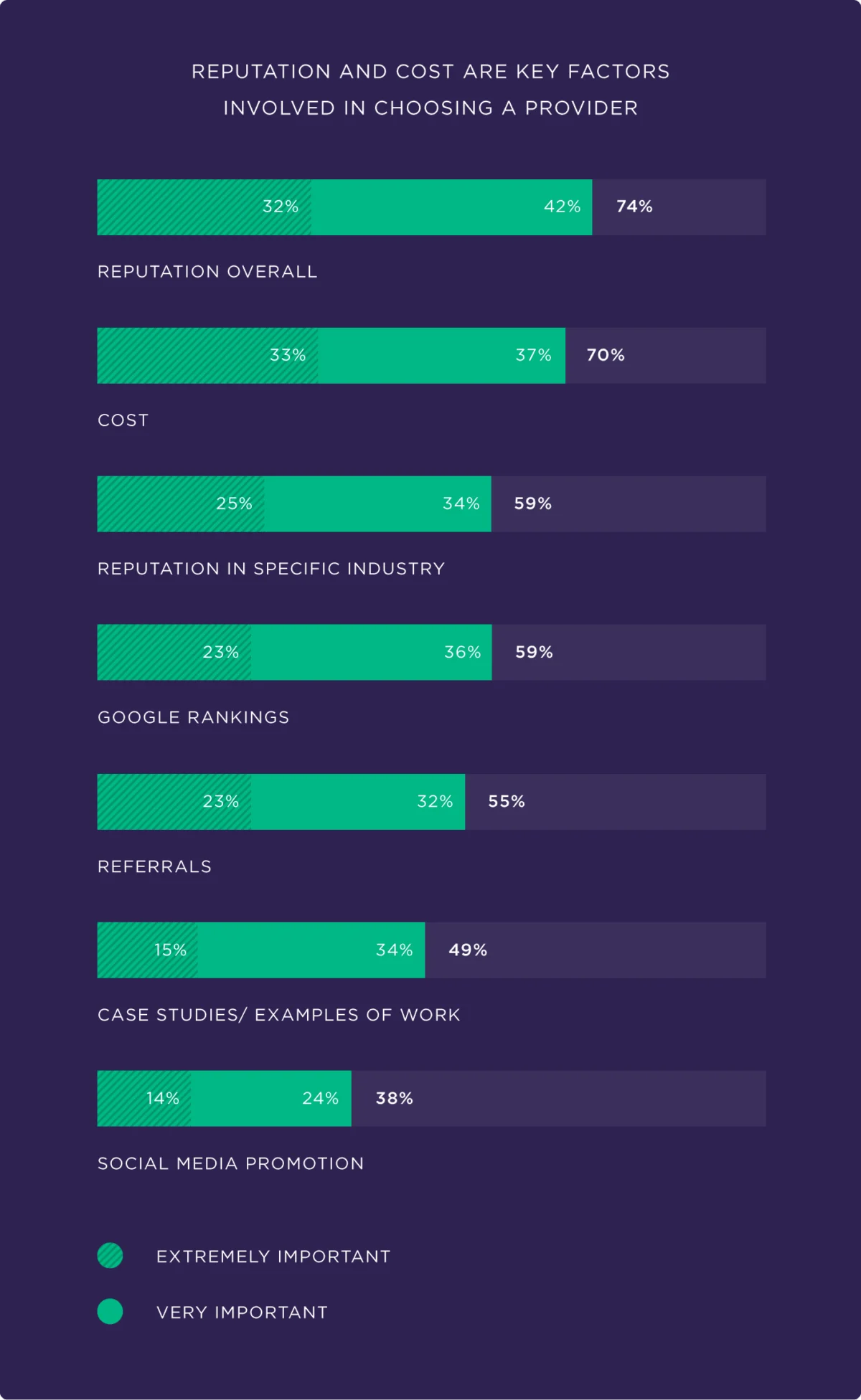
The industry’s growth is not merely a product of rising prices, but of necessity. Today, 61% of companies seek external SEO consulting specifically because they lack the internal expertise to keep pace with Google’s shifting requirements. As search becomes more complex, the gap between internal capability and external requirements has widened, pushing businesses toward agencies and freelancers.
A Chronology of Current Trends
The current state of the industry can be traced through several distinct phases of client-provider interactions:
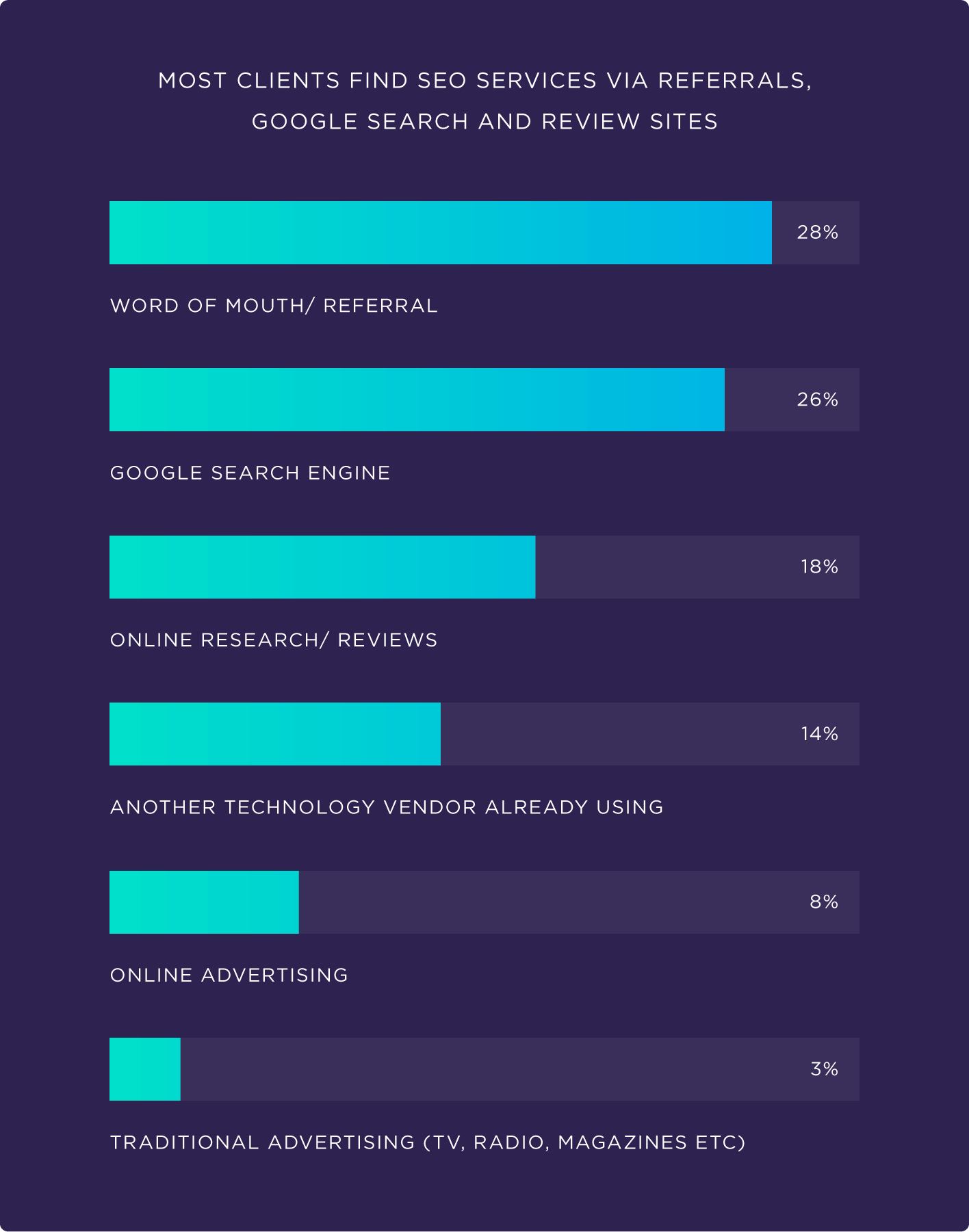
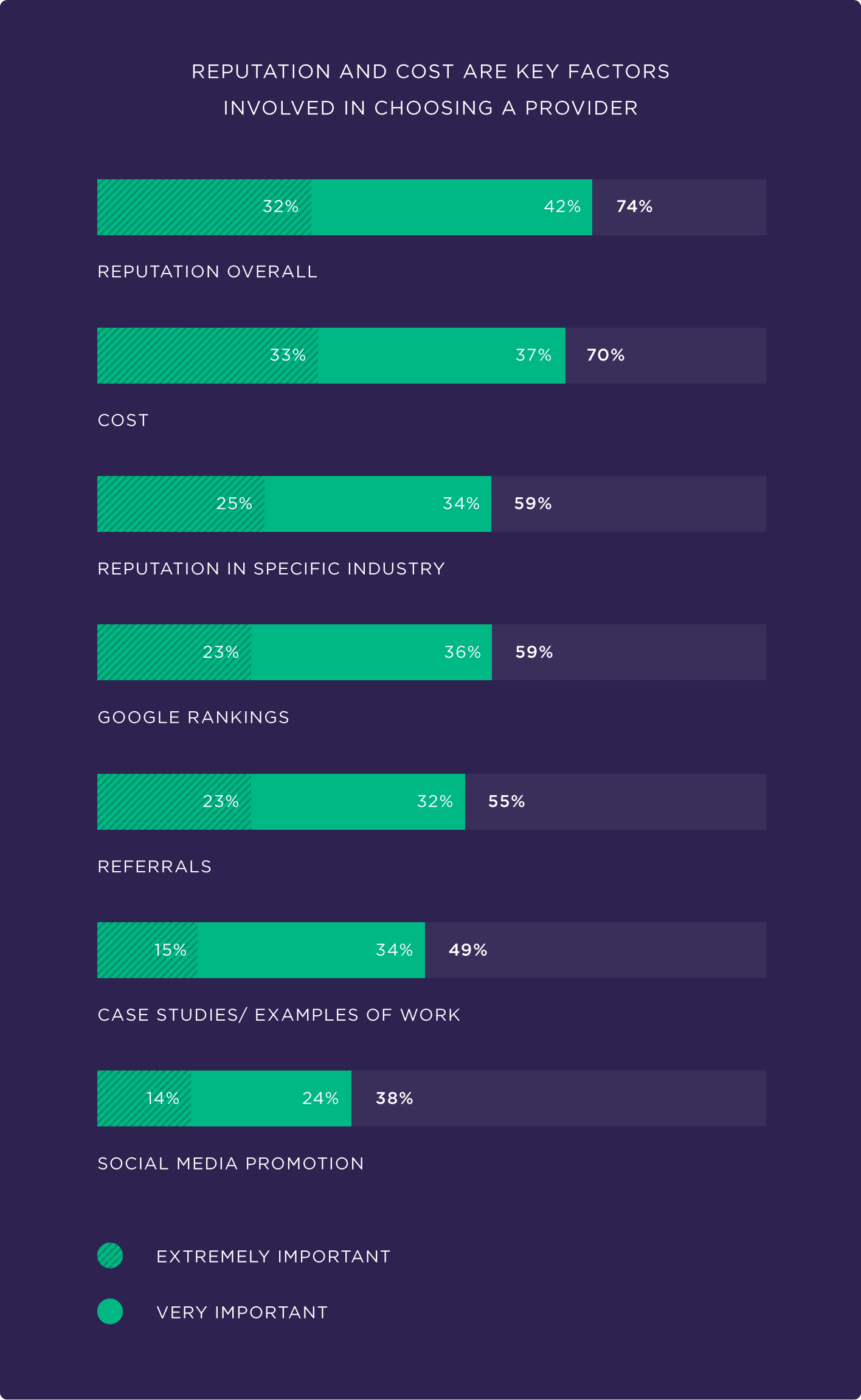
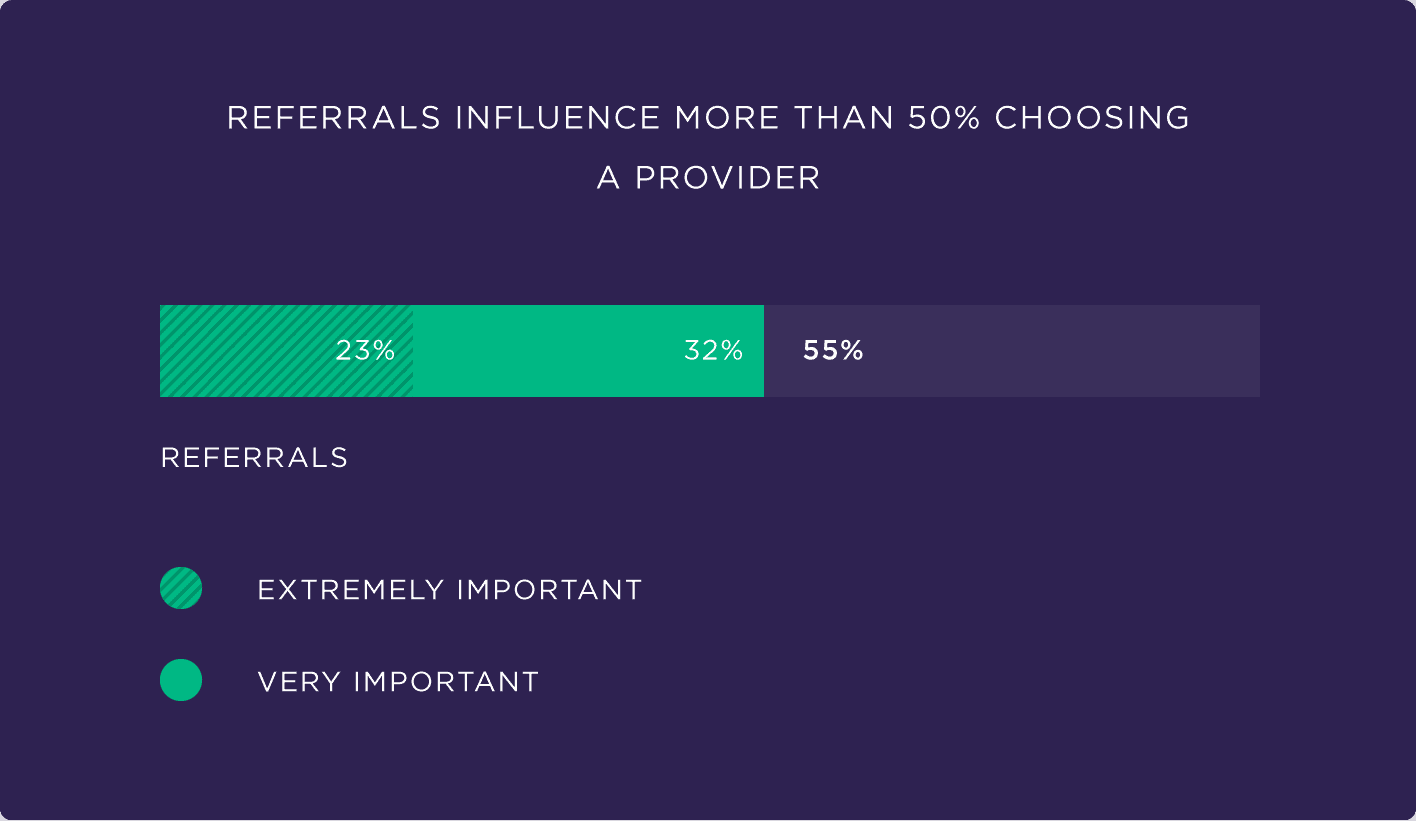
- The Discovery Phase: Historically, clients found SEO providers through word-of-mouth. Today, this remains the gold standard, though it is now bolstered by granular Google searches and aggregate review platforms like Yelp.
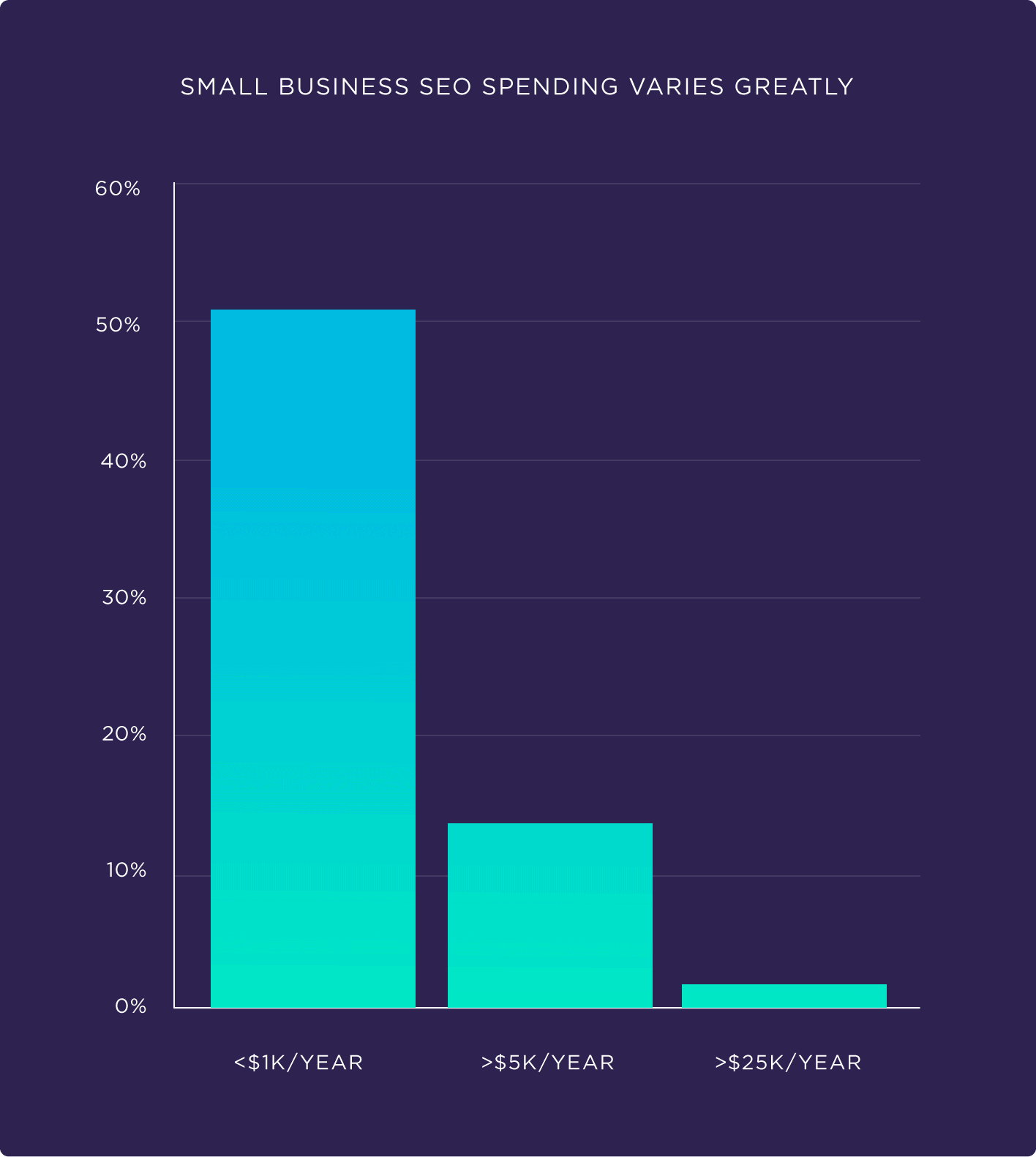
- The Commitment Phase: Businesses are spending an average of roughly $500 per month, though spending is highly polarized. A significant divide exists between those investing in high-end, strategic partnerships (14% spending over $5,000/year) and the majority who treat SEO as a low-cost commodity.
- The Retention Phase: The industry is marked by high churn. With 65% of business owners having worked with multiple providers, the tenure of an SEO contract is often tested by unmet expectations within the first 12 to 24 months.
Supporting Data: By the Numbers
The data paints a clear picture of an industry grappling with transparency and expectation management.
Monthly Spend and Satisfaction Correlation
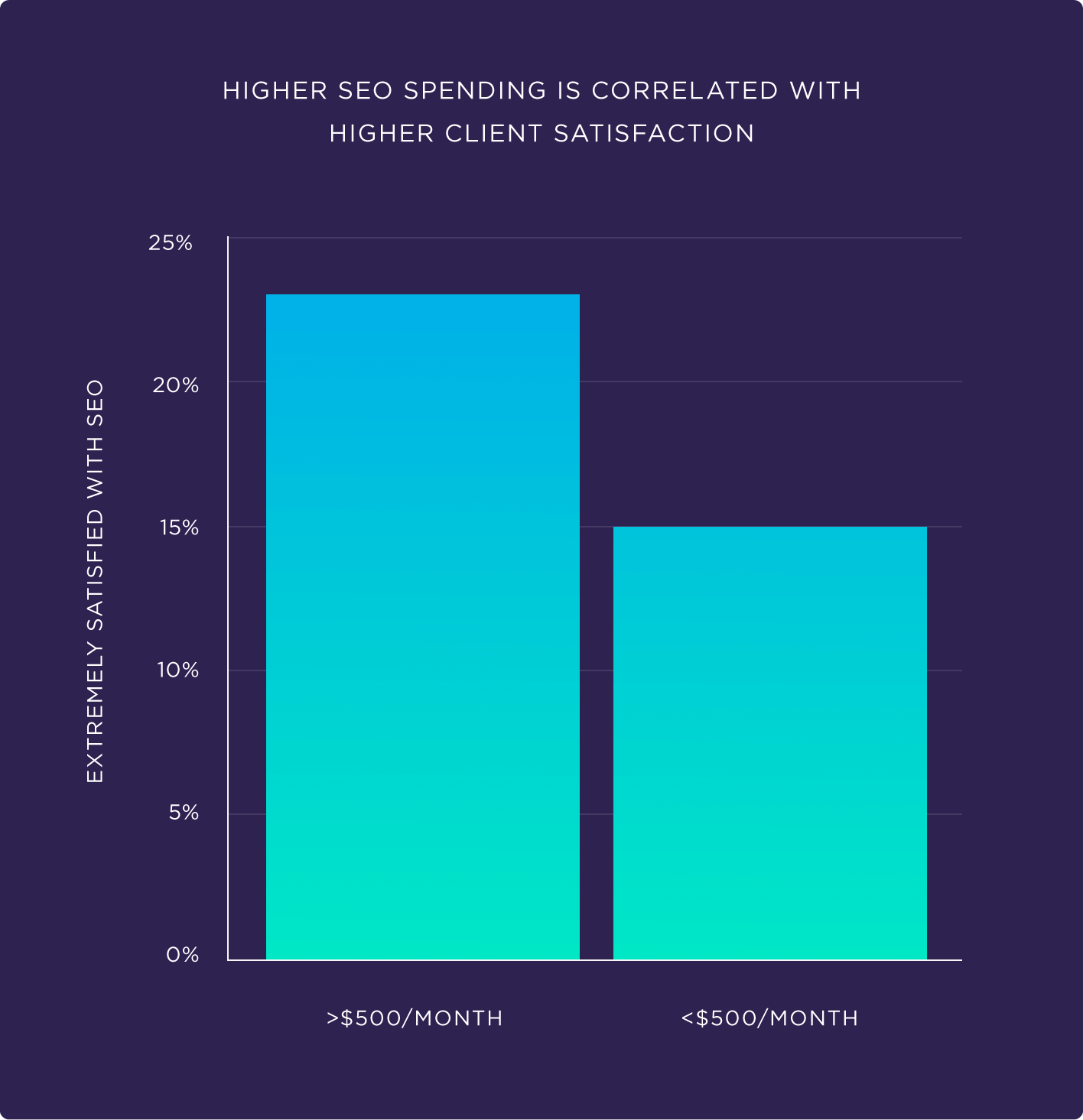
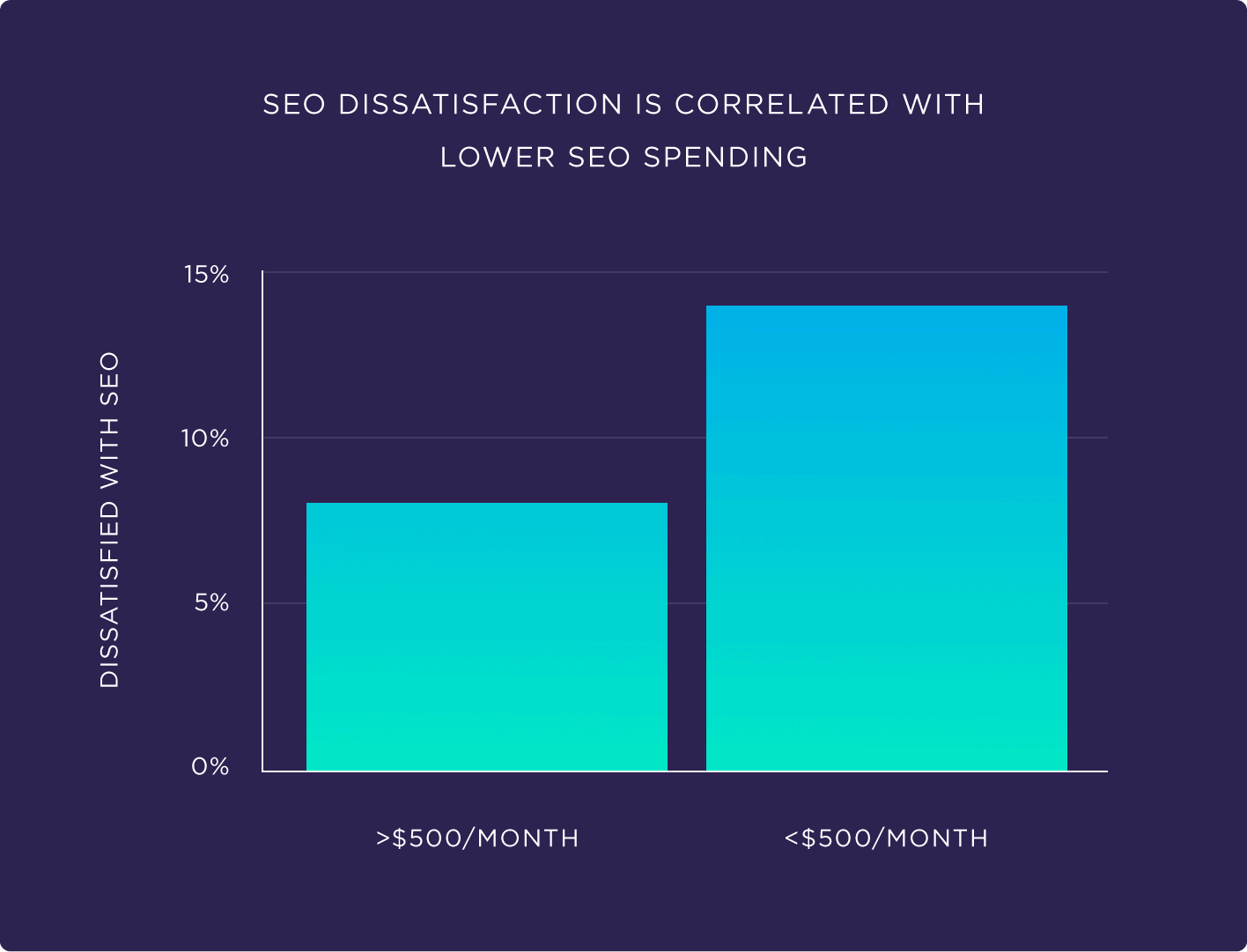
There is a direct, measurable link between investment and satisfaction. Clients spending more than $500 per month are 53.3% more likely to describe themselves as “extremely satisfied” than those spending below that threshold. Conversely, those in the lower-spend bracket are 75% more likely to report active dissatisfaction.
Agency vs. Freelance Dynamics
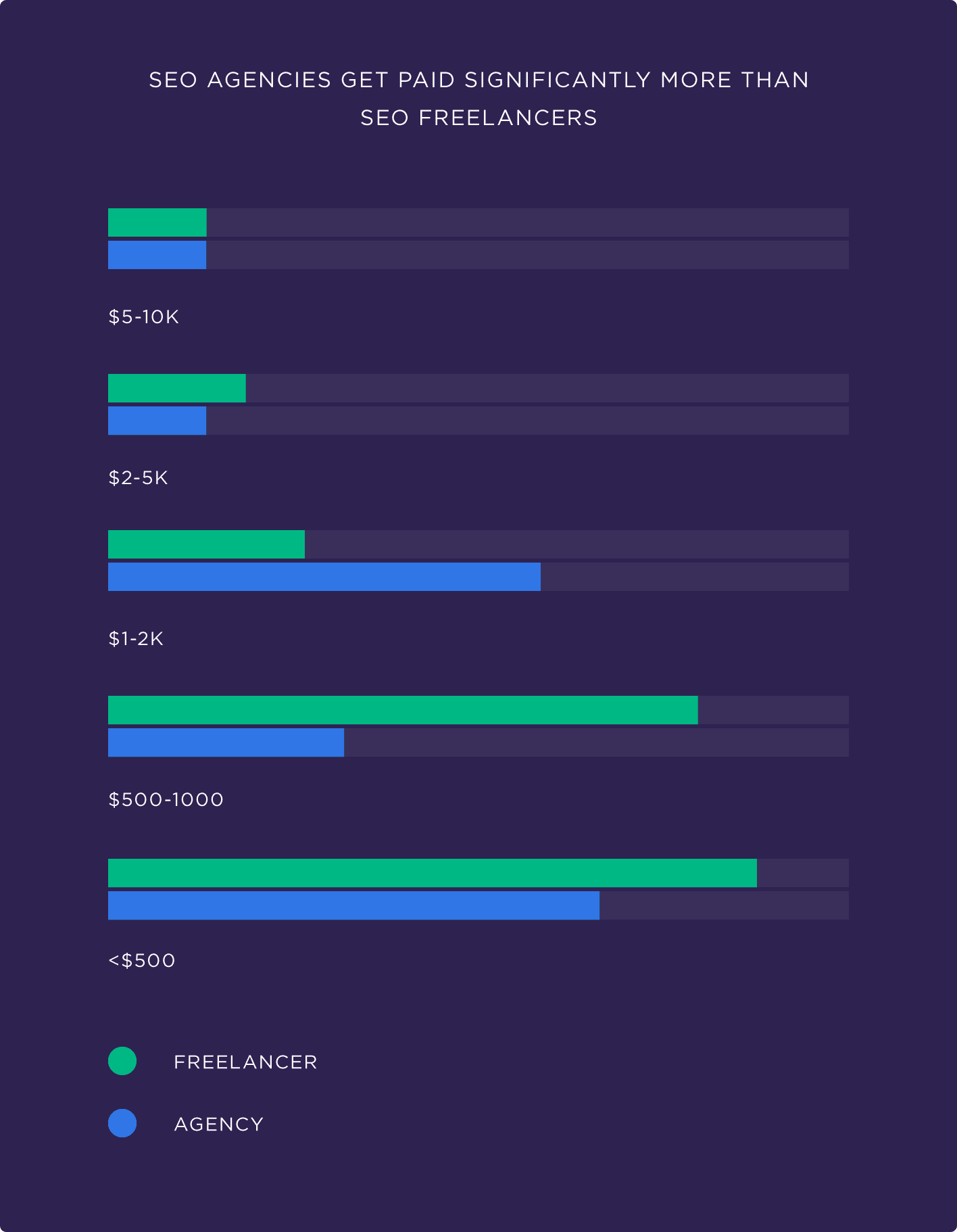
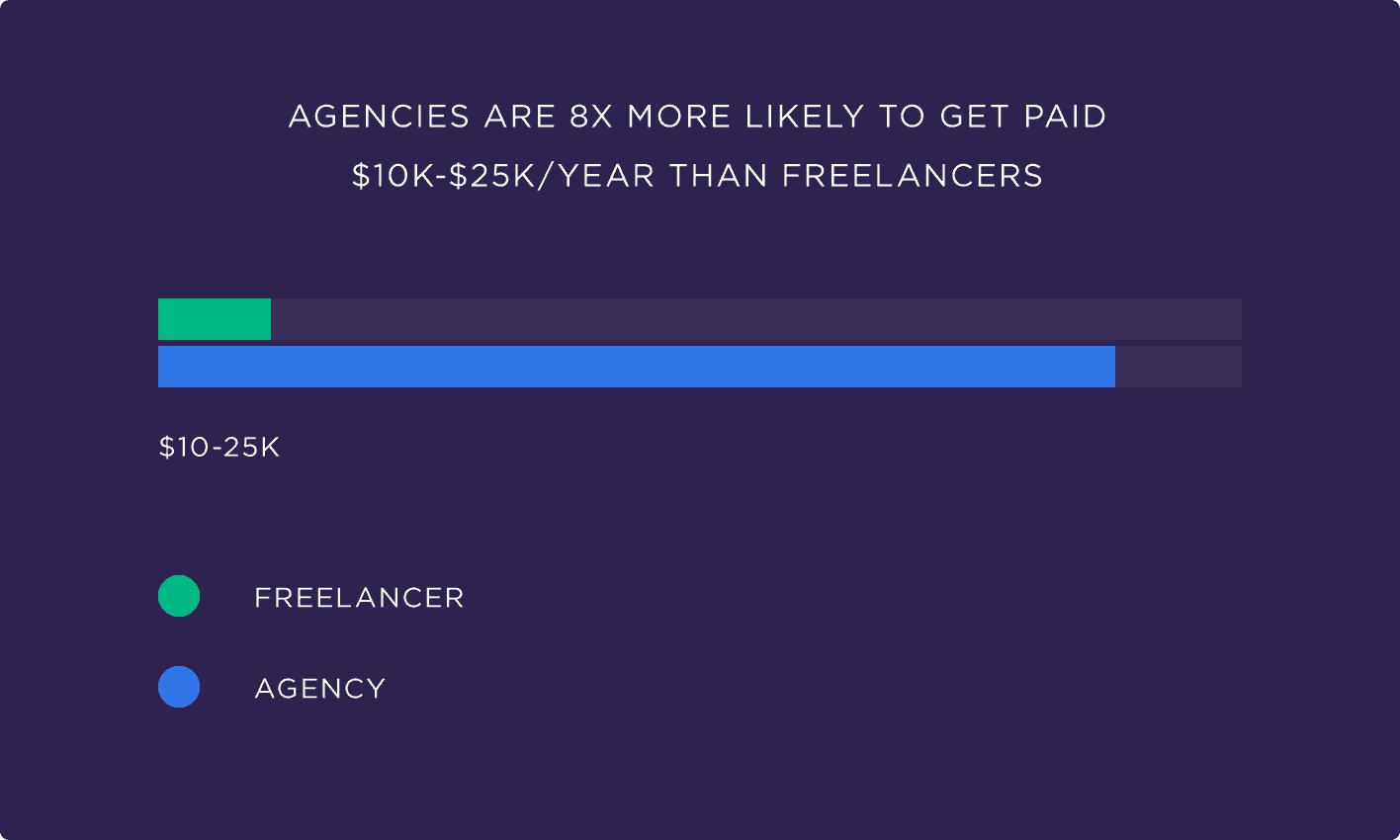
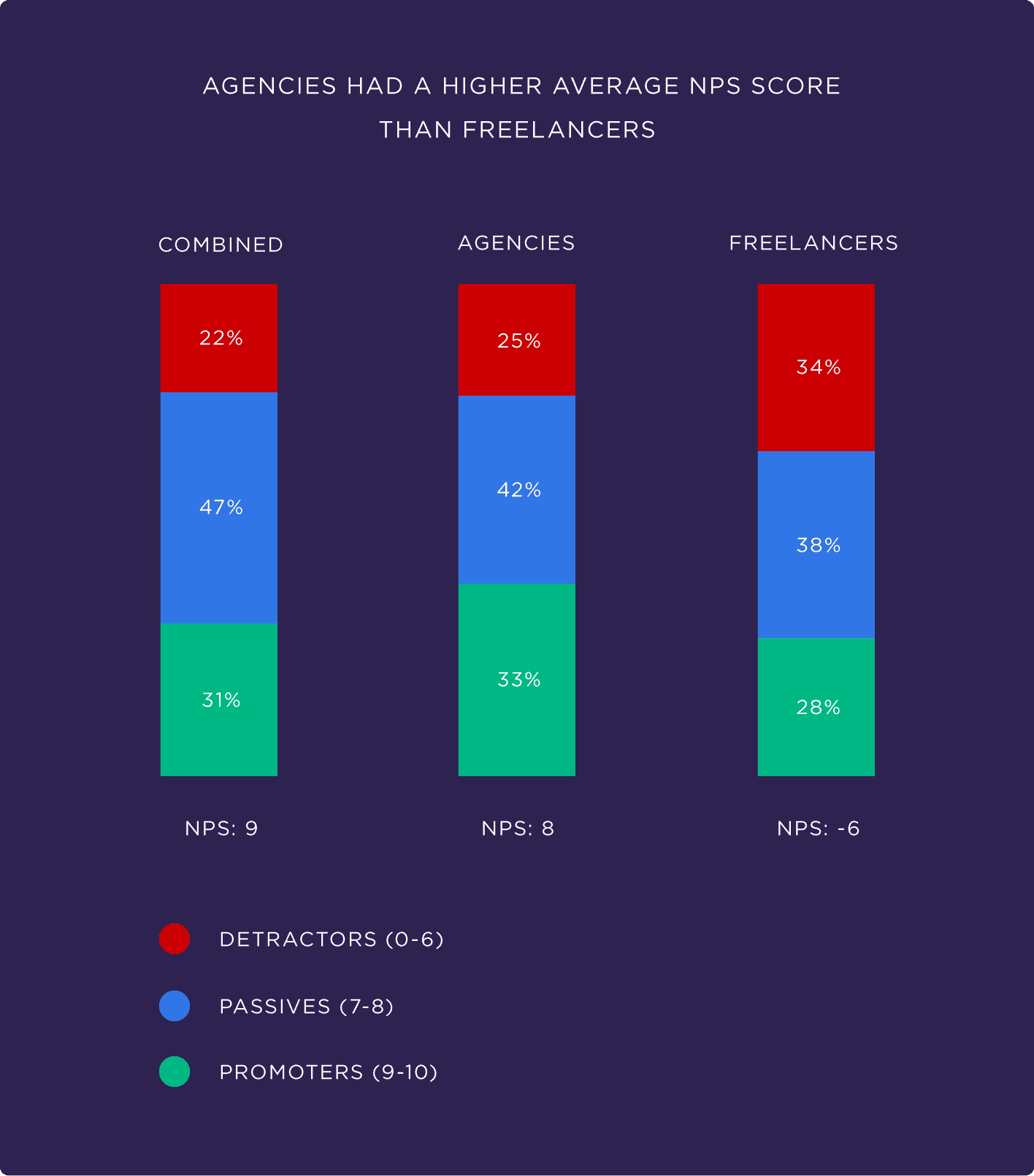
The market differentiates clearly between agencies and independent contractors. Agencies are twice as likely to command monthly fees in the $1,000–$2,000 range, and they are eight times more likely to secure high-value contracts ($10,000–$25,000 per year) than freelancers. This suggests that businesses perceive agencies as having more robust infrastructure, even if both struggle with overall client sentiment.
The "Web Savvy" Divide
One of the most revealing findings concerns the client’s own level of digital literacy. Existing, satisfied clients are twice as likely to consider themselves "extremely web savvy" compared to those who have churned. This indicates that education—explaining the why behind the what—is the most effective tool for retention. When clients understand the impact of a title tag update or a backlink, they are far more likely to perceive the value of the service.
The Reality of Client Satisfaction (NPS)
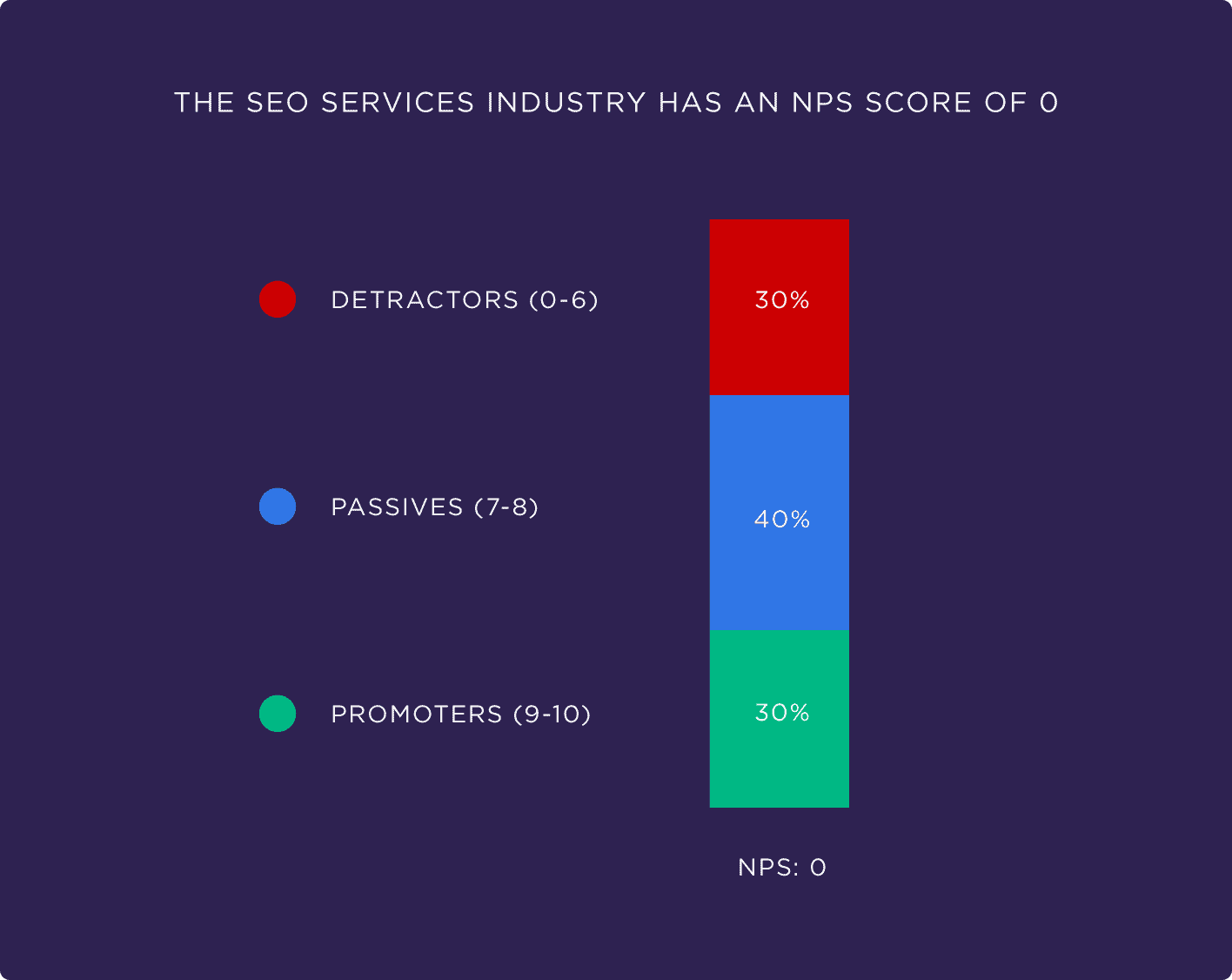
The industry’s Net Promoter Score (NPS) is a sobering figure: it sits at 0. With only 30% of business owners willing to recommend their current provider, the industry faces a significant trust deficit.
Why Clients Leave
When we examine the "lapsed client" cohort, the reasons for departure are consistent:
- Lack of Results (82%): A failure to move the needle on traffic or conversion.
- Cost (81%): The perceived lack of ROI compared to the monthly investment.
- Communication (34%): Poor responsiveness or a lack of clear reporting.
Crucially, "being pitched by a competitor" is a minor reason for leaving. This is a critical takeaway: clients generally do not leave because they were tempted by a cheaper offer; they leave because their current provider failed to demonstrate value.
Implications for the Future
For agencies and freelancers, the path forward is clear. The industry must move away from the "black box" model of SEO and toward a transparent, educational partnership.

1. The Power of Transparency
The fact that 27% of clients find SEO "confusing" and 25% are "unsure what they are paying for" represents a massive opportunity for providers. Moving away from technical jargon like "CSS" or "backlink profile" in favor of business-focused metrics—like "qualified leads," "customer acquisition," and "first-page visibility"—can bridge the knowledge gap.
2. The Location Factor
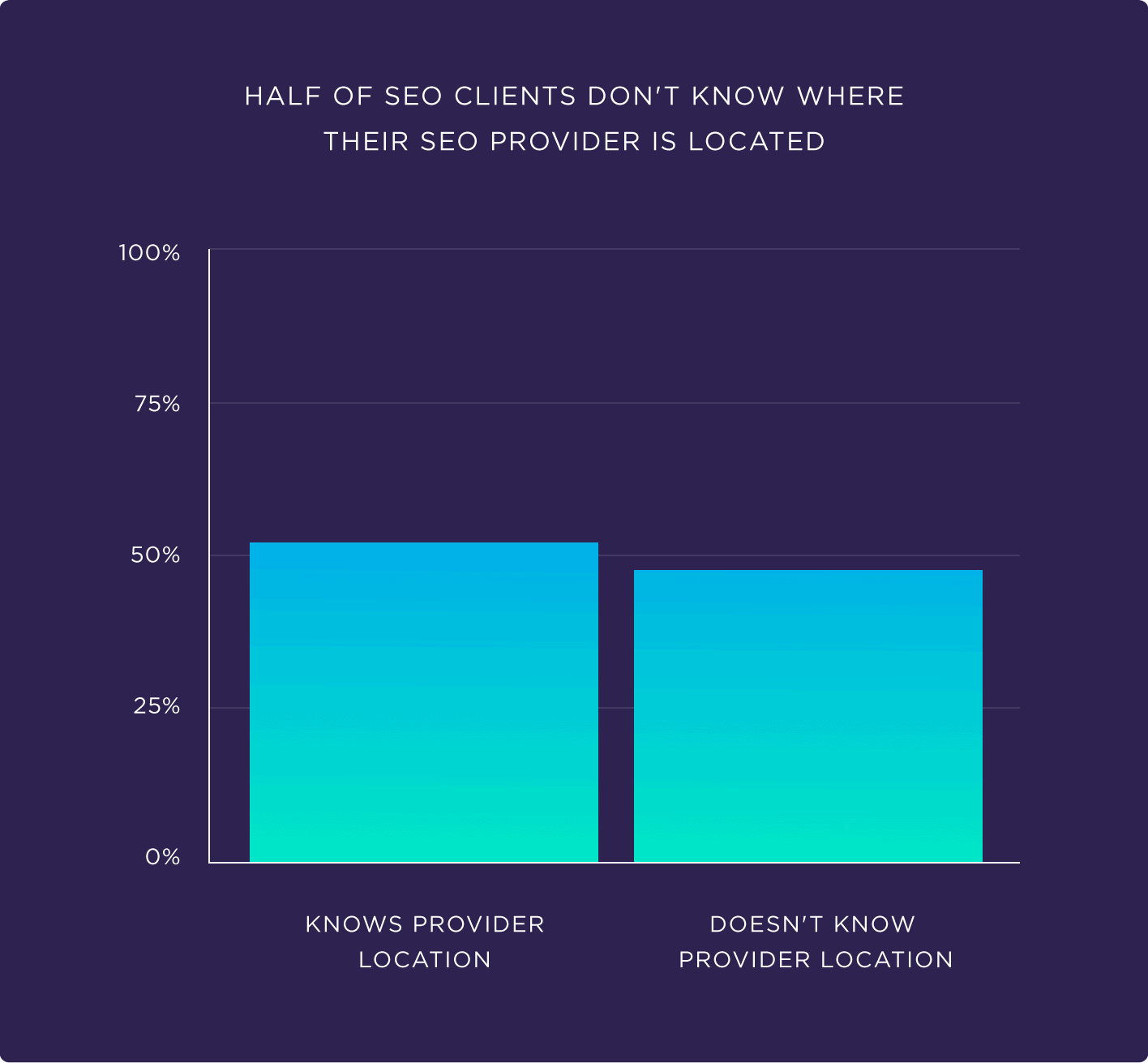
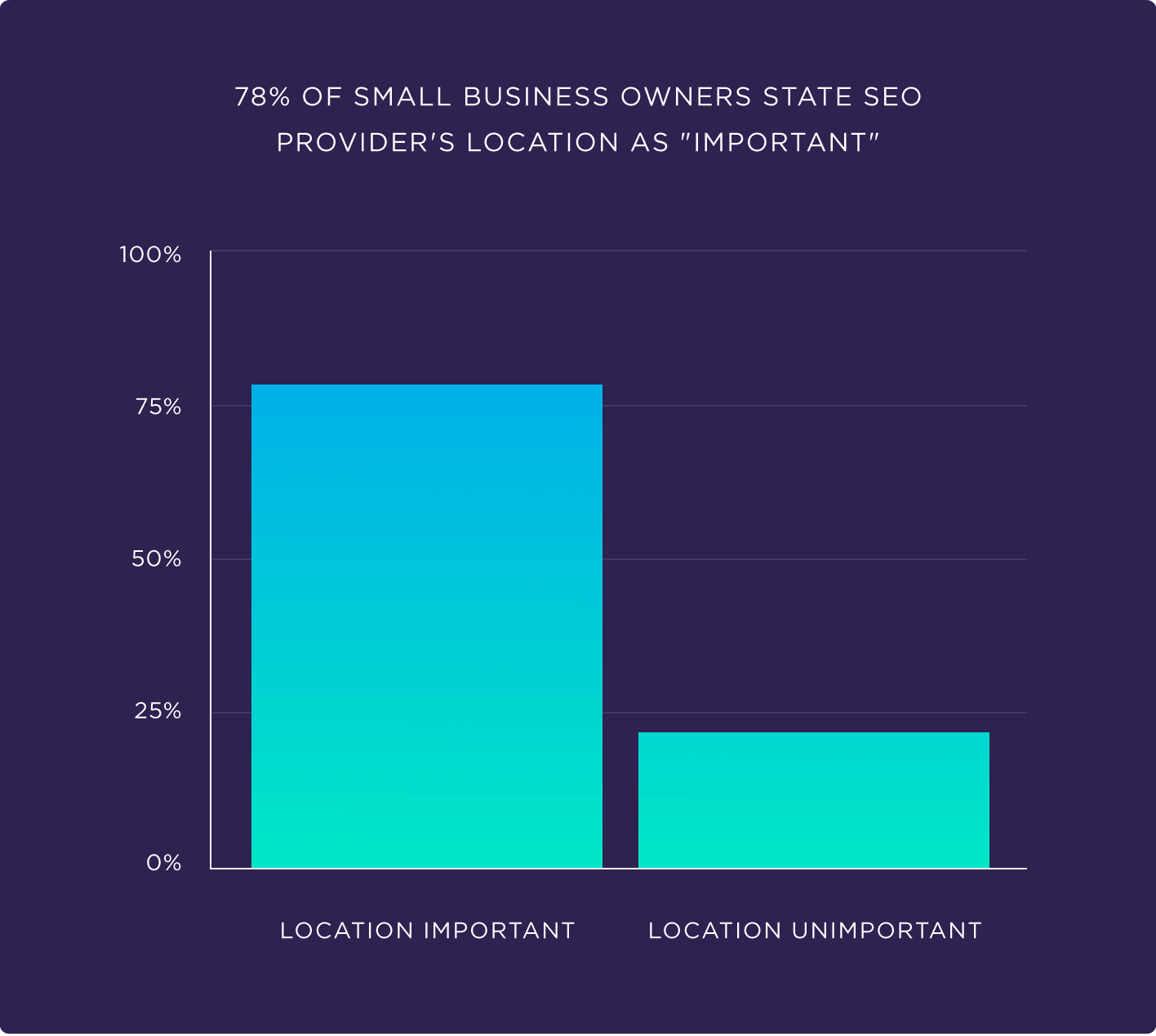
Despite the global nature of the internet, 78% of US-based business owners view a provider’s location as a highly important factor. Whether it is for the peace of mind of having a local partner or the ability to facilitate in-person strategy sessions, providers should make their location and office presence clear on their digital platforms.
3. Managing Expectations
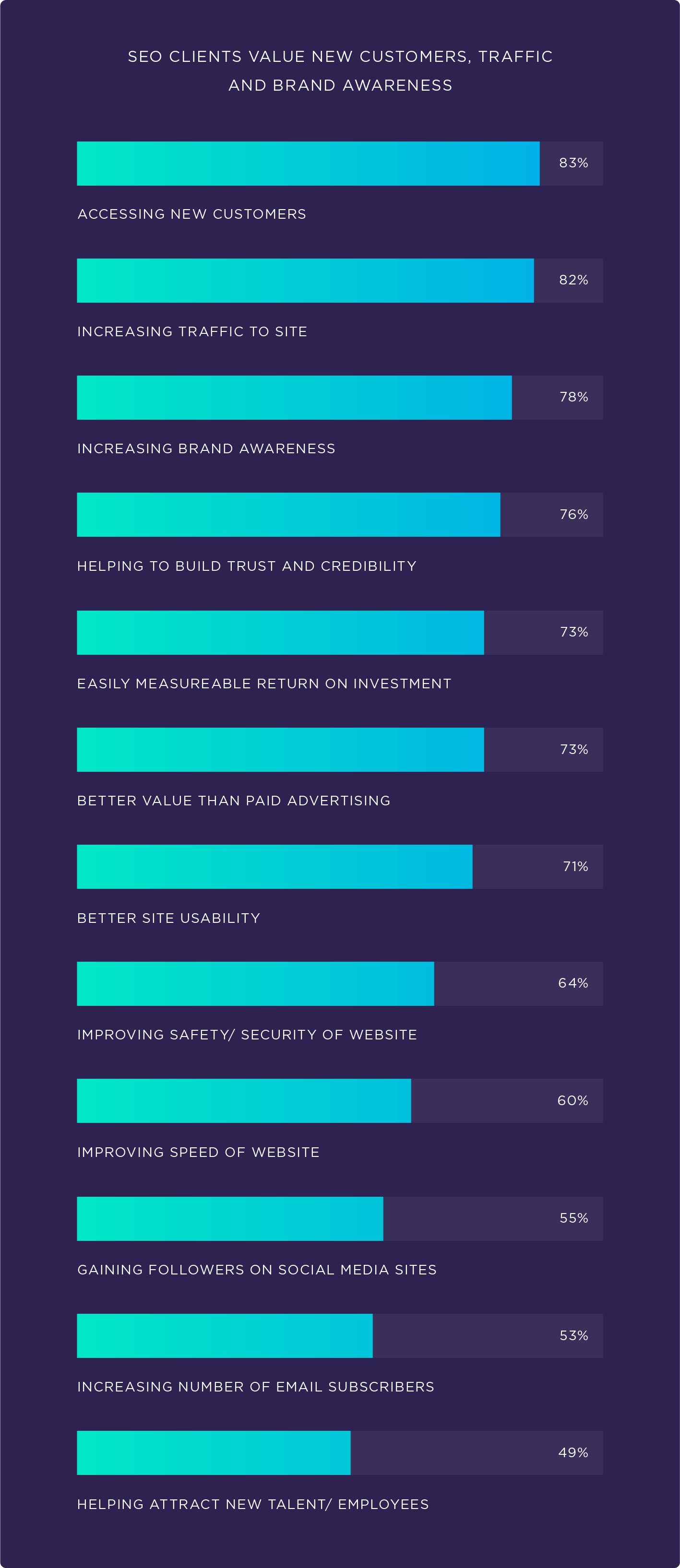
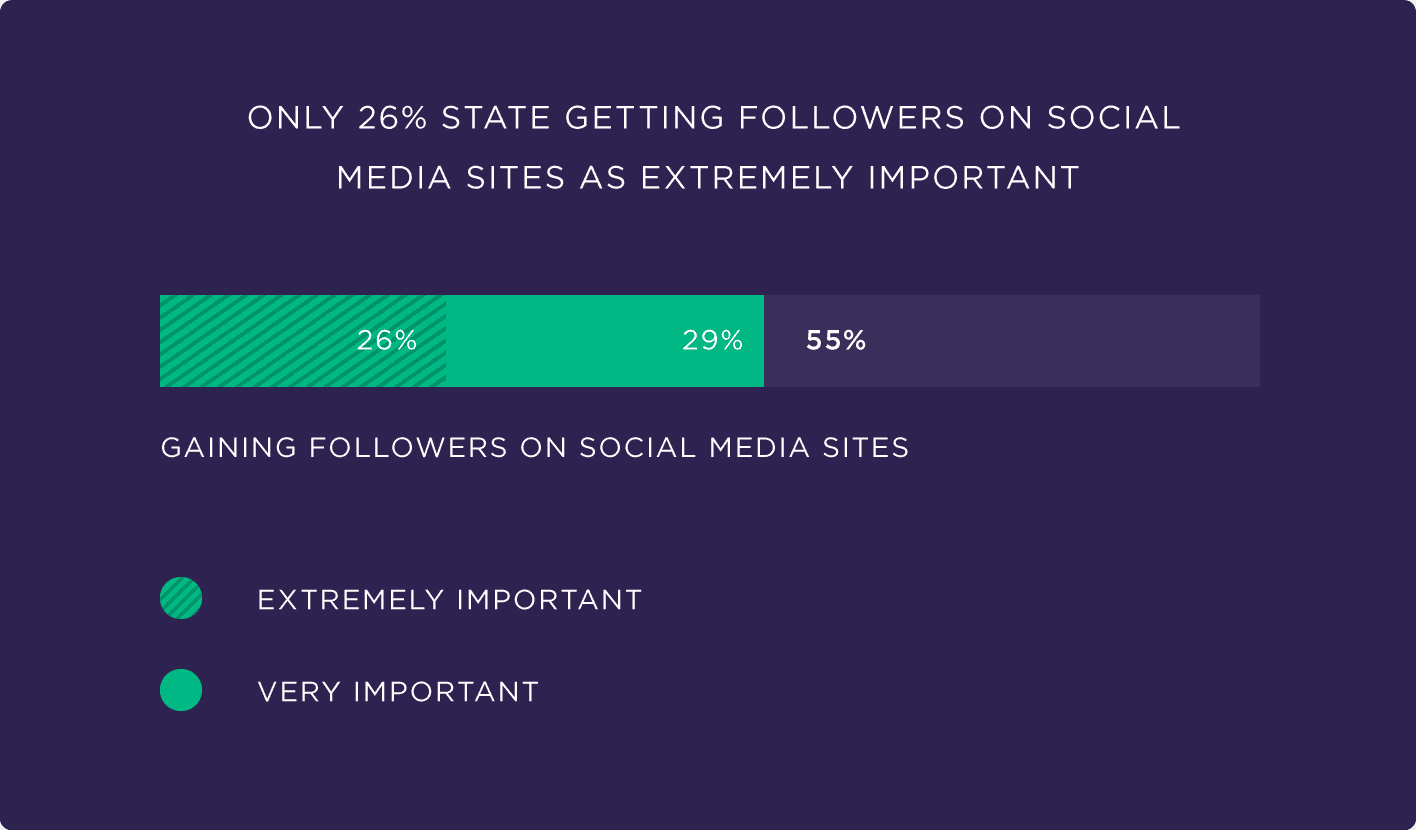
A successful SEO relationship starts with the initial pitch. Providers who lead with "social media follower growth" (which only 26% of clients value as a priority) are often setting themselves up for failure. Aligning services with the client’s primary desires—new customers, increased organic traffic, and brand trust—is essential for long-term retention.

4. The Impact of AI
The industry is already feeling the ripple effects of AI. A significant 29% of businesses report that AI tools have led to a "significant increase" in ROI, while 39% report a moderate increase. Very few practitioners feel that AI is a net negative. The future of SEO services will likely be defined by those who can successfully leverage AI to augment human strategy, rather than those who rely on outdated manual tactics.
Conclusion: Bridging the Trust Gap
The SEO services industry is currently at a crossroads. The demand for expertise is surging, yet the fundamental "contract of trust" between provider and client is frequently broken.
The data suggests that the winning formula for the next decade will not be found in secret algorithms or link-building hacks. Instead, it will be found in professionalism, education, and ROI transparency. Providers who can help their clients understand the value of the work—and who can map those efforts directly to business growth—will be the ones to break the cycle of high turnover and low satisfaction.
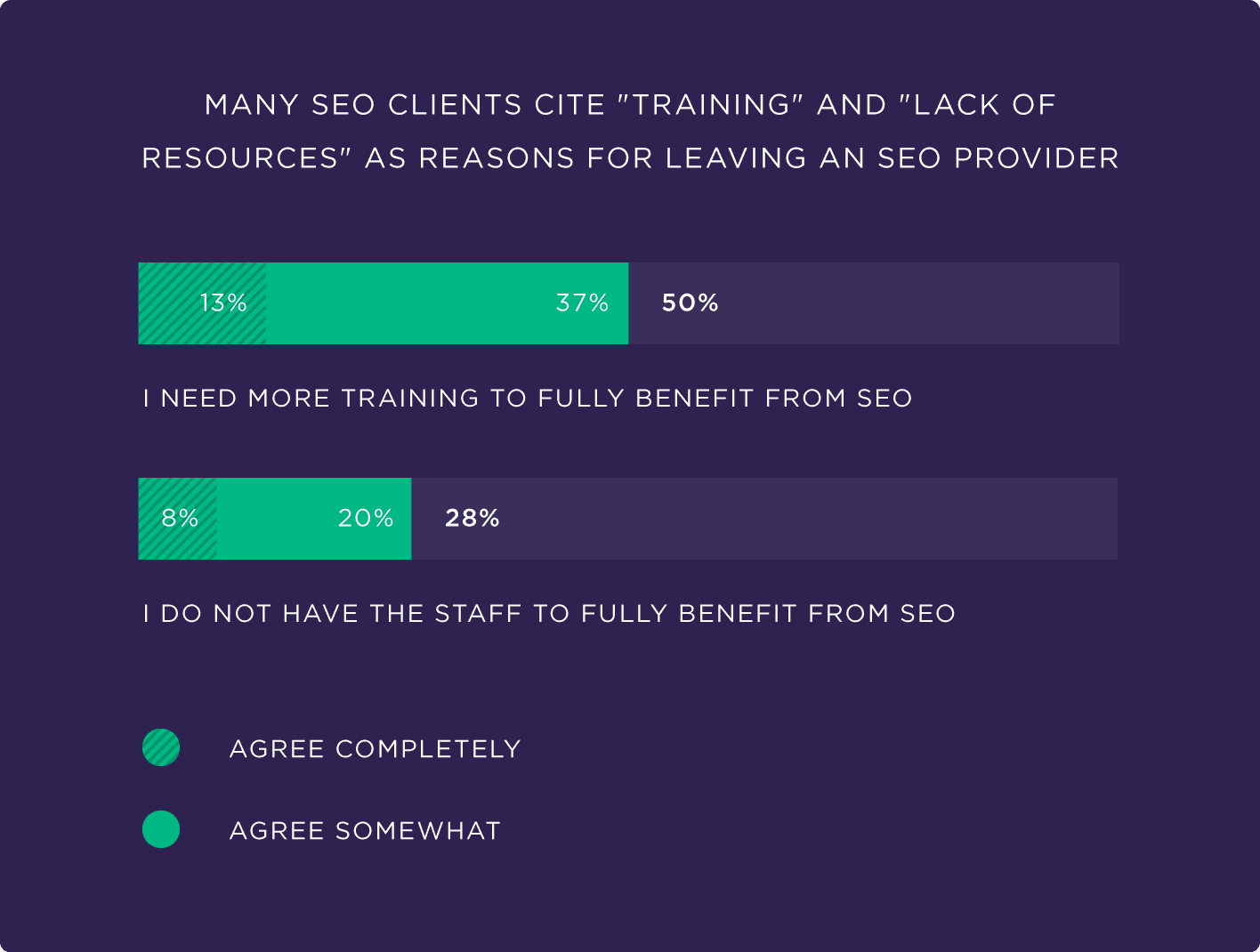
As we look toward the remainder of the decade, the most successful SEO firms will likely be those that function less like vendors and more like partners, demystifying the complexities of the search landscape and demonstrating, in plain language, how their work is driving the business forward.