In the modern digital landscape, brand reputation is often measured by high-profile press coverage, viral social media moments, and glossy product reviews. Yet, for many companies, these accolades fail to translate into search engine visibility. Even brands with massive cultural cachet are finding themselves invisible when it comes to the queries that drive revenue.

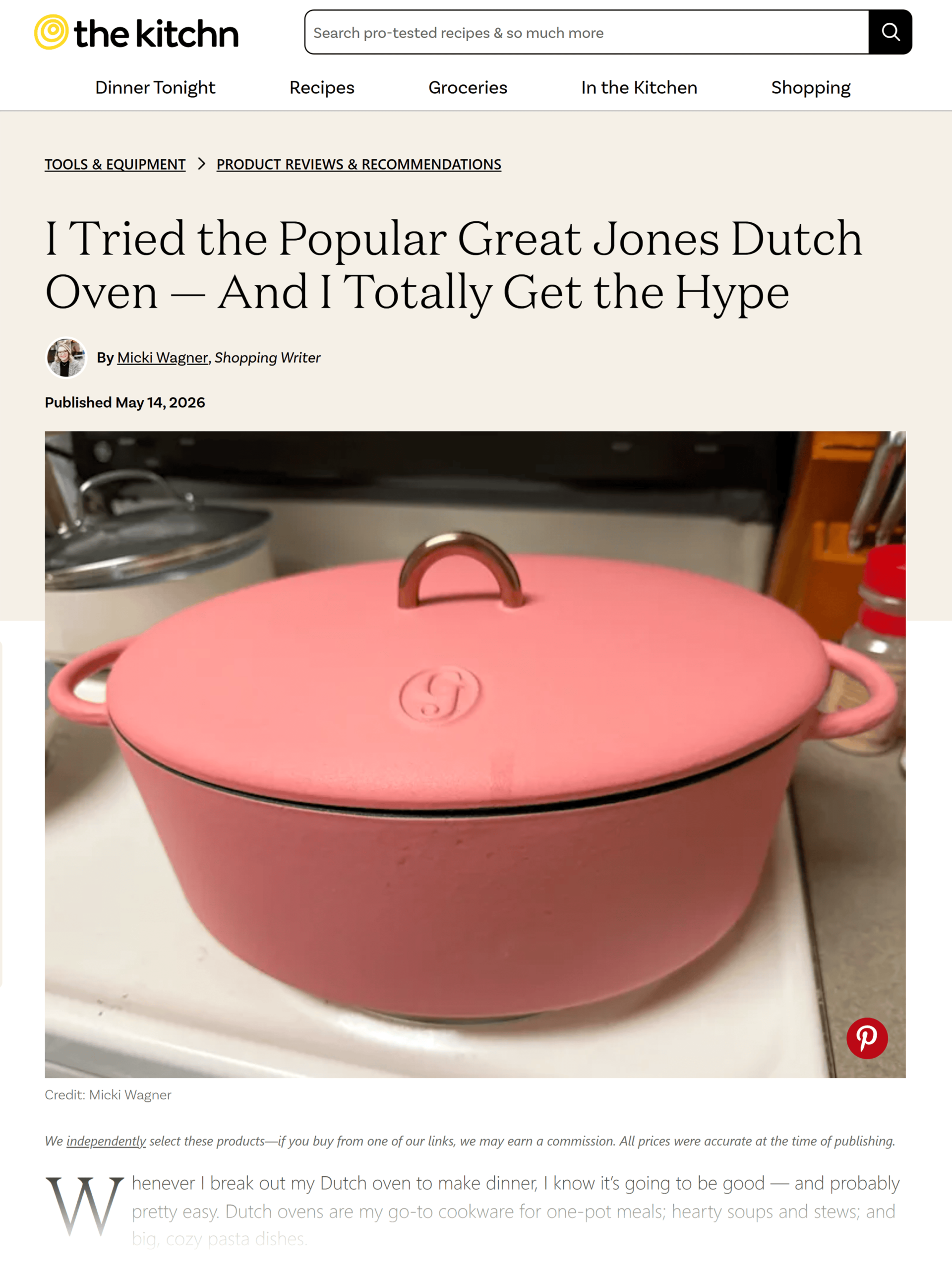
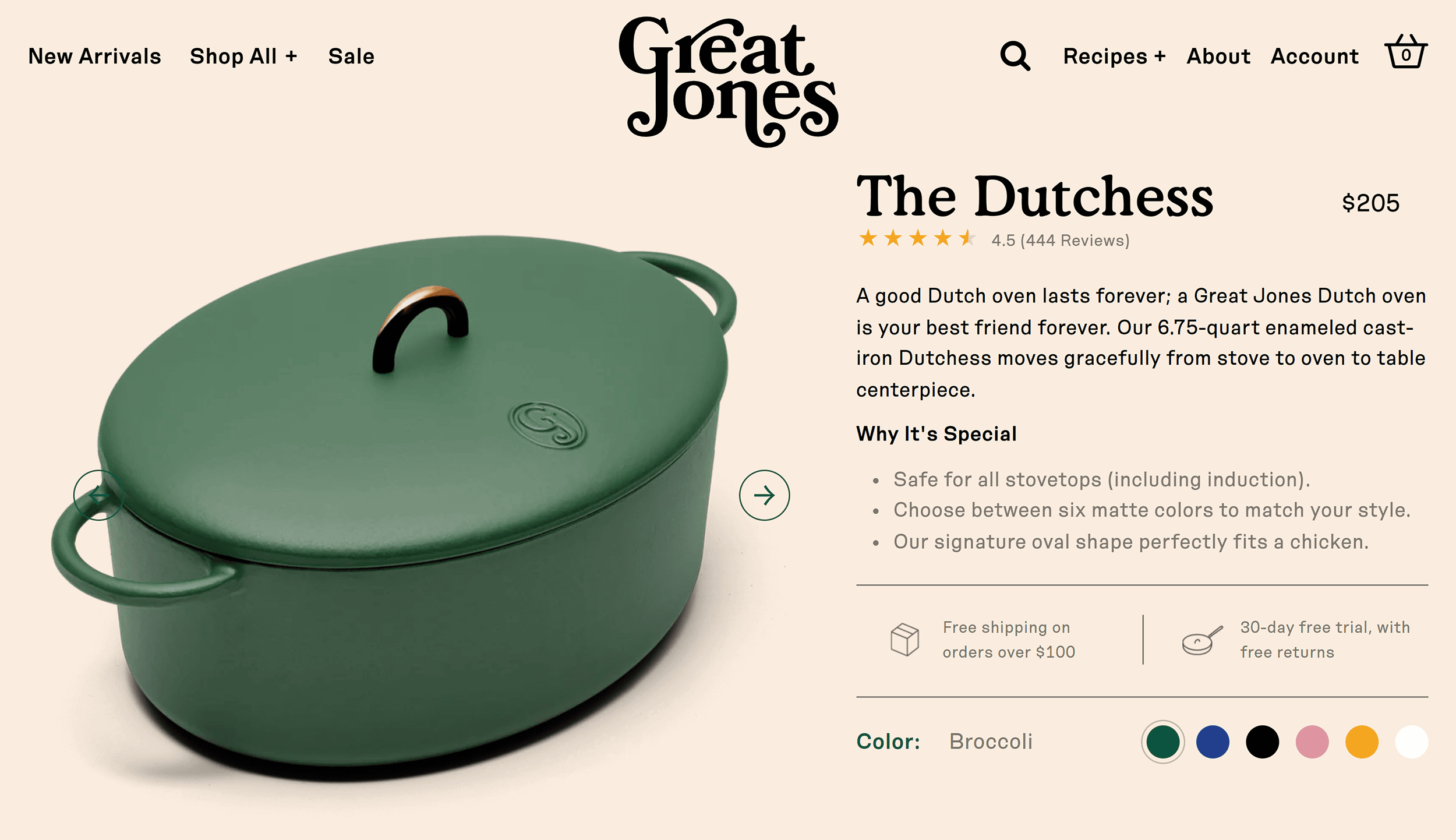
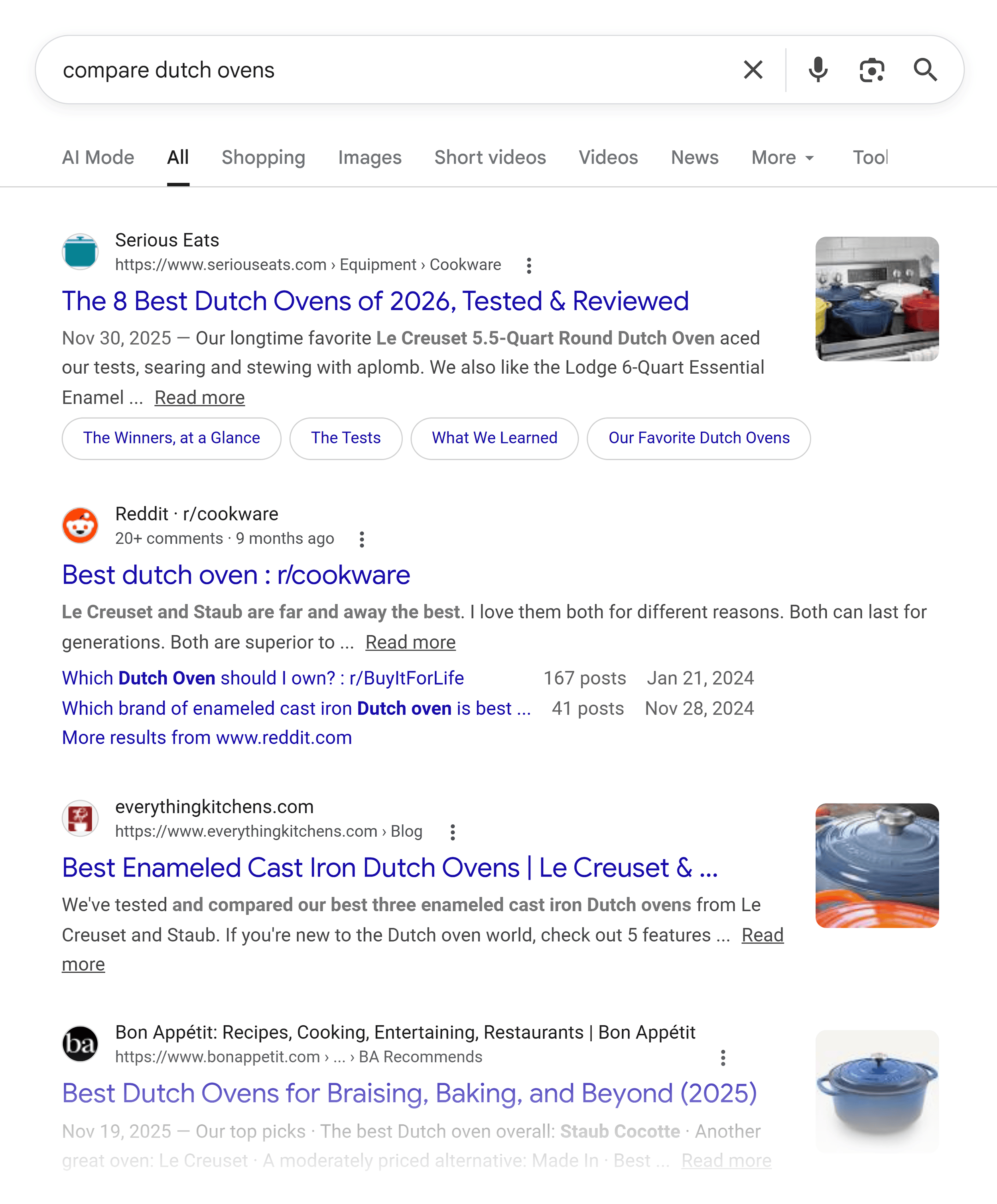
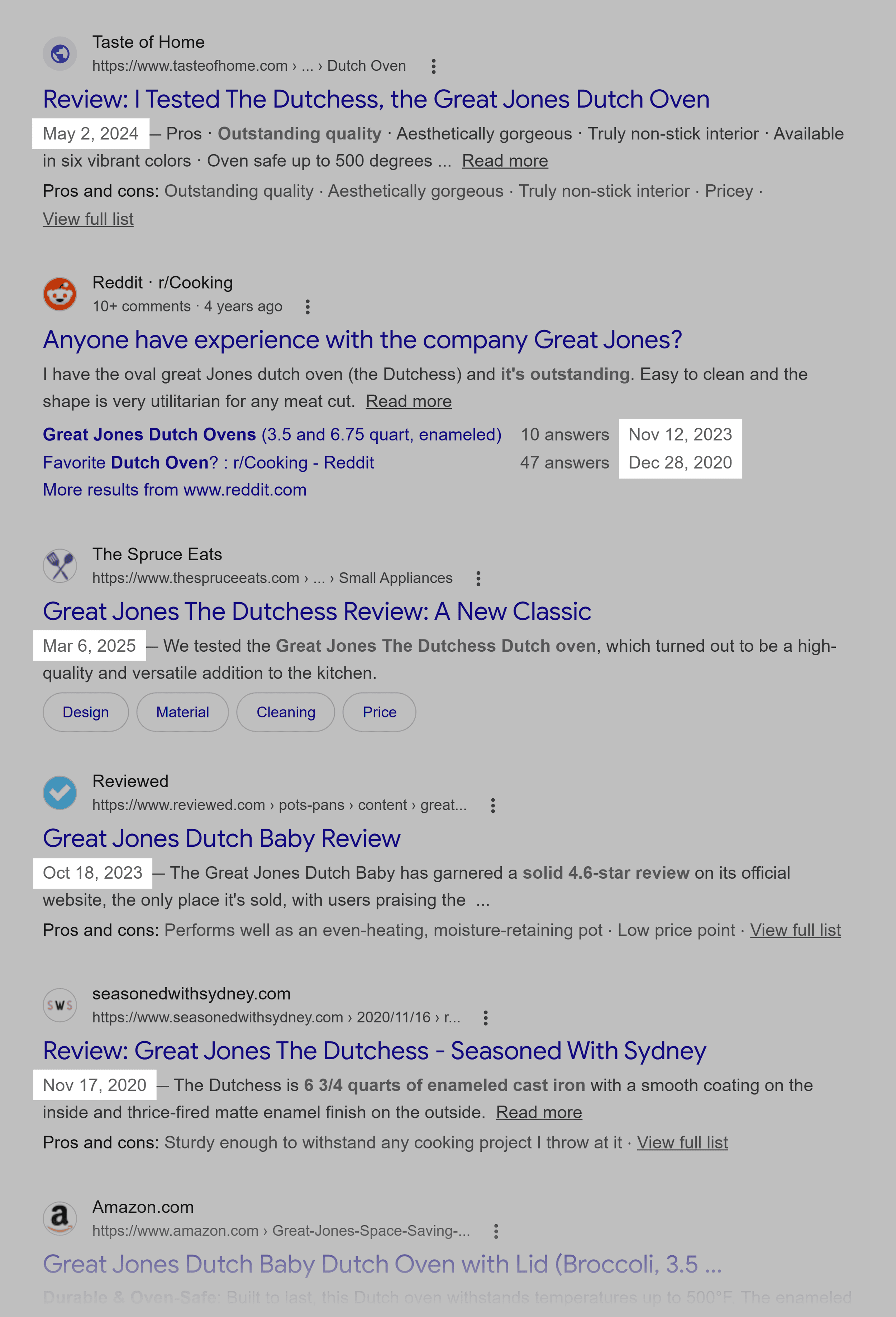
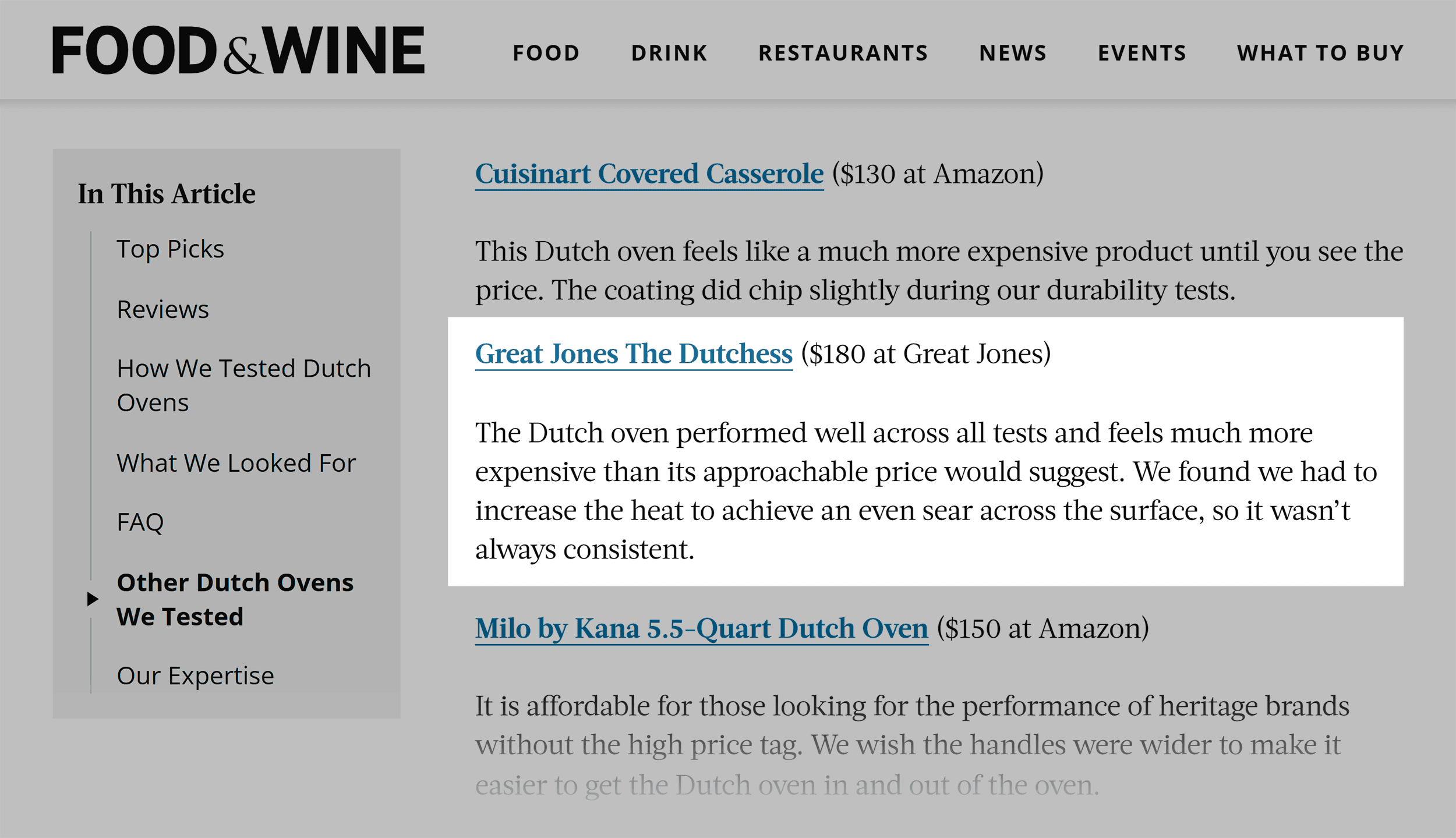
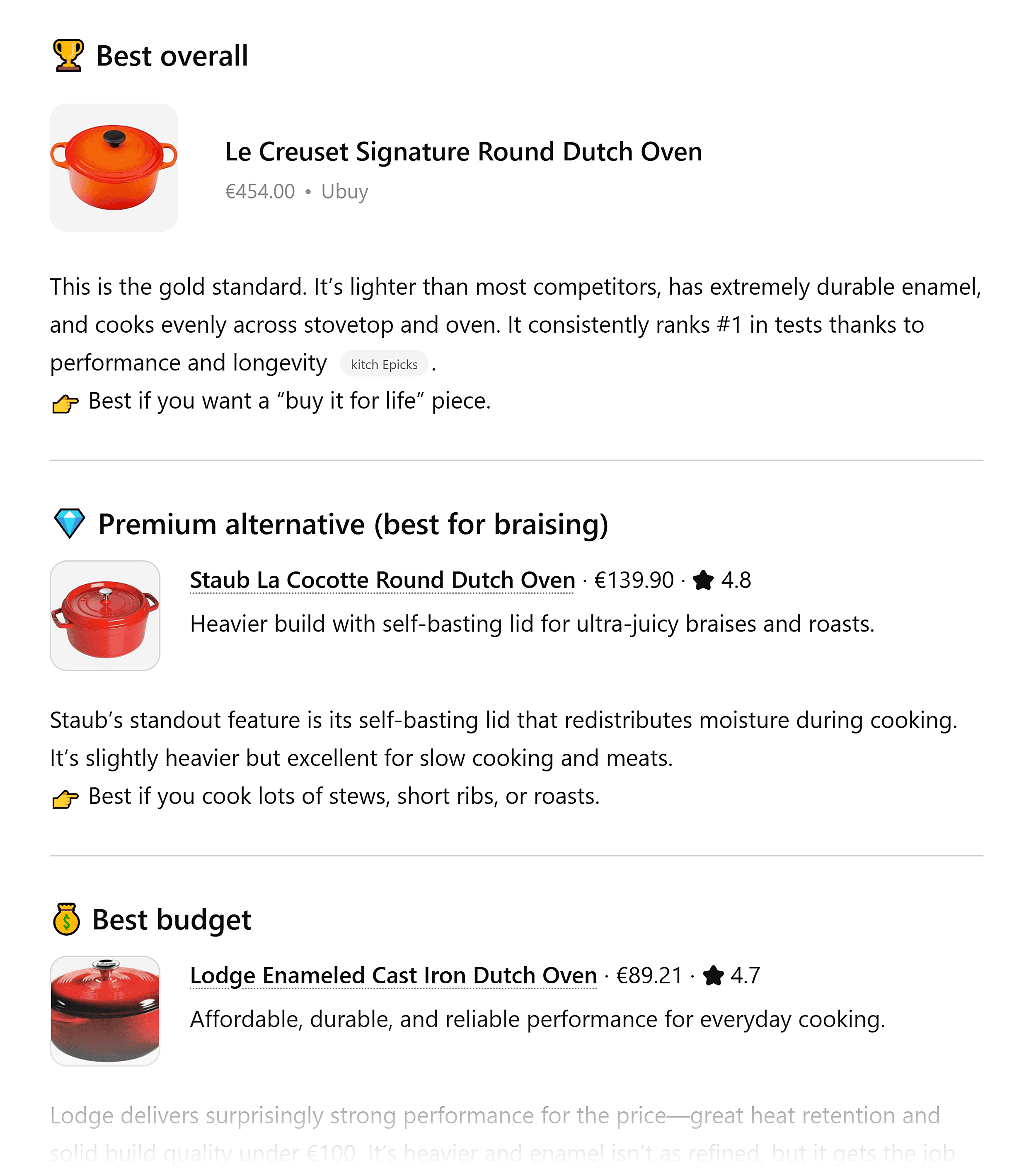
Take the case of Great Jones, a kitchenware company celebrated for its aesthetic appeal. Its signature Dutch oven, "The Dutchess," is a darling of the press, earning glowing features in Vogue, the New York Times, Bon Appétit, and The Kitchn. Despite this pedigree, a search for "best Dutch ovens" on Google—or a request for recommendations from a large language model (LLM) like ChatGPT—rarely results in a mention of the brand.
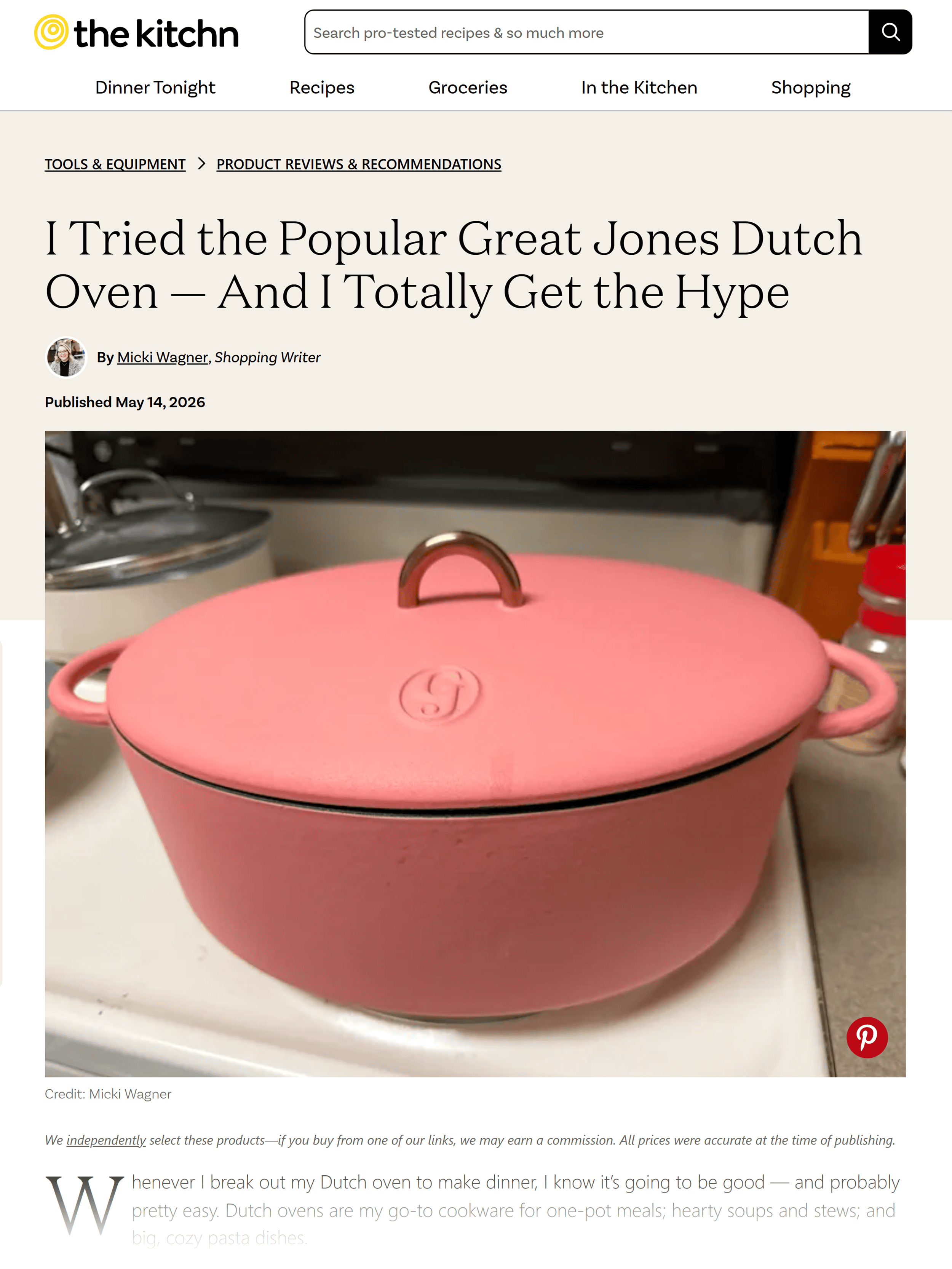
This isn’t a failure of product quality or public relations. It is a failure of topical authority.
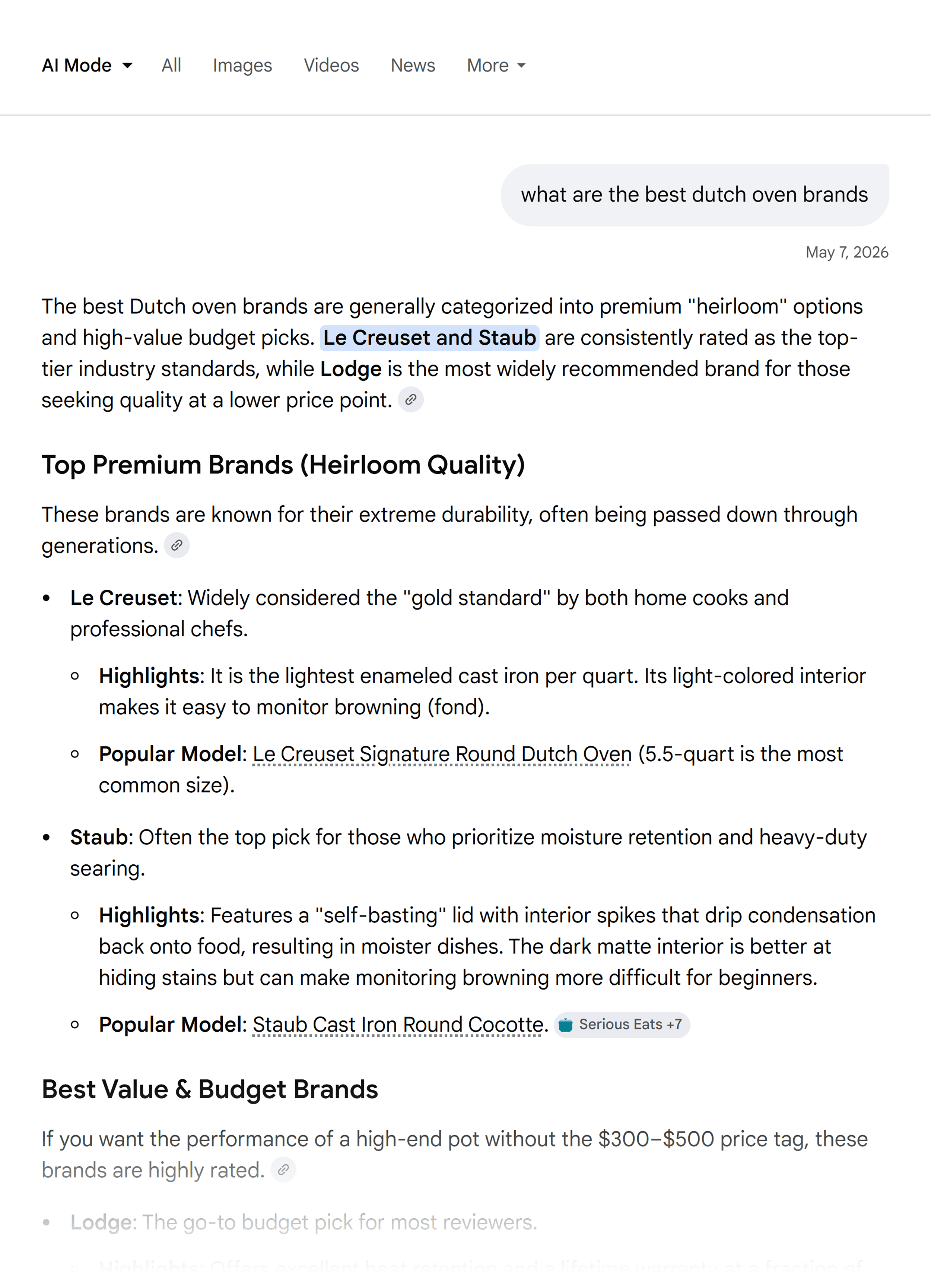
What Is Topical Authority?
Topical authority is a site’s earned reputation for expertise on a specific subject. It is the digital equivalent of a "vote of confidence" from search algorithms and AI models. It forms when a brand and a specific topic appear together consistently across the digital ecosystem—in the content on your own site and in the external signals that search engines, buyers, and LLMs trust.
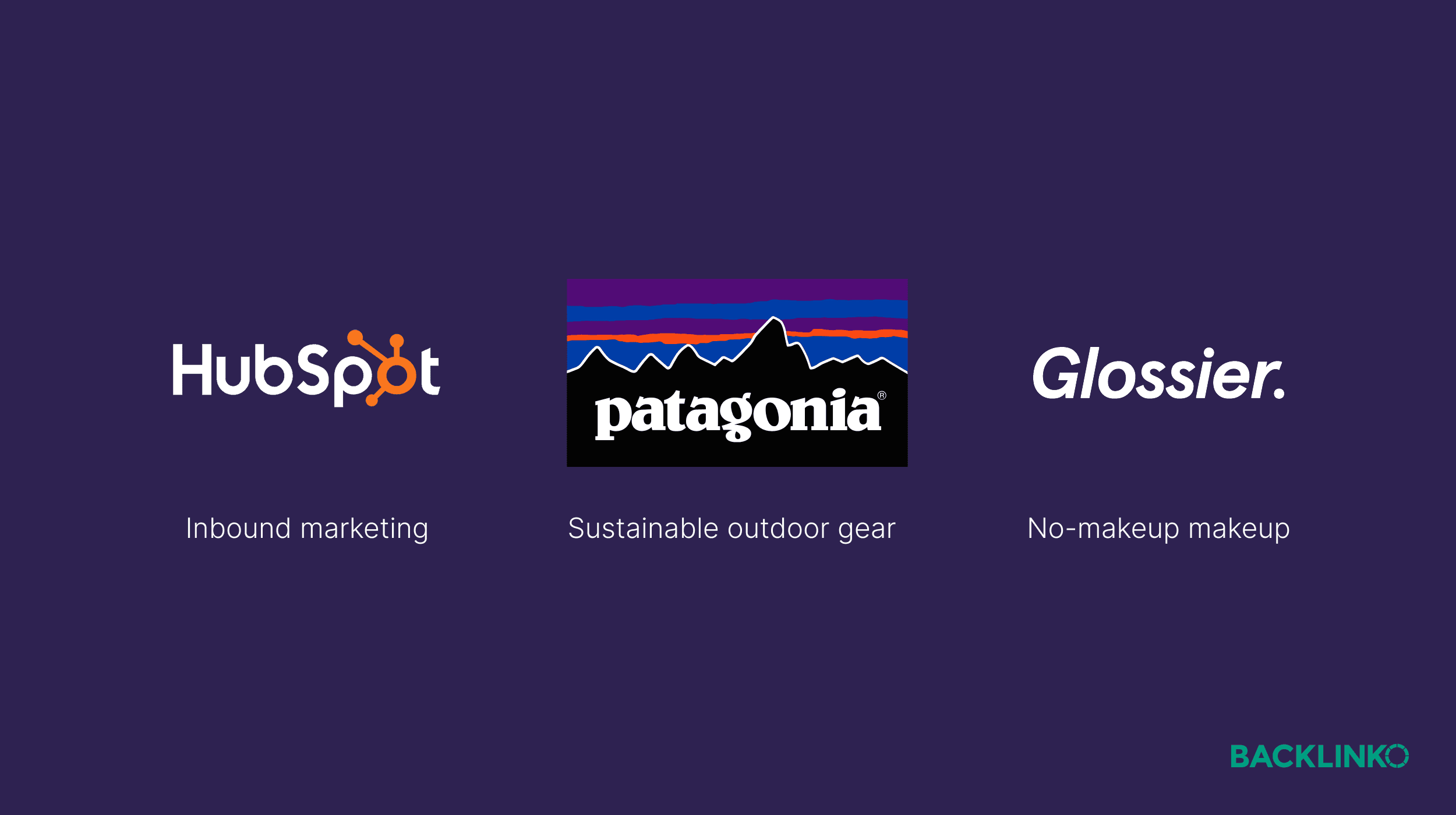
The disconnect for brands like Great Jones lies in a lack of a cohesive "pattern." While they have scattered proof of quality, they lack a consistent, positive framing that ties the brand to the category of Dutch ovens. Without this, search engines and LLMs cannot confidently establish a link, causing them to default to legacy brands that have spent years signaling their expertise.
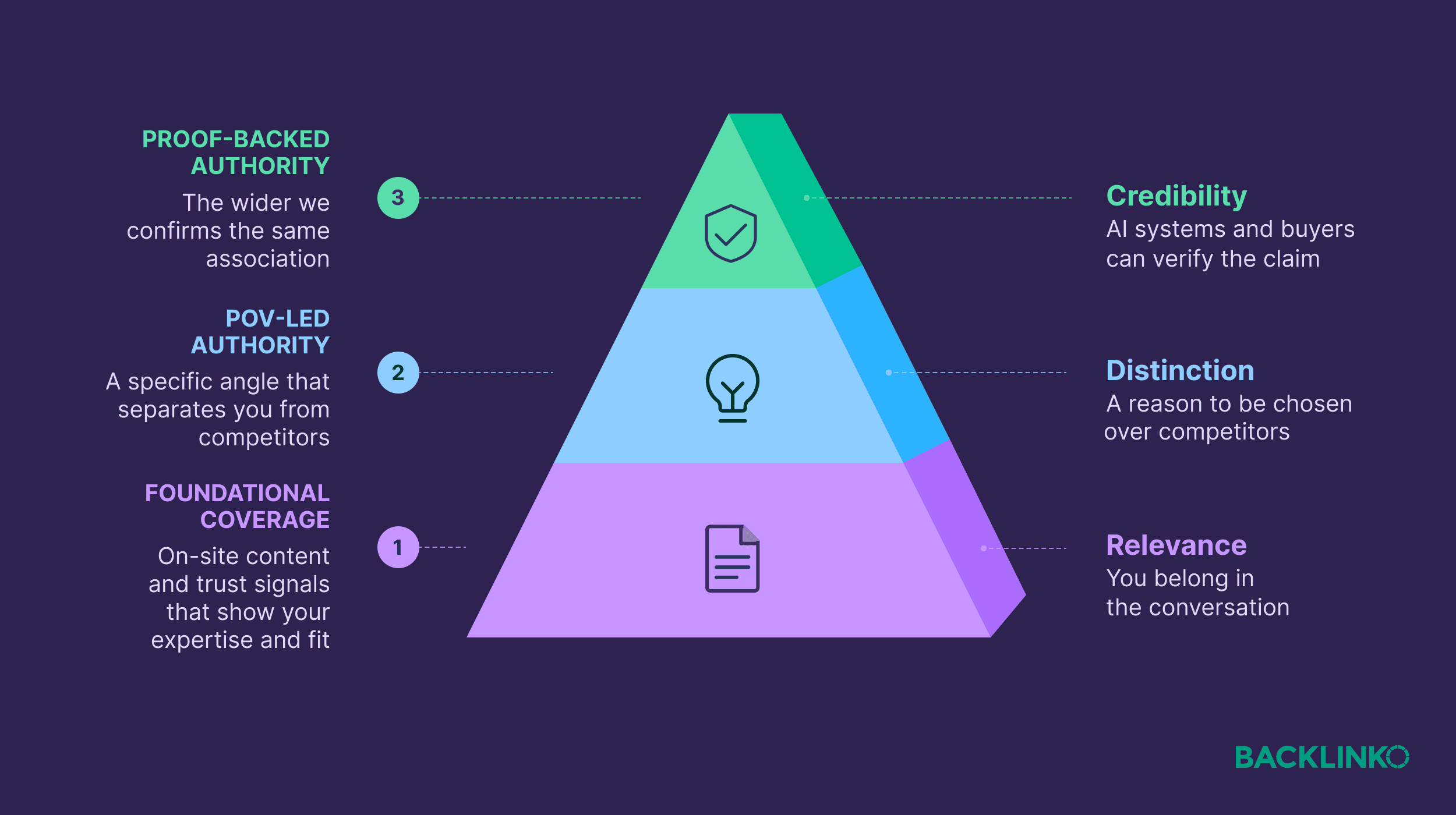
The Topical Authority Pyramid: A New Framework
Historically, SEO relied on "content volume"—the idea that if you published enough articles on a subject, you would inevitably own it. That era has passed. Today, search engines and LLMs look for a clear, defensible position on a topic supported by external validation.
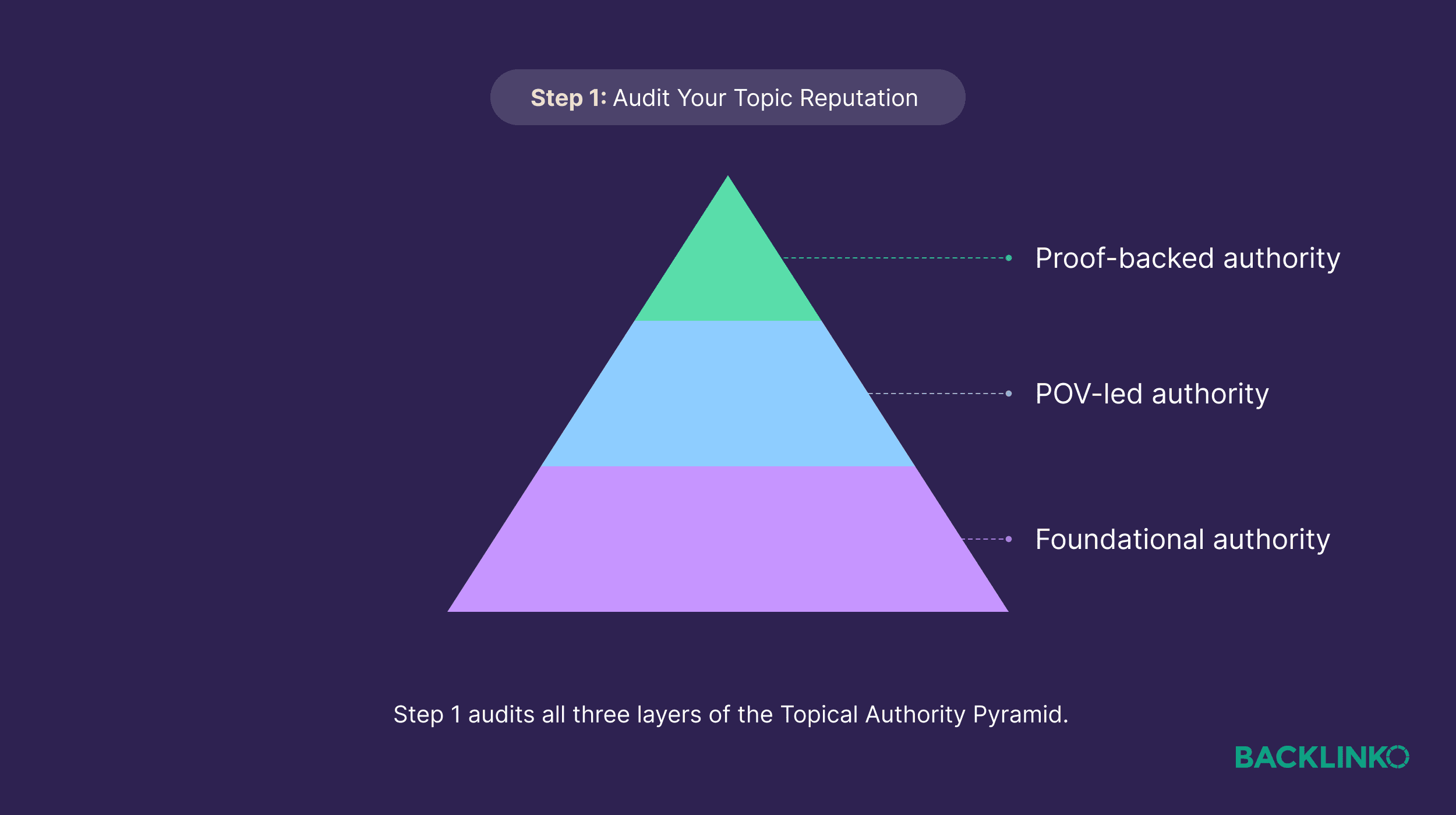
To solve this, I have developed the Topical Authority Pyramid, a framework designed to turn a brand into the go-to name in its niche. This framework synthesizes research into brand positioning and search architecture, building on insights from industry leaders like Amanda Milligan, Content and Growth Manager at Semrush.
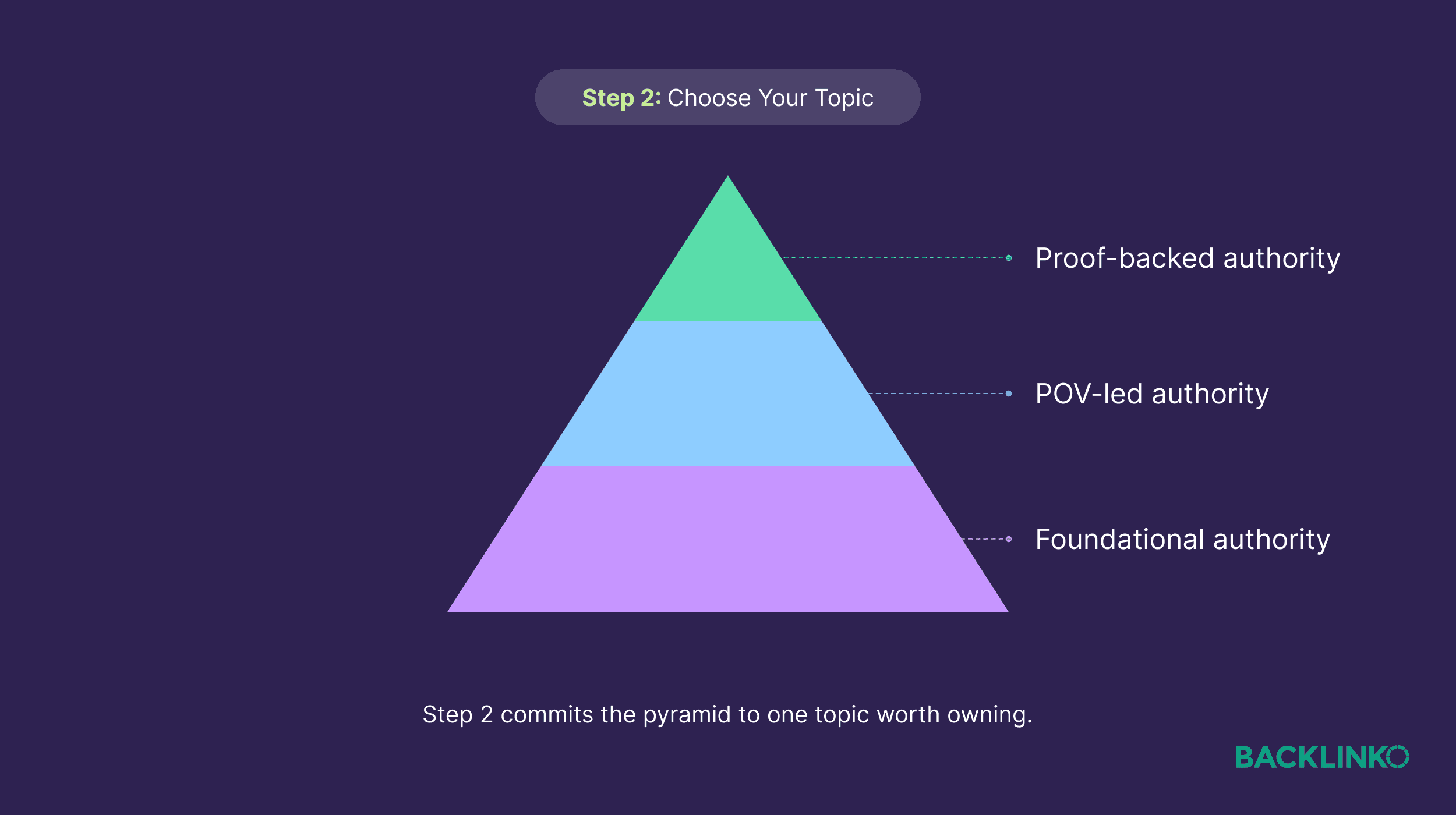
The Three Layers of Authority
- Foundational Authority: This is the base of the pyramid. It is your site’s internal architecture, the depth of your content, and how well you organize information to demonstrate expertise.
- Point of View (POV): This is the middle layer. It is the distinct angle you take on a topic that makes you memorable and differentiates you from competitors.
- Proof Systems: The peak of the pyramid. This is the external evidence—backlinks, citations, expert mentions, and social proof—that confirms your expertise to the world.
Step 1: Auditing Your Topical Reputation
Before building authority, you must understand where you currently stand. Your brand has a reputation in the eyes of Google, whether you intended it or not.
Researching On-Site Associations
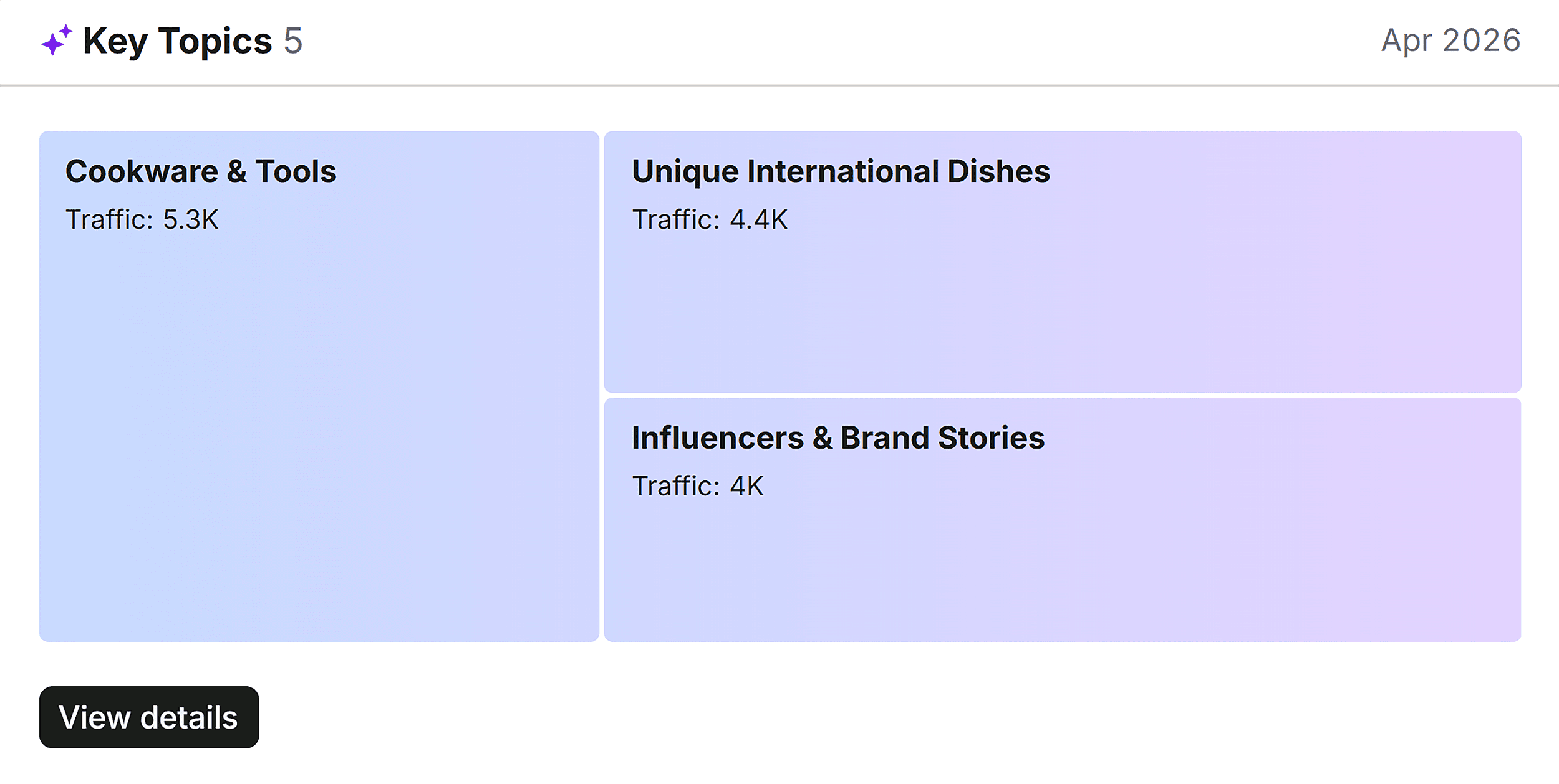
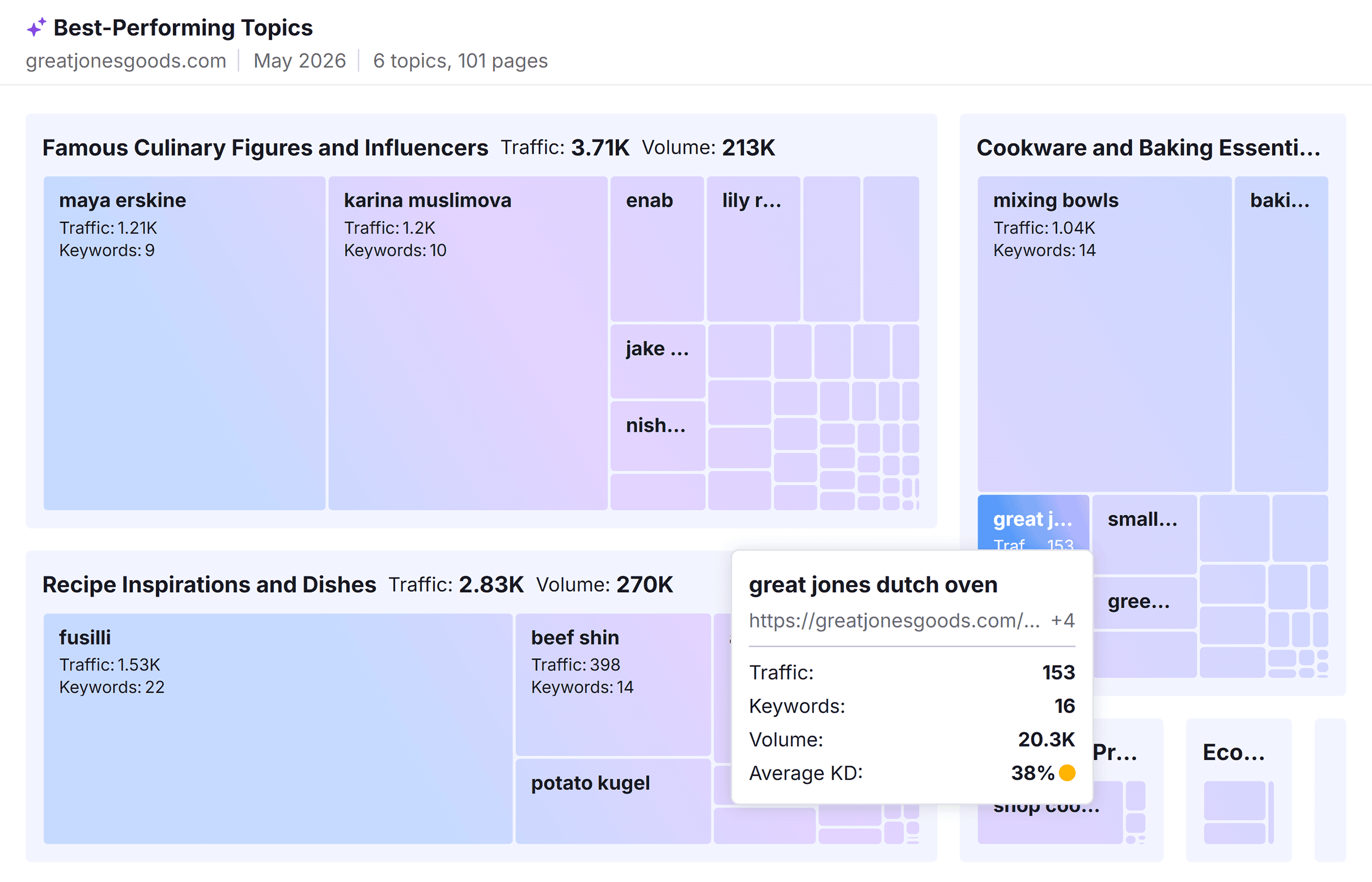
Using tools like the Semrush Organic Rankings report, you can identify which topics your domain currently ranks for. When I performed this audit for Great Jones, the results were telling: their strongest associations were "recipes" and "celebrity chefs." Despite the Dutch oven being their primary product, it barely registered as a core topic. This is a classic "topical gap."
Auditing Your Off-Site Presence
External validation is the most heavily weighted signal for AI systems. You must review your third-party coverage:
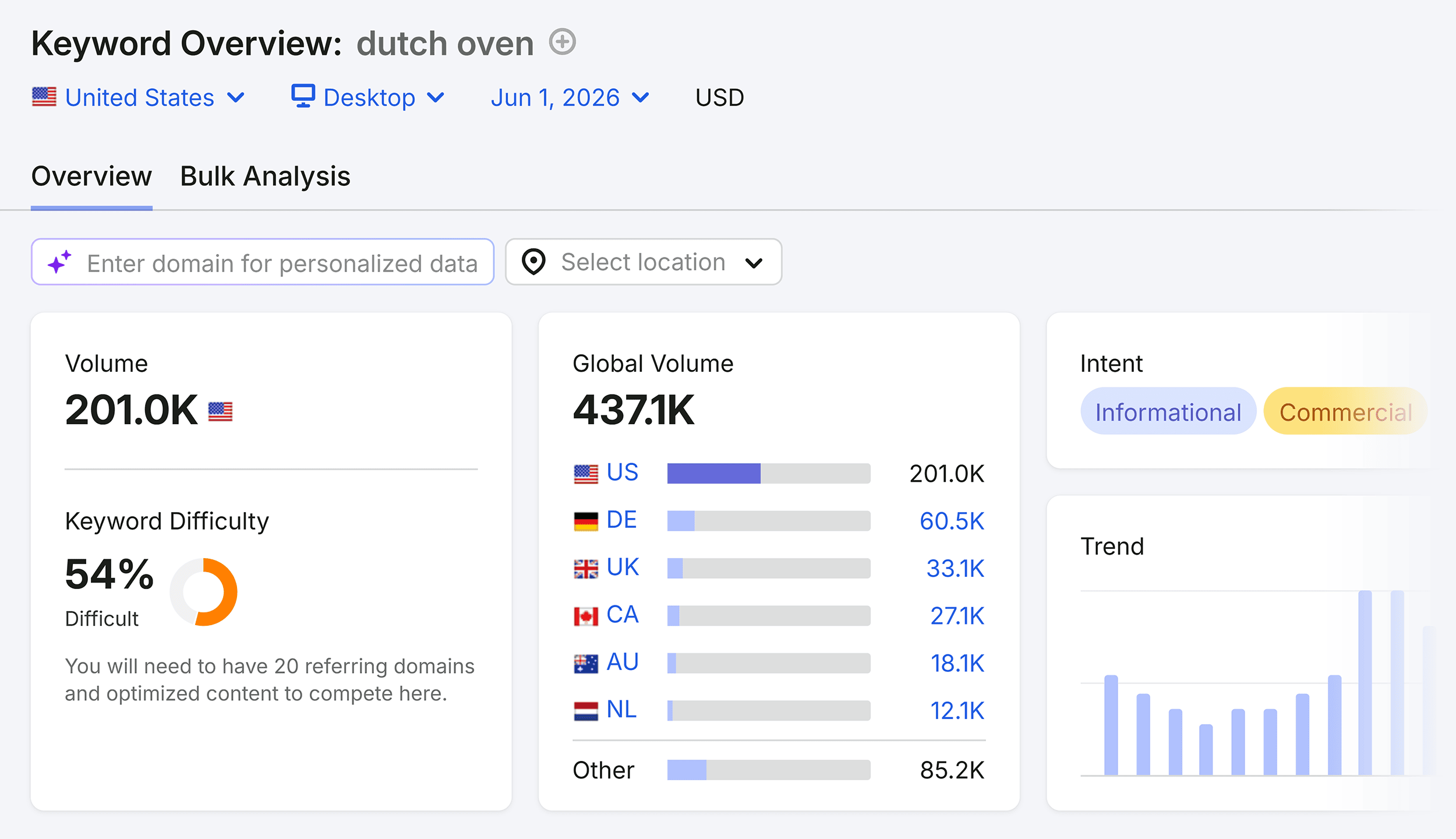
- Editorial Press: Does your brand appear in high-authority "best of" lists for your target topic?
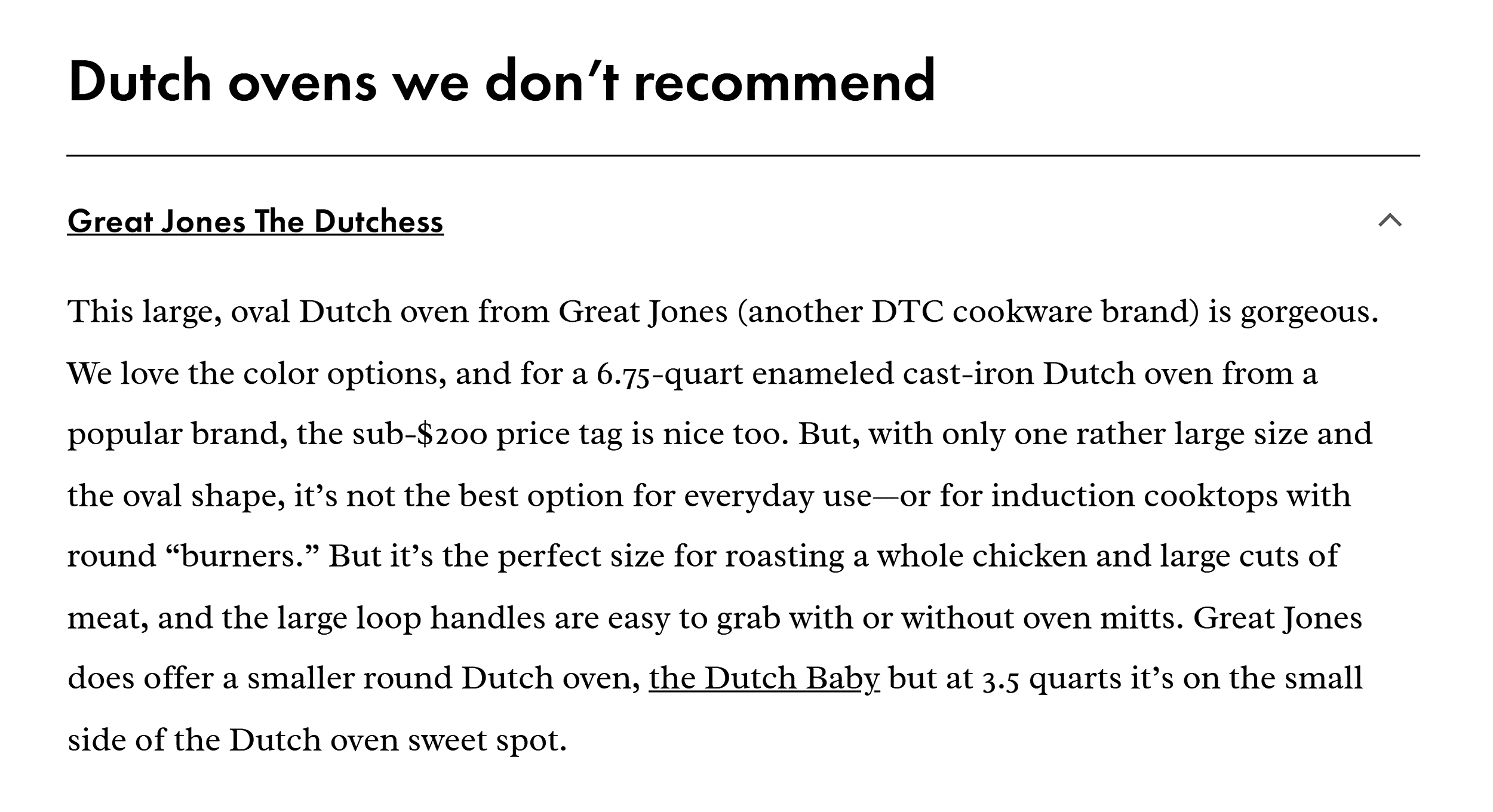
- Sentiment Analysis: Are the mentions positive? In the case of Great Jones, some major publications even categorized them under "Dutch ovens we don’t recommend," a direct blow to their authority in that category.
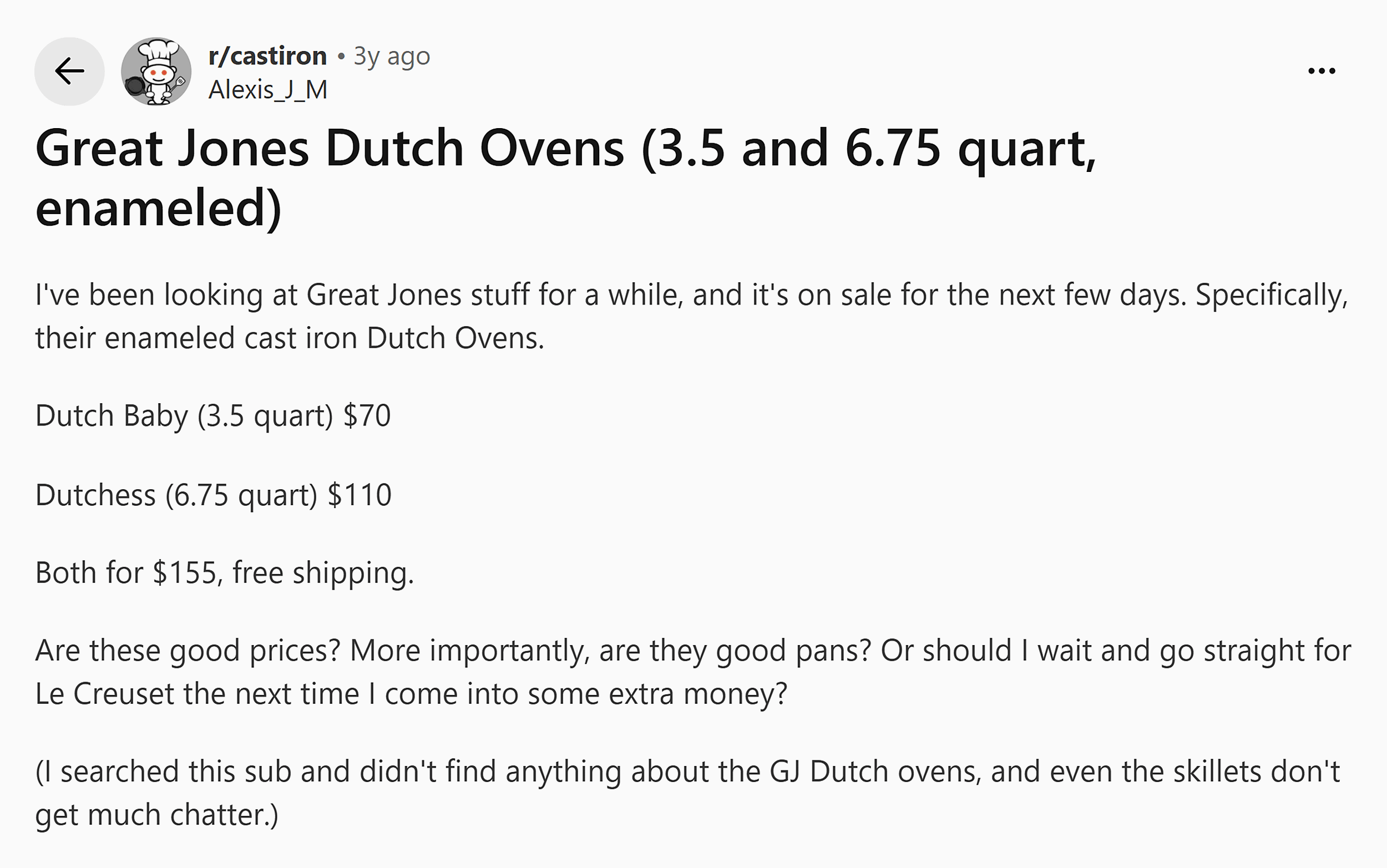
- Community Presence: Are you appearing in Reddit threads or niche forums where buyers discuss their purchase intent?
Step 2: Choosing Your Battleground
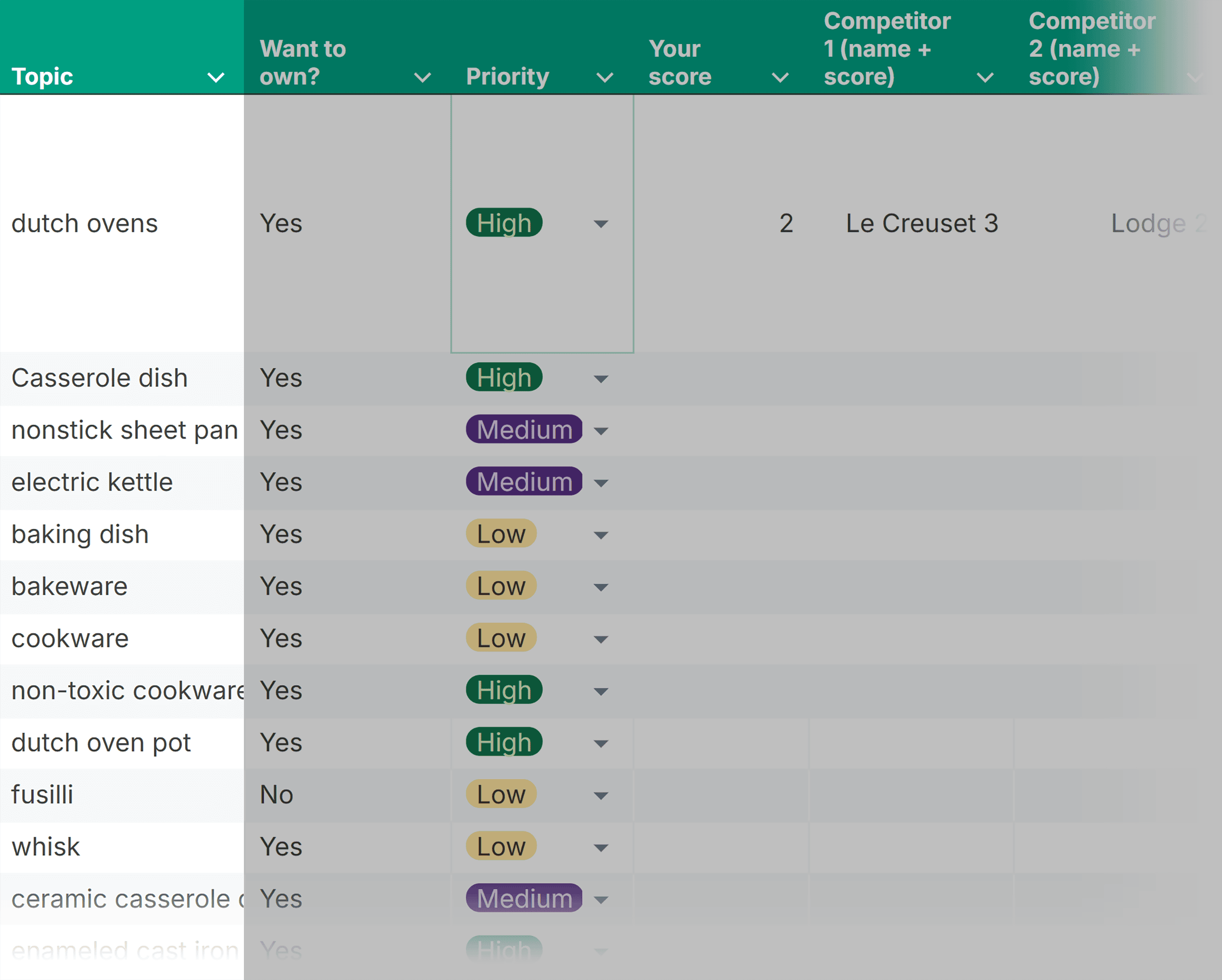
You cannot be an authority on everything. You must prioritize one topic.
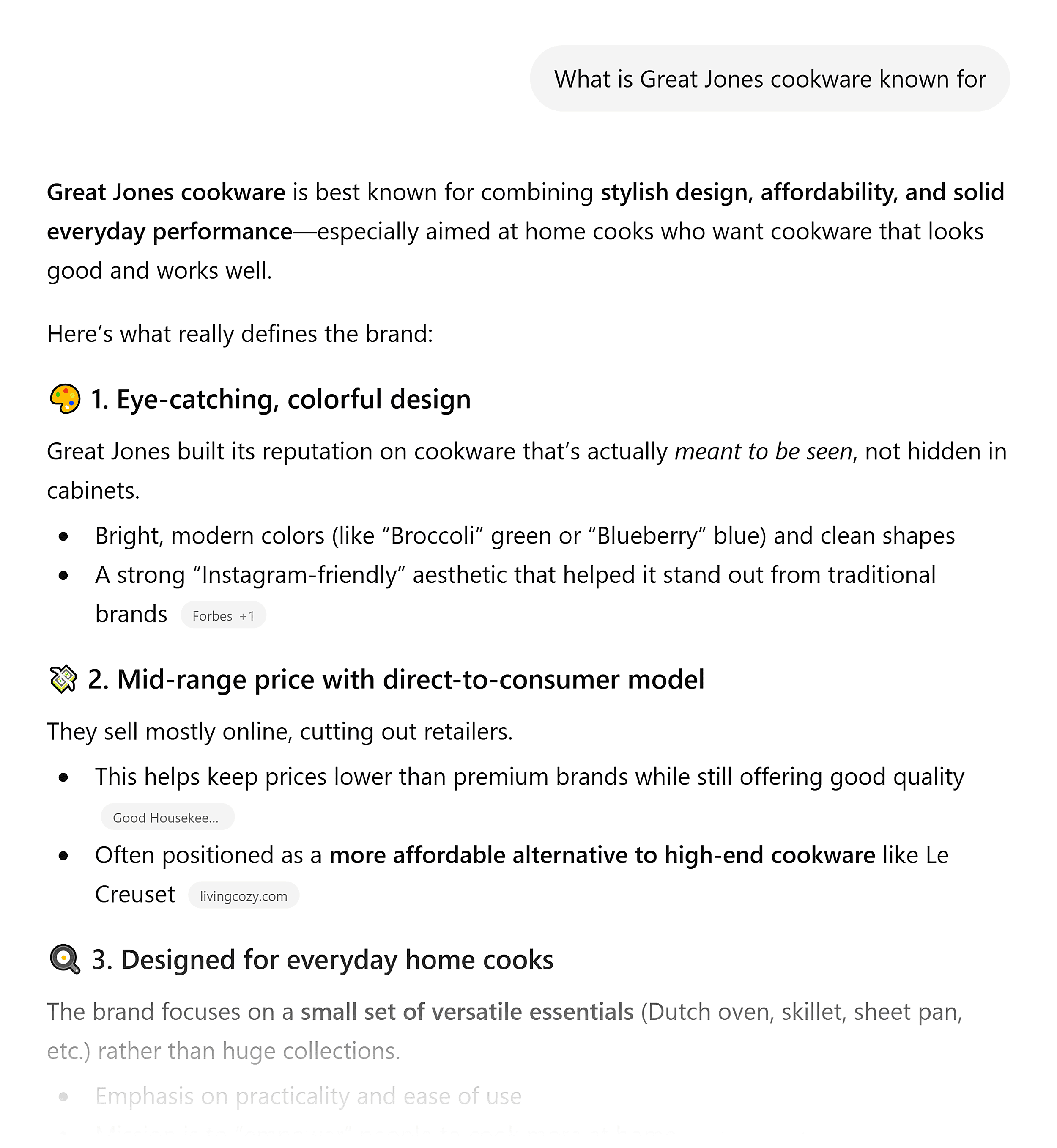
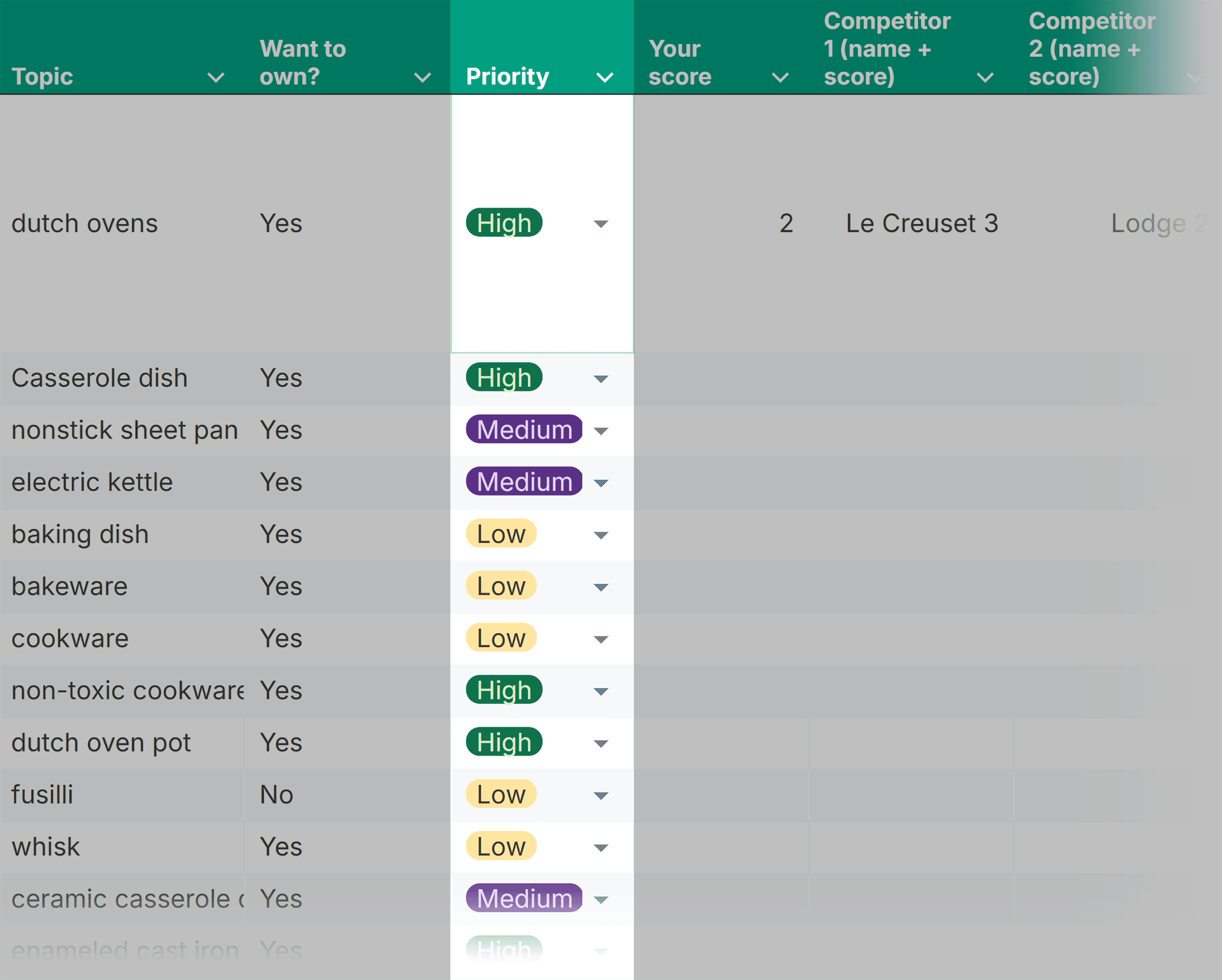
To do this, create a scoring matrix for your topics based on two factors:
- Business Impact: Does the topic drive revenue or support a core product?
- Urgency: Is the competition vulnerable, or is there a high volume of search interest that is currently underserved?
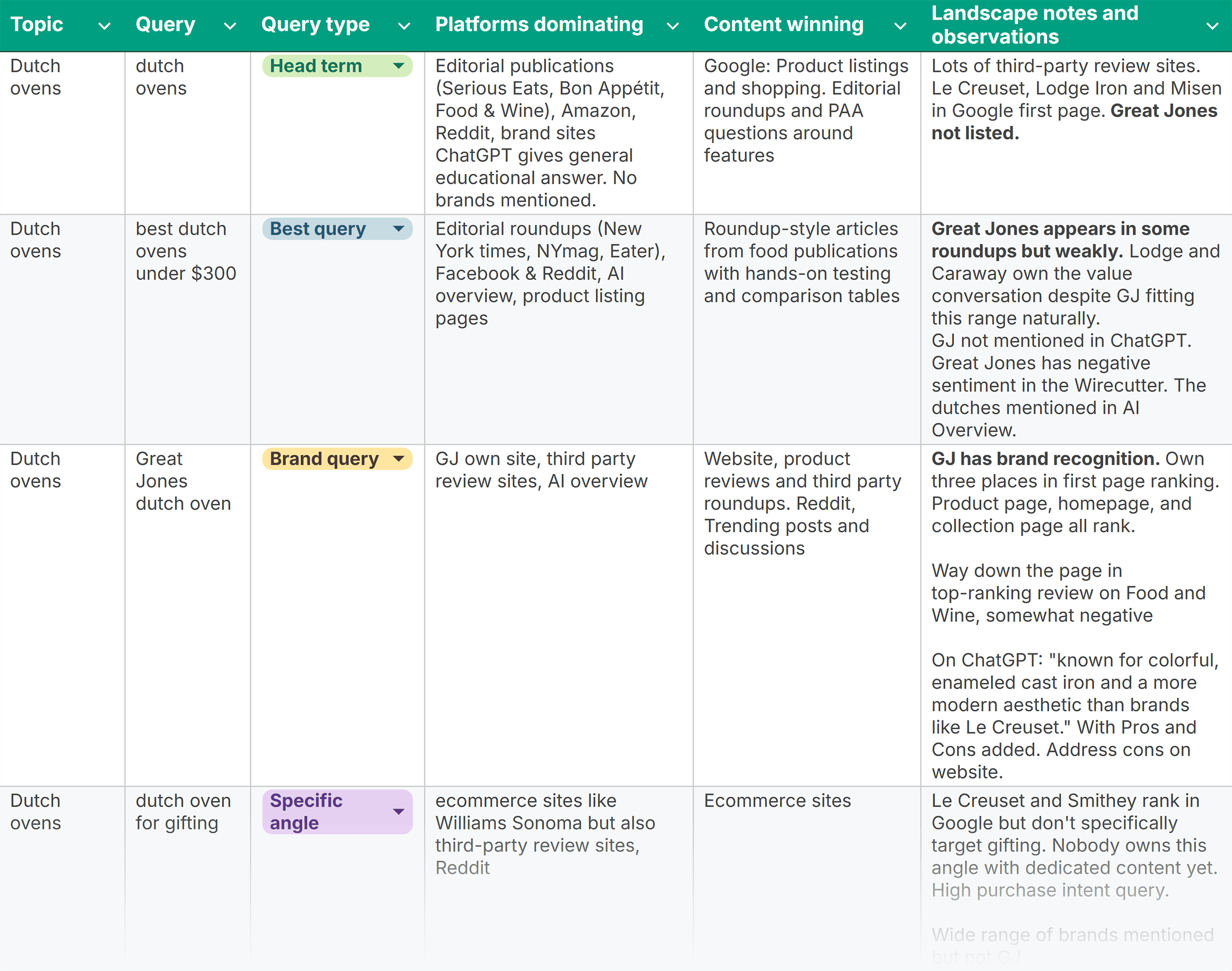
Once you have a list of 10–15 potential topics, use a Query Audit to test them. Search your target keywords on Google and AI platforms. If a query shows high buyer intent but the search results are outdated or unhelpful, you have found your entry point.
Step 3: Defining Your POV
A POV is the specific, repeatable angle you own. It is the "why" behind your brand. For Great Jones, while "design" is their current strength, a potential POV could be "The best Dutch oven for gifting."
By shifting the narrative from just "a pot" to "an exceptional, modern gift," they can carve out a unique space in the mind of the consumer that is not currently owned by industry giants like Le Creuset or Staub.
Step 4: Mapping Your Proof Architecture
A POV without proof is merely a marketing claim. You must map out the evidence you need at every stage of the buyer journey:
- Awareness: Industry studies and customer statistics.
- Consideration: Third-party reviews and expert endorsements.
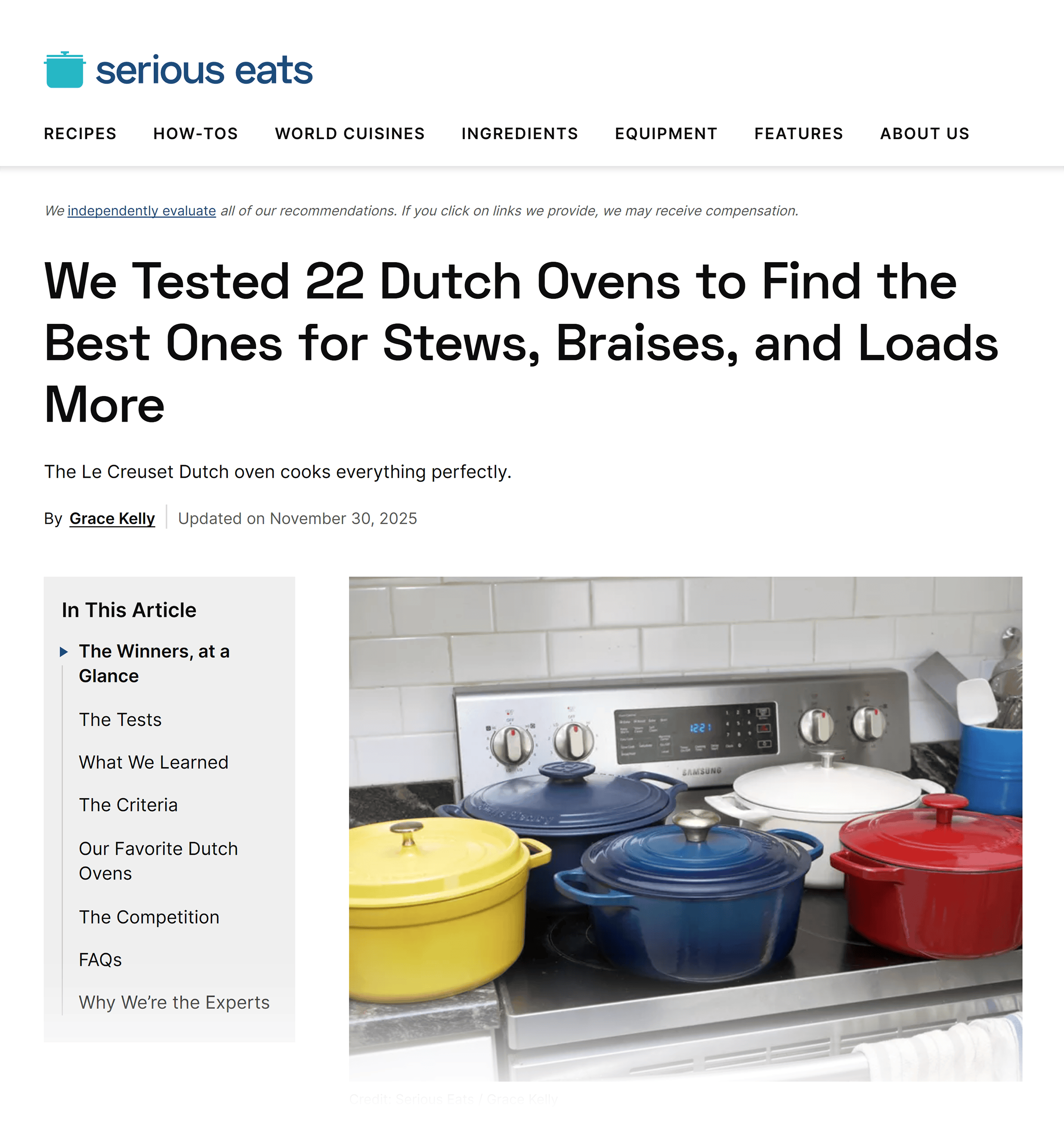
- Comparison: Independent test results and head-to-head performance data.
- Decision: Verified reviews and repeat purchase rates.
Step 5: Building the Foundation
Your website must act as the "hub" for your authority.
- The Hub Page: Create a comprehensive guide page for your chosen topic. For Great Jones, a "Dutch Oven Gifting Guide" would act as the central repository, linking to all supporting pages (e.g., "Best Dutch Oven Sizes for Families," "Care Instructions for Enamelware").
- Semantic Structure: Use semantic HTML to help search crawlers understand the relationship between your pages. Ensure your internal linking uses descriptive, keyword-rich anchor text rather than vague phrases like "click here."
Step 6: Off-Site Proof Systems
As Amanda Milligan notes, "Search engines and LLMs look for a clear position on the topic and external evidence that supports it."
To build this, develop a Signature Proof Point—an original data set or story that others will want to cite. If you conduct a study on how Dutch oven purchasing habits spike before holidays, you create a narrative that journalists, bloggers, and even AI models can cite. Distribute this insight across social media, press releases, and community platforms to reinforce the association between your brand and your POV.
Step 7: Tracking Progress
Topical authority is a long-term play. Use a progress tracker to record your status at 30, 60, and 90-day intervals.
- Are you showing up more? Monitor Google Search Console for impressions on non-branded keywords related to your topic.
- Is your POV landing? Check if the language used in reviews and articles is beginning to mirror the language of your POV.
- Is third-party confirmation increasing? Are you earning more mentions in the specific types of publications that serve your target audience?
Implications for the Future of SEO
The rise of AI search has fundamentally altered the rules of the game. It is no longer enough to "optimize" for keywords; you must optimize for associations.
Brands that fail to build the Topical Authority Pyramid will find themselves increasingly pushed to the sidelines as AI discovery becomes the primary method for consumers to find solutions. By auditing your current footprint, defining a unique point of view, and building a robust architecture of on-site and off-site proof, you can ensure your brand is the one that AI models recommend by default.
The path to authority is methodical, but for those who execute it correctly, the reward is a dominant position in the digital landscape that transcends simple search rankings.