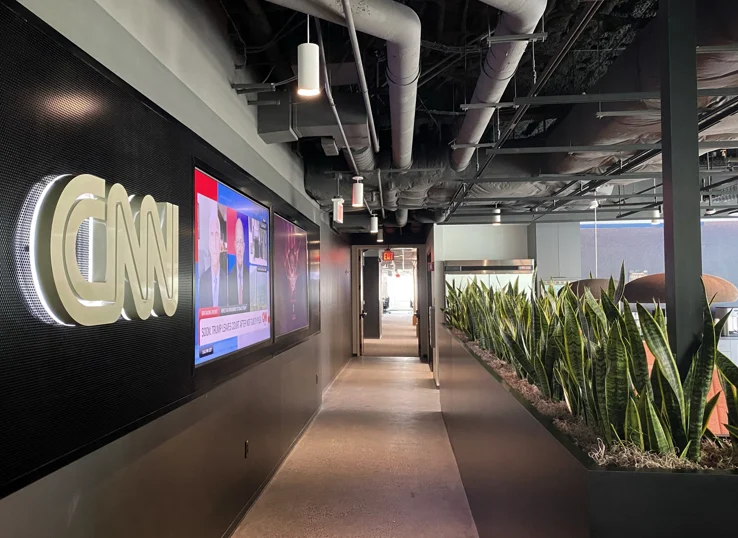
The media landscape is bracing for a tectonic shift as the acquisition of Warner Bros. Discovery (WBD) by the Paramount-Skydance conglomerate enters a protracted, high-stakes endgame. While financial analysts parse the valuation metrics and regulatory hurdles of the deal, the mood inside the halls of CNN—the network that once defined the 24-hour news cycle—is far from celebratory. Instead, the corridors of Hudson Yards are thick with a pervasive sense of apprehension, as veteran journalists, producers, and operational staff grapple with the reality of an ownership change that many fear could fundamentally alter the network’s editorial DNA.
As the merger proceedings stretch into what industry observers have dubbed “extra time,” the internal culture at CNN is shifting from standard corporate anxiety to a state of defensive vigilance. With the looming specter of new management, questions regarding the network’s future direction, profitability, and institutional identity have reached a fever pitch.
Main Facts: A Network in Limbo
The crux of the current unrest stems from the perceived disconnect between the incoming Paramount-Skydance leadership and the operational realities of a global news organization. Unlike entertainment studios, which function on long-term production cycles, CNN operates in a real-time, high-stakes environment where editorial integrity and breaking news agility are paramount.
Recent reporting from Variety’s Brian Steinberg has illuminated a growing rift. According to internal sources, CNN staffers are increasingly convinced that the incoming executive team lacks both the experience and the inclination to manage the unique intricacies of a news-gathering behemoth. There is a palpable fear that the new ownership views CNN as an asset to be stripped, monetized, or repurposed to fit a political or corporate agenda, rather than as a vital pillar of the global information ecosystem.
Simultaneously, New York Magazine’s Tom Kludt has highlighted the instability at the very top of the hierarchy. Even CNN CEO Mark Thompson, a seasoned media executive with a track record at the BBC and the New York Times, is reportedly navigating a state of profound uncertainty. If the leader of the organization cannot discern the strategic intentions of the incoming owners, the rank-and-file staff are left in a vacuum of information that breeds rumors, distrust, and morale decay.
Chronology: The Road to the "Extra Time" Merger
The path to this moment has been paved with years of corporate consolidation and shifting viewership habits. To understand the current anxiety, one must look at the timeline of events that led to the present impasse:
- 2022: The Discovery-WarnerMedia Merger: The formation of Warner Bros. Discovery under CEO David Zaslav set the stage for intense cost-cutting and a pivot toward streaming. CNN, caught in the crosshairs of this merger, saw significant restructuring, including the shuttering of CNN+.
- 2023: Leadership Turnover: The departure of Chris Licht, following a tumultuous tenure, brought Mark Thompson to the helm. Thompson’s mandate was clear: stabilize the brand and modernize its digital footprint.
- Early 2024: Whispers of Consolidation: Rumors of a further mega-merger between WBD and the Skydance-backed Paramount began to solidify, sending shockwaves through the industry.
- Late 2024 to Present: The acquisition enters a period of extended negotiation. As regulatory scrutiny intensifies, the “extra time” phase has effectively paralyzed long-term planning at the network. Every major editorial initiative is now weighed against the potential “day one” policies of the new ownership.
Supporting Data: Why the Fear is Quantifiable
The apprehension at CNN is not merely atmospheric; it is grounded in the shifting economics of cable news. Data from recent quarters paints a sobering picture:
- Declining Cable Revenue: Across the industry, the cord-cutting trend has accelerated. CNN’s reliance on carriage fees—the bedrock of its profitability—is being challenged by a demographic shift toward digital-first consumption.
- The "Profit vs. Public Service" Gap: Staffers are keenly aware that Paramount’s primary mandate will be to maximize shareholder value. Historically, when news divisions are forced to choose between deep-field investigative reporting (which is expensive and slow) and algorithmic-friendly, low-cost content, the latter often wins.
- Leadership Vacuum: Internal surveys and anonymous sentiment tracking conducted by industry monitors suggest that trust in leadership has plummeted since the merger talks began. When employees feel that their management is as much a bystander as they are, the sense of professional stability evaporates.
The data suggests that the fear of a "Bari Weiss-style takeover"—a term being whispered in hallways to describe a potential ideological shift toward a more disruptive, anti-establishment editorial posture—is driving a "wait-and-see" approach to talent retention. Top-tier journalists are beginning to quietly test their options in the broader market, fearing that the brand equity of CNN could be diluted by a new management team that prioritizes partisan engagement over objective reporting.
Official Responses and Strategic Silence
To date, official communication from both the WBD leadership and the Paramount-Skydance transition teams has been limited to boilerplate assurances.
In a recent internal memo, Mark Thompson attempted to soothe tensions, emphasizing that the merger remains a "complex regulatory process" and that "business as usual" remains the priority. However, the tone of such communications has done little to quell the anxiety. When pressed for comment by industry reporters, spokespeople for Paramount-Skydance have consistently declined to outline specific plans for the news division, citing the sensitivity of ongoing merger negotiations.
This strategic silence, while standard in corporate M&A, has been interpreted by the CNN newsroom as a lack of commitment to the network’s traditional values. Without a clear "vision statement" regarding the editorial independence of CNN under new ownership, the void is being filled by speculation, ranging from fears of mass layoffs to concerns about a complete overhaul of the network’s programming strategy.
Implications: The Future of the 24-Hour Cycle
The implications of this transition extend far beyond the balance sheets of the companies involved. CNN is a global institution; its editorial decisions echo in international markets and domestic political discourse alike.
1. The Editorial Identity Crisis
If the new ownership moves to implement a more "disruptive" editorial strategy, the network risks alienating its core audience. The struggle to balance a legacy brand with the demands of the modern, fragmented media landscape is the central challenge of this decade. If Paramount-Skydance prioritizes engagement metrics over historical journalistic standards, the network could see a rapid erosion of the trust it has built over four decades.
2. Talent Attrition
A network is only as strong as its anchors, producers, and field reporters. If the "brain drain" begins in earnest, CNN will lose the institutional memory that allows it to cover complex global events effectively. The current anxiety is already acting as a deterrent for potential new hires and a catalyst for departures among the veteran staff who feel their professional values are no longer aligned with the parent company’s vision.
3. Regulatory and Public Scrutiny
The merger itself will likely be subject to intense oversight. If there is even a perception that a major news network is being used as a pawn in a larger corporate or political game, the regulatory hurdles could become insurmountable. The public’s increasing skepticism of "big media" means that any misstep by the new owners will be met with immediate, vocal, and potentially damaging backlash.
Conclusion: A Critical Juncture
As the Paramount-Skydance acquisition progresses, CNN stands at a critical juncture. The next six months will likely determine whether the network can retain its status as a paragon of news gathering or if it will be transformed into something entirely different—a move that would irrevocably alter the American media landscape.
For the staff at CNN, the "extra time" of these merger negotiations is not merely a bureaucratic delay; it is an agonizing period of uncertainty. They are waiting to see if their new owners will treat the network as a sacred trust or simply another line item on a sprawling corporate ledger. Until that question is answered, the halls of CNN will remain a place of watchful waiting, where every editorial decision is haunted by the question: What comes next?