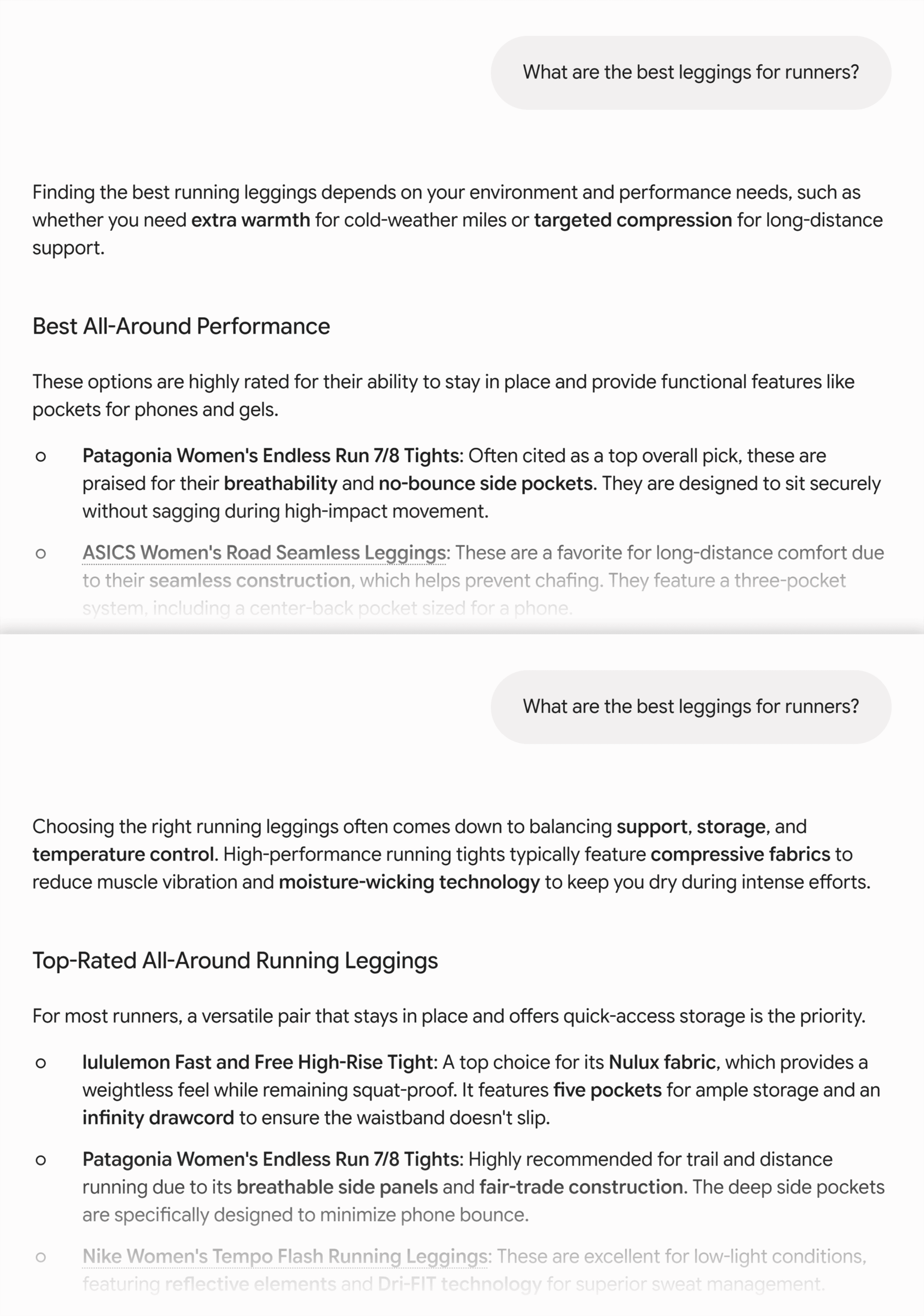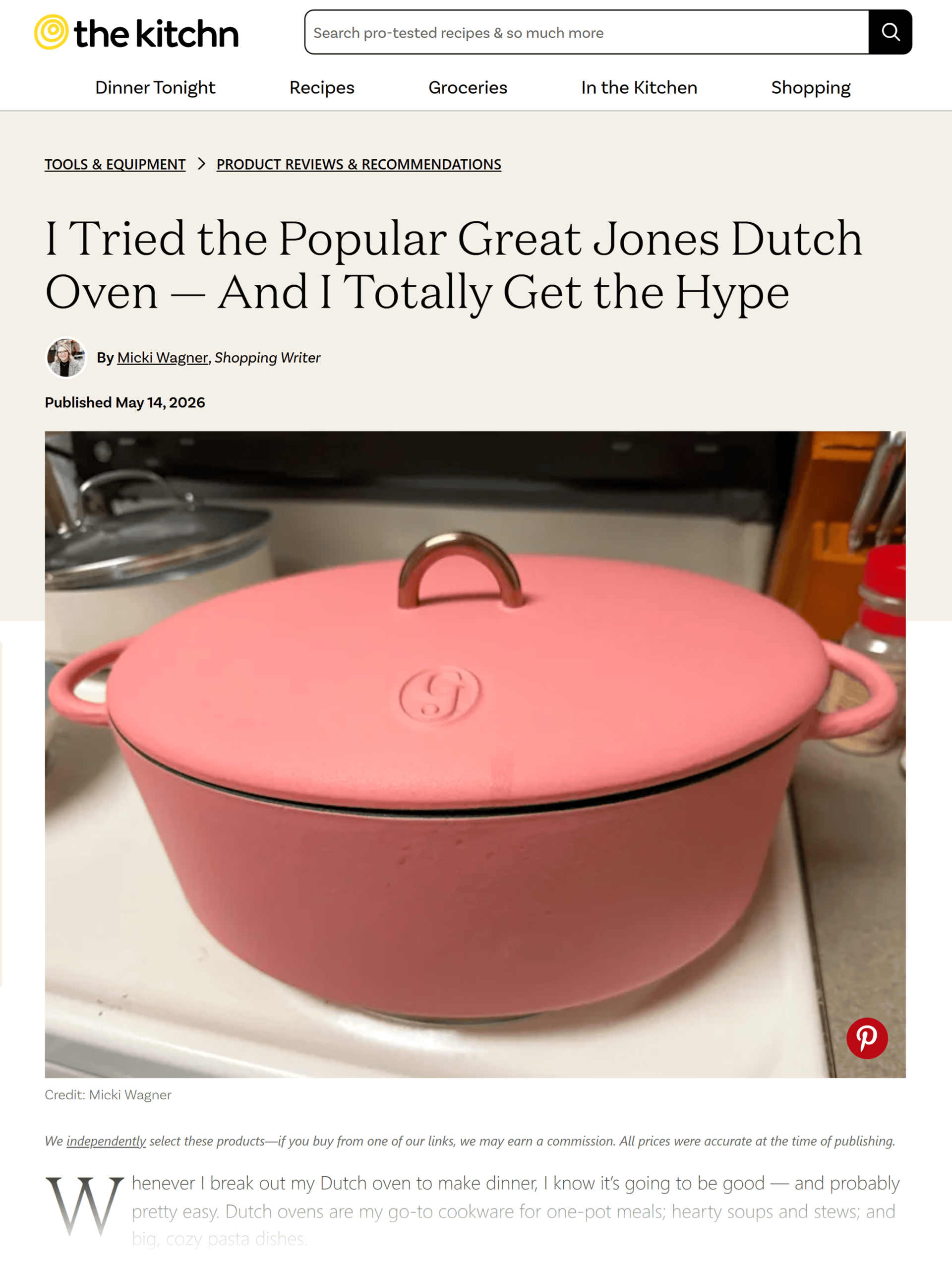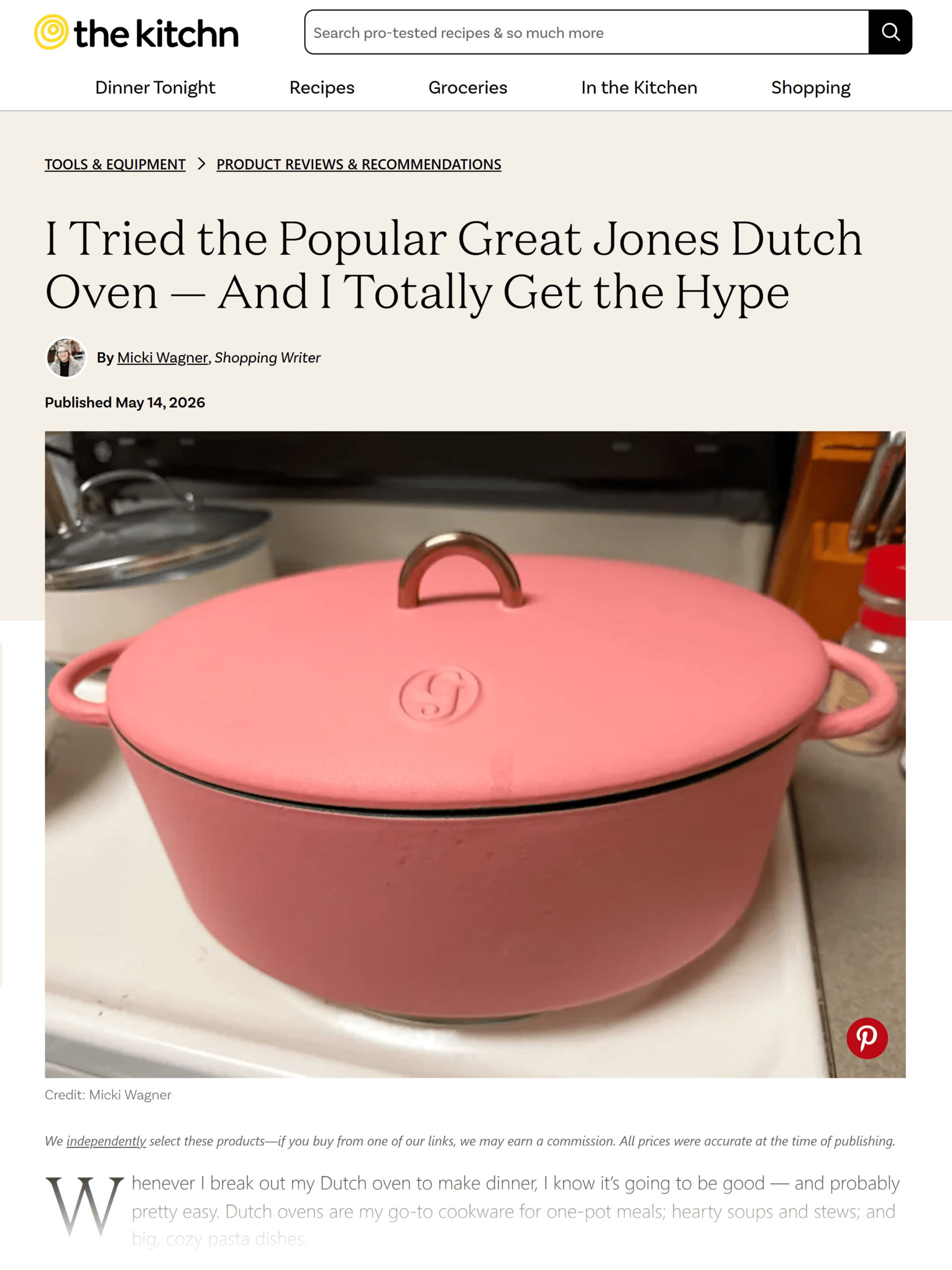
In the modern digital ecosystem, having a high-end product, glowing reviews, and features in prestige publications like Vogue, The New York Times, and Bon Appétit is often seen as the ultimate hallmark of success. Yet, for many companies, these accolades mask a critical underlying weakness: a lack of topical authority.

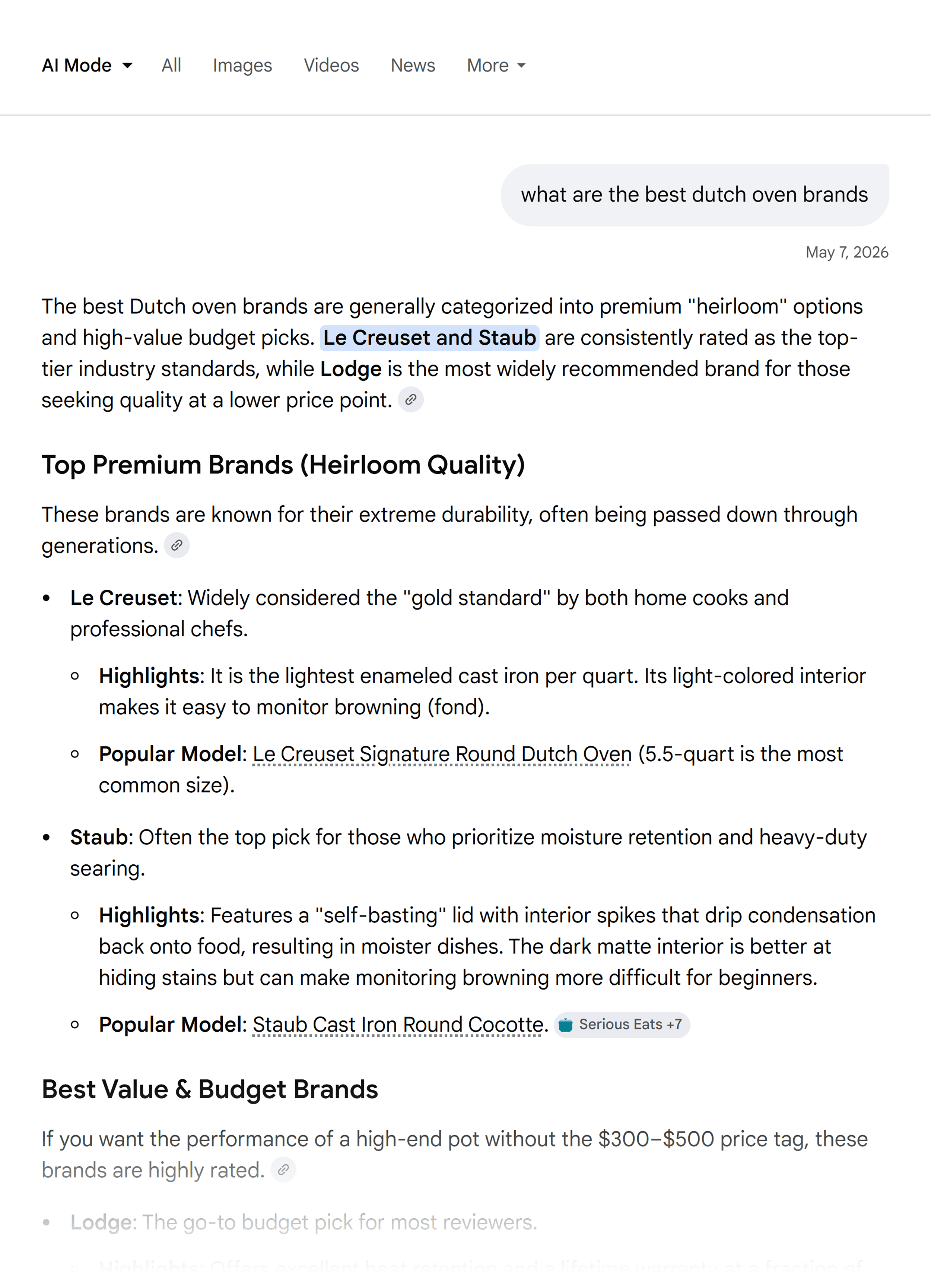
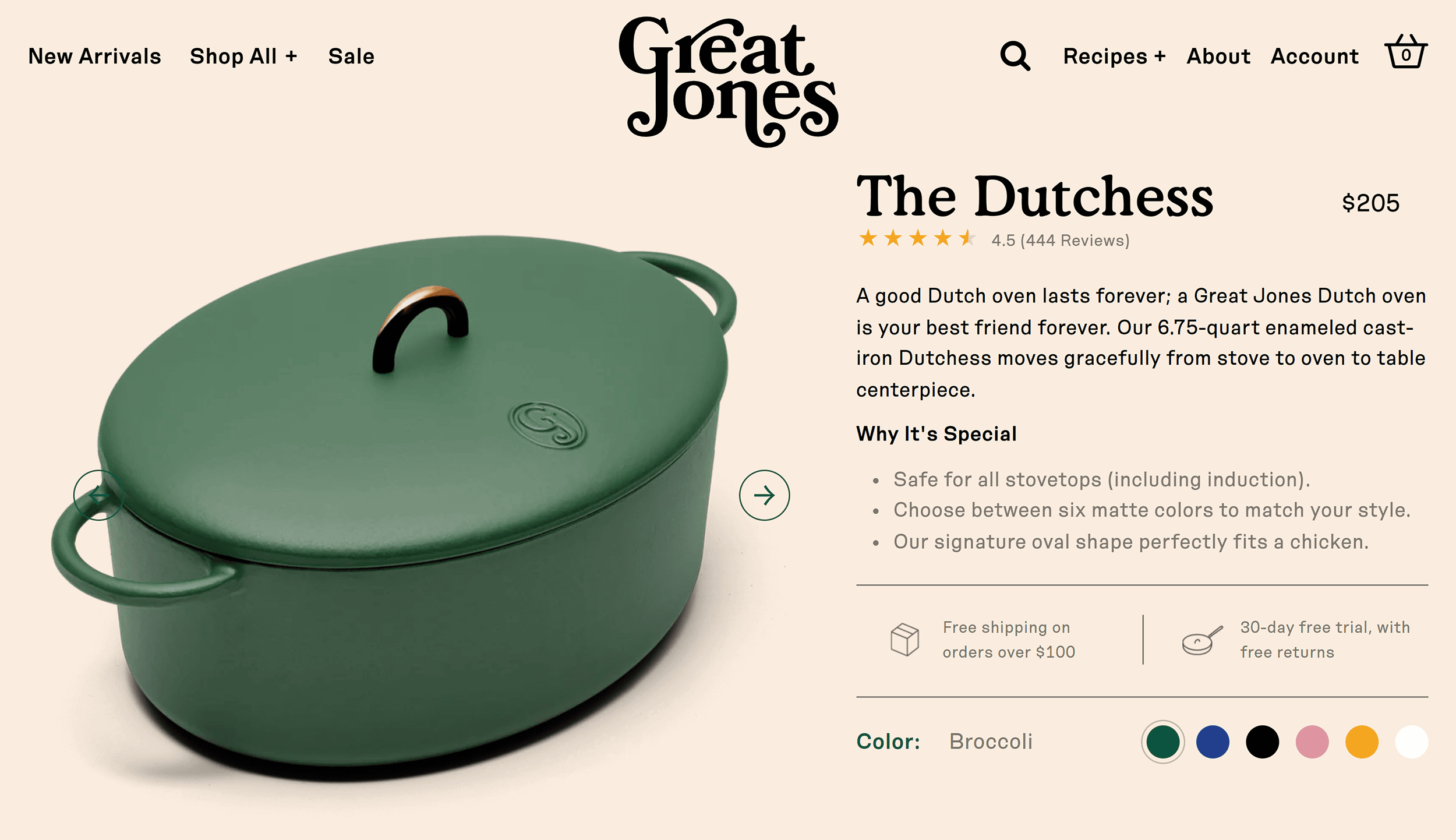
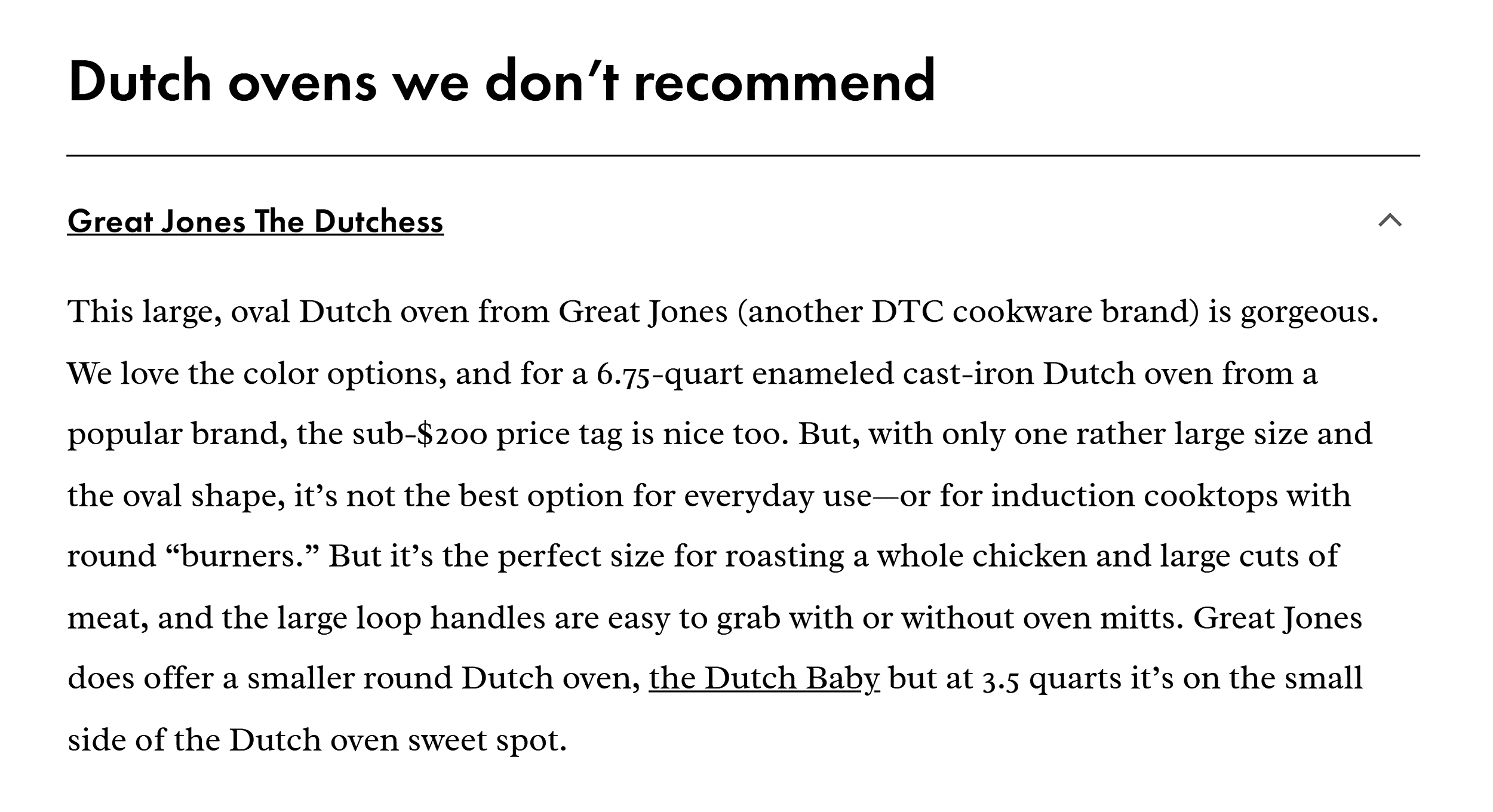
Consider the case of Great Jones, a direct-to-consumer kitchenware brand. Their flagship Dutch oven, "The Dutchess," is aesthetically iconic, widely praised, and frequently featured across top-tier lifestyle media. Despite this immense cultural cachet, if you search "best Dutch ovens" on Google or ask an AI-powered large language model (LLM) for a recommendation, the brand is often conspicuously absent.
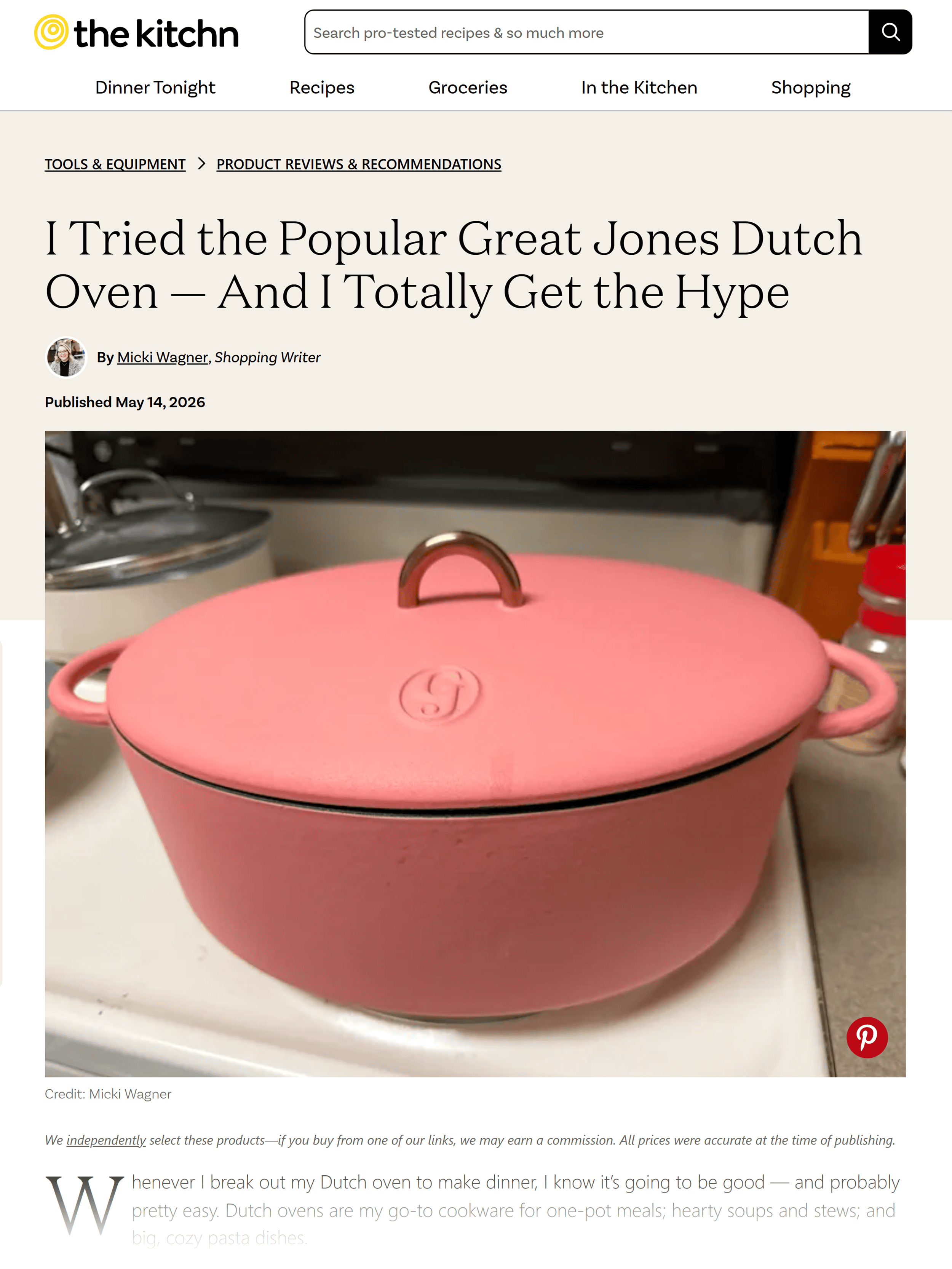
This is the "Visibility Paradox." Brands can have immense brand awareness while remaining invisible to the algorithms that drive modern discovery. The culprit is not a lack of content or press; it is a lack of the "pattern"—a consistent, strategic, and authoritative framing that bridges the gap between a brand’s identity and its specific niche.
The Anatomy of Topical Authority
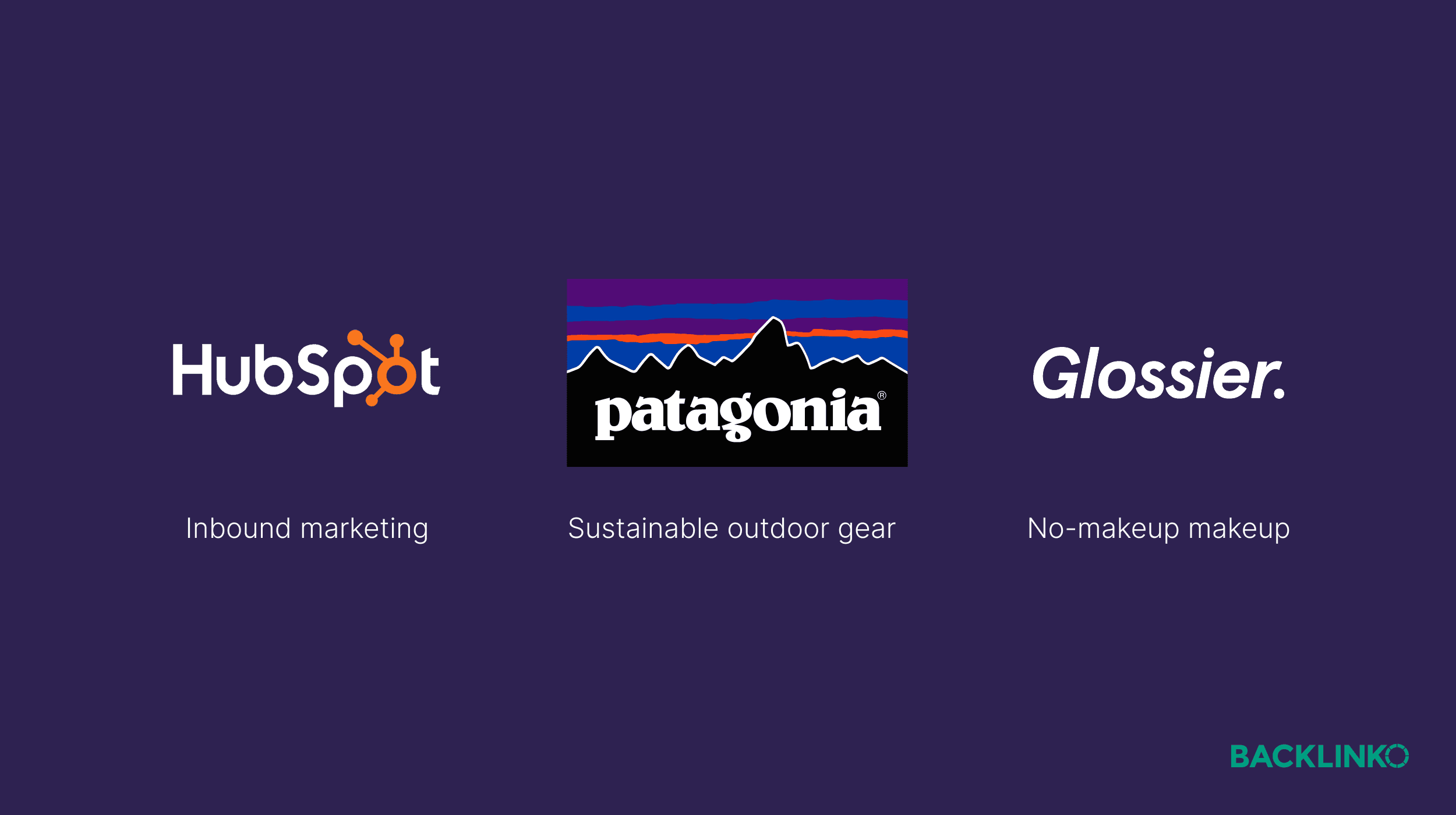
Topical authority is no longer defined merely by the volume of content or the breadth of coverage. In the era of AI-driven search, reputation is earned through a symbiotic relationship between a brand and a subject, appearing together repeatedly across sources that buyers, search engines, and LLMs inherently trust.
Chronology of an Authority Gap
For many brands, the gap in authority is not an overnight occurrence but a byproduct of organic growth.
- The Launch Phase: The brand builds a product, gains initial press, and develops a social media following based on aesthetics and community.
- The Scaling Phase: The company continues to produce content, but it is often disparate—recipe blogs here, PR features there, and occasional social media influencer partnerships.
- The AI Disconnect: As search engines shift toward AI-generated summaries and LLMs become the default research tool, they struggle to categorize the brand. Because the brand’s digital footprint lacks a cohesive "POV" (Point of View), the algorithms default to legacy players who have maintained consistent, topic-centric signals for decades.
The Topical Authority Pyramid: A New Framework
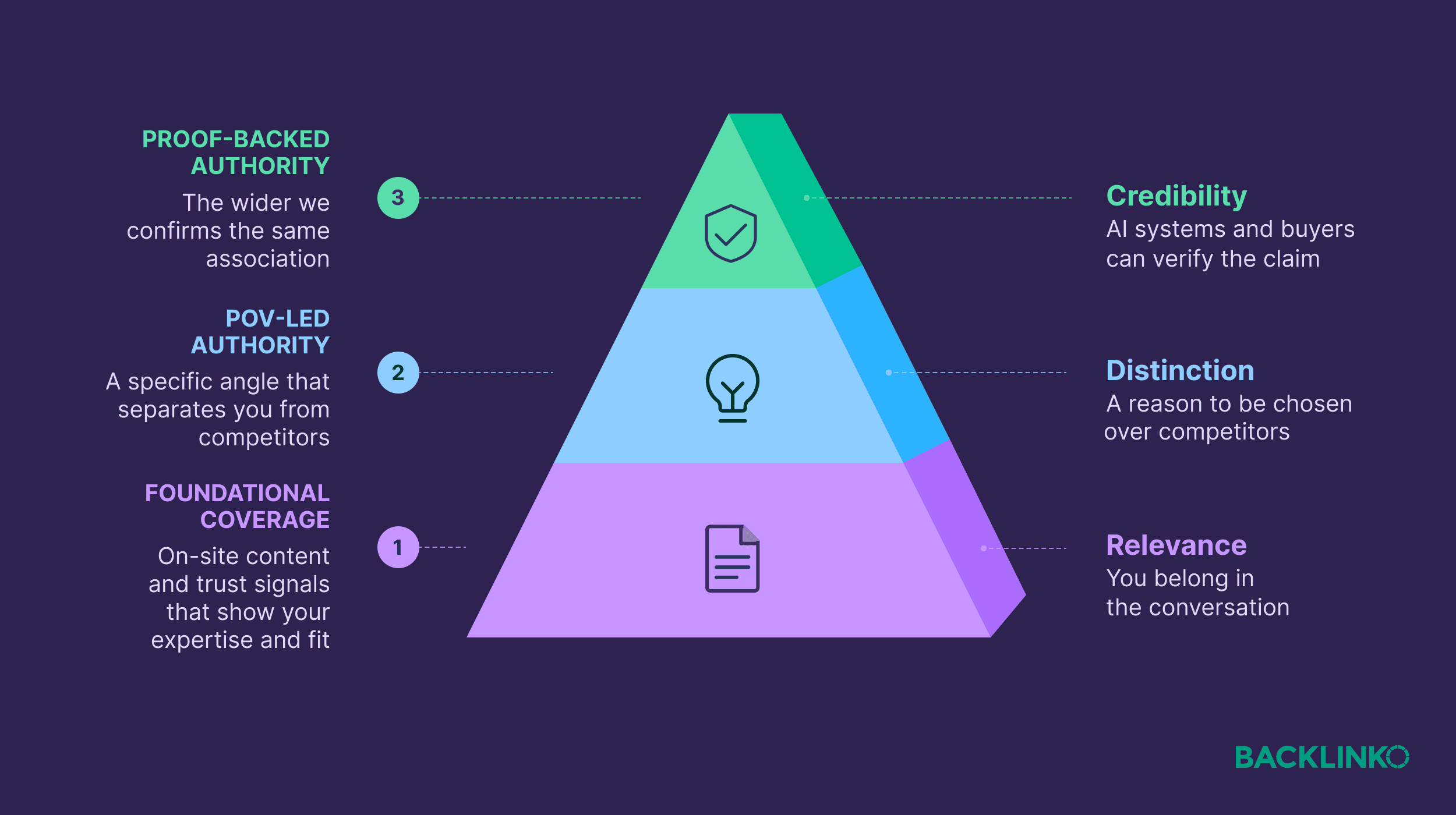
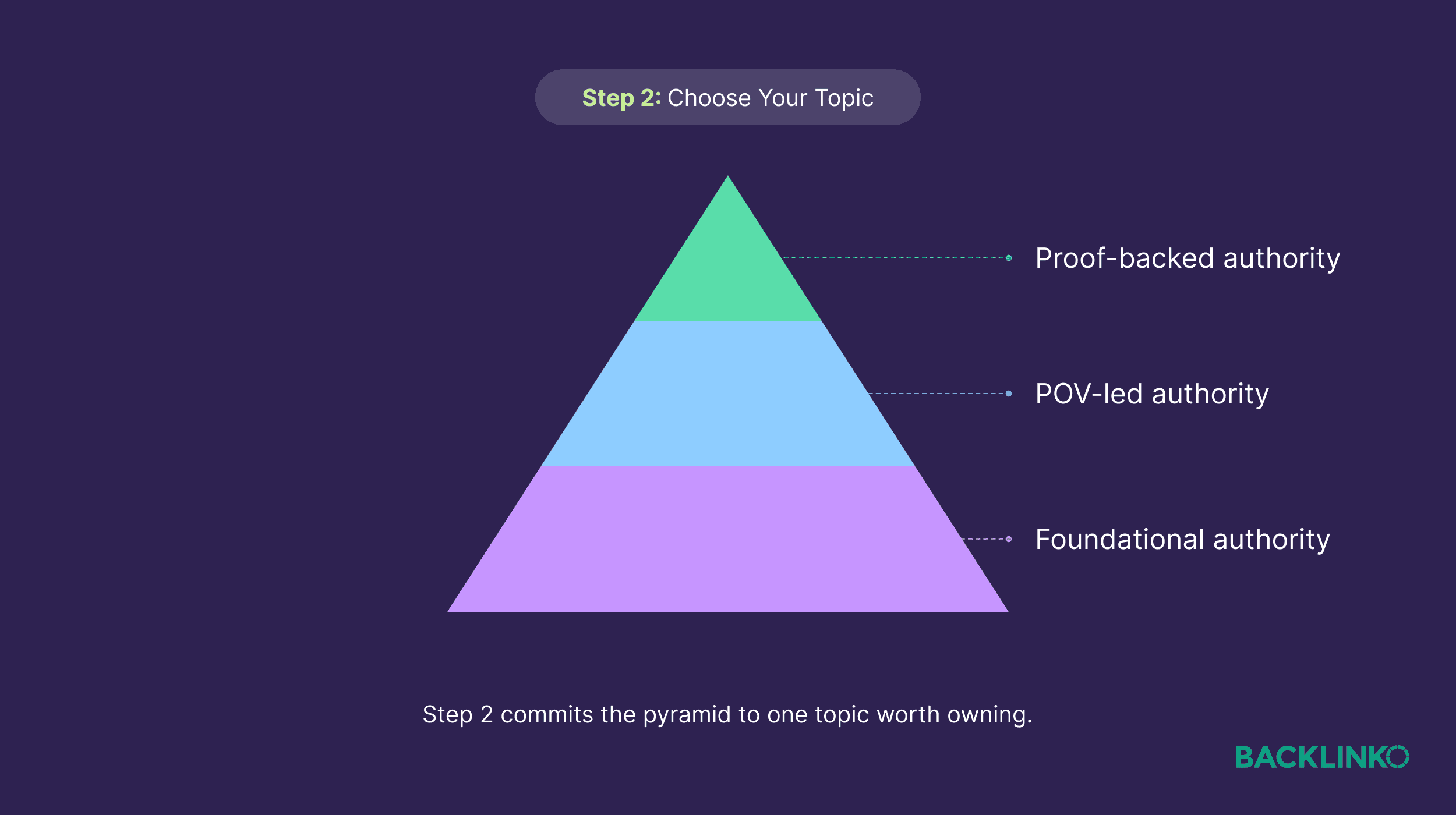
To move from "brand awareness" to "topical authority," marketers must shift from reactive content creation to structural positioning. The Topical Authority Pyramid is a three-layered framework designed to align brand identity with algorithmic logic.
1. Foundational Authority
This is the bedrock of your site. It is the comprehensive, organized coverage of the core subject matter. It signals to search crawlers that your site is a legitimate, authoritative resource on the topic.
2. The POV (Point of View)
This is the differentiating layer. It is the specific, repeatable angle that your brand claims within a niche. Without a defined POV, a brand is just a commodity. With a strong POV, a brand becomes a category leader.
3. Proof Architecture
This is the external validation layer. It consists of the evidence—third-party reviews, expert endorsements, and data-driven insights—that validates your POV. In the age of AI, this is the layer that systems weigh most heavily to determine if a brand is "trusted."
Audit and Strategy: Building the Path Forward
Building topical authority requires a clinical approach to your digital presence. The following steps outline how to bridge the gap between where you are and where you want to be.
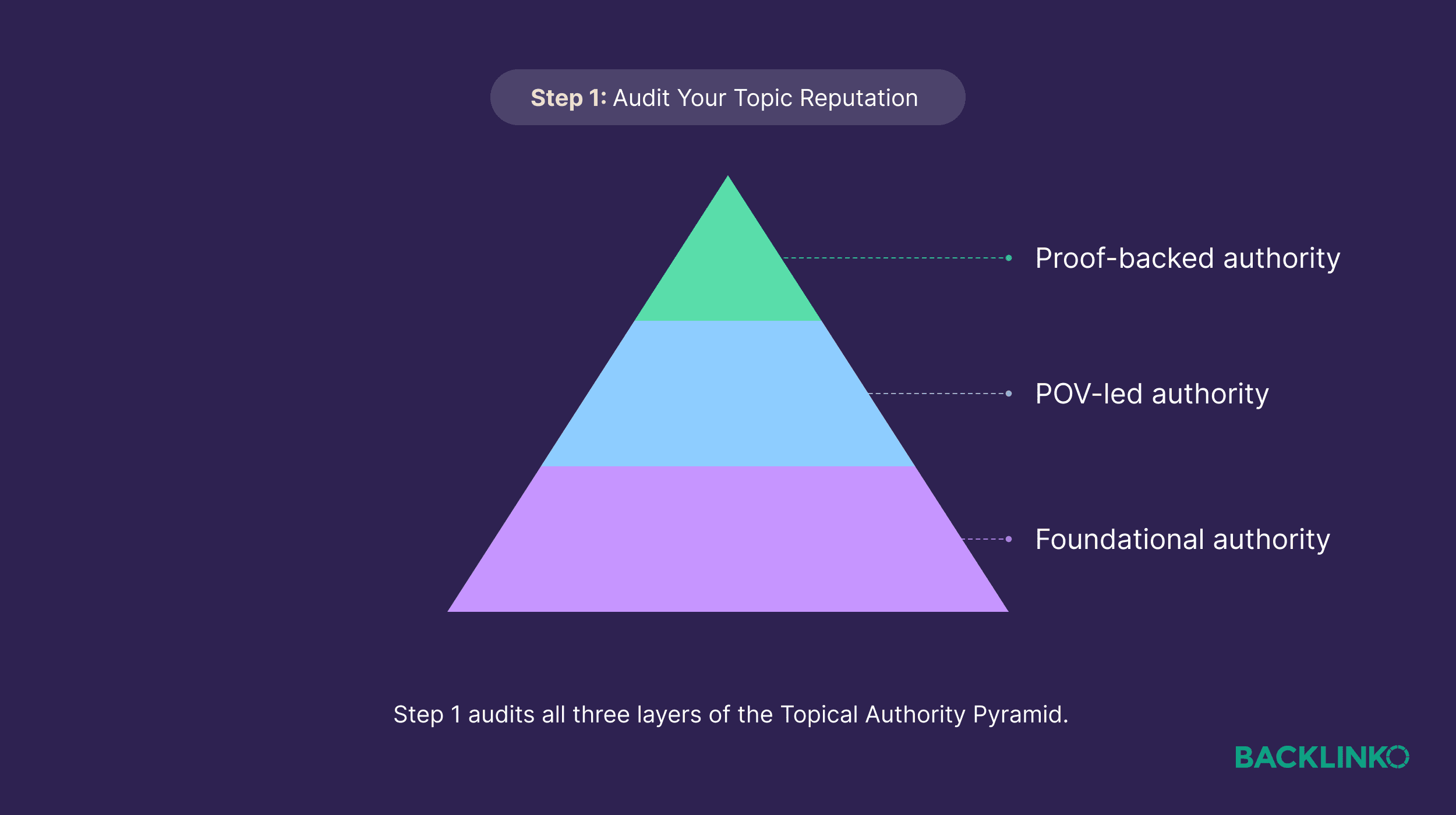
Step 1: Auditing Your Topic Reputation
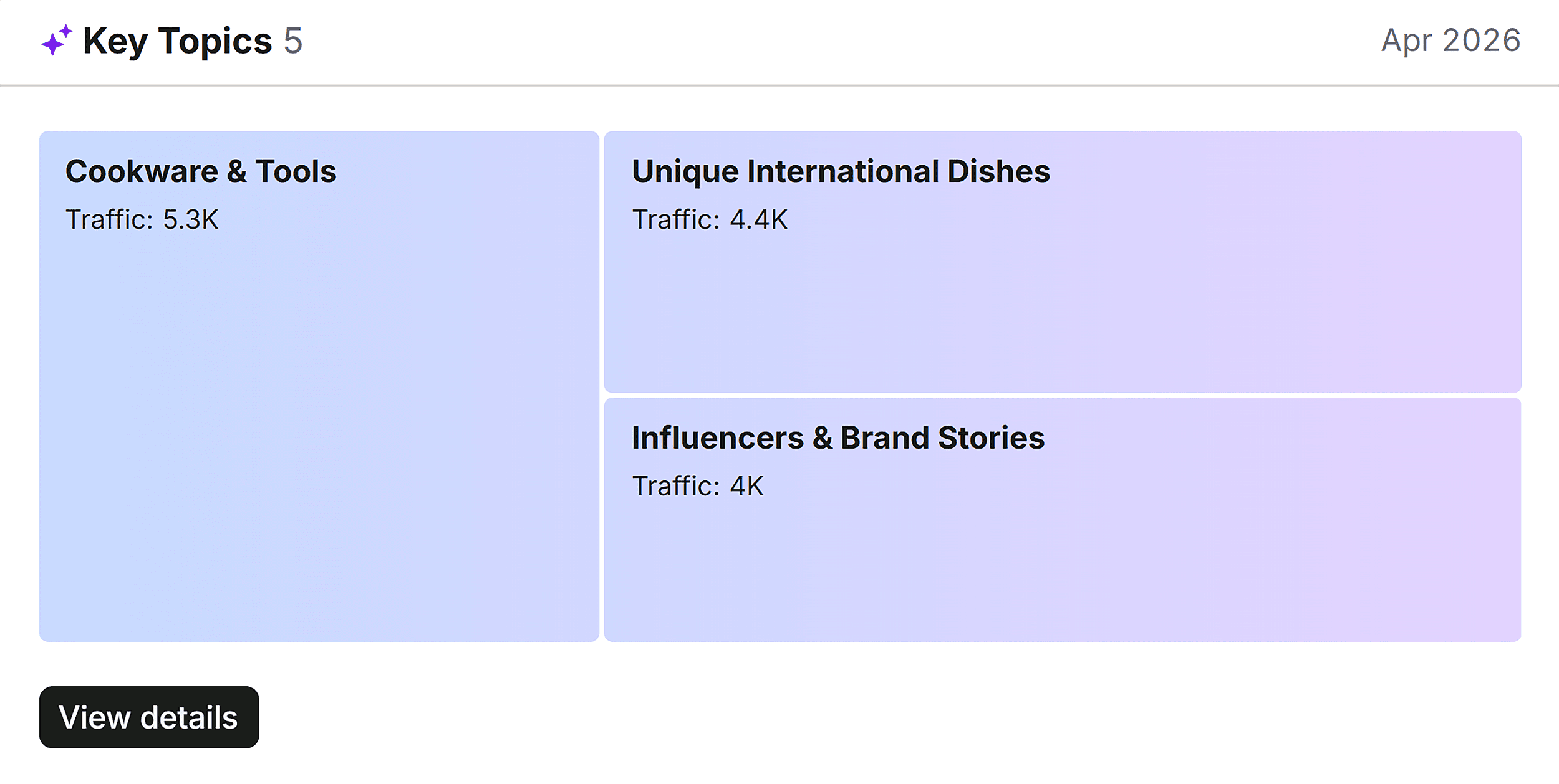
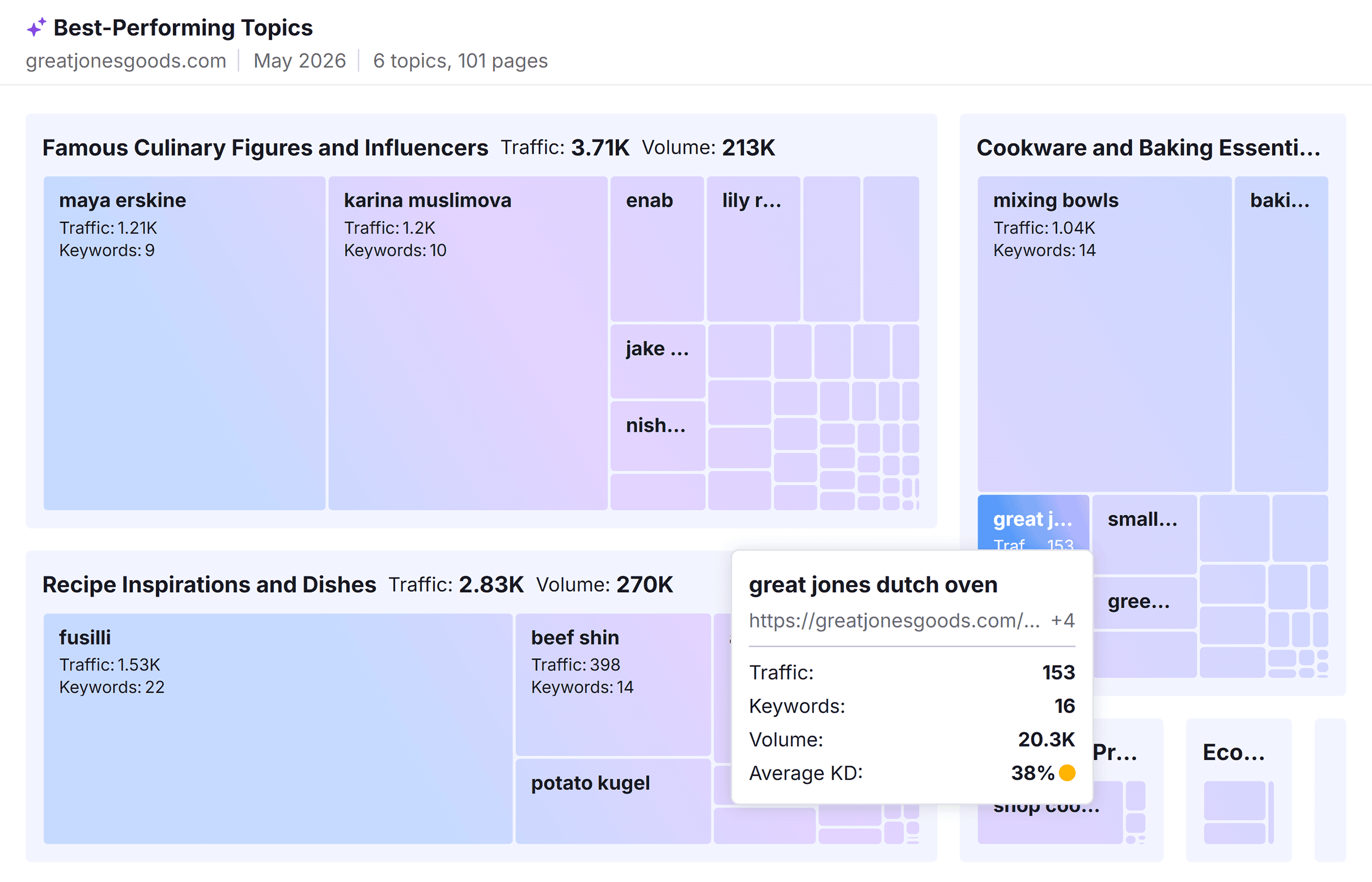
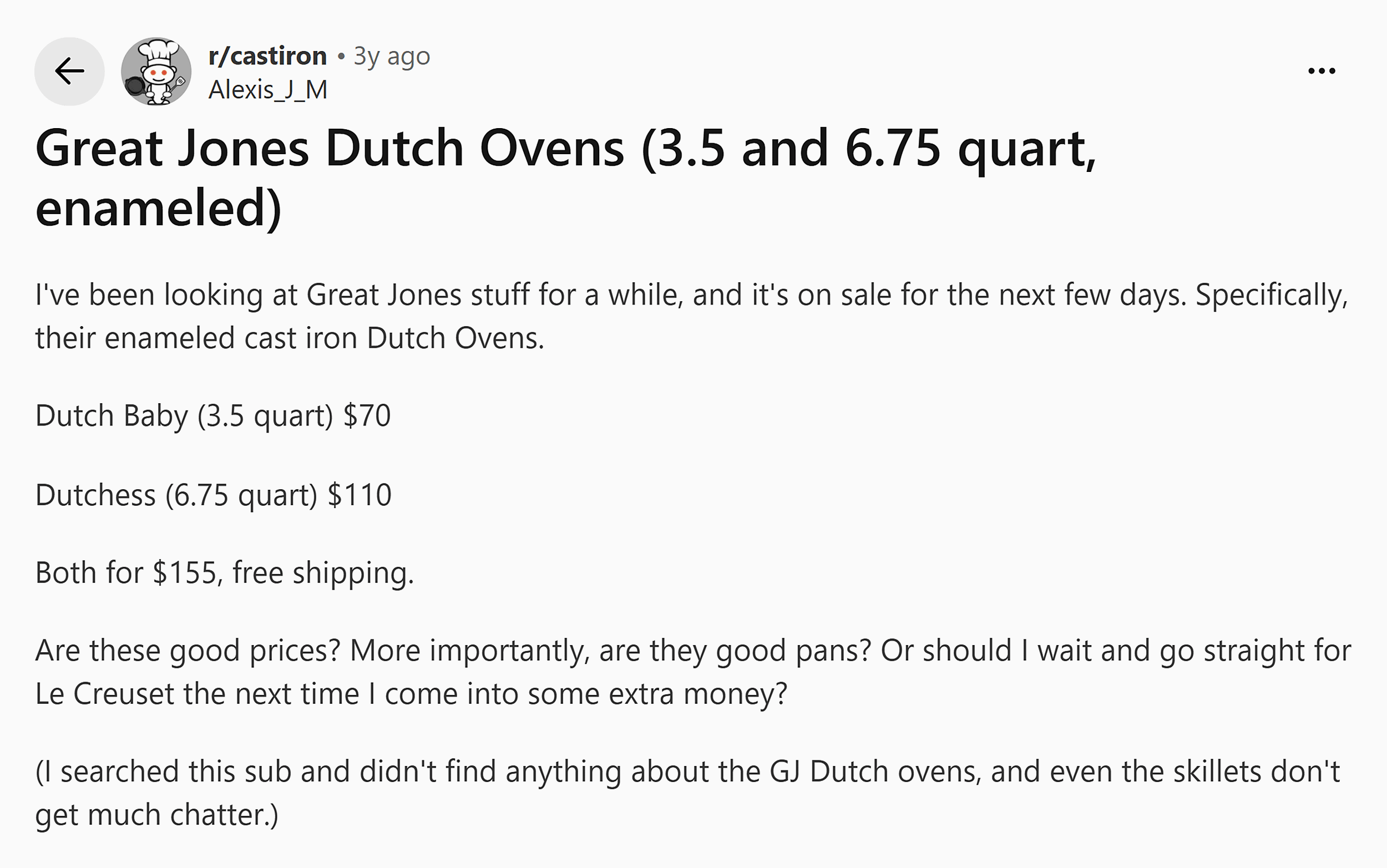
Before building, you must understand your current baseline. Use SEO analytics tools to identify your brand’s strongest topic associations. When I audited Great Jones, the results were telling: their strongest associations were "recipes" and "celebrity chefs," while "Dutch oven" barely registered.
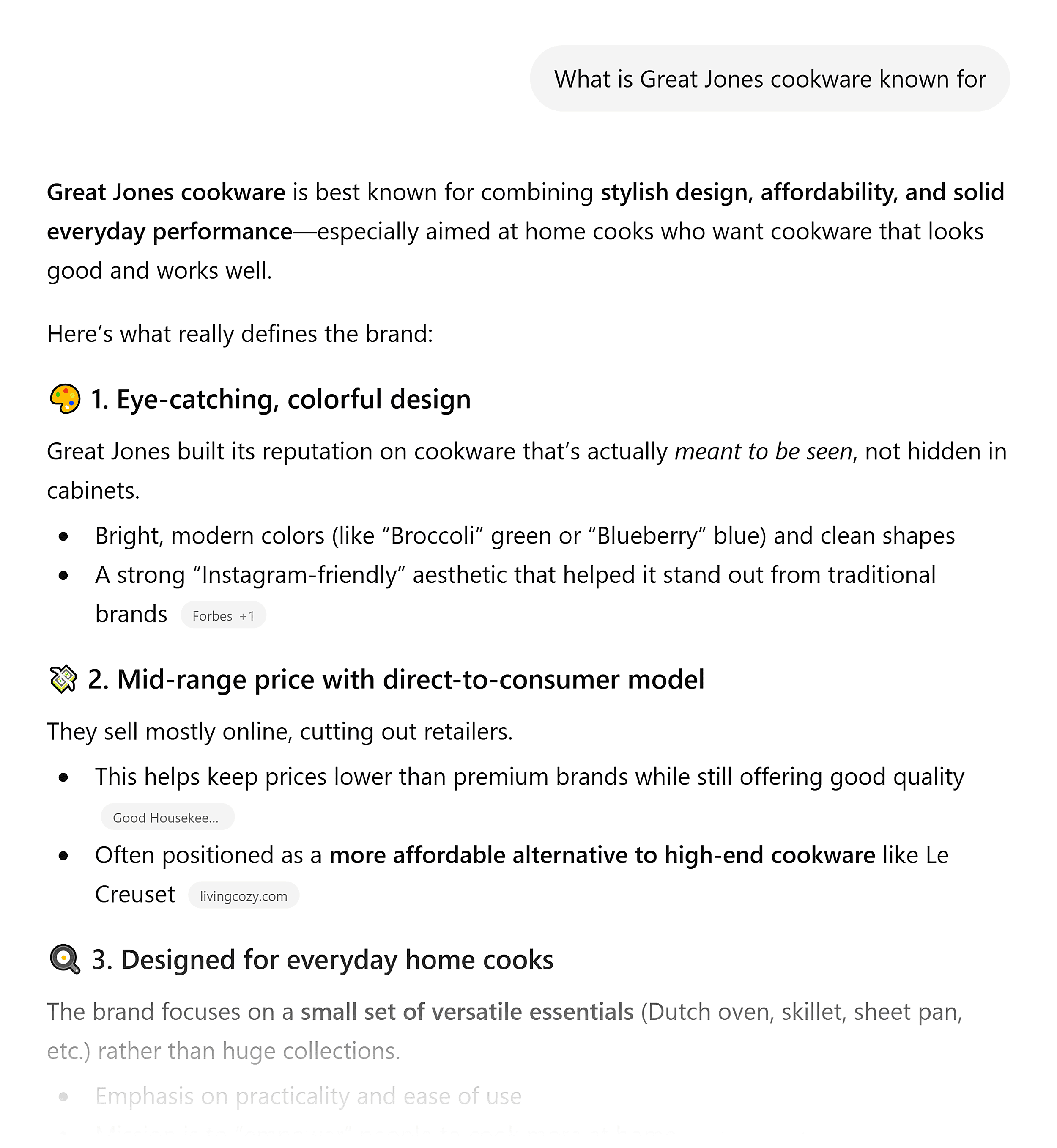
To conduct your own audit:
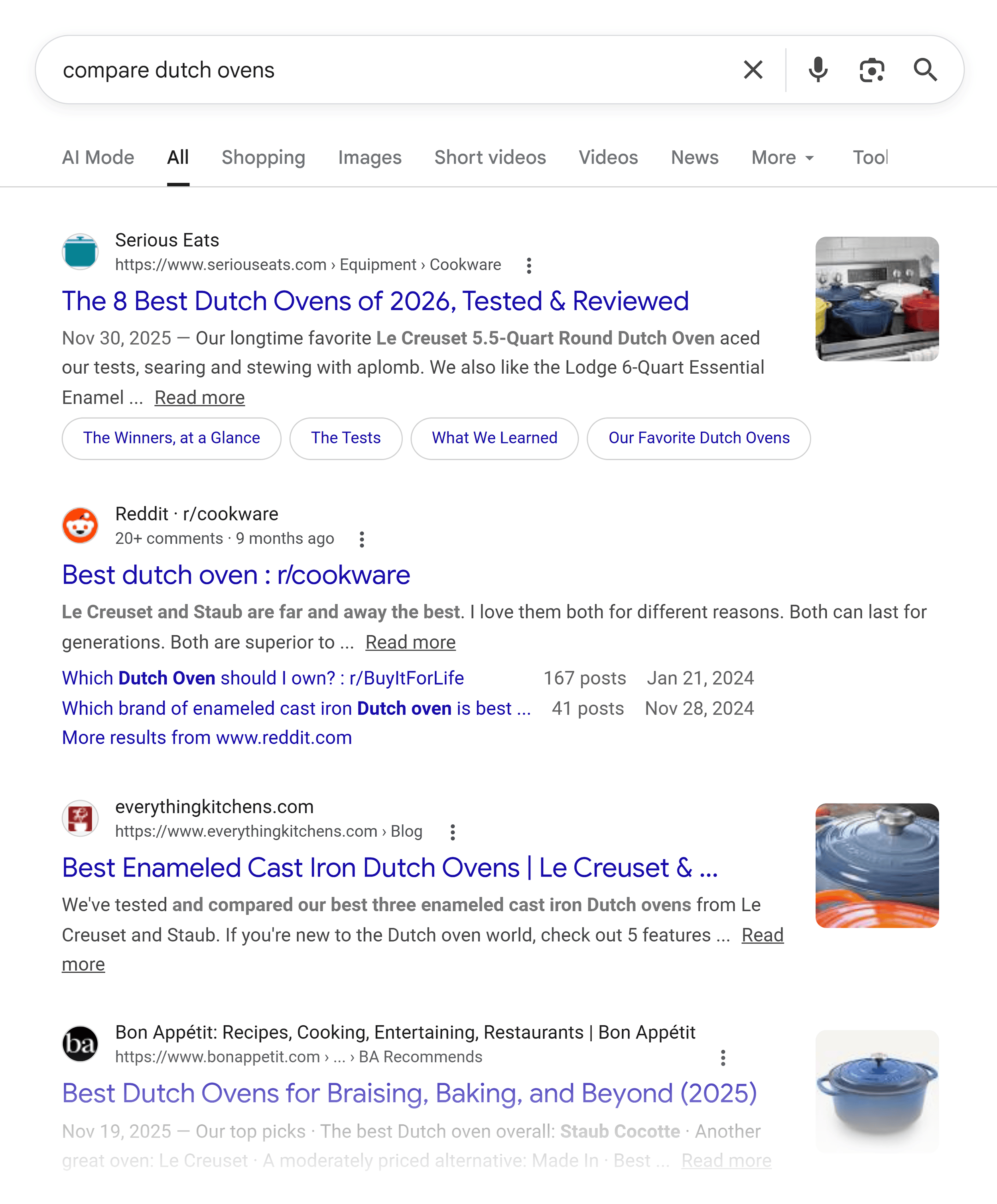
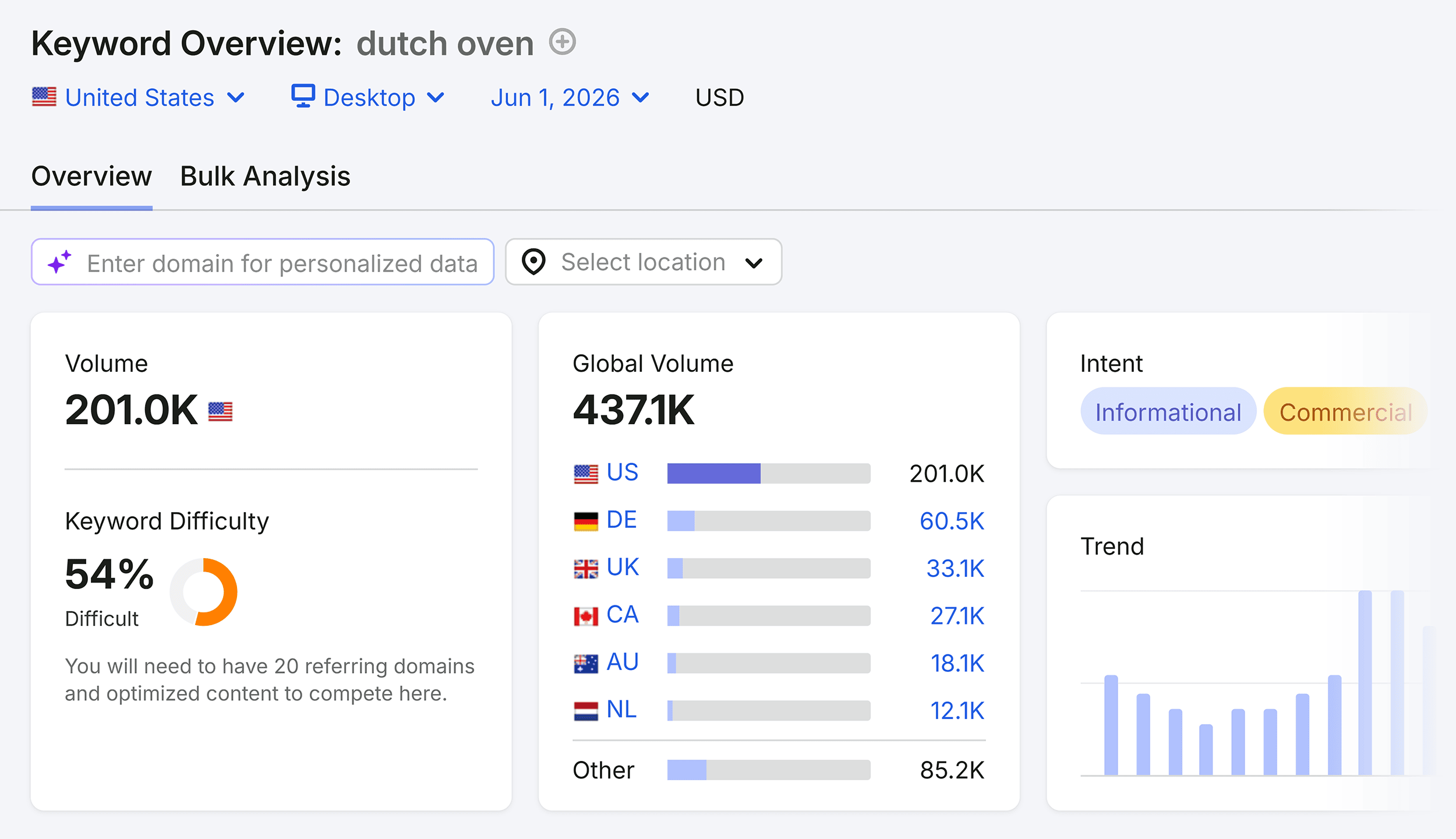
- Perform a Search Query Audit: Use both traditional Google search and LLMs (like ChatGPT or Claude). Compare the results for head terms (e.g., "Dutch ovens") vs. buyer-intent terms (e.g., "best Dutch ovens under $200").
- Analyze Off-Site Signals: Are the articles linking to you recent, or are they years old? Is your brand being recommended, or is it being used as a cautionary tale in "what not to buy" roundups?
Step 2: Choosing Your Battleground
You cannot own every topic. You must prioritize based on revenue potential and competitive weakness.
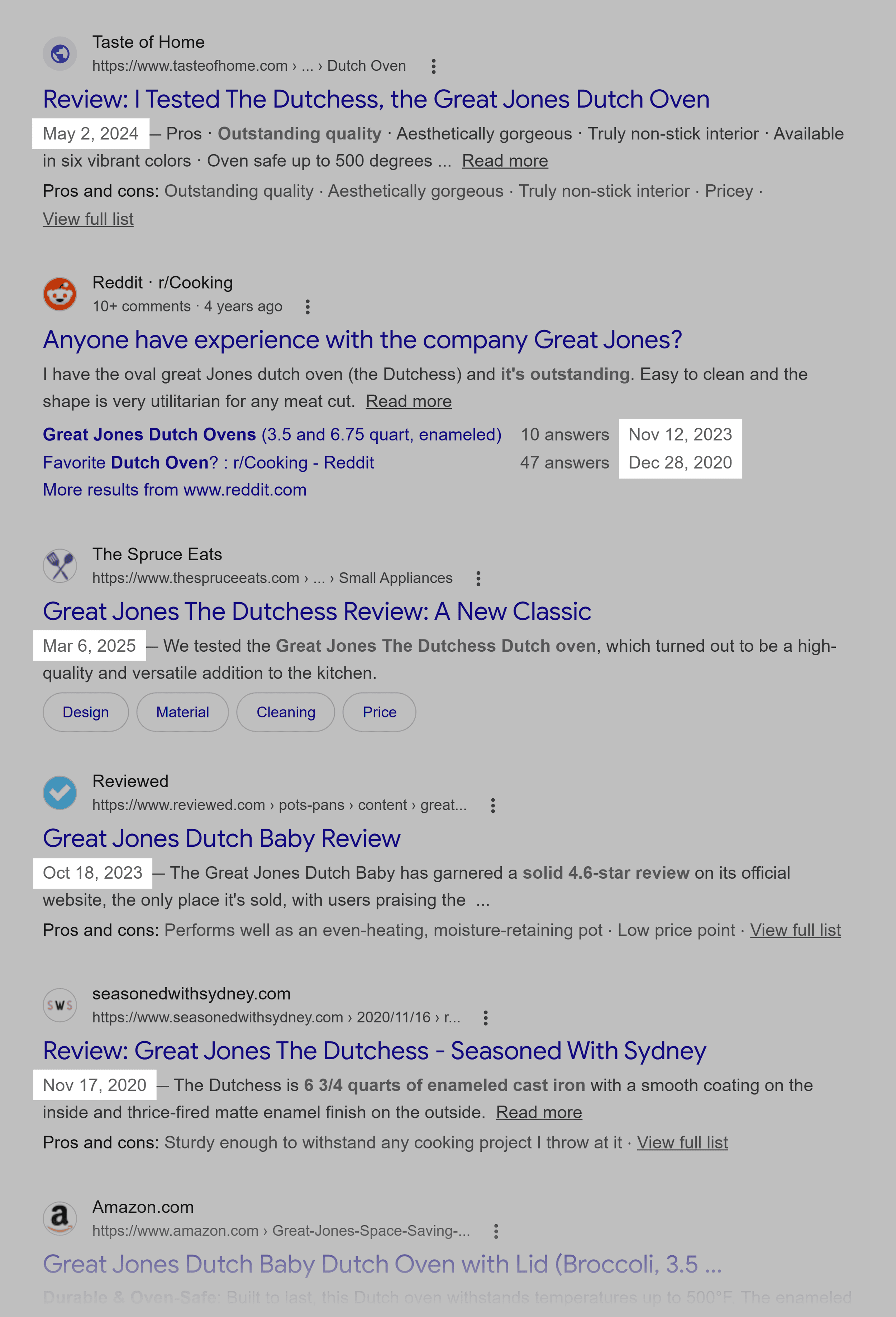
- Identify Adjacent Topics: Look for themes like "slow cooking," "kitchen gifting," or "non-toxic cookware" that align with your product.
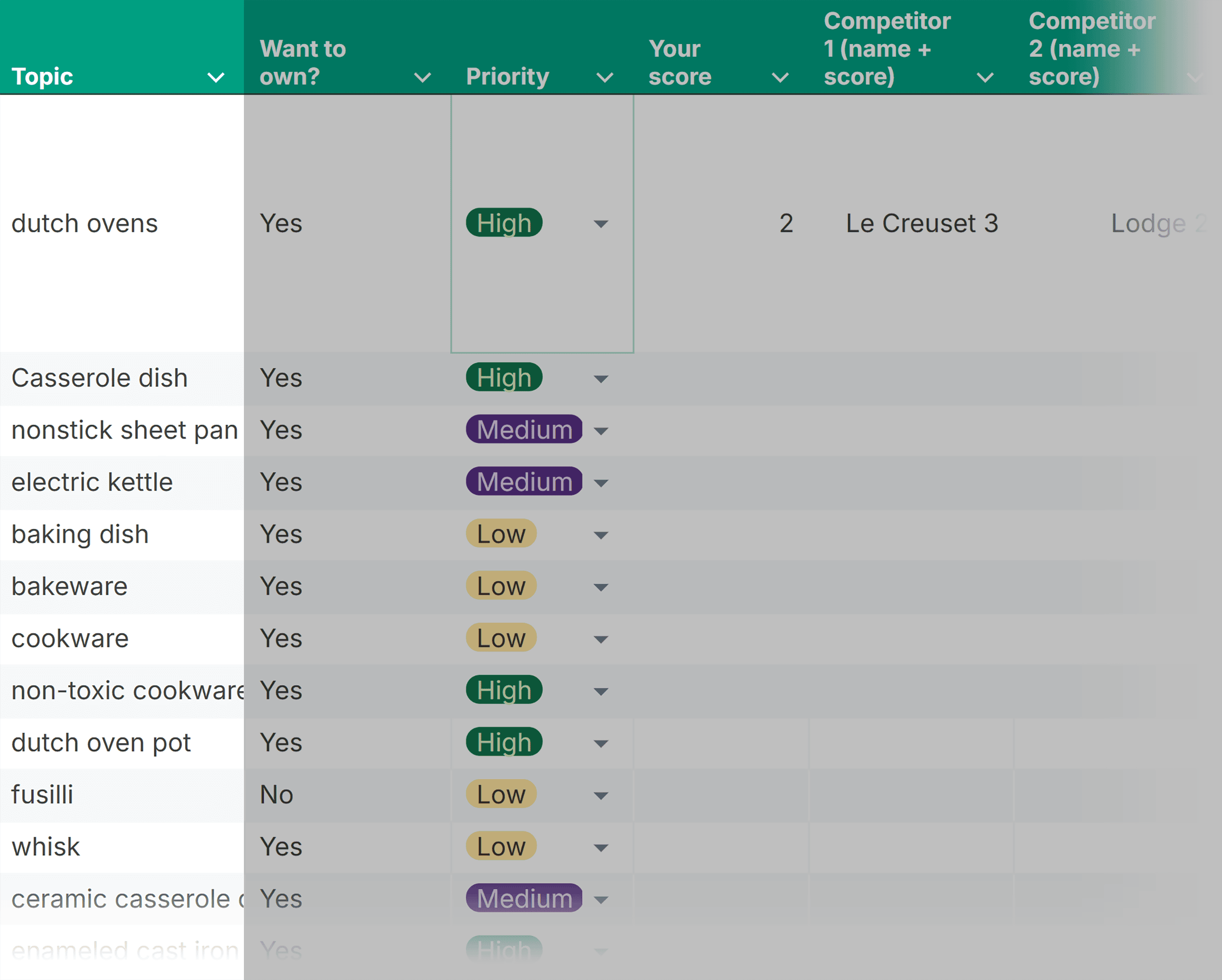
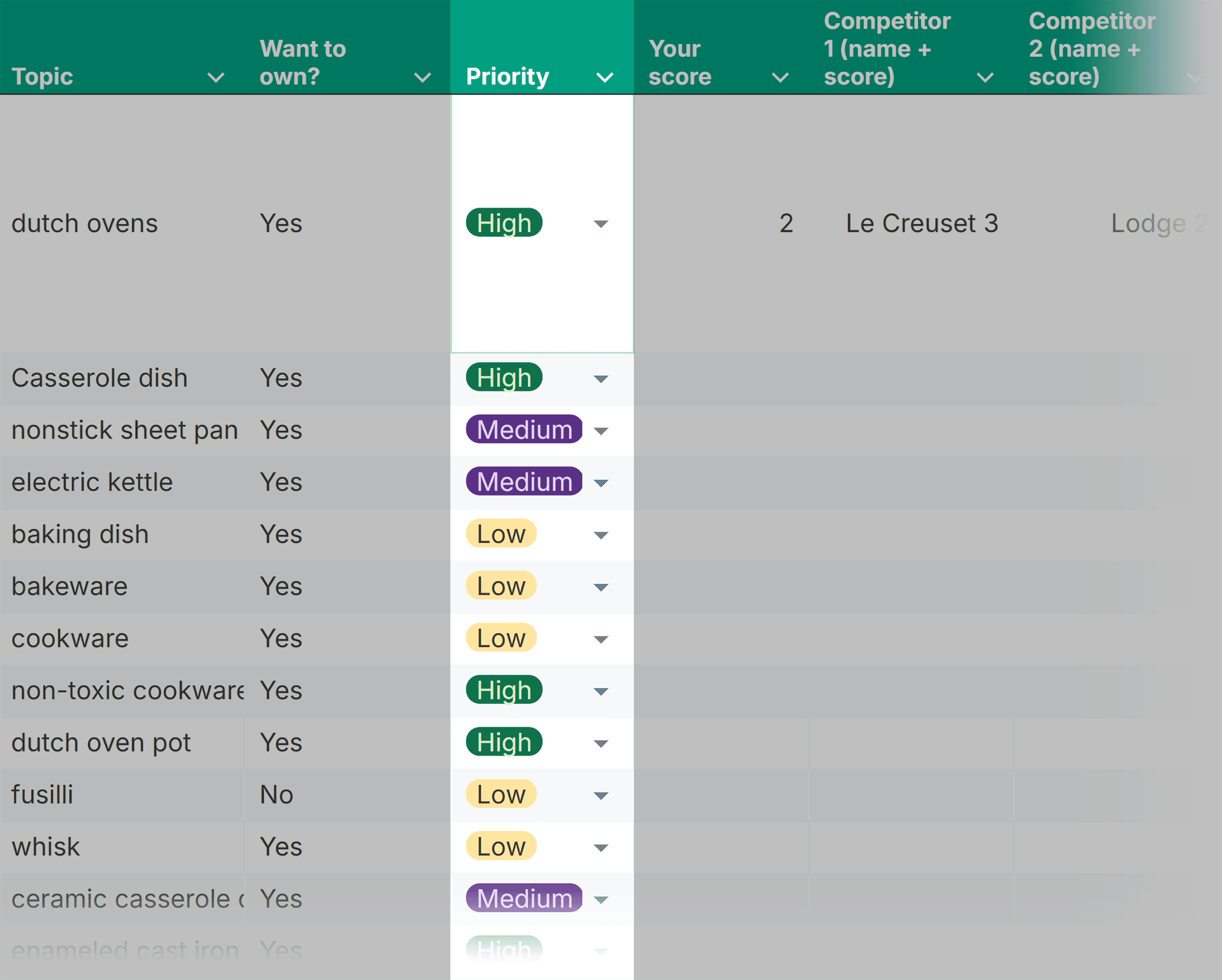
- Score by Association: Create a grid comparing your brand’s strength against three primary competitors. Look for high-intent topics where your competitors are weak and your brand has a foothold.
Step 3: Establishing Your POV
Your POV is your competitive advantage. It is what makes your brand the answer to a specific question. For Great Jones, pivoting toward a "gifting" POV—positioning the Dutch oven as the ultimate modern, aesthetic gift—transforms the product from a kitchen tool into a solution for a specific consumer pain point.
Step 4: Mapping Proof Architecture
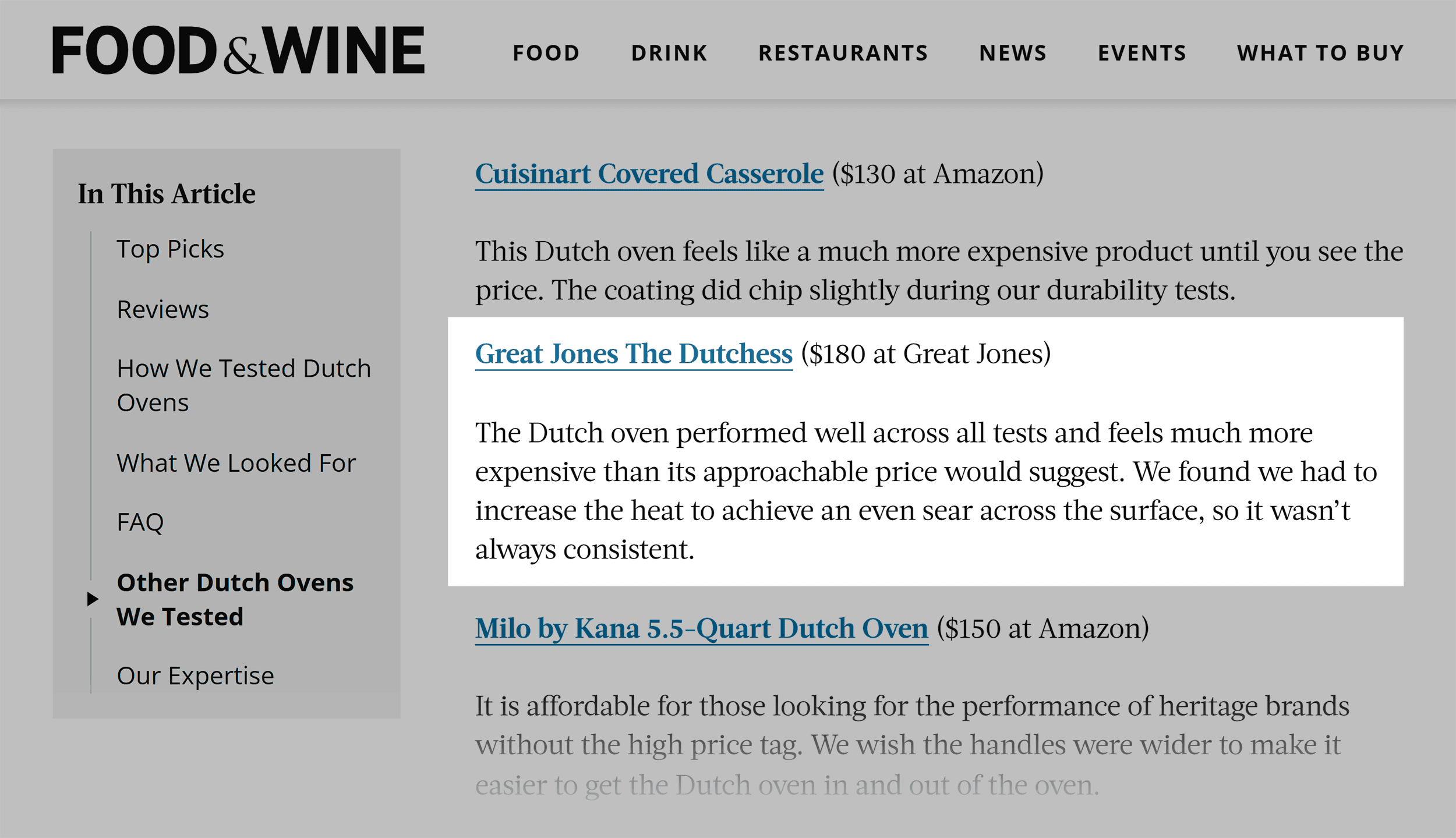
A POV without evidence is merely marketing fluff. You need a blueprint for proof assets across the buyer journey:
- Awareness Stage: Use industry data and customer statistics.
- Consideration Stage: Use expert endorsements and certifications.
- Comparison Stage: Use independent test results and head-to-head comparisons.
The Role of External Proof Systems
As Amanda Milligan, Content and Growth Manager at Semrush, frequently highlights, search engines and LLMs now look for external evidence to support on-site claims. This is where "Signature Proof Points" come into play.
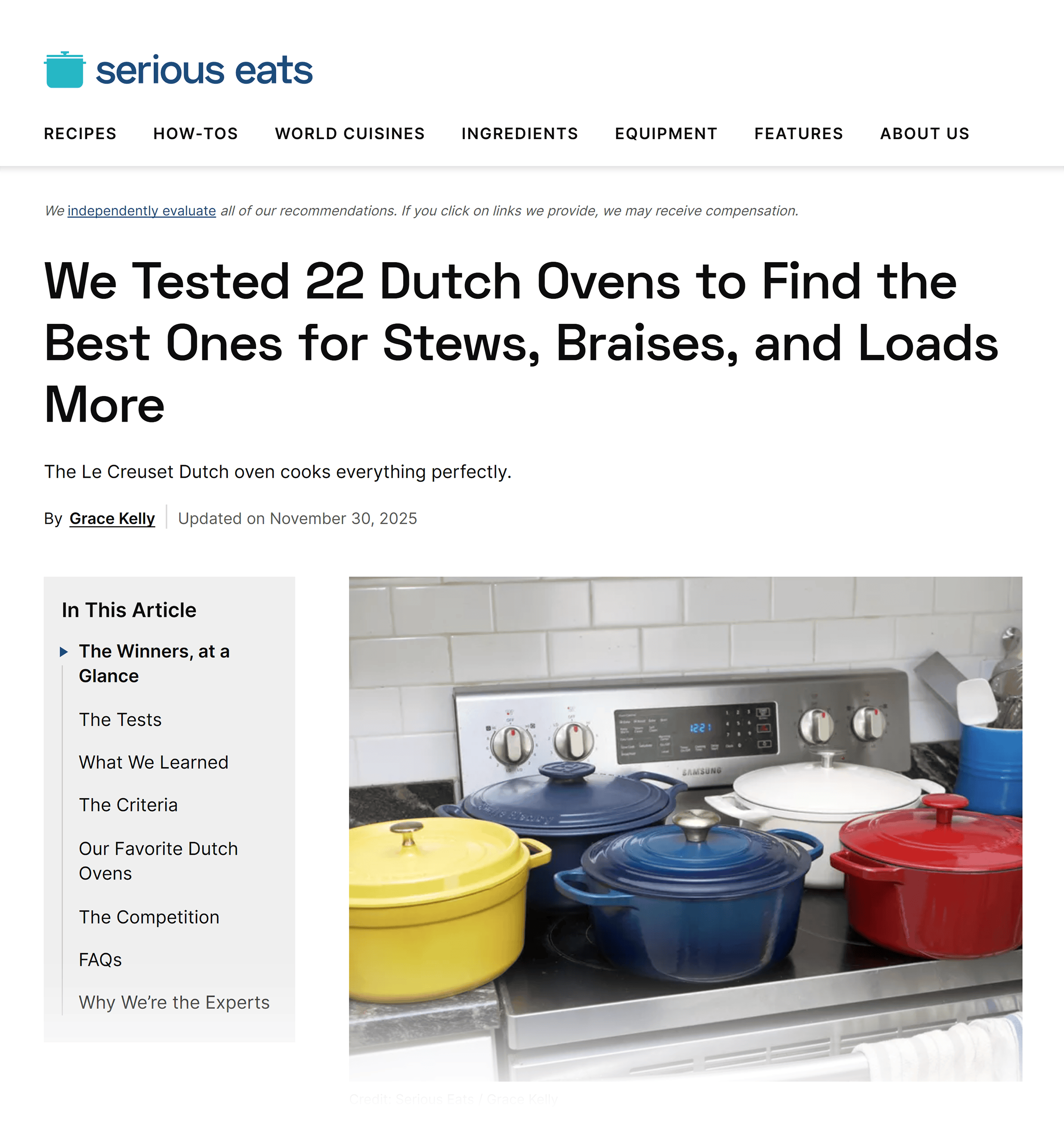
A signature proof point is an original, data-backed narrative—such as a proprietary report on seasonal purchasing habits—that journalists and bloggers want to cite. By distributing this insight across niche communities, social channels, and press outlets, you build a web of off-site associations that verify your authority to the AI systems.
Implications for Future Growth
The shift toward AI-discovery means that topical authority is no longer optional; it is the new SEO. Brands that fail to structure their presence will find themselves increasingly pushed to the sidelines of search.
However, the upside is significant. By applying the Topical Authority Pyramid, brands can stop fighting for scraps of generic traffic and instead claim a dominant, defensible position in their niche. The process requires discipline: auditing the current state, choosing a singular focus, sharpening a POV, and building a system of proof.
In the end, authority is not given; it is built. By consistently showing up with the same message, in the same spaces, and with the same proof, you force the algorithms to recognize your brand not just as a seller, but as the primary authority on the topic.
Backlinko is owned by Semrush. We are dedicated to bringing you world-class SEO insights, backed by hands-on experience. Unless otherwise noted, this content was written by an employee or paid contractor of Semrush Inc.