The landscape of online retail is currently undergoing its most significant shift since the advent of the mobile-first era. This week, the industry is witnessing a massive pivot toward "agentic commerce"—the transition from passive digital storefronts to active, AI-driven ecosystems that can think, negotiate, and facilitate transactions with minimal human intervention. From new integrations in social commerce to major logistics acquisitions and the rise of AI-search visibility, the following report breaks down the critical updates shaping the ecommerce sector.
The Core Transformation: Agentic Commerce Takes Center Stage
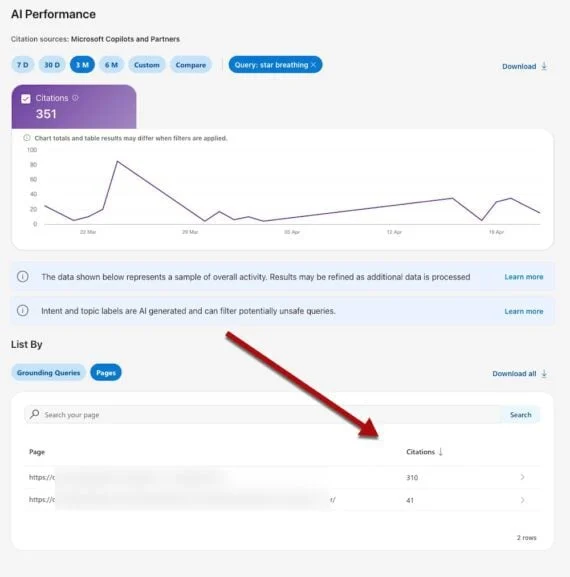
The most prominent trend emerging this week is the rise of the "agentic" web. It is no longer enough for a brand to have a website; brands must now ensure their inventory is readable, discoverable, and actionable by AI agents.

New Tools for Intelligent Retail
Several platforms have unveiled tools designed to bridge the gap between legacy web structures and the emerging AI-search economy:
- Lantern’s Agentic Platform: Lantern has launched a specialized platform focused on AI-powered shopping portals. Their tool acts as a bridge, predicting how AI models interpret product data and applying necessary optimizations to ensure products appear favorably in AI-driven search results.
- Alli AI’s WordPress Plugin: To combat the "black box" of AI crawlers, Alli AI has introduced a plugin that pre-renders HTML for AI platforms like ChatGPT, Perplexity, and Claude. This ensures that when an AI crawler visits a store, it receives a perfectly structured data set, significantly increasing the likelihood of brand visibility in AI-generated responses.
- Square’s AI Discovery: Square is betting big on conversational commerce by integrating its dashboard with ChatGPT and Claude. This allows sellers to sync their menu, pricing, and availability so that AI assistants can answer customer queries and facilitate orders directly through chat interfaces.
Chronology of Market Developments
The following events highlight the rapid acceleration of ecommerce infrastructure updates over the past seven days:

Early Week: The Customer Experience Pivot
- Text launched a robust Shopify app and WhatsApp for Business integration, centralizing communication channels (LiveChat, ChatBot, Inbox) into a single, AI-powered dashboard.
- Knowband released an AI suite for PrestaShop, including an Admin Assistant and an AI Review Generator, allowing merchants to leverage major LLMs like Claude or OpenAI to handle routine social proof and reporting tasks.
- Akixi introduced its CX Suite, focusing on high-fidelity call analytics and sentiment-based call scoring to help brands quantify customer experience metrics.
Mid-Week: Logistics and Operational Scaling
- The CMA CGM Group finalized a monumental $1.4 billion agreement to acquire FedEx Supply Chain. This move is set to triple the capacity of their North American subsidiary, CEVA Logistics, adding 150 warehouses to their network.
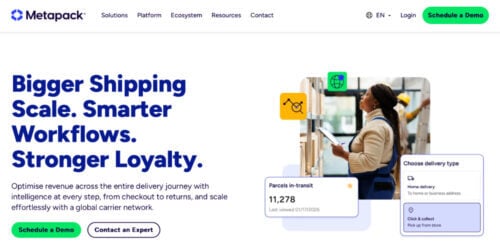
- Metapack secured a strategic partnership with OneStock, creating an end-to-end delivery management stack that connects inventory orchestration with global carrier networks.
Late Week: Growth and Marketing Consolidation
- Pie emerged from stealth mode with a $19.5 million Series A funding round. Their "Front Desk" AI product is specifically tailored for local businesses, automating 24/7 call answering and booking management.
- Moburst expanded its influence by acquiring Hyperzon, signaling a deeper commitment to the Amazon ecosystem. The newly minted "Hyperzon by Moburst" division will provide full-funnel management for brands on Amazon.
- NielsenIQ expanded its digital footprint by acquiring Flywheel’s China and Southeast Asia data business, bolstering their ability to track the "digital shelf" across complex international markets.
Supporting Data: Why AI Integration Matters
The push toward AI automation is not merely a trend—it is a response to the rising complexity of consumer discovery. Data from this week’s releases highlights a few critical statistics:
- Efficiency Gains: Platforms like AllyHub report that their browser-native AI automation can reduce repetitive workflow time by capturing successful human executions as reusable assets, effectively "training" the workflow to run autonomously.
- Conversion Friction: The introduction of Mastercard Click to Pay via Zen.com addresses the persistent issue of checkout abandonment. By enabling tokenized one-click payments across 33 markets, the industry aims to reduce the "re-entry fatigue" that typically leads to cart abandonment.
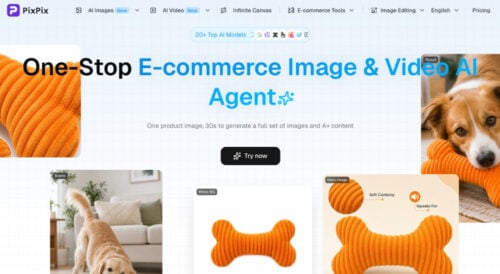
- Content Velocity: With the adoption of Google’s Nano Banana 2 Lite model in the PixPix platform, ecommerce teams can now generate high-quality product lifestyle scenes and advertising concepts in seconds, rather than hours, theoretically lowering the barrier to entry for high-end visual marketing.
Official Responses and Strategic Perspectives
On the Future of Content Creation
"The shift toward browser-native AI is about liberating teams from the mundane," stated a spokesperson for AllyHub. "By treating successful tasks as reusable assets, we aren’t just automating; we are creating a digital twin of the merchant’s operational best practices."
On Logistics and Global Reach
The acquisition of FedEx Supply Chain by CMA CGM represents a shift in logistics ownership. According to industry analysts, this consolidation allows for a more seamless integration of ocean freight and last-mile delivery, creating a more resilient supply chain against global disruptions.
On Social Commerce and Creators
X’s rollout of Live Studio marks a clear strategic effort to reclaim the creator economy. By replacing Media Studio Producer with a more robust tool that allows for private test streams and real-time audience analytics, X is positioning itself as a professional-grade hub for "live-shopping" events.

Implications for the Modern Merchant
The cumulative effect of these developments is that the "online store" is becoming a distributed entity. Merchants are no longer just maintaining a website; they are managing a digital presence that must be optimized for:
- AI Crawlers: If your site is not optimized for AI discovery (as seen with Alli AI’s plugin), you risk becoming invisible to the next generation of shoppers who use AI as their primary search engine.
- Omnichannel Orchestration: Partnerships like those between Lightspeed and Klaviyo prove that data silos are being dismantled. The ability to sync real-time sales and customer data is now the minimum standard for building effective lifecycle marketing flows.
- Low-Friction Transactions: Hostinger’s new ability to turn a simple product photo into a checkout link underscores the trend of "headless" commerce. The website is no longer the required destination; the transaction is the destination.
The Verdict: A New Era of Competition
For small and medium-sized enterprises (SMEs), these tools provide a level of operational power previously reserved for Fortune 500 companies. However, this also raises the bar for entry. As AI agents become more adept at filtering the web for the best products and prices, brands that fail to adopt these new standards of visibility and automation will find it increasingly difficult to compete.
The next six months will likely see a race to "agent-readiness." Merchants who prioritize the structure, discoverability, and automated responsiveness of their digital assets will be the ones that thrive in this emerging AI-driven economy.
Do you have an ecommerce product release or update that should be included in our next roundup? Email us at [email protected].