You have done the heavy lifting. You have spent hours A/B testing subject lines to find the perfect hook, drafting copy that speaks directly to the pain points of your audience, and meticulously designing automations that fire at the precise moment a customer is ready to buy. You hit "send" with the quiet confidence of a founder who knows their strategy is sound.
Then, silence.
The open rates don’t climb. The conversions don’t materialize. Your email hasn’t been rejected; it has simply vanished into the digital abyss of the spam folder. This is not a failure of your marketing prowess or your product’s value—it is a failure of deliverability. In the modern ecommerce landscape, your ability to reach the inbox is the single most critical, yet frequently ignored, pillar of business growth.
The Anatomy of Deliverability: More Than Just "Sent"
To understand why your emails are disappearing, we must first distinguish between delivery and deliverability.
When an email is "delivered," it merely means the receiving mail server—like Gmail, Outlook, or Yahoo—accepted the message without bouncing it back as undeliverable. However, "deliverability" is a far more nuanced gatekeeping process. It describes the likelihood of your email landing in the primary inbox rather than the Promotions tab or, worse, the dreaded spam folder.
Email providers today operate with hyper-vigilant filters designed to protect users from malicious actors. They don’t care how beautiful your newsletter is; they care about the sender’s reputation, technical authentication, and the historical engagement of the recipient. For an ecommerce founder, a 20% drop in deliverability is not just a technical glitch—it is a 20% revenue hit that often goes undetected until your monthly reporting reveals a downward trend that is difficult to reverse.
The Reputation Economy: How Providers Score You
Think of your sender reputation as a credit score for your business. Every time you hit "send," internet service providers (ISPs) analyze your behavior. They track your bounce rates, the frequency of spam complaints, and, most importantly, how your recipients interact with your content.
The Feedback Loop
- Positive Signals: Opens, link clicks, replies, and users moving your emails from "Spam" to "Inbox." These actions act as "votes" that tell the ISP your content is desired.
- Negative Signals: High bounce rates, a lack of opens over extended periods, and "Mark as Spam" flags. These signals force ISPs to deprioritize your future sends, eventually throttling your domain until your emails are blocked entirely.
This is why "batch and blast" strategies—sending mass emails to unvetted lists—are the fastest way to destroy your sender reputation. Once a reputation is tarnished, rebuilding it is a slow, grueling process that can take weeks of disciplined, low-volume sending.
Technical Foundations: Authentication is Your Digital ID
If reputation is your credit score, authentication is your passport. In an era of rampant phishing and spoofing, ISPs require proof that you are who you say you are. Without these three technical protocols, even the most legitimate businesses will be treated with suspicion:
- SPF (Sender Policy Framework): A DNS record that lists the specific IP addresses and servers authorized to send email on behalf of your domain.
- DKIM (DomainKeys Identified Mail): A digital signature that adds an encrypted layer to your emails, proving that the message was not altered in transit.
- DMARC (Domain-based Message Authentication, Reporting, and Conformance): The overarching policy that tells ISPs what to do if an email fails SPF or DKIM checks.
While platforms like Omnisend often automate these configurations, founders must audit their DNS records regularly. A missing DKIM record is a "silent killer" of deliverability, often causing high-value transactional emails to be blocked by security filters.
The Unsexy Science of List Hygiene
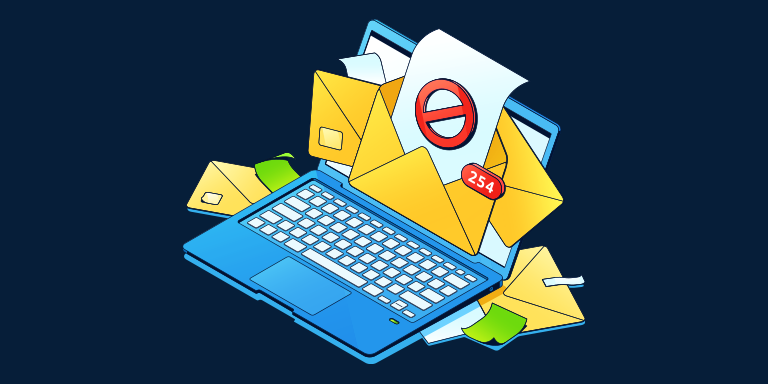
The most common trap for growing businesses is the obsession with list size over list quality. There is a common misconception that having 100,000 subscribers is inherently better than having 10,000. In reality, a bloated list of "dead" contacts—people who have stopped opening emails or changed their addresses—is a liability.
A Chronology of Decay
- Phase 1 (The Honeymoon): New subscribers engage at high rates. Your reputation is strong.
- Phase 2 (The Accumulation): Over 6–12 months, users change habits. Typos in email signups result in hard bounces.
- Phase 3 (The Drag): The "dead weight" starts to accumulate. ISPs notice that you are sending thousands of emails to people who never open them.
- Phase 4 (The Filter): Because your engagement rate has dropped below a critical threshold, ISPs start filtering you into the spam folder for everyone, including your most loyal, active customers.
To prevent this, you must adopt a strict hygiene routine. Implement a re-engagement campaign for users who haven’t interacted in 90 to 180 days. If they don’t respond to a "We miss you" email, delete them. Shrinking your list feels counterintuitive, but a smaller, highly active list will almost always result in higher revenue than a massive, dormant one.
Content Patterns That Trigger Filters
Modern spam filters use AI-driven analysis to scan for "spammy" characteristics. While you shouldn’t strip your brand voice to accommodate a robot, you must be aware of common triggers that might put you on the wrong side of a filter:
- HTML Structure: Avoid bloated, code-heavy emails. If your email is essentially one large image, filters cannot read the text, making it harder for them to verify your intent.
- Link Hygiene: Avoid using URL shorteners (like Bitly) in marketing emails. Spammers love these to hide the destination of their links. Always use direct, branded links.
- Subject Line Psychology: Avoid "salesy" triggers like all-caps, excessive exclamation points, or "clickbait" promises that aren’t backed by your actual email content.
- Image-to-Text Ratio: Aim for a balance. An email with 90% image and 10% text is a red flag for filters that suspect you are trying to bypass text-based content analysis.
The Intersection of Strategy and Deliverability
Your email deliverability is inextricably linked to your broader marketing strategy. The "Welcome Series," for instance, is the most important set of emails you will ever send. These messages have the highest open rates and set the engagement baseline for your brand. If a user signs up and doesn’t receive a compelling welcome sequence, they are less likely to open your future emails, creating a negative feedback loop from day one.
Similarly, consistent sending behavior is key. If you send 50,000 emails on Black Friday but zero emails for the previous three months, you are triggering a "reputation spike" that warns ISPs of suspicious activity. Maintain a steady cadence to keep your domain "warmed up."
Implications: Building a Resilient Email Program
The takeaway for founders is clear: Deliverability is not an IT task you finish once and forget; it is a fundamental business practice. The companies that dominate their niches are those that view their email list as a living, breathing community that must be nurtured, cleaned, and protected.
When you treat deliverability as a priority, you stop losing revenue to the "silent" spam folder. You start ensuring that your hard-earned copy actually reaches the people who want to buy from you.
For those looking to automate this protection, platforms like Omnisend are specifically designed to handle these technical complexities. With built-in deliverability monitoring, automated authentication support, and list health tools, they provide the infrastructure required to scale without the fear of being "shadow-banned" by ISPs.
Foundr readers can take a proactive step toward better inbox placement by using code FOUNDR50 for 50% off their first three months of Omnisend.
Don’t wait for your open rates to crater before you take action. The health of your inbox is the health of your bottom line. Start cleaning your list, authenticating your domain, and prioritizing engagement today—because the best email in the world is useless if it never reaches the eyes of your customer.