In the hyper-competitive landscape of modern e-commerce, most businesses treat their email list as a digital Rolodex—a mere repository of contact information waiting to be activated by the next flash sale or product launch. The standard operating procedure is simple: build the list, segment the data, and optimize for conversion.
While this transactional approach is functional, it is fundamentally incomplete. The most resilient, high-growth brands have pivoted away from this model, choosing instead to use email as a medium for building genuine community. By shifting the objective from "conversion" to "connection," these brands are creating an ecosystem where customers evolve into advocates, brand loyalists, and active participants in the company’s evolution.
The Paradigm Shift: Defining the "Community" Mindset
To understand the difference between a list and a community, one must look at the psychological tether between the brand and the subscriber. A list is a collection of data points; a community is a collection of people who feel a sense of belonging.
The gap between these two concepts is not defined by software, A/B testing, or high-end design. It is defined by philosophy. Conventional e-commerce marketing relies heavily on the "funnel" approach: welcome series, browse abandonment, cart recovery, and win-back sequences. These are essential, high-utility frameworks that maintain the baseline health of an online business. However, if these automations represent the entirety of your email strategy, you are neglecting the most durable asset in your marketing arsenal: the human relationship.
Brands that successfully build community prioritize the inbox as a relationship channel first and a revenue channel second. This does not imply that revenue is unimportant; rather, it acknowledges that sustained, repeatable revenue is a byproduct of a deeply nurtured, authentic relationship.
Chronology of Connection: Moving Beyond the Funnel
The evolution of a subscriber from a casual lead to a community member typically follows a distinct progression. Understanding this lifecycle is critical for any founder looking to scale beyond basic transactional marketing.
- The Acquisition Phase (The Entry): The subscriber joins via a signup form. In a transactional model, this triggers an automated discount code. In a community-led model, this triggers a "Value-First" welcome sequence that introduces the brand’s mission and backstory.
- The Integration Phase (The Context): Here, the brand begins sharing "insider" knowledge. This is where the shift from "what we sell" to "why we exist" occurs. Subscribers are treated to the nuances of product development, the challenges of sourcing, and the brand’s unique point of view.
- The Interaction Phase (The Dialogue): This is the pivot point. The brand initiates a two-way conversation by asking questions or soliciting feedback. The subscriber moves from being a recipient of information to a participant in the brand’s growth.
- The Advocacy Phase (The Ecosystem): The subscriber becomes a brand ambassador. They forward emails, provide user-generated content (UGC), and offer organic advocacy. At this stage, the subscriber is no longer just a customer—they are an extension of the brand.
Supporting Data: Why Engagement Outperforms Automation
The metrics tell a compelling story. While conversion rates are the lifeblood of retail, "community" metrics provide the leading indicators of long-term brand health.
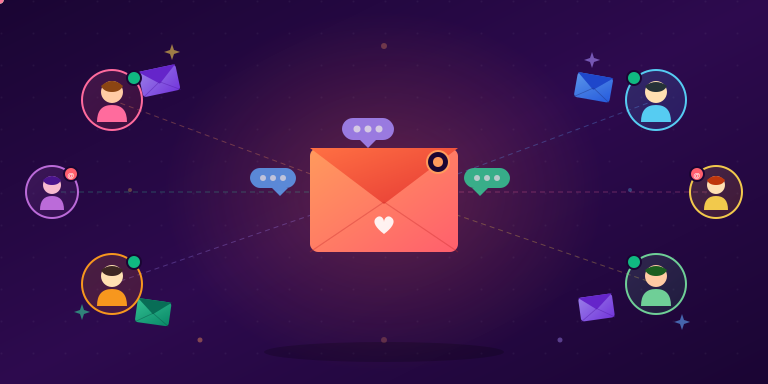
- Reply Rates: A high reply rate is the ultimate indicator that your subscribers view your brand as a peer, not a corporate entity. It suggests that your content is resonant enough to provoke a thought or a response.
- Forwarding Rates: When a subscriber forwards an email, they are effectively offering a personal endorsement. In an era of high-cost customer acquisition (CAC), a high forward rate is a signal of organic, viral growth that does not require ad spend.
- Retention and LTV: Data consistently shows that customers who feel a personal connection to a brand have a significantly higher Lifetime Value (LTV). They are less price-sensitive and more resilient to competitive encroachment.
- Unsubscribe Patterns: A spike in unsubscribes following a promotional blast is normal; however, a low unsubscribe rate across content-heavy emails is a powerful indicator that your audience finds value in your voice, not just your discounts.
Strategic Frameworks for Insider Access
Creating a sense of belonging does not require a gated membership portal or a complex loyalty program. It requires a fundamental shift in how you frame your communications.
1. The Power of "In-Process" Transparency
Modern consumers are increasingly fatigued by polished, corporate marketing. There is a hunger for "process-oriented" content. Share the story behind the product: the failed prototypes, the difficult supplier negotiations, and the "why" behind the specific design choices. By sharing the struggle, you allow the subscriber to invest in your success. When the final product launches, they are not just buying an item; they are celebrating a milestone they witnessed being built.
2. The Founder’s Voice
Founder-led emails are among the most potent tools in e-commerce. A plain-text email, devoid of heavy graphics and complex layouts, often feels more intimate and authentic. It bridges the distance between the CEO and the customer, signaling that the company is run by real people who care about the output.
3. The Two-Way Conversation
Most email programs are "broadcast" mediums. To foster community, you must turn them into "dialogue" mediums. This is as simple as ending an email with a genuine, low-friction question: "What is the one thing you’re still trying to figure out regarding [category]?" or "What should we create next?"
When a subscriber takes the time to reply, the response should be human. Even if you cannot reply to every single email as you scale, responding to a few dozen per week can have a disproportionate impact on brand loyalty. These interactions create "super-fans" who feel heard and valued.
Establishing a Recognizable Brand Identity
Community coalesces around identity, and identity is transmitted through voice. If your brand’s emails could be interchanged with a competitor’s, you lack the distinct personality required to build a community.
Developing a strong brand voice involves answering difficult questions: What does your brand believe about its industry? What does it push back against? What are your non-negotiables? When these values are consistently woven into your communication—whether you are writing a product launch or a newsletter—your subscribers begin to feel a sense of shared identity. They stay because they feel they know you, and in the digital age, trust is the currency of loyalty.
Implications for Future Growth
The transition to a community-centric model has profound implications for business sustainability. In an environment where privacy regulations and algorithm changes constantly threaten traditional paid-acquisition channels, an email list is the one asset that the business owner fully owns.
By moving away from purely transactional messaging, businesses mitigate the risk of "email fatigue." A subscriber who feels connected to your brand’s mission is far more likely to remain on your list than one who is only waiting for a 20% discount code. Furthermore, this approach allows for more nuanced data collection. Through polls, direct replies, and engagement tracking, you can gather insights into customer needs that no amount of market research can replicate.
Official Guidance and Tools for Implementation
Building this infrastructure requires the right technological foundation. While the philosophy is human-centric, the execution is supported by robust software. Tools like Omnisend are designed to bridge the gap between complex automation and personal connection.
Modern email marketing platforms now offer advanced segmentation, allowing brands to treat different cohorts of their audience with the appropriate level of detail and personalization. By automating the "transactional" heavy lifting—such as shipping notifications and abandoned cart reminders—founders can reclaim the time necessary to focus on the high-value, relationship-building content that defines a brand’s community.
For entrepreneurs looking to get started, the barrier to entry is low. The most successful brands today are not those with the largest budgets or the most sophisticated marketing teams; they are the ones that prioritize the human connection. By treating your subscribers as participants in your journey rather than just recipients of your offers, you build a foundation that is resistant to market volatility and primed for long-term growth.
For those ready to scale their email efforts, platforms like Omnisend offer the necessary analytics to measure these intangible connections, ensuring that every send brings you closer to your community. By leveraging the right tools and a commitment to authenticity, you can transform your email program from a simple outreach channel into the beating heart of your business.