In the modern digital landscape, the mantra for sustainable business growth is simple: more leads lead to more customers, which ultimately drives more revenue. Yet, for many marketers and agency founders, the sheer volume of available channels—from organic social media to cold email outreach—can feel overwhelming. The challenge isn’t a lack of options; it is identifying the right path forward in a crowded, competitive market.
Lead generation serves as the lifeblood of the sales funnel. It is the art of attracting potential customers and nurturing their interest until they are ready to engage with your product or service. Whether you are a lean startup or an established enterprise, mastering this process is non-negotiable. This guide outlines 13 battle-tested lead generation strategies designed to help you capture demand, optimize your conversions, and build a sustainable pipeline.
Understanding the Foundation: What are Lead Generation Strategies?
At its core, a lead generation strategy is a systematic method used to attract and convert prospects into individuals who have expressed interest in your business. This is the critical transition point where a passive visitor becomes a qualified lead.

Inbound vs. Outbound: The Strategic Dichotomy
There is no "one-size-fits-all" approach to lead generation. Success depends on your business model, target audience, and the complexity of your product.
- Inbound Marketing: This approach focuses on pulling potential customers toward your brand by providing immense value through blog posts, SEO, and social media. It builds long-term authority and trust, though it often requires time to gain momentum.
- Outbound Marketing: This involves reaching out directly to prospects via cold emails, paid advertising, or telemarketing. While outbound strategies are frequently criticized for being intrusive, they offer the significant advantage of immediate results and precise targeting.
The most effective organizations typically employ a hybrid model, using outbound tactics to generate quick wins while layering in inbound content to nurture a long-term, self-sustaining ecosystem of prospects.
The Pre-Requisite: Defining Your Target Buyer
Before you launch a single campaign, you must solve the "who" problem. If you attempt to target "everyone," you end up reaching no one. Defining your target market involves a two-step process:

- Market Segmentation: Identify the industries, company sizes, and geographic regions where your product provides the most value.
- Buyer Persona Development: Go beyond demographics. Understand the pain points, goals, decision-making criteria, and preferred communication channels of your ideal buyer.
By clearly defining your audience, you prevent the common pitfall of wasting budget on tactics that are fundamentally misaligned with your prospective customer’s behavior.
13 Strategies to Fuel Your Lead Generation Engine
1. Create Conversion-Optimized Landing Pages
Landing pages are the primary destination for your traffic. Unlike a homepage, which serves a broad purpose, a landing page is designed for a single goal: conversion. By using tools like Unbounce, you can build drag-and-drop pages that are highly optimized for specific ad campaigns, ensuring that the message the user sees in an advertisement matches the promise on the page.
2. Build an Inbound Content Marketing System
Content marketing is the engine of authority. By producing high-quality articles, videos, and infographics, you address the specific questions your audience is asking. When executed correctly, content marketing moves prospects through the awareness and consideration stages of the funnel, naturally leading them toward your conversion forms.

3. Leverage Search Engine Optimization (SEO)
SEO is the art of showing up when your customer is actively looking for a solution. By optimizing your landing pages and blog content for intent-based keywords, you attract high-quality traffic that is already "in-market." This reduces your long-term dependency on paid advertising and establishes your domain as a trusted industry authority.
4. Execute Targeted Cold Email Campaigns
Forget the "spray and pray" approach. Modern cold email success relies on personalization and intent. By identifying prospects who have shown specific signals—such as hiring for a new role or recently receiving funding—you can reach out with a hyper-relevant value proposition that feels like a conversation rather than a solicitation.
5. Utilize Popups and Sticky Bars
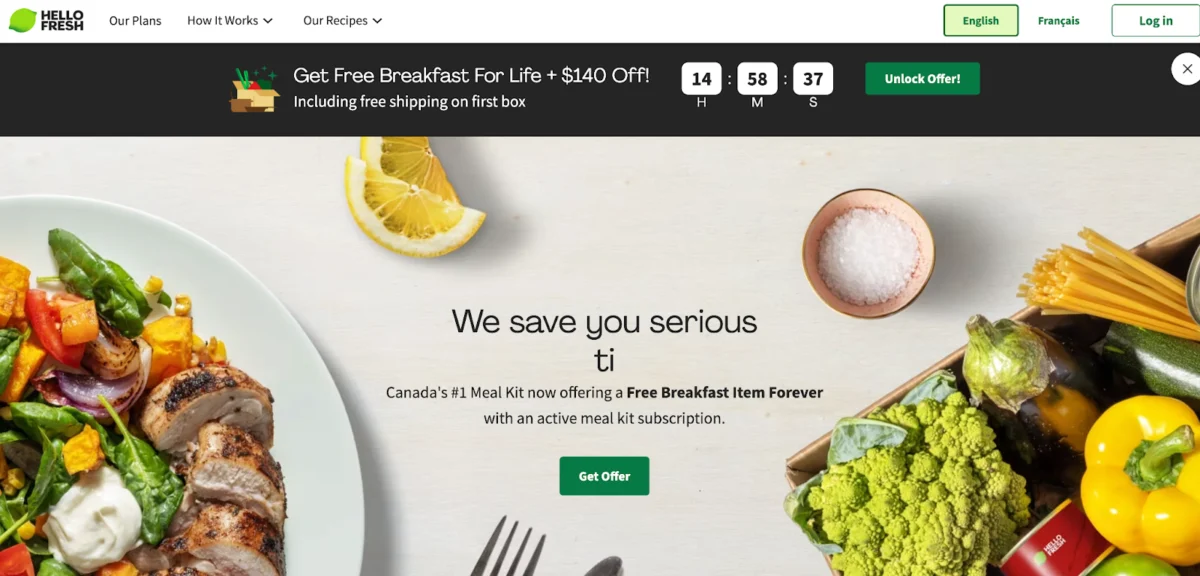
While often viewed as a nuisance, popups are incredibly effective when used with restraint and timing. A well-placed sticky bar offering a discount or a free resource can capture the attention of a visitor just as they are about to leave, providing one last opportunity to capture their contact information.

6. Harness Social Media Marketing
Social media allows you to meet your audience where they spend their time. Whether you leverage organic content to build community or paid ads to target specific demographics, the key is authenticity. Platforms like LinkedIn are vital for B2B lead gen, while TikTok and Instagram excel at driving discovery for B2C brands.
7. Run Pay-Per-Click (PPC) Advertising
PPC is the "fast lane" of lead generation. By bidding on high-intent keywords, you can place your brand at the very top of search results. When combined with a highly optimized landing page, PPC provides a predictable, scalable stream of leads that can be turned on or off based on your current capacity.
8. Host Webinars and Live Events
Webinars are among the most effective ways to establish credibility. By spending 30 to 60 minutes educating a prospect on a complex industry issue, you prove your expertise. Because the barrier to entry (registering for a webinar) is higher than downloading a PDF, the leads you generate from these events are often higher in quality and intent.

9. Launch a Referral Program
Your existing customers are your best sales team. A formal referral program incentivizes satisfied clients to advocate for your brand. Because people trust their peers far more than they trust corporate advertising, referrals often result in the highest conversion rates and the lowest customer acquisition costs.
10. Partner with Industry Influencers
Influencer marketing has evolved. You no longer need celebrity-level reach to see results. Partnering with niche creators on LinkedIn, YouTube, or via specialized newsletters allows you to tap into highly engaged, pre-built audiences that already trust the influencer’s recommendations.
11. Implement Retargeting Campaigns
Most visitors won’t convert on their first visit. Retargeting allows you to follow those users with tailored ads as they browse the rest of the internet. By reminding them of the value they missed—or offering a case study to build further trust—you can recapture leads that would have otherwise been lost to the "digital abyss."

12. Offer Free Trials and Demos
The "Costco strategy" of free samples is highly effective in SaaS and professional services. Allowing a prospect to experience your product firsthand lowers the perceived risk of a purchase. If the product provides genuine value, the transition from "trial user" to "paying customer" becomes a natural, logical step.
13. Use Interactive Tools and Quizzes
Quizzes are remarkably effective because they provide immediate, personalized value to the user. By asking a few diagnostic questions, you not only capture the user’s email address but also gain critical insights into their specific needs, which allows your sales team to customize their follow-up outreach.
Implications for Future Growth
Lead generation is not a "set it and forget it" process. It requires constant iteration, A/B testing, and a willingness to pivot when data suggests a strategy is underperforming.

Summary of Best Practices:
- Align your offer with the buyer’s intent.
- Prioritize mobile-responsive landing pages.
- Track every conversion point to calculate your Customer Acquisition Cost (CAC).
- Focus on quality over quantity; 10 qualified leads are better than 100 unqualified ones.
By systematically testing these 13 strategies, you can build a robust, diversified lead generation engine that fuels consistent business growth, regardless of market conditions. Start by selecting one inbound and one outbound strategy, master them, and then expand your reach as your infrastructure grows.