In the high-stakes world of eCommerce, where every click is treated as a potential conversion, the "newsletter pop-up" has become a ubiquitous fixture. Often designed to capture email addresses the moment a visitor lands on a site, these aggressive overlays represent a fundamental conflict in digital strategy: the pursuit of short-term Key Performance Indicators (KPIs) versus the necessity of sustainable, long-term customer relationships. As data continues to prove, the most intrusive methods of lead generation are often the most damaging to the brand’s bottom line.
The Anatomy of an Interruption
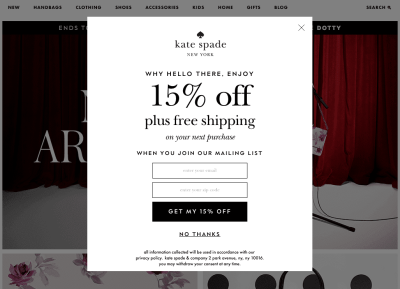
The modern digital consumer is task-oriented. When they arrive at an eCommerce site, they are usually driven by a specific intent—researching a product, comparing prices, or evaluating delivery logistics. When a vibrant, full-screen pop-up forces itself into this user journey, it acts as a digital "speed bump."
Most users dismiss these interruptions instinctively, often before they have even processed the value proposition behind the offer. This reflexive dismissal is not just a nuisance; it is a signal of a broken user experience (UX). When a brand prioritizes a data-capture metric over the visitor’s immediate goal, they create an environment of friction. By treating a visitor as a "lead" to be harvested rather than a customer to be courted, companies inadvertently signal that they value the email address more than the user’s time.
A Chronology of the "Lead Growth" Fallacy
The obsession with newsletter sign-ups is rarely born of malice; it is born of corporate pressure. A case study of a large-scale eCommerce retailer serves as a cautionary tale of what happens when data-driven design is divorced from user psychology.
Phase 1: The Optimization Sprint
The retailer in question faced a common challenge: a stagnant mailing list. In response, the marketing and web development teams initiated an intensive, multi-week campaign to optimize the newsletter sign-up. They A/B tested headlines, refined the color palettes, adjusted the button placement, and tightened the copy. The goal was simple: increase the number of sign-ups at any cost.
Phase 2: The Dashboard Illusion
Within weeks, the strategy appeared to be a resounding success. The company’s internal dashboards began flashing green, showing a steady, minute-by-minute increase in new sign-ups. For the management team, this was the ultimate validation of their optimization strategy. The "lead generation" KPI was being met, and performance bonuses were seemingly within reach.
Phase 3: The Revenue Disconnect
The cracks began to show after several weeks. While the email list had grown significantly in volume, the revenue generated from these new subscribers remained flat. An audit revealed a sobering reality: the leads were of remarkably poor quality. The influx included disposable email addresses, fake accounts, and abandoned, "noisy" entries that provided no value to the marketing funnel.
Phase 4: The Strategic Pivot
The company soon realized the pop-up was actually a net-negative for the business. Because the intrusive overlay appeared on almost every page, it was driving genuine, high-intent customers away from the site, resulting in higher bounce rates. The decision was made to dismantle the aggressive pop-up architecture and shift toward a more passive, integrated approach. By placing subscription options contextually—within product pages and at the end of the checkout process—the company saw a decline in total sign-up volume, but a massive surge in email engagement and conversion rates.
Supporting Data: The Cost of Friction
User experience research consistently confirms that interruptions negatively correlate with conversion. The Nielsen Norman Group and other UX authorities have repeatedly demonstrated that users are highly resistant to promotional messaging that disrupts their workflow.
- Task Interruption Cost: Any modal or pop-up that forces a user to stop their current activity is viewed as a "major distraction." When a user is interrupted, the cognitive load required to return to their original task is high, which often results in the user abandoning the site entirely.
- The Quality Gap: Volume is not a proxy for value. Email marketing metrics—specifically bounce rates, open rates, and click-through rates (CTR)—are the true indicators of success. Aggressive pop-ups encourage "low-intent" sign-ups, which in turn hurt sender reputation and increase the likelihood of being flagged as spam.
- Trust Erosion: A brand that interrupts a user within the first three seconds of a visit establishes a transactional, rather than a relational, dynamic. Trust is earned through the provision of value; it is rarely given in exchange for a coupon code offered in a intrusive manner.
The Official Perspective: Rethinking Engagement
Industry experts are increasingly shifting their stance from "conversion-at-all-costs" to "meaningful interaction." The current consensus in UX design is that the right message must be delivered at the right time.
If a user is browsing a product page, they are in a state of research. Offering a newsletter sign-up in that context is an intrusion. However, if that same user has successfully completed a purchase or spent a significant amount of time reading a buying guide, they have signaled a deeper level of interest. At that point, a respectful, non-intrusive prompt for a newsletter sign-up is perceived as a logical extension of the relationship.
Integrating, Not Interrogating
The strategy for success lies in subtle integration:
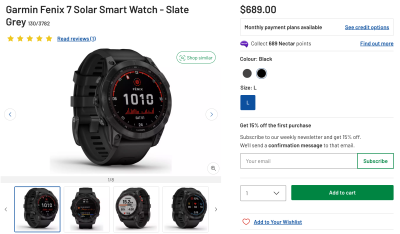
- The "Collapsible" Approach: Instead of a modal window, use a non-modal, collapsible dialog that resides at the bottom of the screen. This allows the user to engage if they wish without being forced to acknowledge the pop-up to continue their session.
- Contextual Placement: Place sign-up opportunities where the user’s intent aligns with the brand’s offer. This might be in the footer of a product page or as an opt-in checkbox during the checkout process.
- Value-First Communication: Rather than saying "Sign up for our newsletter," use copy that emphasizes value: "Get expert advice on material care" or "Receive early access to seasonal collections."
The Implications for Business Strategy
The shift away from aggressive pop-ups represents a broader, necessary evolution in digital business. Companies must stop viewing their website as a "lead capture machine" and start viewing it as a "digital storefront."
When businesses focus on long-term growth, they prioritize metrics that matter: customer lifetime value (CLV), return on ad spend (ROAS), and brand loyalty. These metrics are built on the foundation of trust. By respecting the user’s journey, companies create a virtuous cycle. A visitor who is allowed to explore, learn, and develop an affinity for the brand without being harassed by overlays is far more likely to become a high-value, repeat customer.
Furthermore, the "noise" created by low-quality leads is a hidden cost. Managing large, unengaged email lists is expensive; it requires higher spend on email service providers and risks damaging the brand’s domain authority. By cleaning up the acquisition process, businesses can actually improve their operational efficiency.
Conclusion: A Patient Path to Growth
The transition from aggressive pop-ups to a more thoughtful, humble UX requires patience from leadership. It requires moving away from the dopamine hit of "new sign-up" dashboards and toward the more stable, reliable growth of a genuinely engaged audience.

Interface design is, at its core, an act of empathy. It requires us to stand in the shoes of the user and ask: "Is this helpful, or is this a distraction?" By choosing to be helpful, we do not just improve the UX; we build a brand that is respected, trusted, and ultimately, more profitable. The future of digital marketing lies not in the loudness of the pop-up, but in the quiet, consistent quality of the customer relationship.
For those looking to master these nuances, educational resources like Smart Interface Design Patterns provide a critical roadmap. By moving past outdated, interruptive tactics, designers and marketers alike can foster an internet that is, at long last, designed for the human, not just the algorithm.