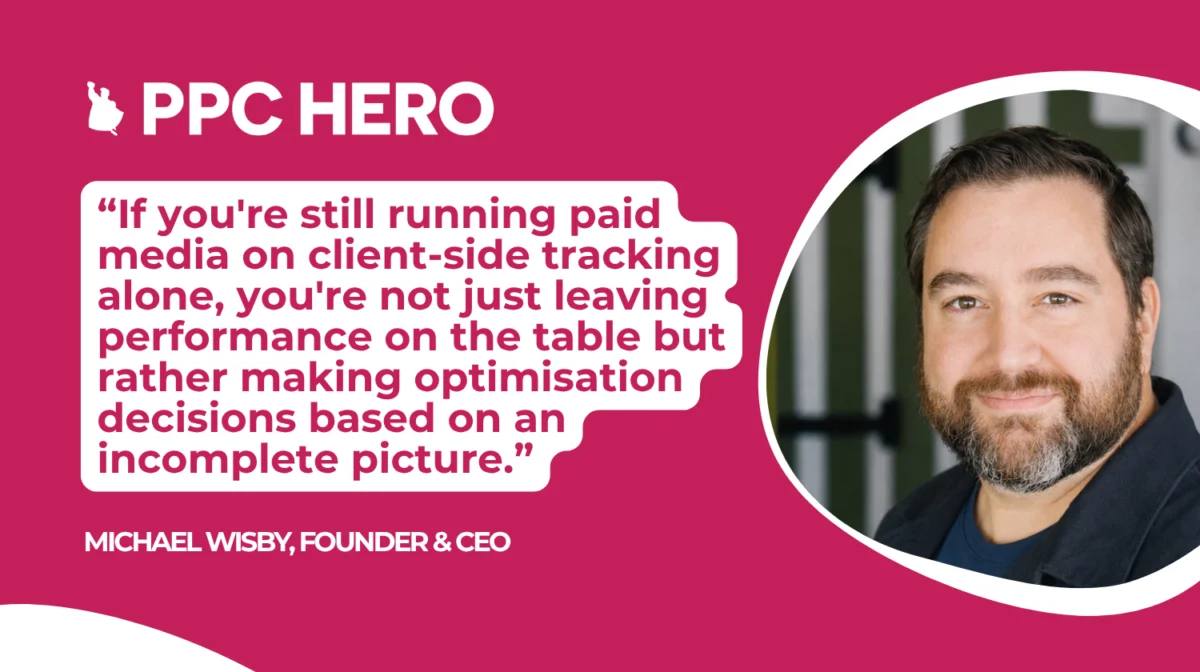
In the high-stakes world of performance marketing, data has long been the primary currency. However, a silent crisis is devaluing that currency at an alarming rate. For years, advertisers have relied on browser-based tracking—the "pixel"—to measure success and optimize campaigns. Today, that foundational layer is fundamentally broken. Between privacy-centric browser updates, aggressive ad-blocking software, and a tightening web of international regulations, the data reaching marketing dashboards is often incomplete, inaccurate, or entirely missing.
The reality for modern advertisers is stark: campaigns are likely performing significantly better—or worse—than the data suggests. This lack of clarity leads to "bidding on shadows," where multi-million dollar budgets are optimized based on a fractured picture of the consumer journey. The solution emerging as the industry standard is server-side tracking, an architectural shift that moves data collection from the user’s browser to a controlled server environment.
Main Facts: The Transition from Browser to Server
For two decades, digital advertising operated on a "client-side" model. When a user interacted with a website, a piece of JavaScript (a pixel) would execute in their browser, sending data directly to platforms like Meta or Google. This made the browser the "middleman" for every conversion signal.
Server-side tracking removes this middleman. Instead of the browser sending data to the ad platform, the website sends data to a private server (typically a server-side Google Tag Manager container). That server then forwards the data to the ad platform’s API.
This shift provides several immediate technical advantages:
- Bypassing Browser Restrictions: It circumvents limitations like Safari’s Intelligent Tracking Prevention (ITP).
- Data Control: Advertisers can filter or redact sensitive information before it ever leaves their infrastructure.
- Enhanced Reliability: Signals are sent server-to-server, making them immune to browser-side crashes or ad-blocker interference.
- Improved Site Performance: By offloading tracking scripts to the server, the user’s browser has less code to execute, leading to faster page load speeds.
Chronology: The Erosion of the Third-Party Cookie
To understand why server-side tracking has become a necessity, one must look at the timeline of the "privacy-first" movement that dismantled the traditional tracking landscape.
- 2017: The Arrival of ITP: Apple introduced Intelligent Tracking Prevention in Safari, beginning the war on cross-site tracking by limiting the lifespan of third-party cookies.
- 2018: The GDPR Era: The European Union’s General Data Protection Regulation (GDPR) went into effect, forcing a global conversation on consent and data transparency.
- 2020: The Chrome Announcement: Google announced its intention to phase out third-party cookies in Chrome, the world’s most popular browser. While the timeline has shifted multiple times, the signal to the market was clear: the cookie-less future was inevitable.
- 2021: iOS 14.5 and ATT: Apple released App Tracking Transparency (ATT), requiring apps to ask for explicit permission to track users. Opt-in rates hovered between 25% and 35%, causing an immediate "signal blackout" for platforms like Meta.
- 2024–2025: Regulatory Maturity: The UK’s Data (Use and Access) Act and the ICO’s increased enforcement against non-compliant cookie banners have made the technical liability of client-side tracking a legal liability.
Supporting Data: The Five Forces Destroying Client-Side Accuracy
The failure of client-side tracking is not the result of a single policy but the convergence of five distinct forces.
1. Browser Privacy Restrictions (ITP and ETP)
Safari and Firefox now aggressively cap the lifespan of cookies. Safari’s ITP can reduce the life of a JavaScript-set cookie to just 24 hours. In markets like the UK, where iPhone market share is high, this means a user who clicks an ad on Monday and buys on Wednesday is often seen as a completely new, "organic" visitor. The attribution link is severed.
2. The Rise of Ad Blockers
Industry data suggests that 30% to 40% of desktop users now employ ad blockers. In tech-savvy or B2B sectors, this number can climb even higher. These tools do not just hide ads; they prevent tracking pixels from even loading. For a B2B advertiser, the very decision-makers they pay a premium to reach are often the ones most likely to be invisible to their tracking.
3. The Impact of iOS 14.5
Since the introduction of ATT, Meta’s ability to track off-platform conversions has been severely hampered. This "signal loss" has forced platforms to rely more heavily on probabilistic modeling—essentially "guessing" who converted. Server-side tracking, through tools like Meta’s Conversions API (CAPI), allows brands to provide "deterministic" data (like hashed email addresses) to fill these gaps.
4. Fragmented User Journeys
The modern buyer journey is non-linear, spanning mobile devices, work laptops, and home tablets. Client-side tracking struggles to "stitch" these sessions together. Server-side infrastructure allows for the integration of first-party data (User IDs or hashed emails) that can unify these touchpoints into a single customer profile.
5. "Tag Bloat" and Page Speed
A typical enterprise website may fire 20 or more marketing tags on a single page load. This "JavaScript bloat" can slow down site speed by several seconds. In an era where a one-second delay can reduce conversions by 7%, the performance cost of client-side tracking often outweighs its benefits.
Official Responses and Regulatory Context
The shift toward server-side tracking is being driven not just by marketing efficiency, but by explicit directives from both technology platforms and government regulators.

Platform Directives: Google and Meta
Both Google and Meta have pivoted their entire optimization engines toward AI-driven systems (Performance Max and Advantage+). These systems are "signal-hungry." Meta officially recommends a "redundant setup," where the browser pixel and the Conversions API work in tandem. By passing a unique event_id, Meta can deduplicate the data, ensuring that the platform receives the maximum possible signal without double-counting.
Regulatory Enforcement: The ICO and GDPR
In the UK and EU, the regulatory environment has turned hostile toward unmanaged data collection. The Information Commissioner’s Office (ICO) has begun auditing the UK’s top 1,000 websites for cookie compliance. Under the Privacy and Electronic Communications Regulations (PECR), fines can now reach up to £17.5 million or 4% of global turnover.
Server-side tracking offers a "governance layer" that client-side pixels cannot match. It allows companies to implement "Consent Mode" at the server level, ensuring that if a user opts out of tracking, no data is transmitted to third-party APIs. This provides an auditable trail of compliance that is far more robust than relying on browser-side scripts.
Implementation: The Democratization of Infrastructure
Historically, server-side tracking was an enterprise-only luxury requiring a dedicated DevOps team to manage Google Cloud or AWS instances. However, the last two years have seen the rise of managed hosting platforms that have democratized access to this technology.
Platforms like Stape.io, Addingwell, and TAGGRS now allow advertisers to deploy a server-side Google Tag Manager (sGTM) container for a fraction of the previous cost.
- Stape.io has become a market leader by offering managed sGTM hosting for as little as $20 per month, handling the complexities of server provisioning, SSL certificates, and auto-scaling.
- Addingwell and TAGGRS have carved out niches for EU-based businesses by offering GDPR-compliant hosting on European servers, helping brands navigate data residency requirements.
For e-commerce giants on platforms like Shopify, "plug-and-play" solutions like Elevar or Littledata have further lowered the barrier to entry, automating the complex event mapping required for server-side success.
Strategic Implications: The Iceberg of Marketing
To understand the business case for this investment, marketing leaders should view their performance through the "Iceberg Analogy."
The top 20% of the iceberg—creative, copy, and targeting—is visible and gets the most attention. But the bottom 80% is the data infrastructure. If the infrastructure is failing, the creative cannot perform. When an advertiser implements server-side tracking, they typically see a 15% to 30% increase in attributed conversions. This is not a sudden spike in sales, but a "recapture" of data that was already there but invisible.
The CFO’s Perspective: ROI and Risk
For a CFO, server-side tracking is a "force multiplier." If an algorithm (like Google’s Smart Bidding) is fed 25% more data, it becomes significantly more efficient at spending the existing ad budget. The infrastructure cost of $100 a month can yield thousands of dollars in efficiency gains within the first week of implementation.
Furthermore, it acts as a hedge against future platform changes. As Chrome eventually moves forward with its Privacy Sandbox and third-party cookie deprecation, advertisers with a server-side foundation will be "structurally advantaged." They will own their data pipeline, while their competitors remain tethered to a dying browser-side ecosystem.
Conclusion: Looking Below the Waterline
The era of "set it and forget it" tracking is over. The digital landscape has shifted from a permissive environment to a restricted, privacy-first one. Advertisers who continue to rely solely on client-side pixels are essentially operating with a blindfold, making critical budget decisions based on a fraction of the truth.
Server-side tracking is no longer a "technical project" for the IT department; it is a strategic necessity for the marketing department. By moving tracking "below the waterline" into a controlled, server-side environment, brands can recover lost signals, improve site performance, and insulate themselves from regulatory risk. In the competitive auction environments of Google and Meta, the winner is no longer just the one with the best creative, but the one with the best data. It is time for performance marketers to stop bidding on shadows and start building a foundation that can withstand the future of the web.