The fundraising process is notoriously brutal—a gauntlet of due diligence, competitive pressure, and high-stakes rejection. Yet, beyond the financial spreadsheets and the technical metrics of cap tables, there is a growing, quiet crisis in the startup ecosystem: a degradation of professional courtesy.
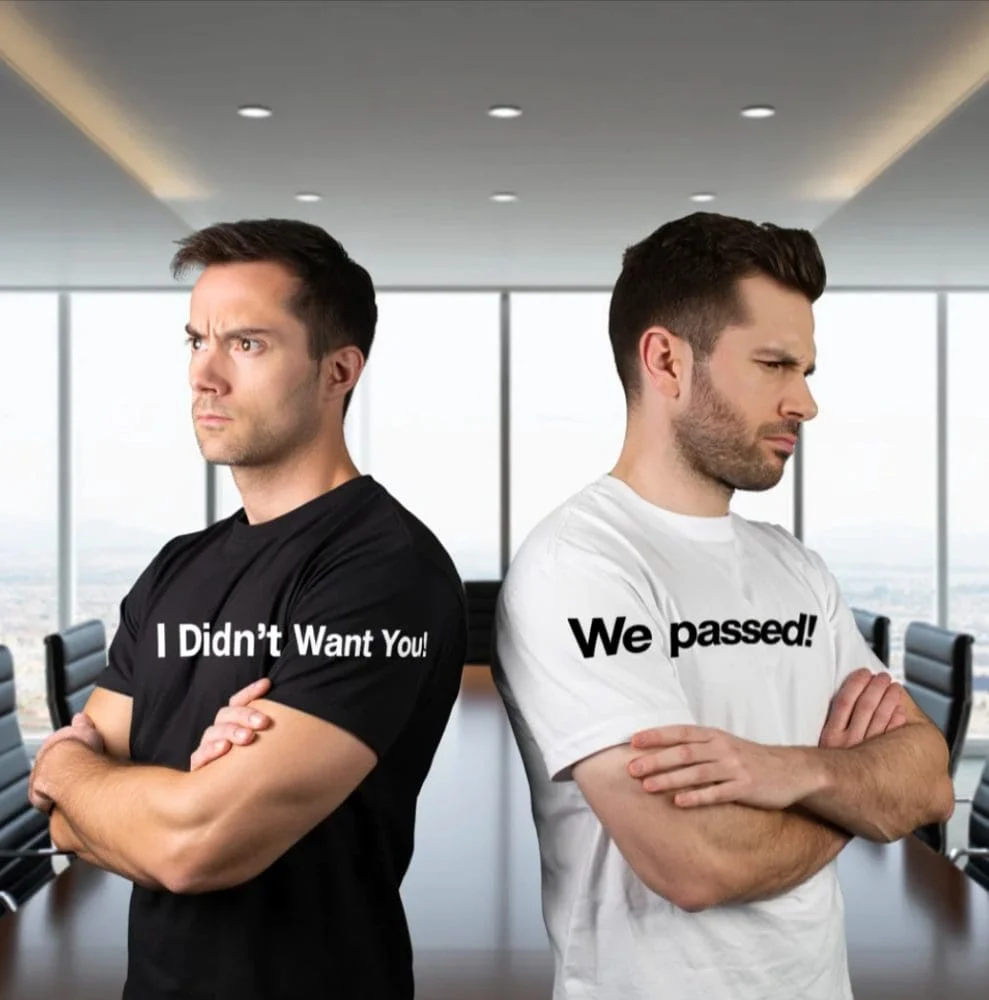
In recent months, a troubling trend of dismissive, "douchey" communication has become the default setting for both founders and venture capitalists (VCs) alike. When a VC offhandedly remarks, "We passed on that one," or a founder bristles and claims, "We chose not to give them an allocation," they aren’t just engaging in posturing—they are burning bridges in an industry that is fundamentally built on the currency of long-term reputation.
The Anatomy of a Cold Rejection
At the heart of this issue is the dehumanization of a process that should, by all accounts, be a meeting of the minds. When a VC says, "We passed," they are reducing months of a founder’s sleepless nights, intense personal sacrifice, and a singular life mission into a casual, transactional dismissal. It is the professional equivalent of skipping a Netflix show.
Conversely, when founders adopt the defensive stance of "choosing not to give an allocation" to a firm that clearly declined them, they are playing a fragile ego game. It is the fundraising version of "you can’t fire me, I quit."
This language ignores a fundamental reality: when a VC offers to write a check, they are making a massive, material career bet. They are putting their reputation on the line with their Limited Partners (LPs), committing millions of dollars that may be tied up for a decade or more. Dismissing that courage with a flip, defensive comment is not just unprofessional—it is a strategic error. It is akin to rejecting a marriage proposal by saying, "I decided not to accept you," ignoring entirely the vulnerability required to make the offer in the first place.
Chronology of a Relationship: From Pitch to Partnership
The venture capital world is a long game. The startup ecosystem is far smaller than the uninitiated realize; it is a tight-knit web where "everyone talks and everyone remembers."
The First Interaction
The process begins with the initial pitch. Whether it results in a term sheet or a "no," the interaction serves as the foundation for a professional reputation. A founder who handles a rejection with grace signals that they are a seasoned professional. A VC who delivers a rejection with thoughtful, constructive feedback signals that they are a partner worth having.
The Mid-Cycle Shift
Power dynamics in Silicon Valley and beyond are notoriously ephemeral. A founder who is "oversubscribed" today might be struggling to raise a bridge round in eighteen months. Conversely, a "top-tier" firm that is currently passing on deals may find themselves in a dry spell, scrambling for high-quality flow after a bad vintage. The hubris displayed during the highs often comes back to haunt those who failed to cultivate relationships during the lows.
The Long-Term Realization
The most successful VCs maintain 20-plus year careers, seeing thousands of deals across multiple funds. Similarly, the best founders are serial entrepreneurs who will start three or four companies over their lifetime. You are not having one transaction; you are entering a decades-long relationship. The VC who passed on your Series A may well be the lead investor on your Series B or your next venture entirely.
Supporting Data: The "Second Bite" Phenomenon
History is replete with examples of VCs who initially missed out on massive opportunities, only to correct course and build legendary partnerships later. The ability to swallow one’s pride and pivot from "pass" to "partner" is a hallmark of elite investing.
- Sequoia Capital: Famously passed on WhatsApp in its early days, only to recognize the error, lead the Series A, and reap billions upon the Facebook acquisition.
- Bessemer Venture Partners: They maintain a public "Anti-Portfolio" of deals they passed on—LinkedIn being the most famous. Their transparency serves as a testament to the reality that even the best make mistakes.
- Accel Partners: After passing on Facebook’s earliest opportunities, they returned to lead the Series A, demonstrating that "no" is rarely a permanent state of affairs.
These firms did not win because they were right the first time; they won because they were humble enough to acknowledge a mistake and remain engaged with the founder.
The Serial Founder Strategy: Why Manners Matter
The most successful investors recognize that they are not just investing in a business model—they are investing in a human being. The data on repeat founders is compelling. It is estimated that nearly 65% of Europe’s unicorn founders have started at least one company before.
When firms like Menlo Ventures back Jyoti Bansal at both AppDynamics and Harness, or when DFJ supports Elon Musk across both Tesla and SpaceX, they are capitalizing on the "founder-investor trust" developed over years. These aren’t one-off deals; they are compounding interests.
The lesson is clear: if you are dismissive to a founder today, you are effectively closing the door on their next, potentially even more successful, venture. The math is simple—be kind now, or spend your time explaining your past behavior later.
When Conflict Becomes Catalytic
Perhaps the most dramatic proof that relationships can survive professional turmoil is the saga of Peter Thiel and Elon Musk. In 2000, Thiel led a boardroom coup that ousted Musk from his own company, PayPal, while Musk was traveling in Australia. It was a cold, calculated move.
Yet, years later, Thiel’s Founders Fund became one of the largest investors in SpaceX, and Thiel took a seat on the board. They realized that professional friction is not a personal vendetta. By moving past the "coup," both parties secured one of the most successful financial partnerships in history. If a boardroom coup can be forgiven for the sake of future success, surely a polite rejection email can be handled with grace.
Official Responses and Tactical Shifts
To improve the health of the ecosystem, both sides must change their vernacular. A shift in language is the first step toward a cultural correction.
For VCs: Moving Beyond "We Passed"
Instead of a cold, indifferent dismissal, VCs should aim for:
- "While this isn’t a fit for our current thesis, I am genuinely impressed by your progress on [X]. I’d love to stay in touch as you hit your next milestones."
- "We’re going to pass, but I’ve seen some great work coming out of your team. Please keep me updated on your trajectory."
For Founders: Moving Beyond "No Allocation"
Instead of defensive posturing, founders should strive for:
- "I appreciate the interest, but we’re focusing on partners who align with our specific vision for this round. I’d love to keep you in the loop for the next phase of our growth."
- "Thanks for the offer. We’ve decided to move in a different direction for this round, but I respect the work you’re doing and would value keeping the door open for future discussions."
Implications for the Future of Venture Capital
The implications of this "douchey energy" are not merely social; they are economic. When the industry becomes a series of transactional, burn-the-bridge interactions, the flow of innovation slows. Trust is the lubricant of the venture capital machine. When that trust is eroded by arrogance, the entire system becomes more inefficient.
The current trend of "overpriced" deals—where valuation is untethered from traditional revenue multiples—is often driven by a desperate rush to capture value before someone else does. In this environment, the "no" is often a protection mechanism. But it shouldn’t be an insult.
Ultimately, fundraising is a human process. We are all, at our core, people trying to build something meaningful. Whether you are writing the check or receiving it, remember that you are building a legacy that extends far beyond the current quarter. A little grace costs nothing, but it pays dividends for a lifetime. In the startup world, where the landscape shifts beneath our feet every day, your reputation is the only asset that truly appreciates.