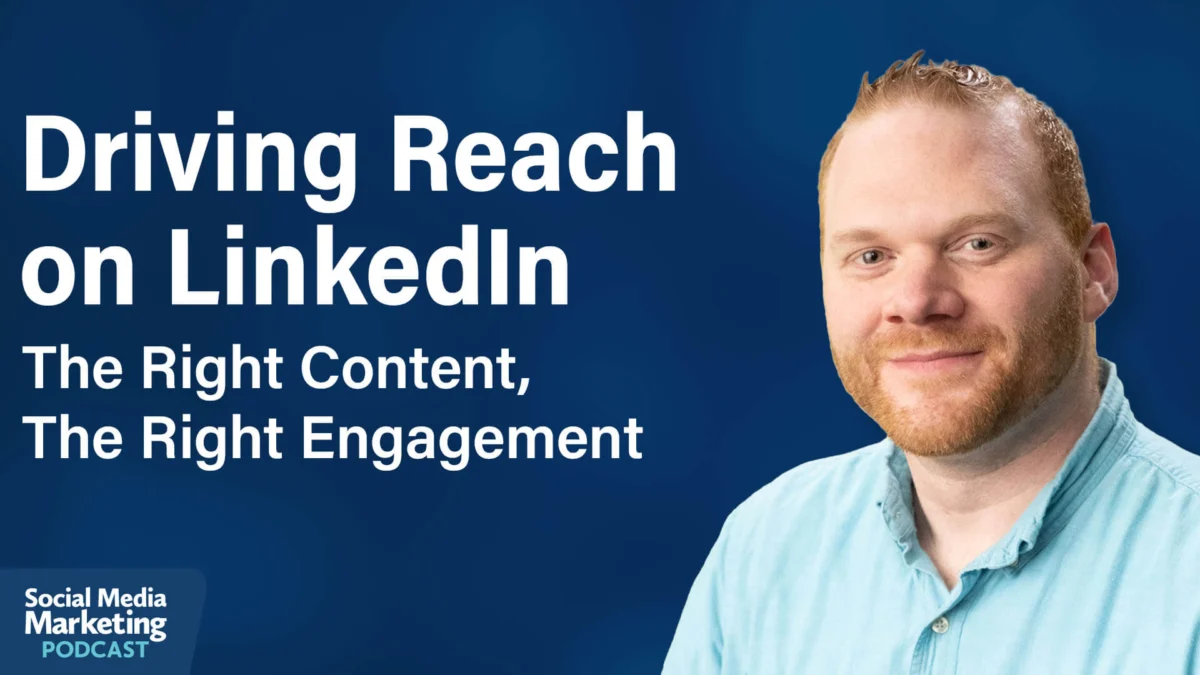
For years, LinkedIn users operated under a relatively predictable set of rules: post consistently, engage with your network, and watch your reach grow. However, a seismic shift has occurred behind the scenes. LinkedIn has officially abandoned its legacy architecture, moving from five disparate, patched-together systems to a single, unified, AI-powered "brain."
This overhaul represents the most significant change in the platform’s history. For marketers, creators, and business leaders, the implication is clear: the strategies that built your audience yesterday may be actively hindering your growth today. To understand how to thrive under these new conditions, we must look at how the platform now evaluates, interprets, and distributes content.
Main Facts: The Death of the Follower-First Model
The fundamental change in the new LinkedIn algorithm is the transition from account-based distribution to interest-based distribution.
Previously, if you followed a user, you were statistically likely to see their content. Today, that relationship is secondary. LinkedIn’s AI now tracks your "professional journey over time," building a dynamic profile of your interests based on the totality of your interactions. It does not simply react to your most recent click; it understands the trajectory of your career and industry focus.
This mirrors the evolution of platforms like TikTok and YouTube, where content discovery is driven by relevance rather than social graphs. Furthermore, the algorithm has evolved to prioritize semantic understanding over keyword matching. If you write about "customer retention," your post may now reach a user searching for "reducing churn," even if your specific phrasing differs. The AI now interprets the meaning behind the content, effectively prioritizing subject-matter authority over mere keyword stuffing.
Chronology: The Shift to AI-Driven Curation
The evolution toward this new system did not happen overnight, but rather through a systematic migration away from legacy code:
- The Era of Social Graphs: Initially, LinkedIn’s feed was dominated by your direct connections and the people you explicitly chose to follow.
- The Transition Phase: Over the last 18 months, LinkedIn began testing interest-based signals, slowly deprioritizing the "Who you follow" metric in favor of "What you engage with."
- The Unified AI Brain (Current): The platform officially retired its fragmented systems in favor of a centralized AI. This system now acts as a high-speed filter, parsing millions of posts to serve content to users based on long-term professional interest profiles rather than immediate social proximity.
Supporting Data: The Rise of "Invisible" Engagement
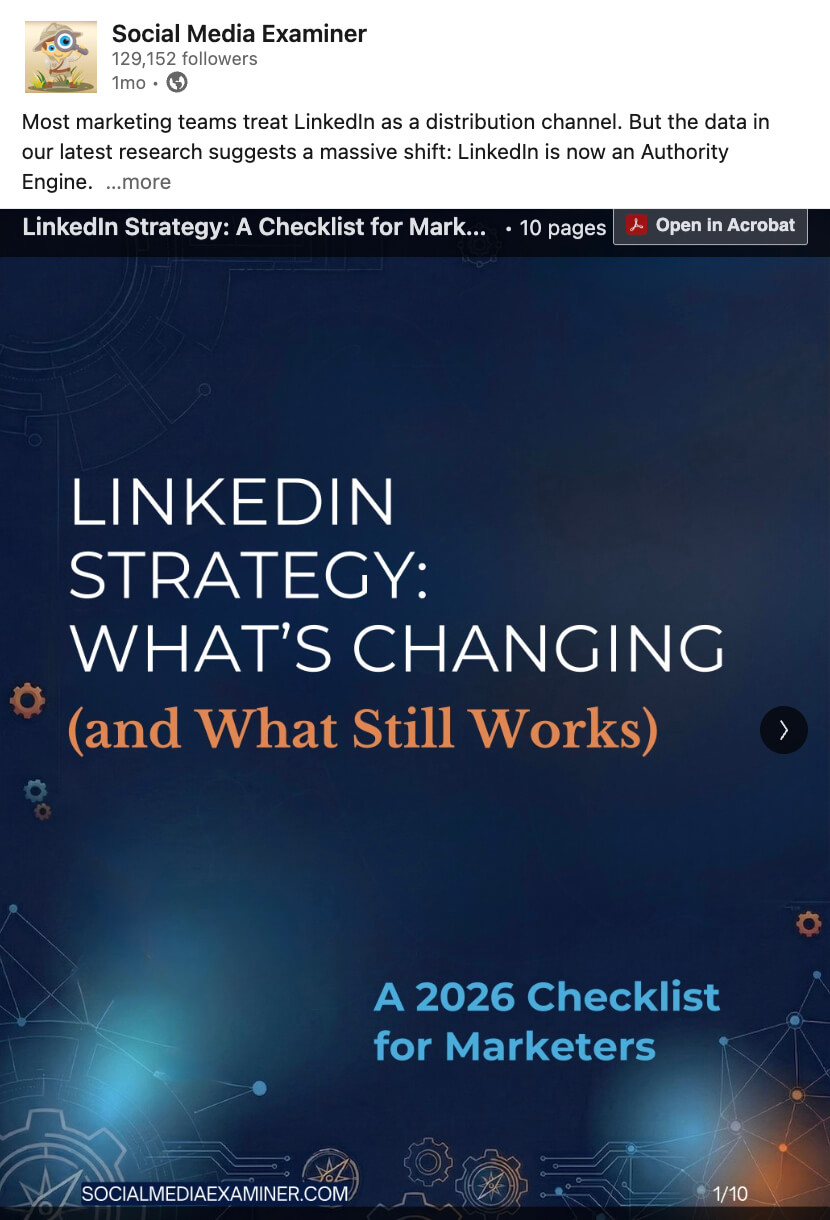
A comprehensive analysis of over 600,000 LinkedIn posts across 63,000 accounts has uncovered a startling reality: public metrics are becoming less relevant to the algorithm.
While most users obsess over "vanity metrics"—likes, shares, and public comments—the algorithm is increasingly weighing "invisible interactions." Data indicates that engagement metrics have risen by nearly 14% when driven by these non-public behaviors:

- Dwell Time and Clicks: The act of clicking "see more" on a post is a major positive signal. It tells the algorithm that your hook was compelling enough to warrant an investment of time.
- Carousel Swipes: Multi-image and document-based posts are currently the top performers. Because these formats require the user to interact with the content (by swiping or clicking through pages), they generate significantly more "invisible" signals than static image posts.
- Video View Duration: Beyond the mere "start" of a video, the algorithm tracks how long a user stays, suggesting that completion rates are a primary driver for viral distribution.
Implications: The Specialist’s Advantage
The most profound implication of the new algorithm is the emergence of the "Specialist Advantage." Because the AI is training itself to associate specific creators with specific topics, the "generalist" approach has become a liability.
The Cost of Being a Generalist
If a creator posts about AI on Monday, their pet dog on Tuesday, and career fairs on Wednesday, the algorithm struggles to categorize their authority. Each post is treated as an isolated, unrelated signal. You may still get reach on individual posts, but you forfeit the "compounding benefit"—the ability for the algorithm to recognize you as a definitive voice in a specific industry.
The Power of Topical Authority
Conversely, creators who publish a series of related posts teach the algorithm exactly who they are. When you consistently produce content within a specific niche, the system builds an association between your account and that topic. Over time, the platform serves your content to the right audience with increasing reliability. This creates a "compounding effect" where the same amount of effort yields exponentially higher reach.
Engineering Engagement: How to Beat the Algorithm
To stay relevant, creators must shift their tactical approach to align with the AI’s new preferences.
1. Master the "See More" Click
Since 50% of impressions occur within the first 48 hours, you have a very narrow window to capture the algorithm’s attention. Your opening hook is no longer just a stylistic choice; it is a mechanical requirement for distribution. Use hooks that create a "curiosity gap"—a question or a provocative statement that forces the user to click "see more" to uncover the full value.
2. Prioritize Comment Density over Volume
LinkedIn has moved away from counting every generic comment as a victory. The algorithm now measures the depth of the thread. A single one-word comment ("Great post!") carries significantly less weight than a substantive, back-and-forth dialogue between the creator and the reader.
- The Strategy: Always end your posts with a specific, targeted question. Avoid the generic "What do you think?" in favor of specific inquiries related to your post’s content.
- The Velocity Factor: Respond to comments within the first hour of posting. Early engagement acts as a "starter motor" for the algorithm, signaling that the post is generating high-value discussion.
3. Embrace Creative Refreshment
A common fear is that repeating a core topic leads to stagnation. However, experts suggest that audience turnover is high enough that your core message is always "new" to a segment of your audience. The goal is to vary your format rather than your subject.
Use different metaphors, infographics, carousels, or video formats to express the same expert opinion. This signals to the AI that you are an authority exploring a subject from multiple angles, rather than a creator merely recycling content.
Official Perspective and Future Outlook
While LinkedIn rarely publishes the specific weights of its algorithm, the platform has consistently messaged its desire to move toward "knowledge-based" feeds. By prioritizing "expert" voices and deep, professional conversations, the platform is attempting to differentiate itself from the entertainment-first culture of TikTok or the casual networking of Facebook.
For the modern professional, the path forward is clear:
- Pick a lane: Establish yourself as an authority in one specific domain.
- Optimize for "Invisible" signals: Build content that encourages clicking, swiping, and reading.
- Foster community: Treat every comment thread as an opportunity for real, substantive conversation.
As AI continues to refine the way we consume information, the creators who win will not be those who scream the loudest, but those who provide the most consistent, original, and deeply relevant insights to their specific, niche audiences. The era of the "LinkedIn generalist" is ending; the age of the authority-driven expert has begun.