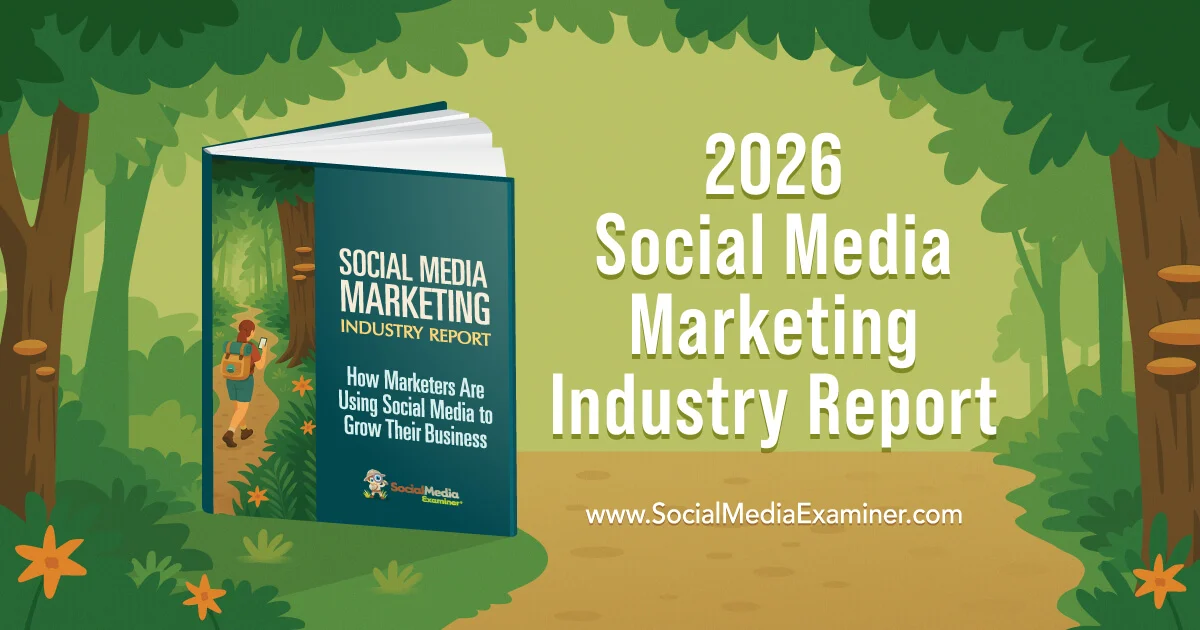
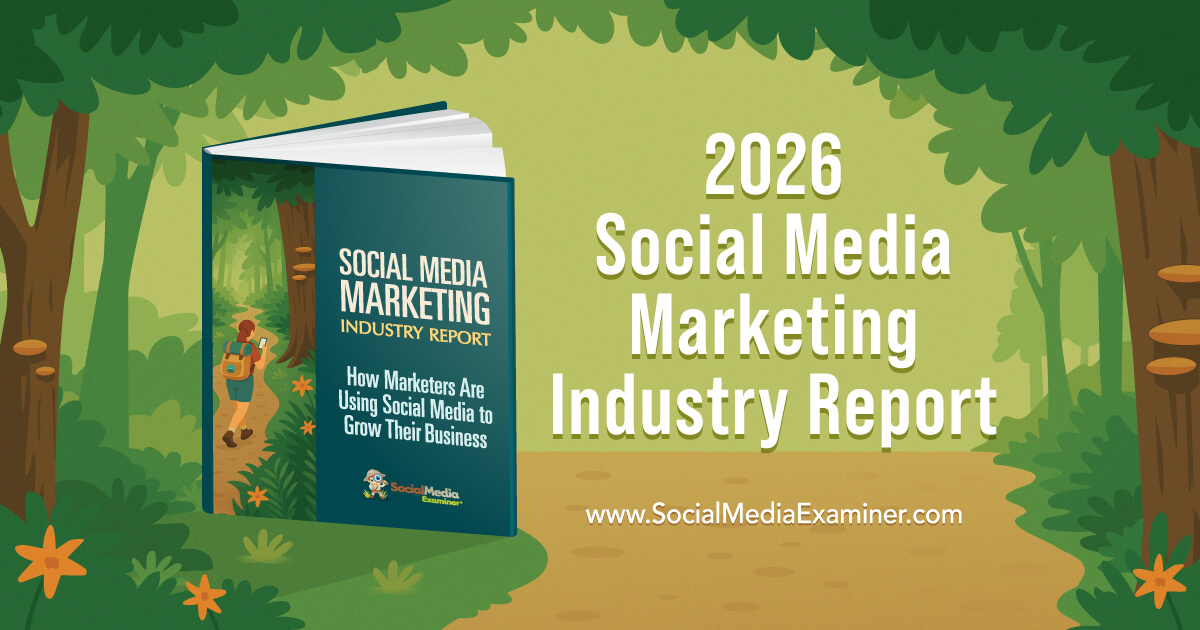
The digital marketing landscape is undergoing its most radical transformation in a decade. As artificial intelligence moves from a novelty to a necessity and platform fragmentation continues to challenge even the most seasoned professionals, the question remains: where should marketers place their bets? To answer this, Social Media Examiner has released its 18th annual Social Media Marketing Industry Report, a comprehensive, 44-page diagnostic of the current state of digital commerce and engagement.
This year’s report serves as a definitive roadmap for B2B and B2C professionals, offering a data-backed look at how the industry is pivoting its budgets, content strategies, and technological infrastructure to remain relevant in a rapidly shifting ecosystem.
The Core Findings: A New Era of Strategic Precision
The 2026 report reveals a distinct departure from the "post-everything" mentality that characterized the early 2020s. Instead, marketers are gravitating toward high-ROI platforms and efficiency-driven AI workflows.
The primary takeaway from this year’s findings is the consolidation of focus. With the sheer volume of social channels available, brands are no longer attempting to maintain a presence everywhere. Instead, they are doubling down on platforms that deliver measurable sales results, with a heavy emphasis on video-first environments and AI-assisted content production.
Chronology of the Shift
The transition evidenced in the 2026 report did not happen overnight. Over the past eighteen years of reporting, Social Media Examiner has tracked the evolution from simple community management to the sophisticated, ad-driven performance marketing model we see today:
- 2008–2015: The Era of Reach. The industry was defined by a race for "likes" and followers.
- 2016–2020: The Pivot to Video. Platforms shifted algorithms to prioritize long-form and later short-form video content, forcing brands to invest in professional production.
- 2021–2024: The Algorithmic Chaos. The rise of TikTok and the decentralization of news feeds made organic reach increasingly difficult, pushing brands toward paid advertising.
- 2025–2026: The AI Integration. The current era is defined by the integration of Generative AI, allowing for mass personalization and increased output without a proportional increase in headcount.
Supporting Data: The Numbers Defining 2026
The report is anchored by over 50 data-driven charts that illuminate the behavioral shifts of thousands of marketing professionals. These metrics are not just statistics; they represent the collective intent of the industry.
The Instagram and Organic Renaissance
Contrary to the belief that organic reach is dead, 56% of marketers surveyed plan to increase their organic activity on Instagram. This suggests that while paid reach is essential, brands are prioritizing Instagram as a "digital storefront" where organic content builds the trust necessary to convert paid leads.
The Dominance of Video
Video has officially moved from a "content type" to a "business pillar." With 49% of marketers identifying video as their single most important content asset, the mandate is clear: if it isn’t moving, it isn’t converting. Perhaps most tellingly, 70% of respondents reported plans to increase their video output, specifically targeting high-engagement platforms that prioritize short-form vertical content.
The AI Adoption Curve
Perhaps the most staggering figure in the 2026 report is that 62% of marketers now use generative AI tools on a daily basis. This is no longer an "early adopter" trend; it is the industry standard. The report details how these professionals are leveraging AI—not just for writing captions, but for content brainstorming, data analysis, and even basic video editing. The "AI-assisted marketer" has become the baseline for employment in 2026.
Implications for the Modern Business Strategy
The data contained in this report suggests three major implications for business owners and marketing directors looking to gain a competitive advantage in the coming year.
1. The Death of the "Generalist" Strategy
The report highlights that the most successful marketers are those who have mastered a specific platform. Instead of spreading resources thin across X (formerly Twitter), LinkedIn, Instagram, TikTok, and YouTube, the top-performing brands are identifying where their audience lives and focusing 80% of their resources there. Identifying the platform that delivers the "best sales results" is now a survival skill.
2. The Efficiency Mandate
With the widespread adoption of generative AI, the cost of content production has plummeted. However, this has led to a "content glut" where consumers are bombarded with AI-generated media. The implication here is that quantity is no longer a competitive advantage. The winners in 2026 will be those who use AI to handle the mundane tasks, freeing up human creative power to focus on brand voice, community engagement, and high-level strategy.
3. The Paid-Organic Feedback Loop
The divide between paid and organic marketing is effectively disappearing. The most effective strategy identified in the report involves using organic content to test "what works" and then scaling the winners with paid media. This "test-and-invest" model is the primary way businesses are reducing their Customer Acquisition Cost (CAC) while increasing conversion rates.
Expert Commentary and Industry Outlook
While the report provides the raw data, the consensus among industry experts who contributed to the study is unanimous: Agility is the new currency.
"The landscape has become too fast for five-year plans," notes one lead analyst. "The 2026 report confirms that the marketers who win this year are those who are willing to pivot their budget based on monthly performance data rather than annual projections."
Industry leaders are watching closely to see how the interplay between AI and platform algorithms evolves. With major platforms now integrating AI assistants directly into their ad managers, the barrier to entry for high-level advertising has lowered, but the competition for consumer attention has never been higher.
How to Utilize the 2026 Report
For business owners, the 2026 Social Media Marketing Industry Report is more than just a document—it is a diagnostic tool. To derive the maximum value from these 44 pages, organizations should follow these three steps:
- Benchmarking: Compare your current content mix against the report’s findings. Are you over-investing in platforms that your peers are abandoning?
- Gap Analysis: Look at the "platforms marketers want to learn more about." If your competitors are moving into these spaces, you need to determine if you are missing a first-mover advantage or wisely avoiding a platform that doesn’t fit your business model.
- Strategy Refinement: Use the insights on AI usage to audit your own team’s workflows. Are your employees spending time on tasks that 62% of their peers have already automated? If so, you are operating at a disadvantage.
Accessing the Insights
The business-building insights contained within this report are designed to help you identify new opportunities and overcome the emerging challenges of the digital age. By understanding where the industry is heading, you can refine your strategy to stay one step ahead of the curve.
The full 44-page report, complete with all 50+ charts and detailed breakdowns, is available for those who recognize that data-informed decision-making is the key to sustainable growth.
Get your copy now. By registering for Social Media Examiner’s updates, you ensure that you aren’t just reading about the changes in the industry—you are the one leading them.
The 2026 Social Media Marketing Industry Report is free to download upon registration, providing you with the exact intel needed to strengthen your business strategy for the remainder of the year and beyond.