In the high-stakes world of digital marketing, the term "conversion rate" is often treated as a singular, golden metric—a universal yardstick by which every business is measured. However, relying on generic averages is a dangerous practice that can lead marketers astray. According to Unbounce’s 2024 Conversion Benchmark Report, which analyzed a massive dataset of 57 million conversions across 41,000 landing pages and 464 million pageviews, the concept of a "good" conversion rate is entirely dependent on context.
For marketers striving to optimize their performance, understanding the nuance between median baselines and top-tier benchmarks is the first step toward true growth.

The Myth of the "One-Size-Fits-All" Benchmark
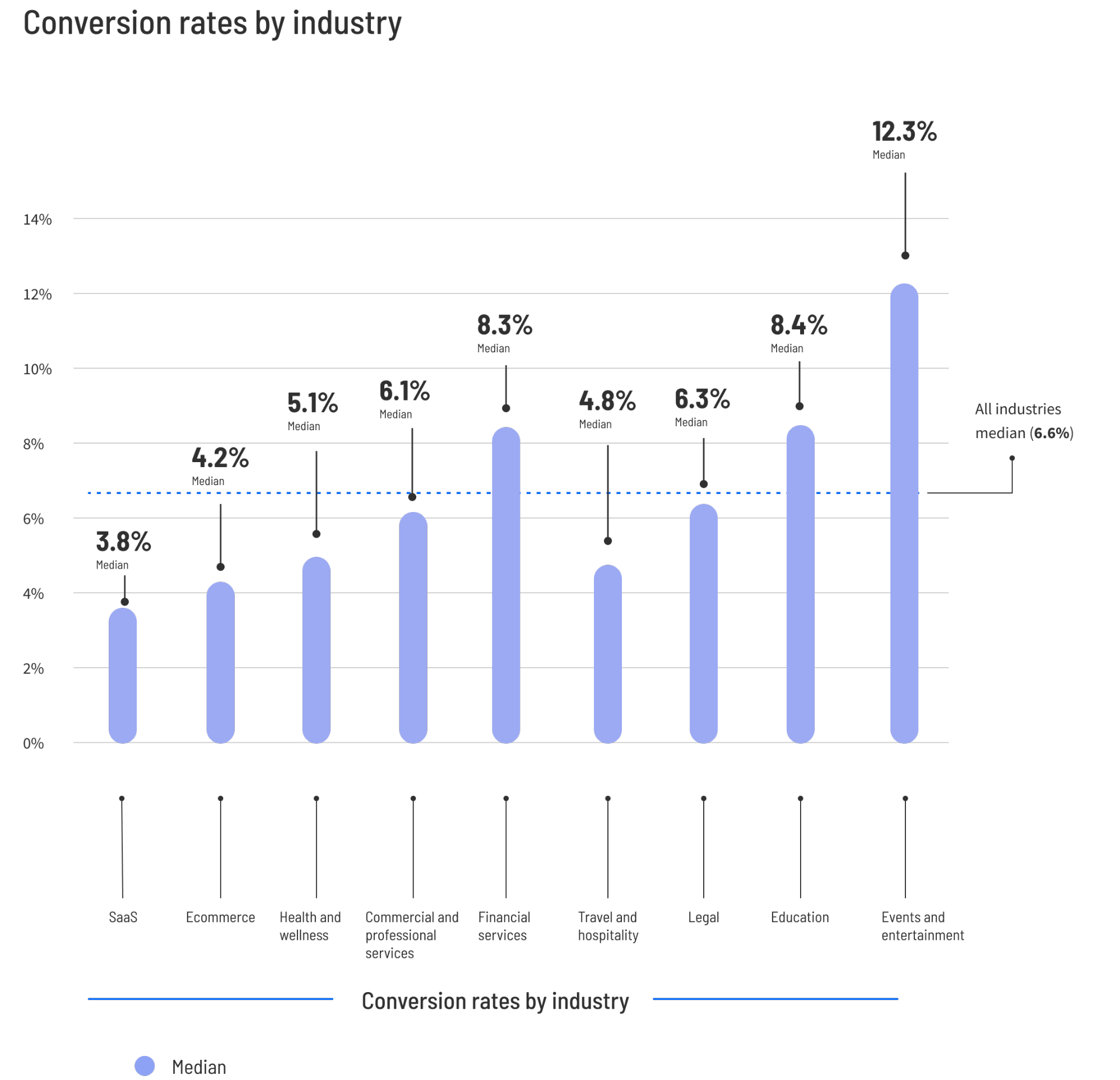
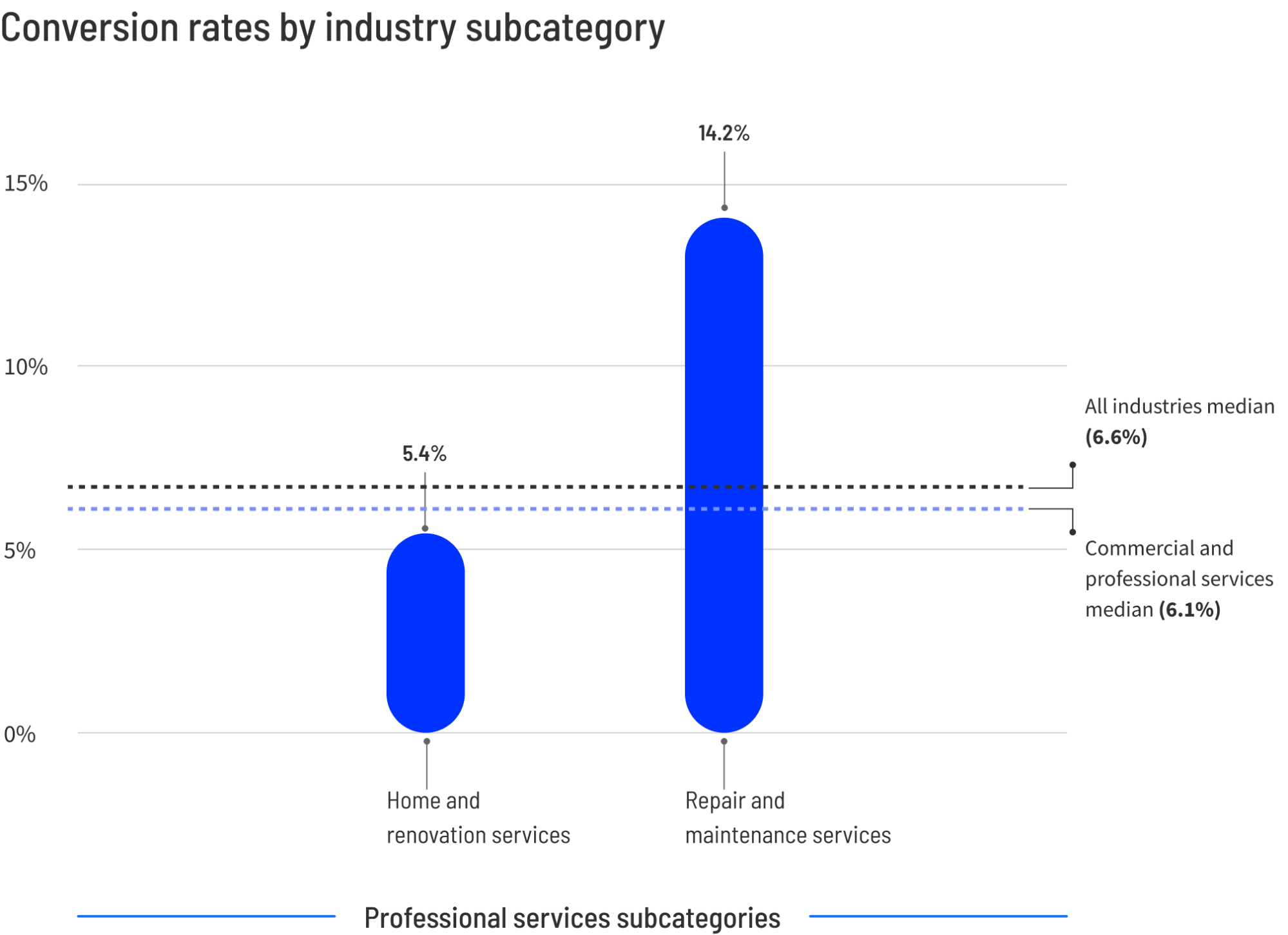
The median conversion rate across all industries currently sits at 6.6%. While this figure provides a useful "middle-of-the-pack" reference point, it is far from a target. Treating this 6.6% as a universal goal is akin to comparing the average human height to a specialized athletic standard—it provides a data point, but fails to account for the specific demands and behaviors of your target audience.
In reality, your landing page strategy must be calibrated to your industry, your traffic channels, and the inherent intent of your visitors. Whether you are in SaaS, e-commerce, or legal services, the path to success lies in understanding the delta between the median and the top 25% of performers in your specific niche.

Understanding Median vs. Average
A critical aspect of the 2024 report is the decision to utilize median values rather than simple averages. In statistical analysis, averages are notoriously susceptible to being skewed by outliers—the rare "unicorn" pages converting at 90% or the struggling pages stuck at 0.001%.
By using the median, researchers provide a more accurate reflection of the "typical" experience. For the average marketer, this offers a realistic, actionable baseline that isn’t distorted by extreme ends of the performance spectrum. It allows businesses to measure their progress against a grounded reality rather than an inflated, unrealistic standard.
Industry-Specific Performance Landscapes
The variance in conversion rates across sectors is profound, driven by differences in user intent, product complexity, and the urgency of the consumer’s need.
E-commerce: Balancing Flash Sales and Brand Loyalty
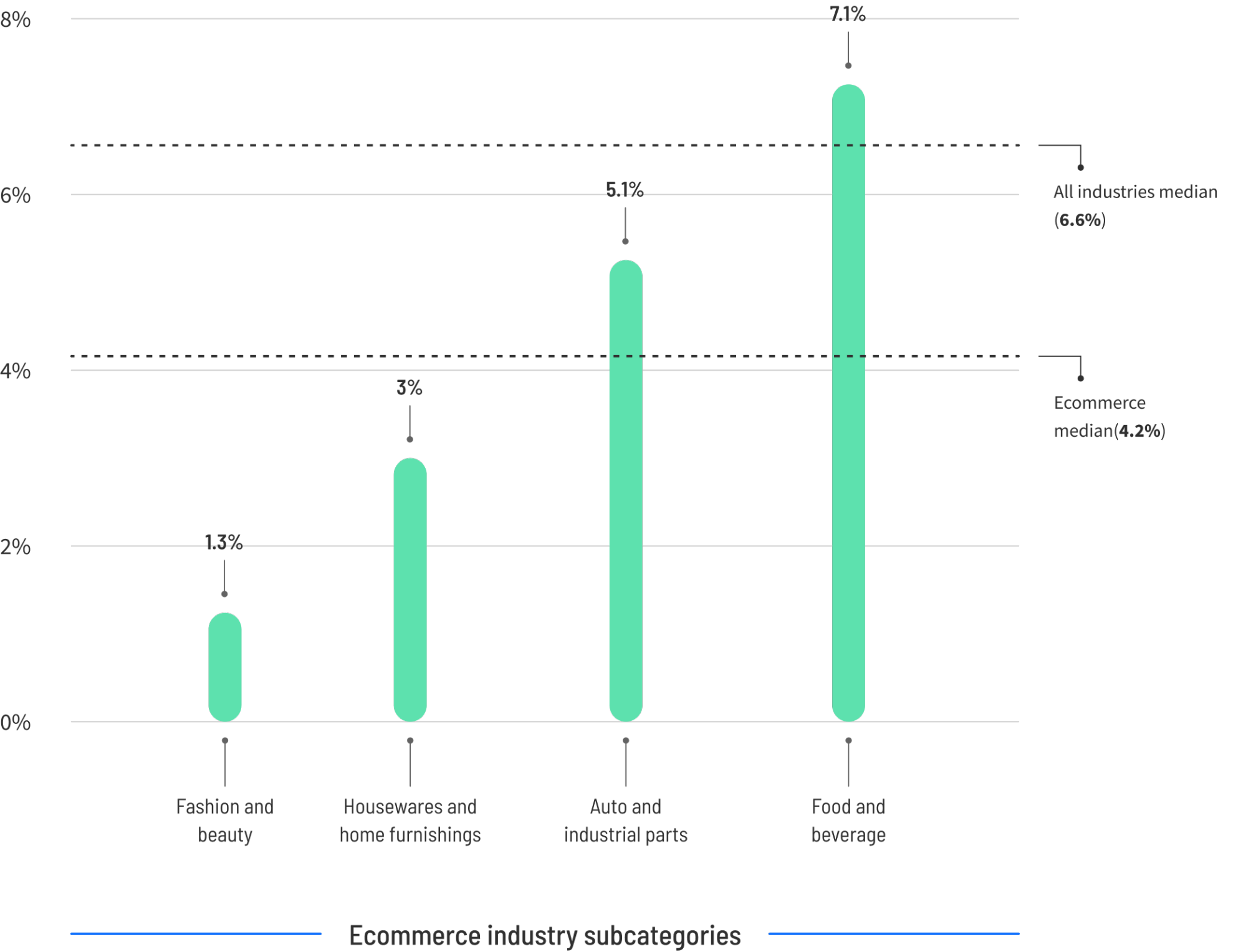
The median conversion rate for e-commerce stands at 4.2%. However, the top 25% of performers—those in the "good" category—achieve rates of 11.4% or higher. This nearly threefold difference highlights the massive potential for revenue growth through optimization. If a store receives 10,000 monthly visitors, jumping from the median to the top-quartile performance could result in an additional 720 conversions per month, translating to significant bottom-line impact.
SaaS: Navigating Complexity and Intent
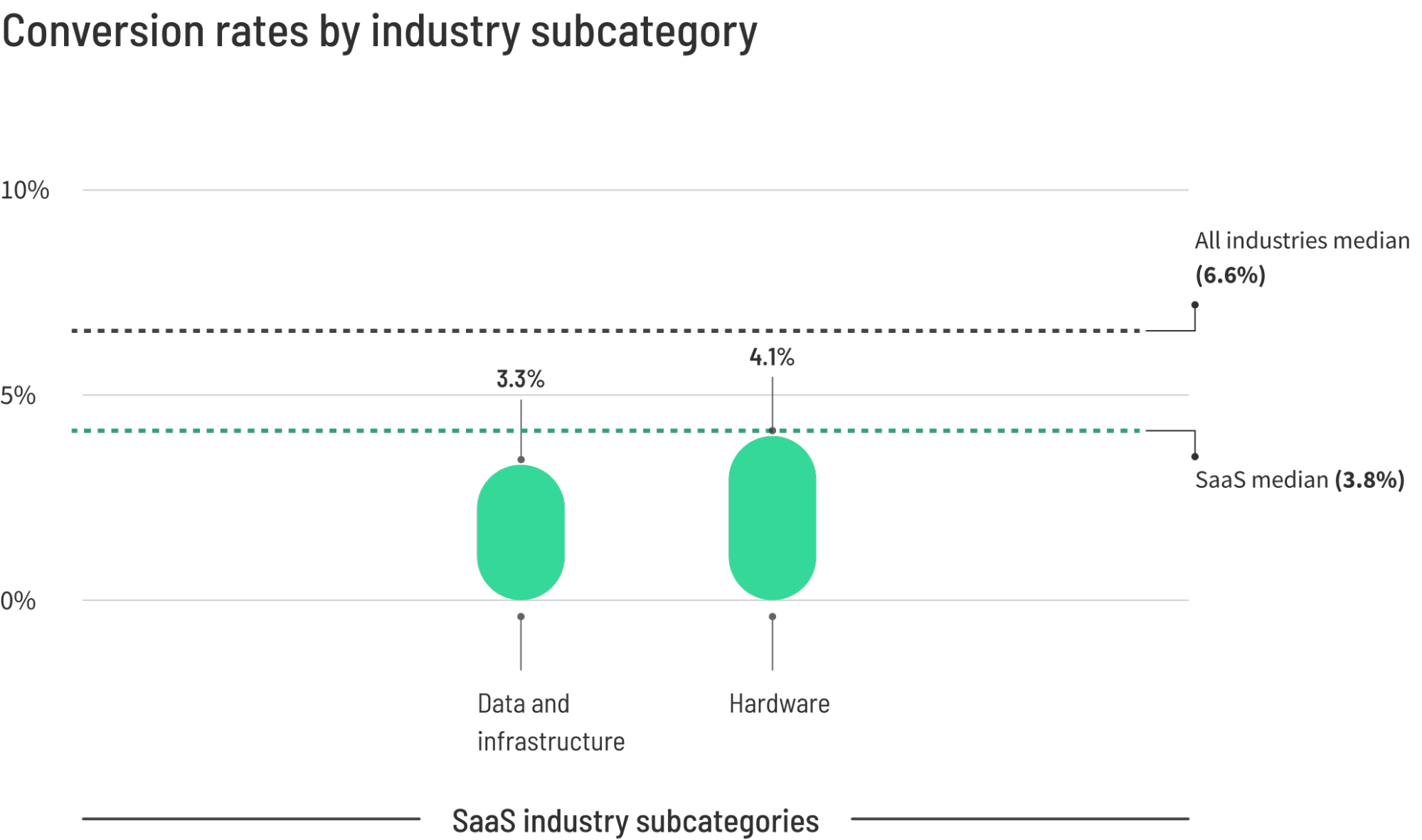
SaaS landing pages face a more challenging landscape, with a median conversion rate of 3.8%. This lower baseline is largely due to the complexity of the product and the varying intent of visitors—from those merely researching options to those ready to initiate a trial. To join the top 25% of SaaS performers, companies must hit a benchmark of 11.6%. The differentiator for these leaders is often the removal of friction, such as offering "no-credit-card-required" trials and highly targeted, pain-point-driven messaging.
Professional Services: The Power of Trust
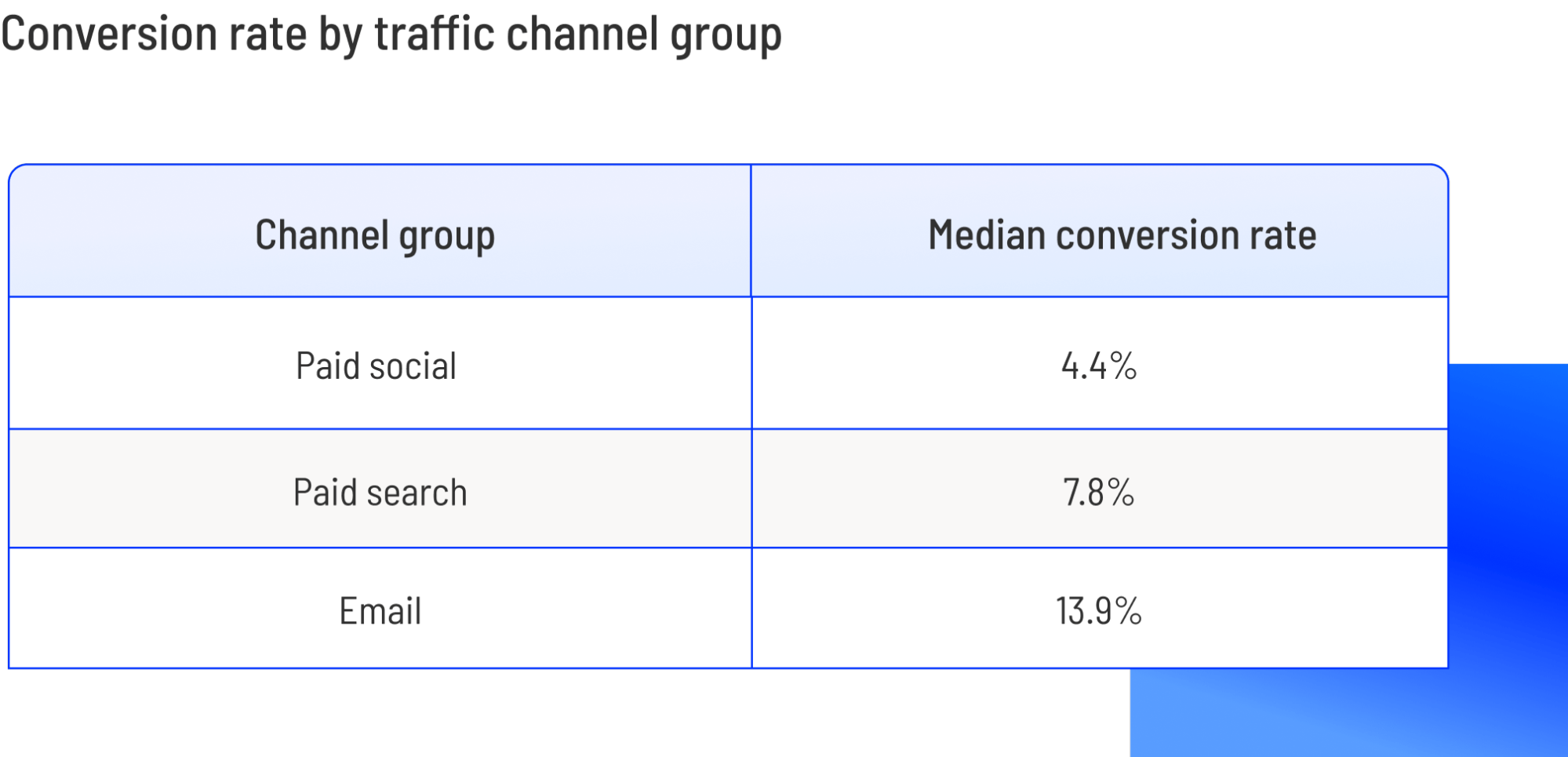
Professional services, including law, consulting, and renovation, report a median conversion rate of 6.1%. Yet, the top-tier performers reach 14.1%. Interestingly, the data reveals that email traffic is a powerhouse for this sector, converting at nearly 14% compared to just 4.4% for paid social traffic. This emphasizes the necessity of nurturing existing leads rather than relying solely on cold acquisition.
Financial Services: The High-Intent Sector
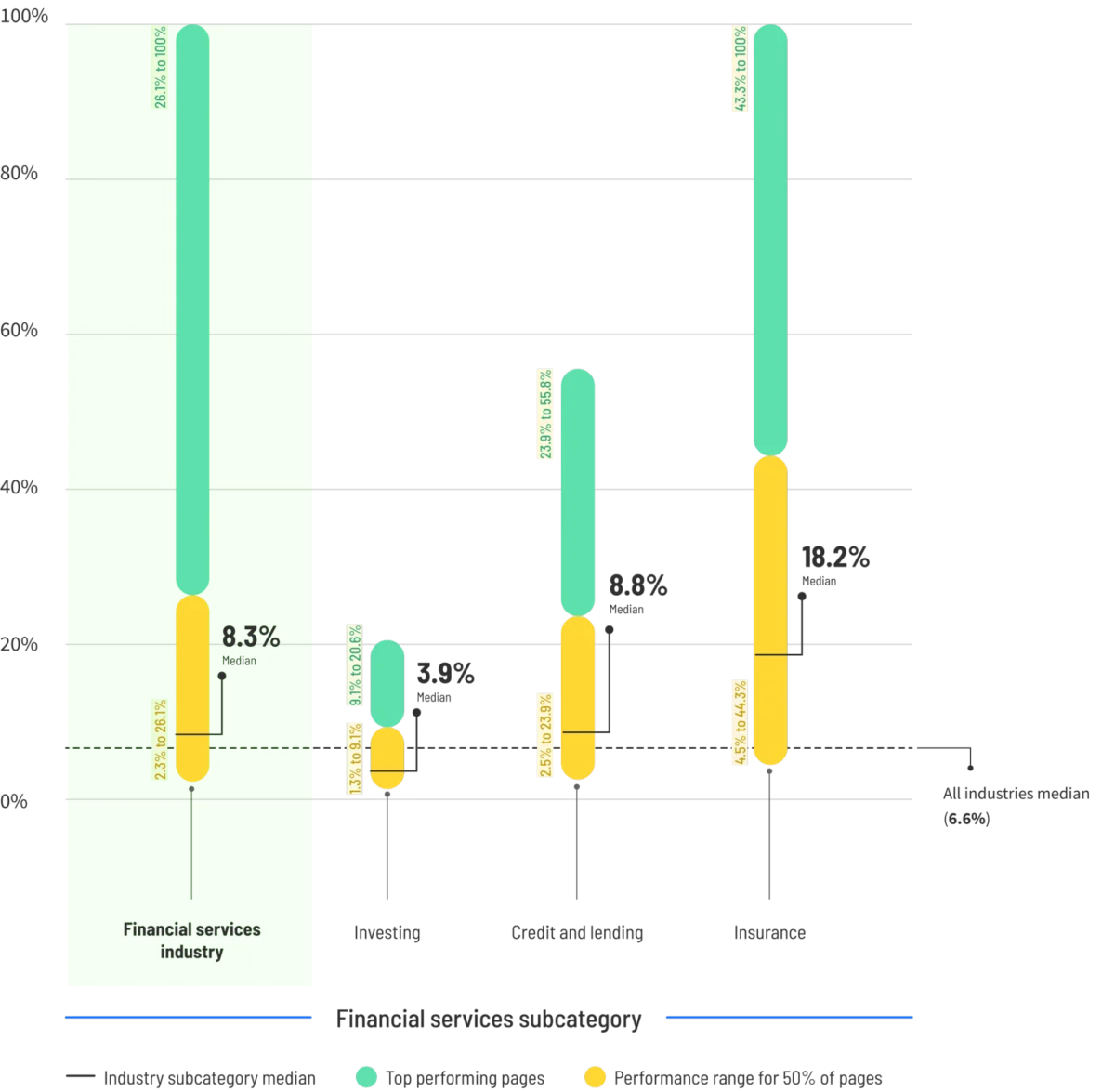
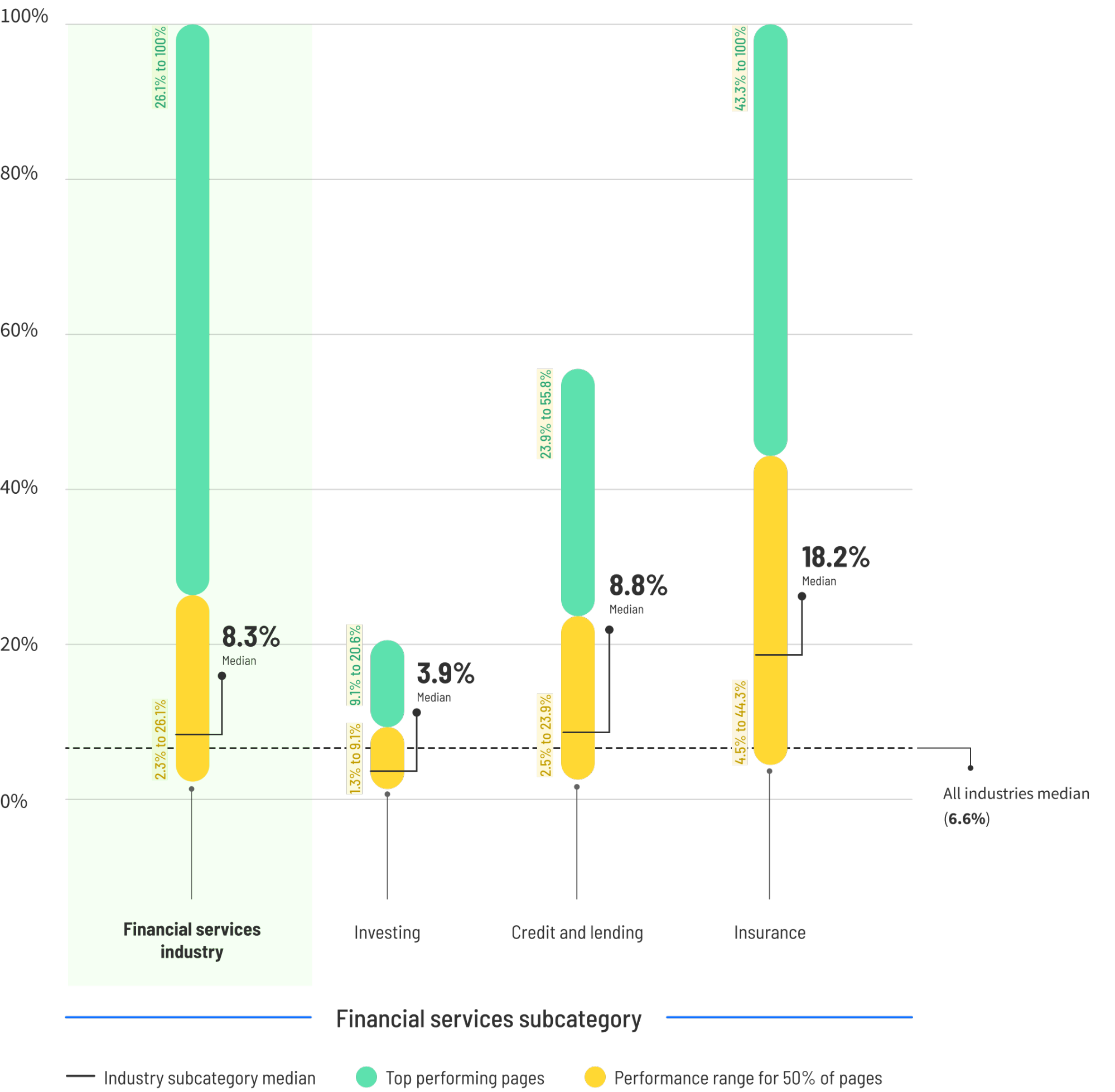
Financial services enjoy a higher-than-average median conversion rate of 8.3%. This is driven by high consumer intent—individuals searching for insurance or investment vehicles are generally further along in the buying cycle than those browsing fashion retail sites. Notably, this industry bucks the trend of desktop-first performance; mobile traffic in financial services converts 27.8% better than desktop, highlighting the importance of optimizing for on-the-go research.
Legal: The Urgency Factor
Legal services present a unique behavioral pattern. With a median conversion rate of 6.3%, top performers hit 13.1% or higher. Unlike most industries, legal pages perform exceptionally well on mobile (21% conversion rate), likely because users are often searching for immediate help following an urgent or stressful event.
Education and Entertainment
Education marketers see impressive results, with online course landing pages hitting a median of 18.3%. The "top performers" here are truly elite, requiring a 20% conversion rate to break into the top quartile. Conversely, the entertainment industry is the outlier in the data, with sweepstakes pages reaching median conversion rates as high as 47.5%. These high figures are often attributed to the simplicity of the conversion action, such as entering an email address for a contest.
Five Tactics to Drive Immediate Optimization
Regardless of your industry, the journey toward top-quartile performance is an iterative process of testing and refinement. The following tactics are consistently present in the highest-performing pages:
- Simplify Language: Research indicates that content written at a 5th–7th grade reading level converts at 11.1%—more than double the rate of pages using "professional" or complex jargon.
- Iterative A/B Testing: Rather than gut-checking your page design, test one element at a time—button colors, CTA copy, or form lengths—to determine exactly what influences user behavior.
- Strategic Social Proof: Don’t relegate testimonials or review counts to the footer. Place them directly in the flow of your value proposition to build trust at the moment of decision.
- Mobile-First Optimization: Given that mobile devices account for the vast majority of web traffic, ensure that your pages are not just "mobile-friendly," but mobile-optimized for speed and ease of use.
- Eliminate Distractions: Every navigation menu link, social media icon, or secondary button is a potential exit point. Strip your landing pages of everything that does not contribute to the final conversion goal.
The Path Forward: Moving from Average to Excellent
Benchmarks are a starting point, not a finish line. The gap between an "average" page and a "top-performing" page represents a significant, untapped opportunity. The marketers who consistently capture this opportunity are not relying on magic; they are building a systematic culture of experimentation.
By focusing on clarity, reducing friction, and ensuring that the offer matches the visitor’s intent, businesses can move the needle from mediocre to excellent. As the digital landscape continues to evolve, the ability to test, measure, and optimize will remain the most critical competitive advantage for any organization.
Conversion optimization is not a one-time project; it is an ongoing, analytical commitment to the user experience. Whether you are starting at a 2% conversion rate or a 10% rate, the objective remains the same: continuously refine your approach to maximize the value of every single visitor.