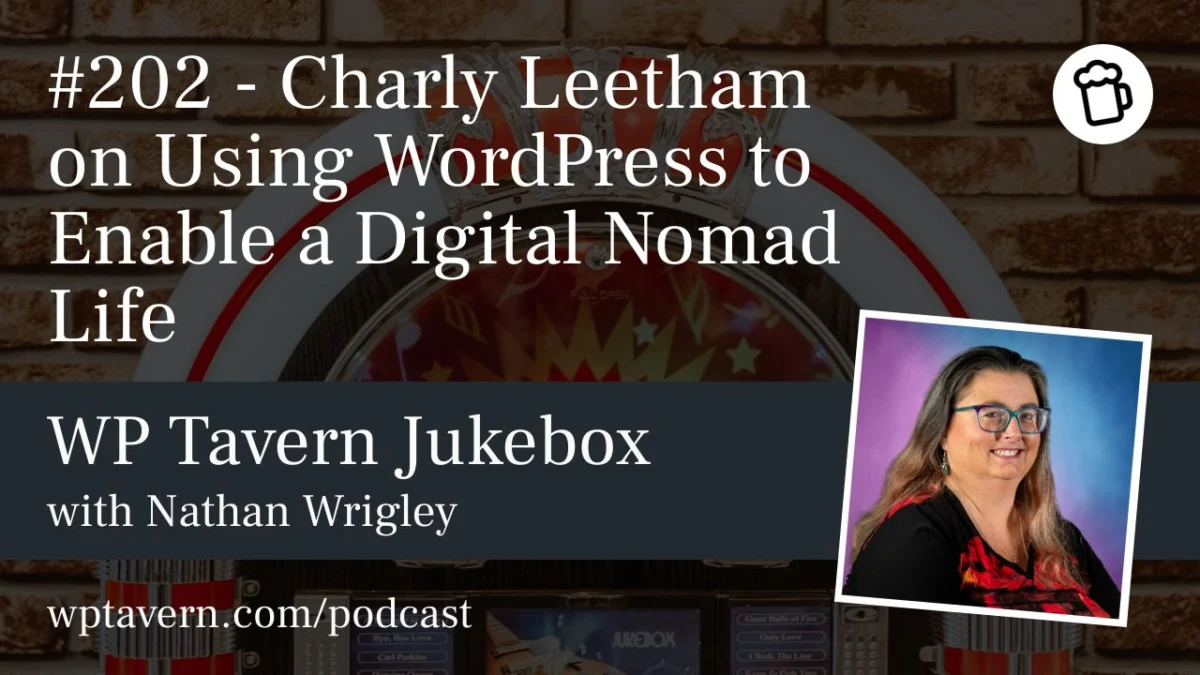
In an era where remote work has shifted from a rare perk to a global standard, many professionals are still tethered to home offices and fixed physical locations. However, for Charly Leetham, a veteran of the technology and WordPress sectors, the traditional "home office" has been replaced by the open road. Living and working from a fully equipped camper van, Leetham has pioneered a lifestyle that blends professional excellence in web development with the unpredictable beauty of the Australian wilderness.
This article explores how Leetham leverages satellite technology, resilient business practices, and a philosophy of "essentialism" to thrive as a digital nomad, proving that a career in WordPress development is not just location-independent—it is entirely mobile.
The Evolution of a Tech Veteran
From Electronic Engineering to WordPress
Charly Leetham’s journey into the digital realm began long before the term "digital nomad" entered the common vernacular. With a career spanning over four decades, her technical foundation is deeply rooted in hardware and engineering. As a teenager in Australia, she obtained an amateur radio license, an early indicator of her lifelong fascination with communication technology.
By age 16, she was already balancing full-time work as a laboratory technician with an associate diploma in electronic engineering. Her career path saw her traversing various sectors, including field service, sales, and contract management. However, the turning point occurred in 2007. Following the collapse of a retail business venture, Leetham found herself needing to generate income quickly to support her family.
At that time, WordPress was in its nascent stages. Leetham, drawing on her deep knowledge of C++, Pascal, and Basic, recognized the potential of the platform. She taught herself PHP and the intricacies of WordPress themes and plugins, positioning herself at the forefront of what would become the world’s most popular content management system. For nearly 20 years, she has served as a bridge between complex technology and business owners, acting as a "plain English translator" for those overwhelmed by their digital infrastructure.
Chronology of a Nomadic Transformation
From Stationary Support to Mobile Freedom
Leetham’s transition to a nomadic lifestyle was not an overnight decision but a gradual realization of long-held desires. As a mother in the 1990s, she struggled with the conflict between being the primary breadwinner and wanting to be present for her children. The technology of that era—lacking robust remote desktop capabilities or high-speed video conferencing—made the "work-from-home" dream difficult to achieve fully.
Fast forward to the present: the infrastructure for complete mobility has finally caught up to the ambition. When the housing crisis in Australia made finding affordable, long-term rentals a source of immense stress, Leetham chose a different path. She invested in a commercial van, which was custom-fitted by her brother, with electrical systems installed by her son.
Today, her life is a constant, deliberate movement. She migrates north during the colder winter months and settles in various regions, utilizing house-sitting opportunities or remote campgrounds. Her daily routine is a stark departure from the traditional nine-to-five, allowing her to balance professional commitments with travel, family time, and the pursuit of new experiences.
The Tech Stack: Empowering Remote Mobility
Starlink and the "One-Meter" Workspace
A common misconception about digital nomadism is that it requires a sacrifice in professional productivity. Leetham debunks this through her meticulous tech setup. Her mobile office is constrained to a workspace roughly one meter by one meter, requiring a high degree of organizational discipline.
Essential Equipment:
- Computing Power: Leetham utilizes a high-end MSI gaming laptop. While the "gaming" label often confuses clients, the choice is functional: the advanced cooling systems and processors are essential for resource-heavy tasks like graphic design and complex website troubleshooting.
- Connectivity: The cornerstone of her operation is Starlink satellite internet. In rural Australia, where mobile cellular coverage is often non-existent, Starlink provides high-speed, stable connectivity. Leetham notes that her satellite connection frequently outperforms the National Broadband Network (NBN) landline connections she encounters in residential areas.
- Peripherals: To maintain ergonomic standards in a van, she employs an external 21-inch monitor wall-mounted in her vehicle, paired with a dedicated keyboard and mouse.
Leetham’s setup is designed for rapid deployment. When she arrives at a site, she can establish a fully functional, high-speed office in minutes. The portability of the Starlink system—which she recently upgraded to the lighter, more efficient Version 3—allows her to maintain connectivity even in the most remote corners of the continent.
Business Implications: Asynchronous Operations
Trust and the Power of "No"
Leetham’s ability to work from the road is predicated on a shift in her business model from synchronous to asynchronous communication. Unlike traditional IT support roles that demand immediate, live response times, Leetham has cultivated a client base that respects boundaries and prioritizes result-oriented communication.
Building Trust as a Service
Leetham functions as a de facto Chief Technology Officer (CTO) for small businesses. Her clients do not pay her to be "on call" 24/7; they pay for her expertise in translating technical jargon into actionable business strategies. By setting clear expectations during the onboarding process, she ensures that clients understand her workflow.
The "Hard" Decision
One of the most profound aspects of her business philosophy is the willingness to walk away from incompatible clients. Leetham admits to having "fired" clients who did not align with her nomadic, efficiency-focused model. She views this not as a loss, but as a necessary commercial decision. By pruning her client list, she creates space for partners who value the quality of her output over the immediacy of her physical presence.
Reflections on the Nomadic Life
The Trade-offs of Freedom
The lifestyle is not without its challenges. Leetham is candid about the "downsides" of living in a vehicle:
- Limited Space: Every item in the van must serve a purpose. Leetham follows a strict rule: she must need an item four times before she is allowed to purchase it.
- Logistical Constraints: Unlike a stationary home, where one can stock up on groceries and supplies, Leetham’s life requires a "just-in-time" approach to resources.
- The "Pack-Up" Reality: Unlike a home office where one can simply close a door, Leetham must pack away her entire workstation at the end of every day to reclaim her living space.
However, these trade-offs are outweighed by the immense freedom she enjoys. The ability to spend quality time with her aging father, to work in nature, and to choose her climate based on the season, offers a quality of life that a traditional office could never provide.
Conclusion: A Blueprint for the Future
Charly Leetham’s story serves as both a case study and an inspiration for the modern WordPress worker. She demonstrates that with the right combination of high-end satellite technology, disciplined business practices, and a clear understanding of personal values, the constraints of the traditional office can be permanently dismantled.
For those considering a similar path, Leetham’s advice is simple: examine your needs for human interaction and test your ability to work asynchronously. Her journey proves that you do not need to be bound to a fixed address to build a successful, thriving career. In the digital age, your office is wherever you choose to plant your flag—or in Leetham’s case, wherever you choose to set up your dish.