The digital marketing landscape has undergone a seismic shift over the last few years. Driven by the rapid integration of AI-powered search results, shifting consumer search behaviors, and a hyper-competitive global market, the role of Search Engine Optimization (SEO) has evolved from a technical necessity to a cornerstone of modern business growth.

In 2025, the stakes for businesses are higher than ever. With US organizations pouring an estimated $119.4 billion annually into SEO and digital marketing consulting, the pressure on providers to deliver tangible, bottom-line results has reached a fever pitch. To understand the current pulse of the industry, we analyzed data from multiple research streams, including an exhaustive survey of 1,200 small business owners, to reveal what is working, where the friction lies, and what the future holds for the client-provider relationship.
Main Facts: The Economic Landscape of SEO
The SEO industry is currently defined by a "value-gap." While organizations are spending record amounts of capital to secure visibility in an AI-dominated search environment, satisfaction remains paradoxically low.
Key findings include:
- The Investment: US companies now invest $119.4 billion annually in digital marketing and SEO consulting.
- The Satisfaction Gap: Despite high spending, only 30% of small business owners would recommend their current SEO provider to a peer.
- The Turnover Crisis: The industry suffers from high churn, with 65% of businesses having worked with multiple providers and 25% having cycled through three or more.
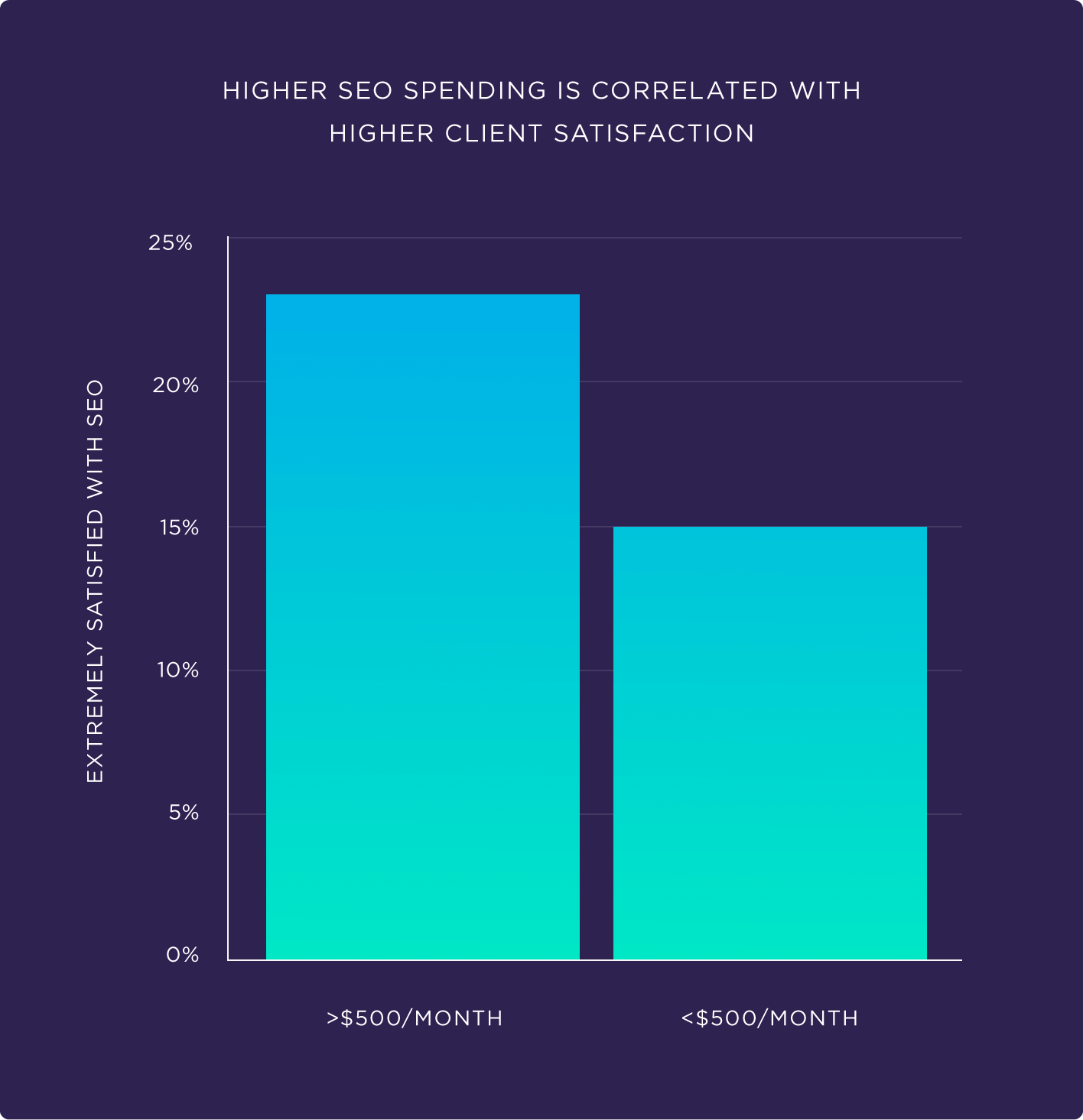
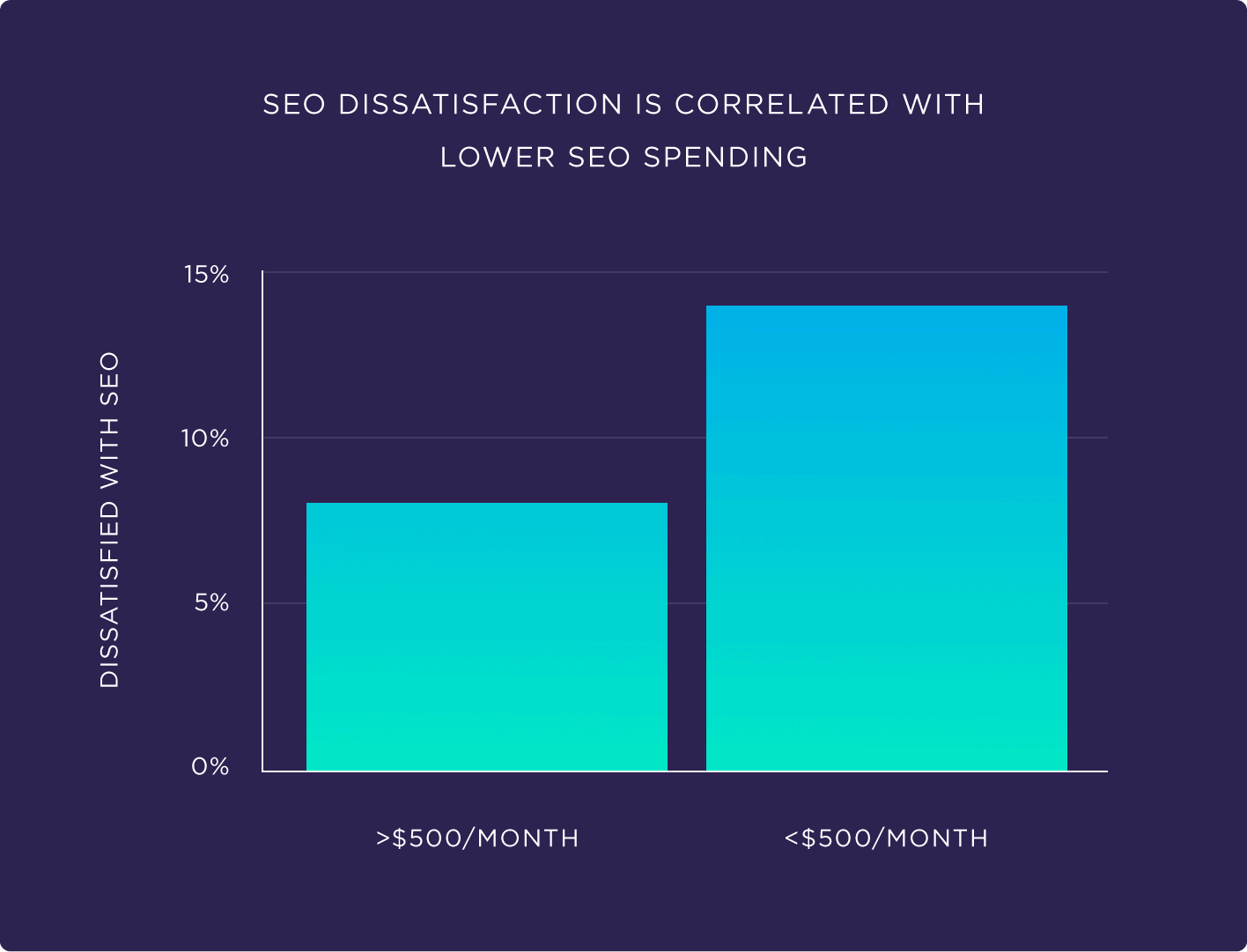
- The "You Get What You Pay For" Rule: There is a definitive correlation between spend and satisfaction. Clients investing over $500/month are 53.3% more likely to report being "extremely satisfied" than those with lower budgets.
Chronology: The Evolution of Client Expectations
The relationship between SEO providers and clients has changed significantly since the late 2010s. Historically, SEO was treated as a "black box" technical service. Today, it is viewed as a critical revenue driver.
- Pre-2020: The industry was largely driven by link-building and technical audits. Clients often measured success by vanity metrics, such as keyword rankings or social media follower counts.
- 2020–2023: The rise of E-E-A-T (Experience, Expertise, Authoritativeness, and Trust) forced a shift toward high-quality content and user experience. Clients began demanding more sophisticated reporting.
- 2024–2025: The "AI Pivot." With the introduction of Search Generative Experience (SGE) and AI-assisted search, clients are no longer just asking for "traffic." They are demanding "targeted customers" and "brand authority," reflecting a move toward high-intent lead generation.
Supporting Data: Dissecting the Numbers
The Great Divide: Agencies vs. Freelancers
Our research highlights a clear divide in the marketplace. Agencies and freelancers serve different segments of the market with distinct outcomes:
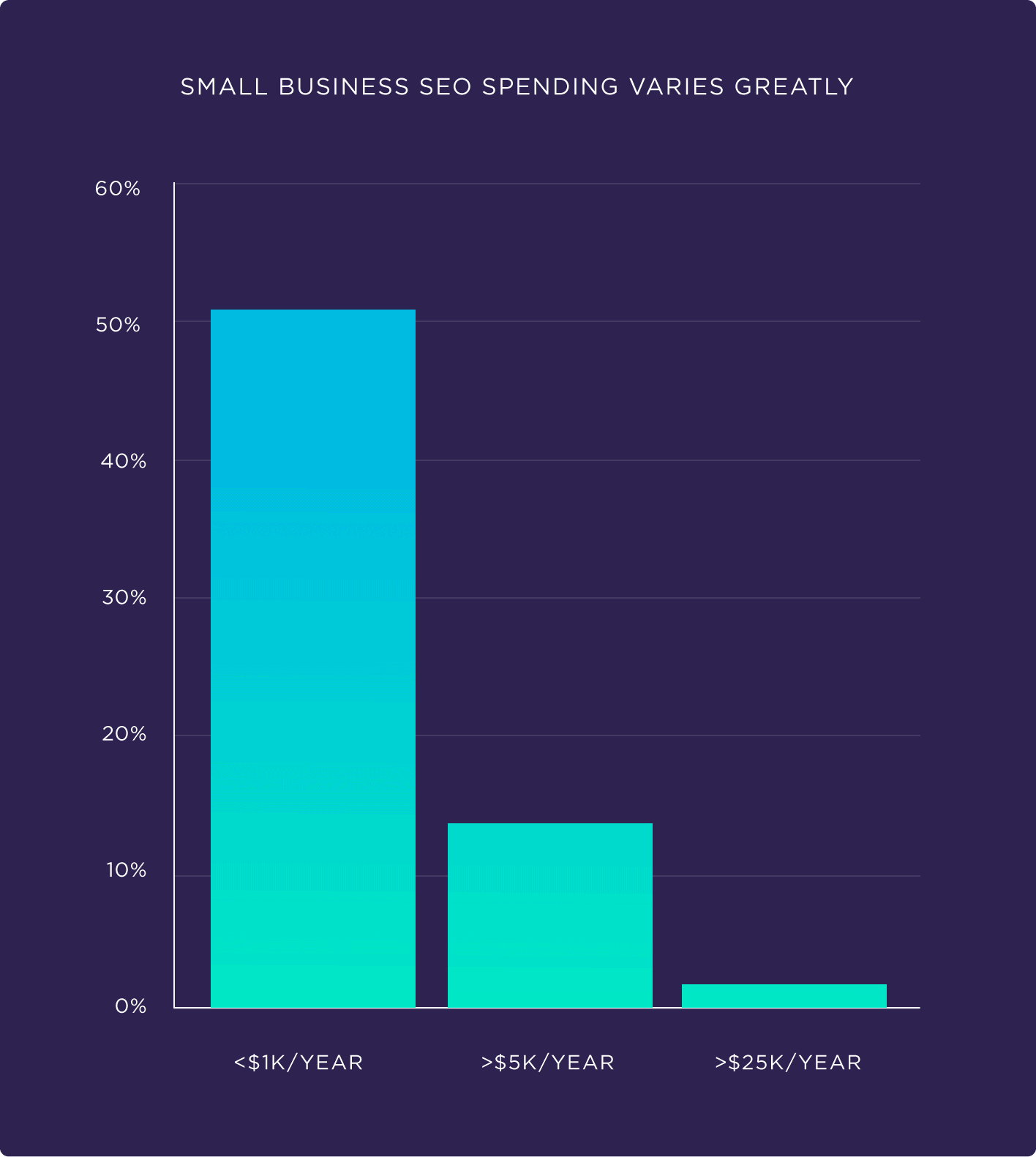
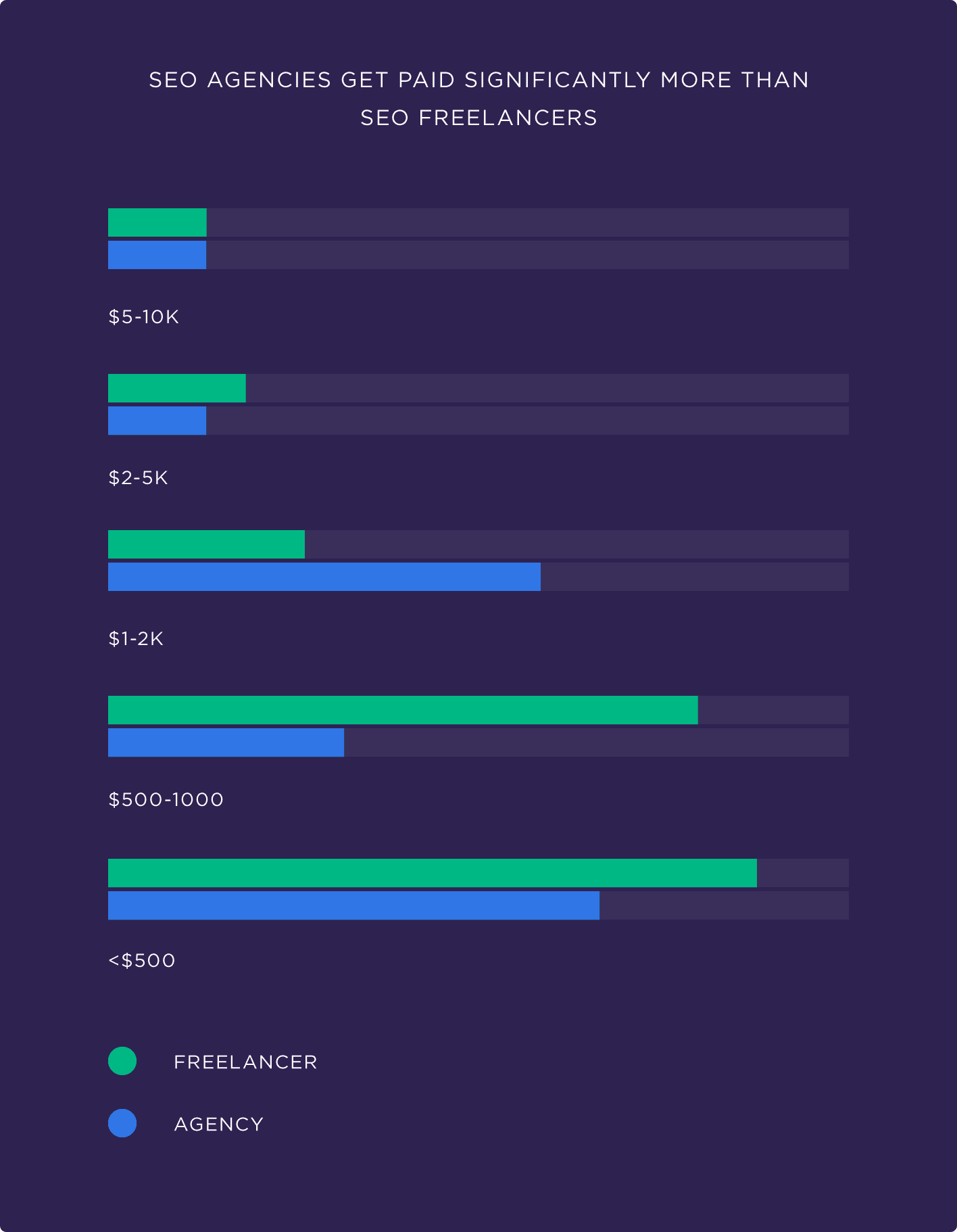
- Pricing: Agencies are twice as likely to command monthly retainers in the $1,000–$2,000 range compared to freelancers.
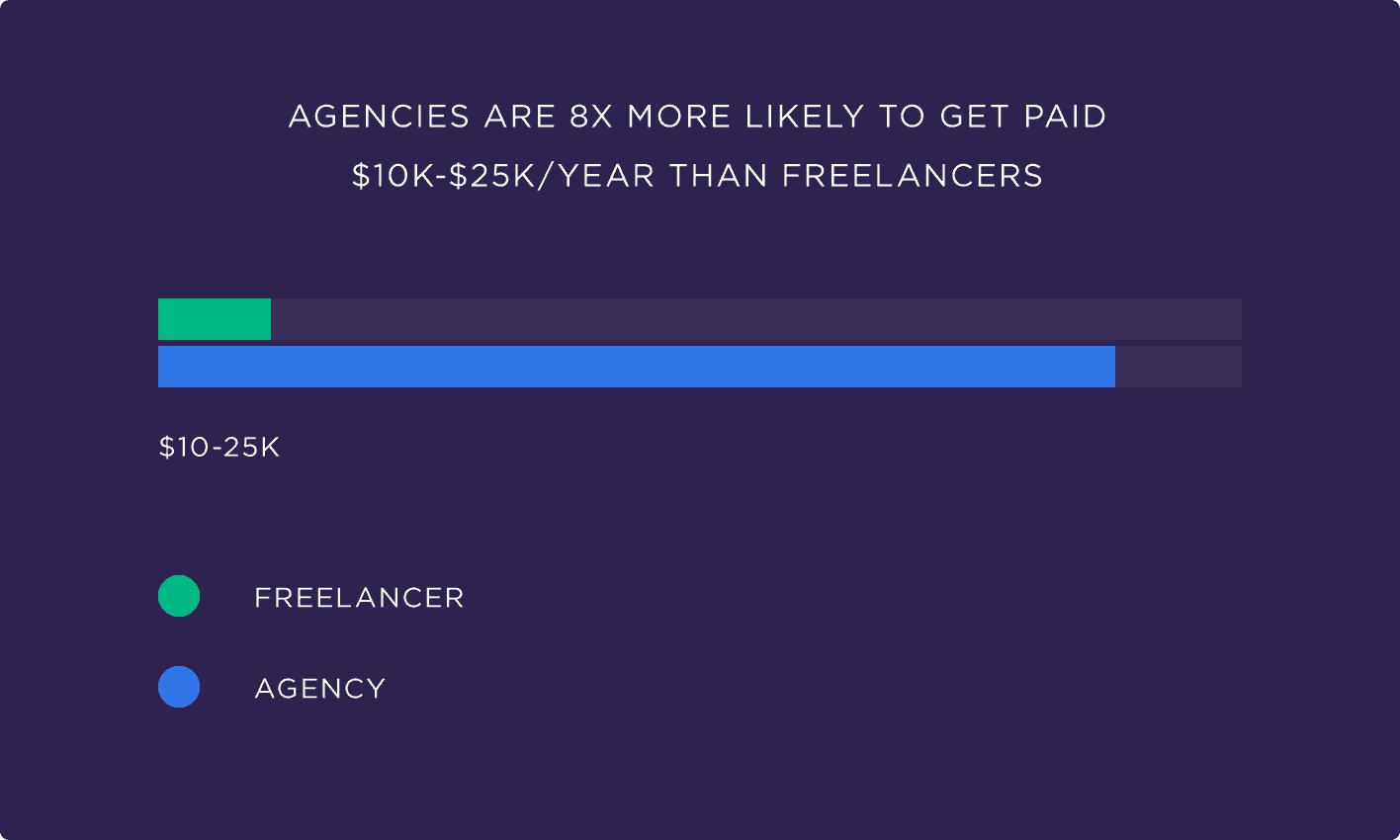
- High-End Dominance: Agencies are 8x more likely to secure high-ticket clients (spending $10k–$25k/year) than independent freelancers.
- Satisfaction: Interestingly, agencies currently maintain higher average Net Promoter Scores (NPS) than individual freelancers, though both struggle with industry-wide dissatisfaction.
ROI by Industry
SEO is not a one-size-fits-all investment. The ROI varies wildly based on sector. For instance, the Medical Device industry reports an eye-watering 1,183% ROI, whereas E-commerce sits at a more modest 317%. These discrepancies are often due to the length of the sales cycle; sectors with high-ticket B2B sales (like Industrial IoT or SaaS) see a massive payoff once the "trust" factor is established through organic search.
The "Web Savvy" Factor: Why Clients Leave
Perhaps the most surprising finding in our research is the impact of "web savviness" on client retention. We found that existing, satisfied clients are twice as likely to consider themselves "extremely web savvy" compared to those who have left their providers.
The Education Gap
Many businesses are not just dissatisfied with results—they are confused by the process.
- 27% of clients find SEO services to be confusing.
- 25% of clients admit they aren’t entirely sure what they are paying for.
When a client doesn’t understand the "why" behind a title tag change or a technical site architecture update, they perceive the work as low-value. This creates a dangerous feedback loop where the provider continues to do necessary, high-impact work, but the client feels the provider is being unresponsive or non-transparent.
The Role of Resources
It is not always the provider’s fault. 50% of unhappy clients admitted they lack the internal staff or the training to actually leverage the SEO work being done. In many cases, SEO providers provide the strategy, but the client’s internal team is too overwhelmed to implement it, leading to stalled progress and eventual termination of the contract.
Official Perspectives and Implications
How to Build a Lasting Partnership
If the industry average NPS is 0, how can a provider break the mold? The data suggests three clear paths forward for agencies and consultants:

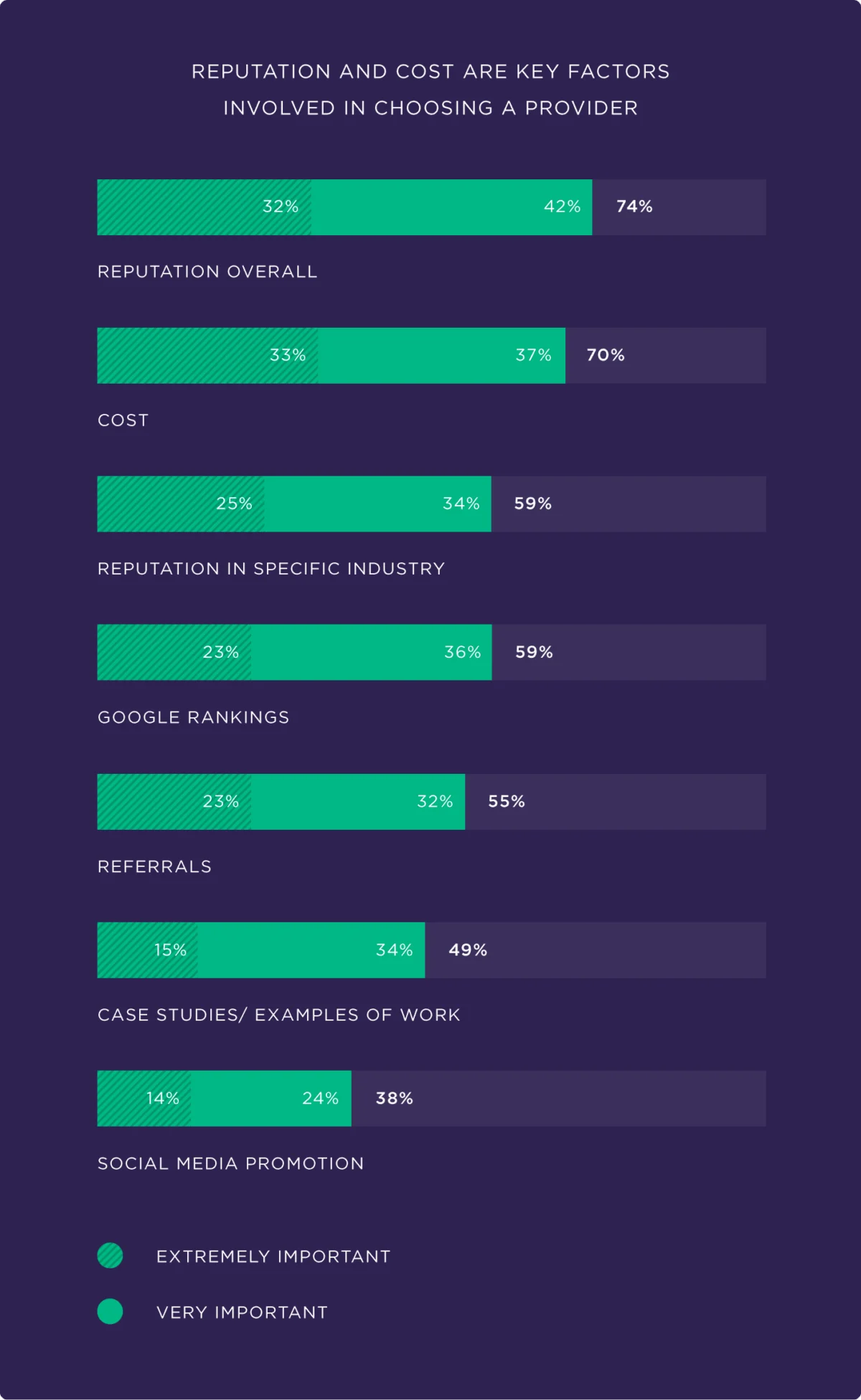
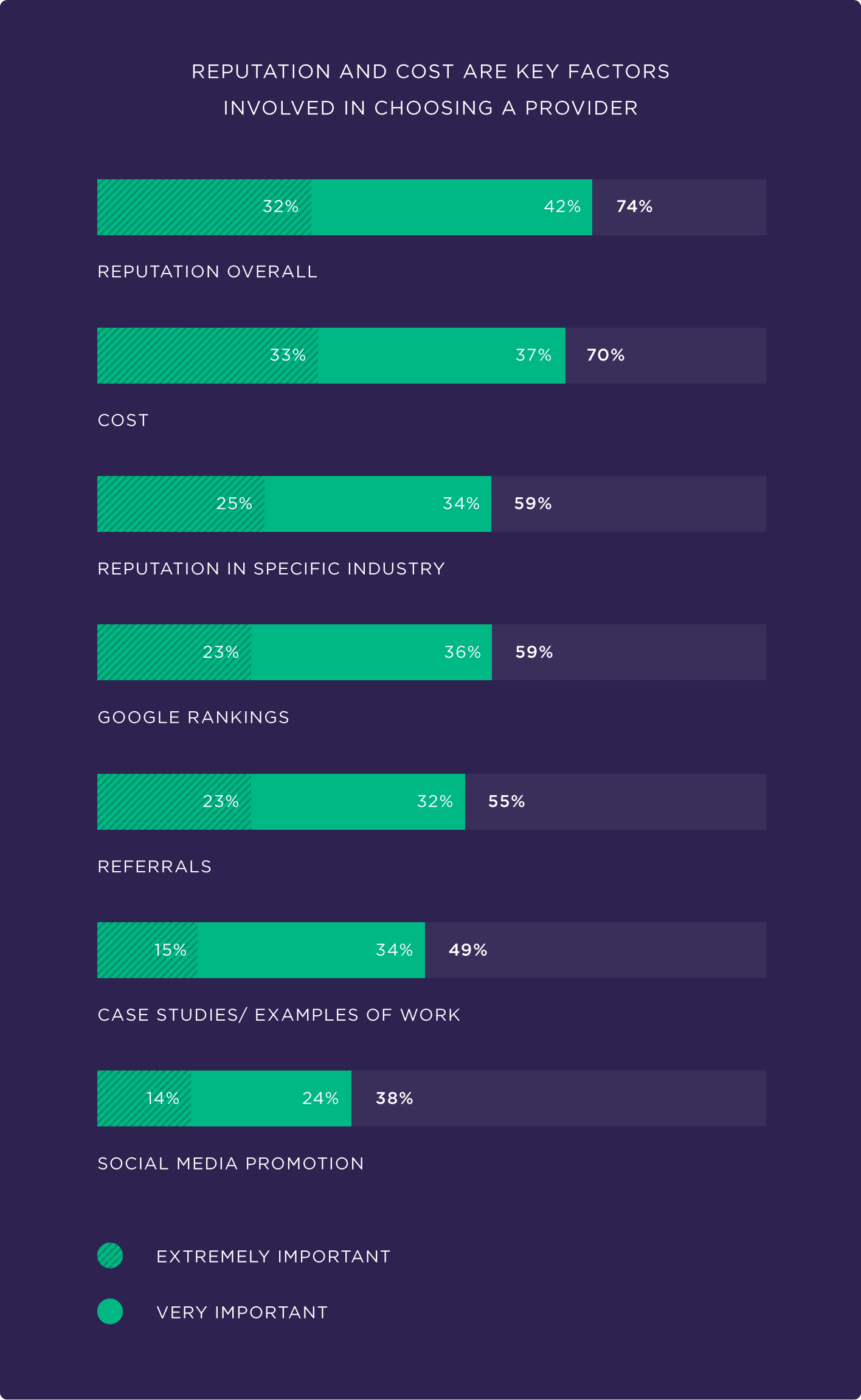
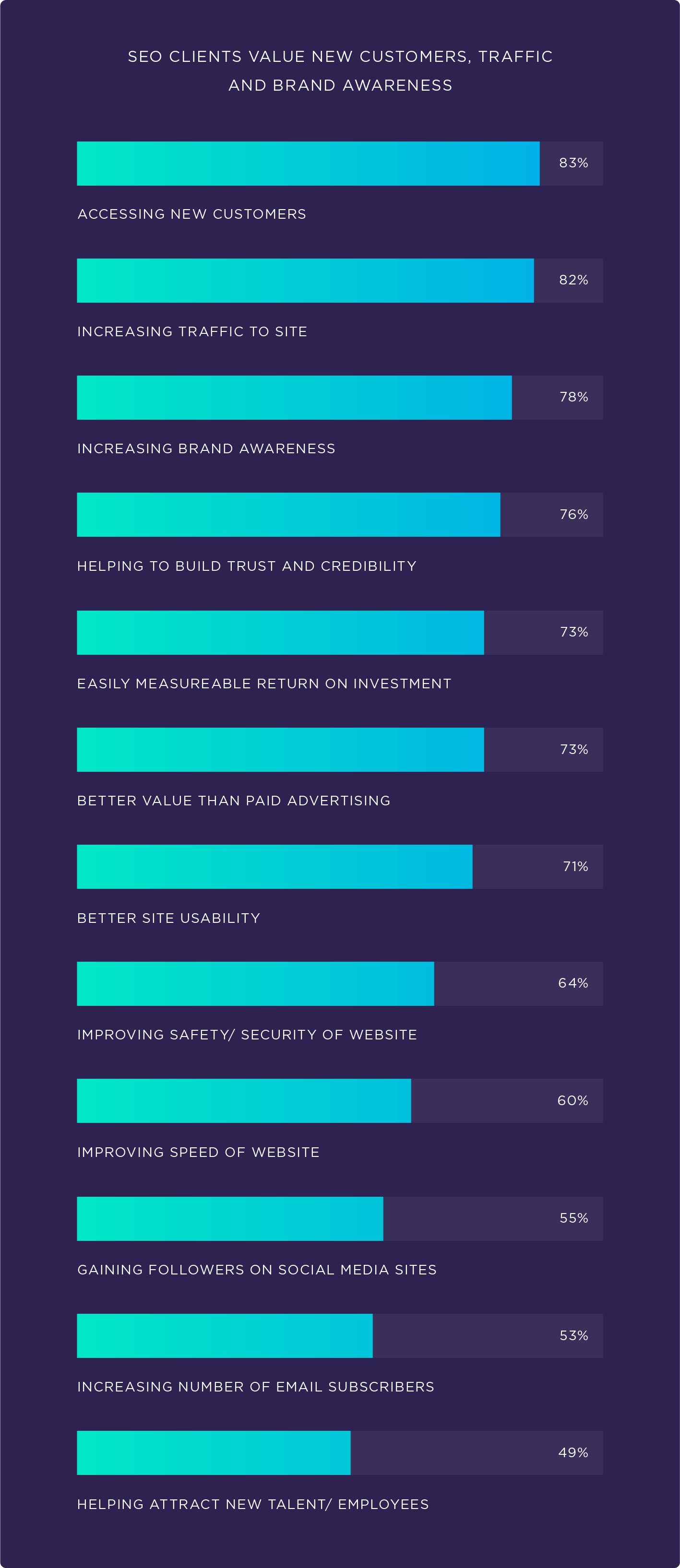
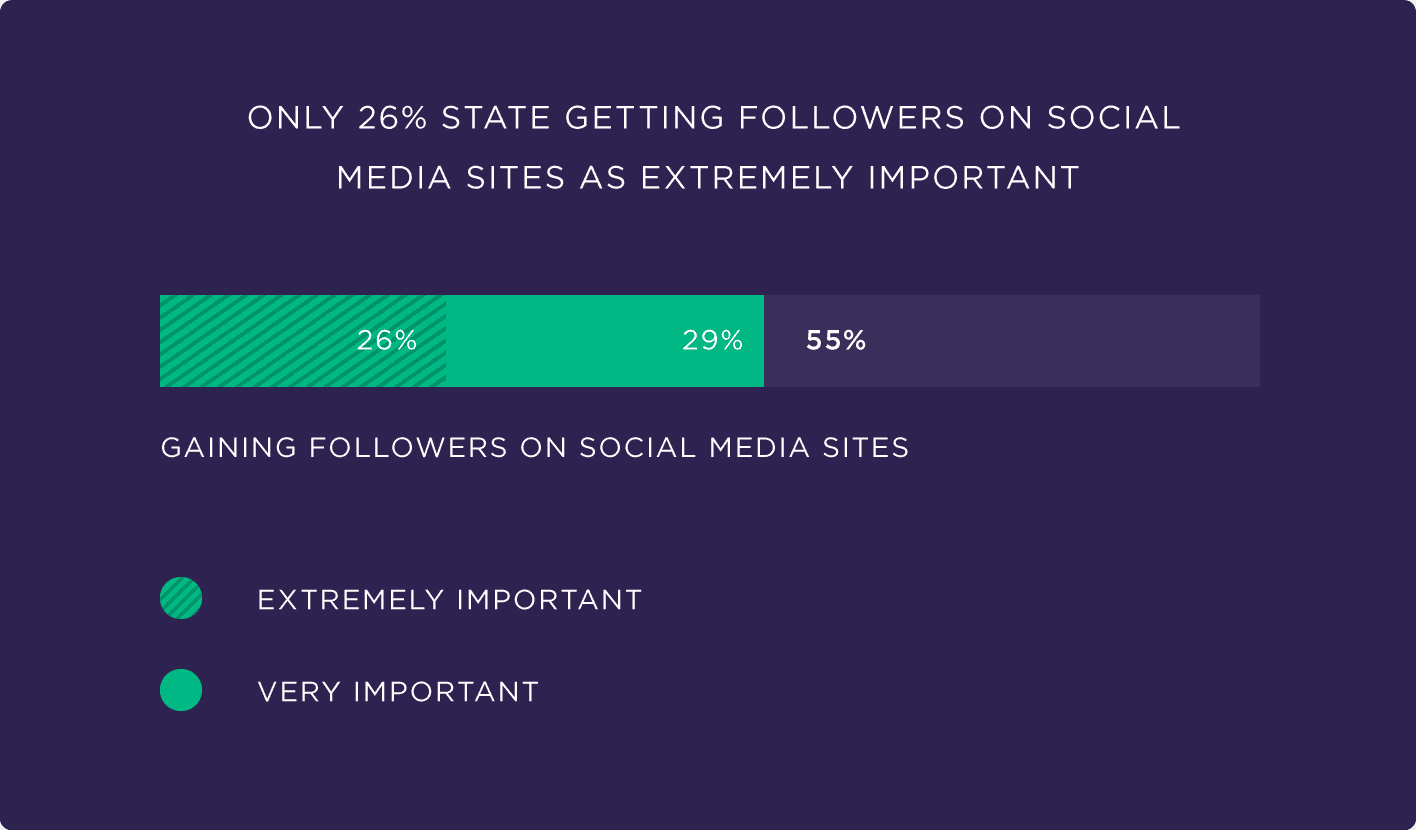
- Prioritize "Business" Over "Technical" Language: Stop selling "backlinks" and start selling "customer acquisition." Clients value traffic and leads above social media followers or domain authority metrics.
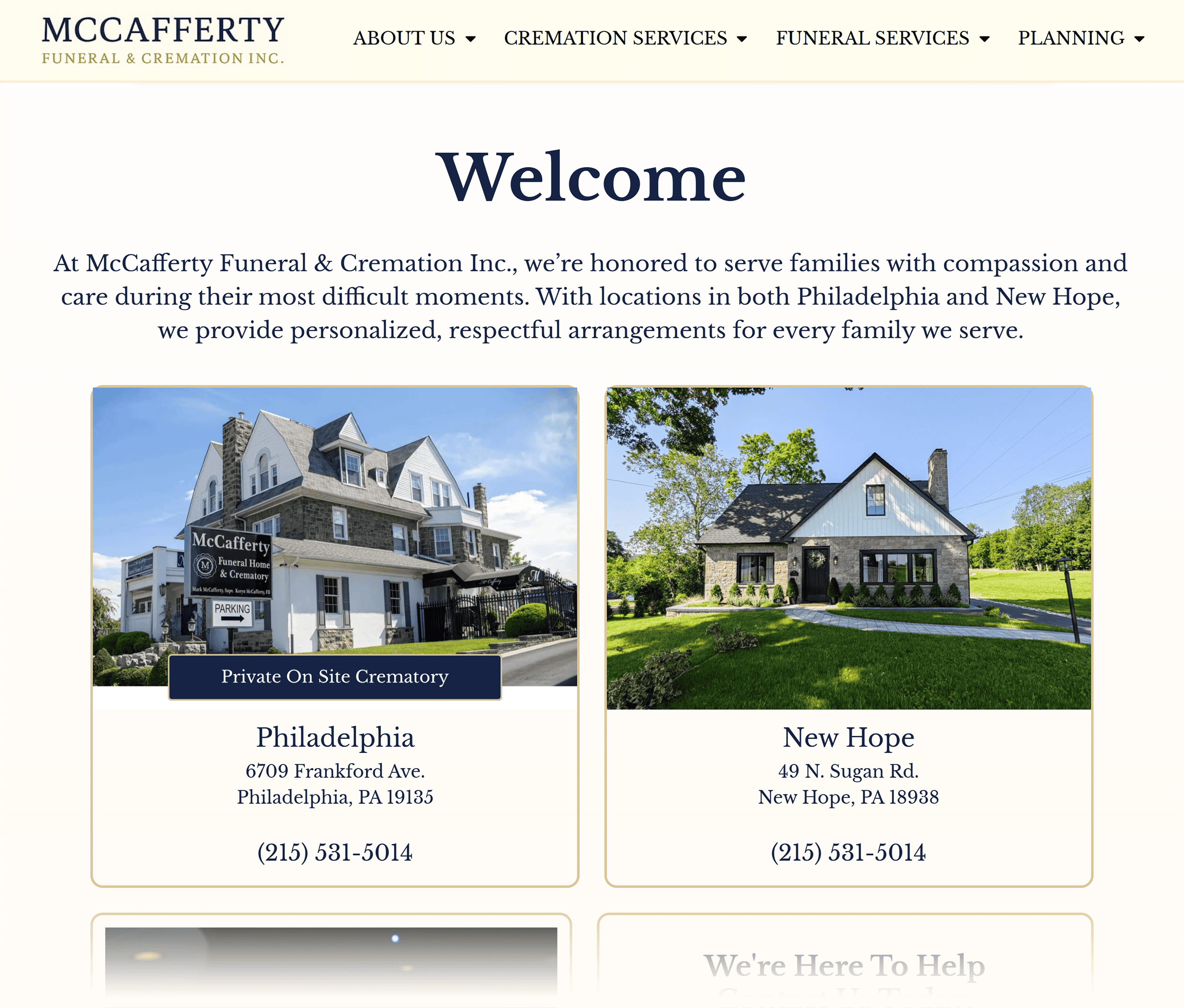
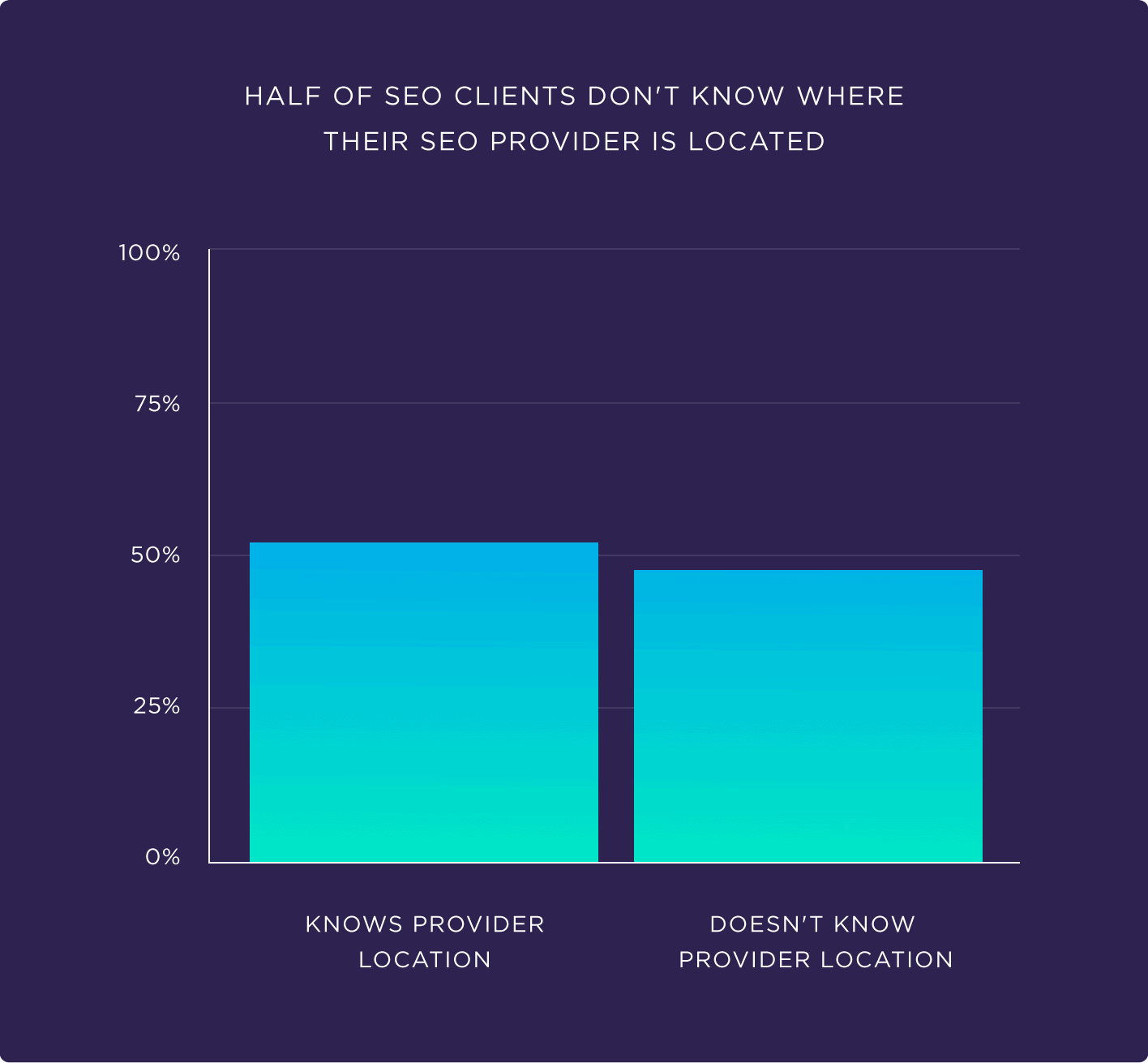
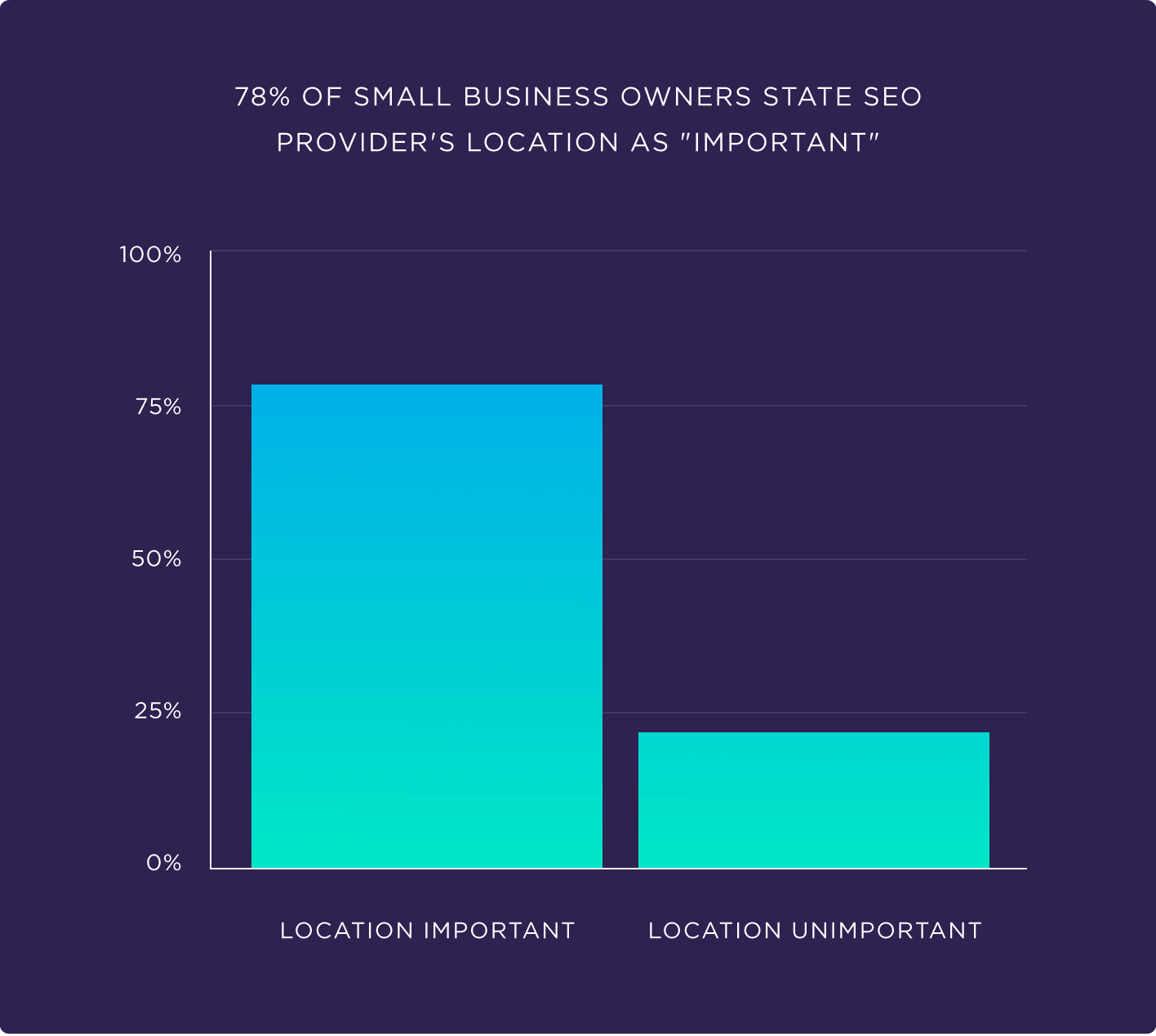
- Make Location Transparent: Despite the digital nature of SEO, 78% of US businesses say knowing the provider’s physical location is "very" or "extremely" important. Establishing a physical presence or clear "about us" page builds the trust required for long-term contracts.
- The Transparency Mandate: The 65% turnover rate is fueled by a lack of clarity. Providers who invest in educational reporting—explaining how their efforts contributed to a specific revenue increase—are significantly more likely to retain clients for the 3+ year average.
The Future of SEO ROI
The emergence of AI has been a net positive for the industry. While some feared AI would replace SEO, 68% of industry respondents reported a "moderate to significant" increase in ROI due to AI tools. By automating the grunt work of data analysis and content scaling, providers are now able to focus on high-level strategy—the very thing that keeps clients happy and retained.
Conclusion
The SEO industry is at a crossroads. The data confirms that while SEO remains one of the highest-ROI marketing channels available, the "service" component is failing. Clients are not just buying rankings; they are buying peace of mind and business growth.
Providers who bridge the gap between technical execution and business-centric communication—while ensuring their clients are educated enough to appreciate the work being done—will be the ones to buck the trend of high turnover and low satisfaction. As we look toward the latter half of 2025, success will no longer be measured by who can rank the highest, but by who can build the most transparent, high-trust, and growth-oriented partnerships.