In the high-stakes world of digital advertising, a silent tug-of-war exists between the platforms providing the reach and the businesses seeking a return on investment. Meta, the parent company of Facebook and Instagram, offers one of the most sophisticated advertising engines in history. However, industry experts are increasingly warning that the platform’s user interface is a "minefield of defaults" designed to prioritize Meta’s bottom line over advertiser efficiency.
As digital landscapes shift toward automation and artificial intelligence, the "set it and forget it" mentality encouraged by Meta’s Advantage+ suite is coming under intense scrutiny. From inflated attribution windows to low-quality lead generation, the gap between "dashboard success" and "bankable revenue" has never been wider.
Main Facts: The Mechanics of Platform-Centric Design
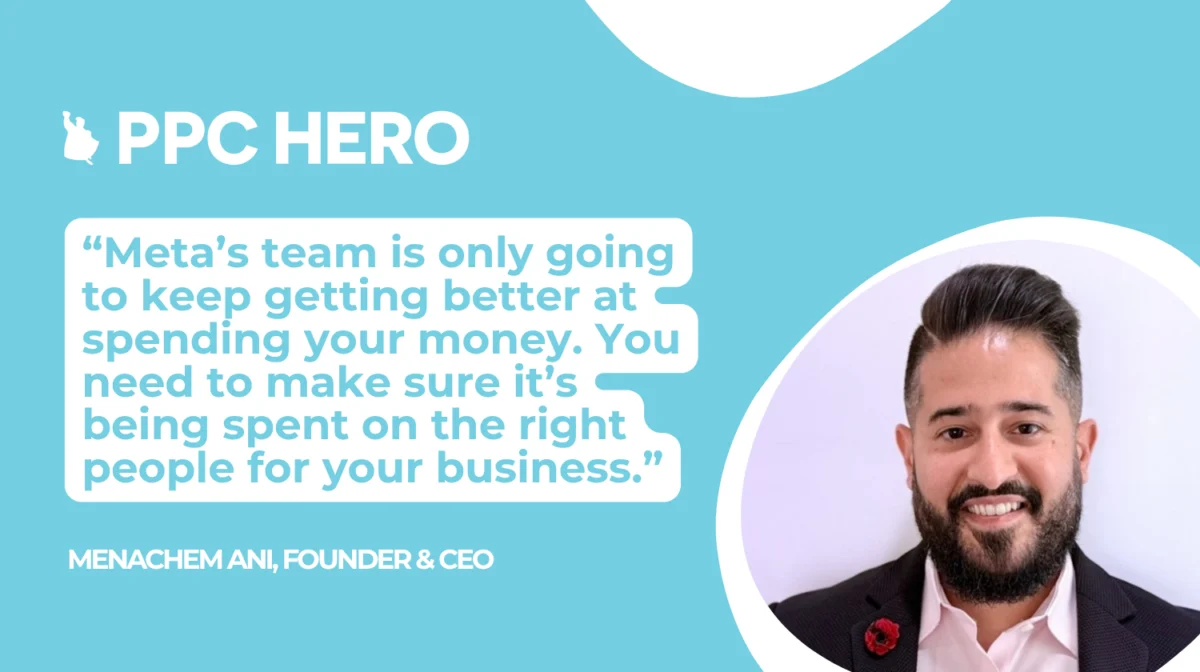
The core tension in Meta’s advertising ecosystem stems from its "default settings." For the uninitiated advertiser, the path of least resistance is often the most expensive. According to Menachem Ani, founder of JXT Group, Meta’s dashboard is peppered with toggles and pop-ups that follow users across campaign setup screens, nudging them toward choices that increase spend rather than effectiveness.
The primary issues identified by performance marketing veterans include:
- Misaligned Objectives: Meta pushes "Awareness" and "Engagement" goals, which often result in vanity metrics rather than sales.
- Attribution Inflation: Default settings often credit Meta for sales that would have happened anyway, using "view-through" data to bolster reported performance.
- The "Quantity over Quality" Lead Loop: Tools like Instant Forms prioritize the number of submissions over the intent of the lead, often resulting in "junk leads" who claim they never signed up.
- The Advantage+ Paradox: While AI-driven targeting works for broad eCommerce, it can be disastrous for niche lead generation, leading to "bot visibility" and wasted budget.
Chronology: The Anatomy of a High-Performance Meta Audit
To understand how these defaults impact a business, one must look at the typical lifecycle of a campaign setup and the subsequent audit process required to "fix" the leaks.
Phase 1: The Objective Selection
The journey begins at the Campaign level. Meta offers six primary objectives: Awareness, Traffic, Engagement, Leads, App Promotion, and Sales. For the vast majority of performance-driven brands, only "Leads" and "Sales" are viable. However, Meta frequently suggests Awareness campaigns for growing brands. In practice, this often leads to a "reach trap" where the budget is consumed by impressions that have no clear path to conversion.

Phase 2: Lead Quality vs. Lead Volume
Once an objective is chosen, the advertiser must decide on the conversion location. Meta’s "Instant Forms" allow users to submit data without leaving the app. While this reduces friction, it also reduces intent. A common chronological progression for a brand is to start with Instant Forms, see a spike in leads, and then experience a "sales floor crisis" where the sales team reports that the leads are unresponsive or fake. The "fix" involves shifting traffic to a dedicated landing page, introducing healthy friction to filter out casual scrollers.
Phase 3: The Attribution Adjustment
Post-launch, the first 30 days of a campaign are often deceptive. By default, Meta uses a window that includes view-through and engaged-view attribution. This means if a user saw an ad, didn’t click it, but bought the product three days later via an organic search, Meta takes the credit. An audit typically moves these settings to "7-day click, 1-day view" or "click-through only" to ensure the platform is actually driving the behavior it claims.
Supporting Data: The Technical Nuance of ROI
The difference between a "default" campaign and an "optimized" one can be quantified through several key technical configurations.
1. CRM Integration and the "Conversion Lead" Goal
One of the most underutilized settings in Meta’s arsenal is the "Maximize Number of Conversion Leads" performance goal. Data suggests that standard "lead" optimization simply finds people likely to fill out a form. By connecting a CRM (like Salesforce or HubSpot), advertisers can send a signal back to Meta when a lead actually becomes "qualified" or "closed-won." This creates a feedback loop where the algorithm hunts for revenue rather than just data entries.
2. The Attribution Breakdown
In eCommerce, the nuance of "Total vs. Unique" conversions is critical.
- eCommerce: One user making two separate purchases should count as two conversions (two injections of revenue).
- Lead-Gen: One user filling out a form twice should only count as one conversion (one unique lead).
Meta’s default settings often fail to distinguish these based on the business model, leading to skewed Cost Per Acquisition (CPA) data.
3. Placement Performance and the Audience Network
Meta’s "Advantage+ Placements" show ads across Facebook, Instagram, Messenger, and the "Audience Network" (third-party apps). Analysis of the Audience Network frequently reveals high click-through rates (CTR) but near-zero conversion rates on the backend. This is often indicative of "accidental clicks" within mobile games or low-quality apps, which look good on a Meta dashboard but fail the "revenue check."

Official Responses and Industry Standards: Platform vs. Practitioner
Meta’s official stance on its "Advantage+" and AI-driven tools is rooted in the "Power Five" philosophy: that the algorithm is smarter than the human advertiser. Meta argues that by removing constraints (broad targeting, all placements, automatic creative), the machine learning engine can find the cheapest conversions across the entire ecosystem.
However, the industry response from agencies like JXT Group suggests a more cautious middle ground. While they acknowledge that Advantage+ is a powerhouse for eCommerce—where the purchase signal is clear and immediate—they argue it is a "trap" for B2B and lead-gen.
"The tools feel powerful because they are," the JXT report notes, "but handing creative control or even license to the system without tight oversight is a real risk." This is particularly true for Meta’s new AI-generated creative variations, which can sometimes alter brand imagery or copy in ways that violate brand guidelines or misrepresent the product.
Implications: The Future of Paid Media in an AI Landscape
The shift toward "black box" advertising—where the platform hides the levers of control behind an AI interface—has profound implications for the future of digital marketing.
1. The Death of Manual Media Buying
The days of manual "interest targeting" are fading. The value of a media buyer is shifting from "button-pusher" to "data-strategist." Success now depends on the quality of the data fed into the machine (first-party data, CRM signals) rather than the specific interests selected in the dashboard.
2. The Rise of Brand Safety Concerns
As Meta’s AI gains the ability to rewrite copy and translate languages automatically, brand safety becomes a paramount concern. Advertisers who do not manually review and approve AI-generated variations risk running ads that do not align with their visual identity or tone of voice.

3. The Necessity of the "Revenue Check"
The most significant implication is the growing disconnect between platform reporting and bank statements. Businesses can no longer rely on the Meta Pixel to tell the whole story. Success in the next decade of digital advertising will require "triangulation"—comparing platform data with Google Analytics (GA4) and internal CRM data to find the "ground truth" of performance.
Conclusion: What Advertisers Should Do Next
Meta remains a powerful engine for growth, but it requires a "manual override" to ensure it serves the business’s interests. To avoid the default trap, practitioners recommend a three-step immediate action plan:
- The Placement Audit: Review the "Audience Network" performance. If the conversion rate is significantly lower than Facebook or Instagram feeds, disable it immediately.
- The Attribution Reset: Change the attribution setting to "7-day click" to see how many sales are actually being driven by active engagement versus passive views.
- The CRM Bridge: For lead-gen businesses, the single most important task is connecting the CRM to Meta to optimize for "Conversion Leads" rather than "Raw Leads."
As Meta’s tools become more automated, the advertisers who thrive will be those who know which "defaults" to keep and which to kill. In the battle for ROI, the most expensive setting is the one you didn’t know was turned on.