In the modern digital landscape, the aesthetic quality of a brand is no longer a luxury—it is the baseline expectation. As consumers become increasingly visually literate, the gap between a "side hustle" and a professional enterprise is often defined by the caliber of its marketing collateral. However, for the lean entrepreneur or the time-strapped small business owner, the traditional route of hiring expensive agencies or spending hundreds of hours mastering complex software like Adobe Creative Cloud is rarely feasible.
Enter Canva, the Australian-founded design platform that has fundamentally democratized visual communication. As we head further into 2025, Canva has evolved from a simple graphic design tool into an indispensable ecosystem for business growth. This article explores how this platform is empowering businesses to maintain high-quality brand standards without the steep learning curve.
The Core Concept: What is Canva?
At its simplest, Canva is a web-based graphic design platform that utilizes an intuitive drag-and-drop interface to allow users to create professional-grade visuals. Unlike professional-grade software that requires years of training, Canva is built for the non-designer. It offers a massive library of templates, fonts, stock photography, and illustrations that can be customized in seconds.
The platform operates on a "freemium" model. The "Canva Free" tier provides access to an astonishing amount of utility—enough to satisfy most solopreneurs. For growing businesses, "Canva Pro" unlocks premium features such as Brand Kits, Magic Resize, and a vast repository of high-end stock assets. By lowering the barrier to entry, Canva has turned every business owner into a potential art director.
A Chronology of Growth: From Start-up to Global Giant
Canva’s ascent is one of the most successful tech narratives of the last decade. Founded in 2013 by Melanie Perkins, Cliff Obrecht, and Cameron Adams, the company initially focused on making yearbook design simpler.
- 2013: Canva launches to the public, focusing on a simplified design process for non-designers.
- 2014-2017: The platform expands its user base into the corporate sector, introducing "Canva for Work" to cater to professional marketing teams.
- 2018-2020: Canva begins integrating video editing, presentation software, and print services, effectively challenging legacy software providers.
- 2021-2023: The company aggressively integrates Artificial Intelligence (AI) through its "Magic Studio," allowing for automated design generation and photo editing.
- 2024-2025: Canva consolidates its position as an enterprise-grade visual communication suite, with tools designed for large-scale team collaboration and brand management.
Supporting Data: The Efficiency Gap
The primary driver behind Canva’s popularity is efficiency. According to industry analysis, small businesses that transition from manual, uncoordinated design to centralized platforms like Canva see a 40% reduction in time spent on marketing asset creation.
In a competitive market where "speed-to-market" is essential, the ability to iterate on social media creative or update a sales deck in minutes rather than days is a significant competitive advantage. Data from the platform indicates that over 150 million users currently utilize its services, with millions of designs being created every single day. This volume suggests that for many businesses, Canva has become the "single source of truth" for their brand identity.
Official Perspectives: The Philosophy of Empowerment
Canva’s leadership has long maintained a singular mission: to empower the world to design. By removing the technical friction associated with creative work, they argue that they are not just providing a tool, but an engine for economic activity.
"Design is no longer a specialized skill reserved for the elite; it is a fundamental language of business," notes the company’s executive team in recent annual reports. By focusing on accessibility, they have successfully pivoted from a niche tool for social media managers to a comprehensive platform used by Fortune 500 companies for internal communications, HR onboarding, and complex marketing campaigns.
Practical Applications for Business in 2025
How exactly should a business leverage Canva to its full potential? The key lies in strategic application across four main pillars:
1. Establishing a Unified Brand Identity
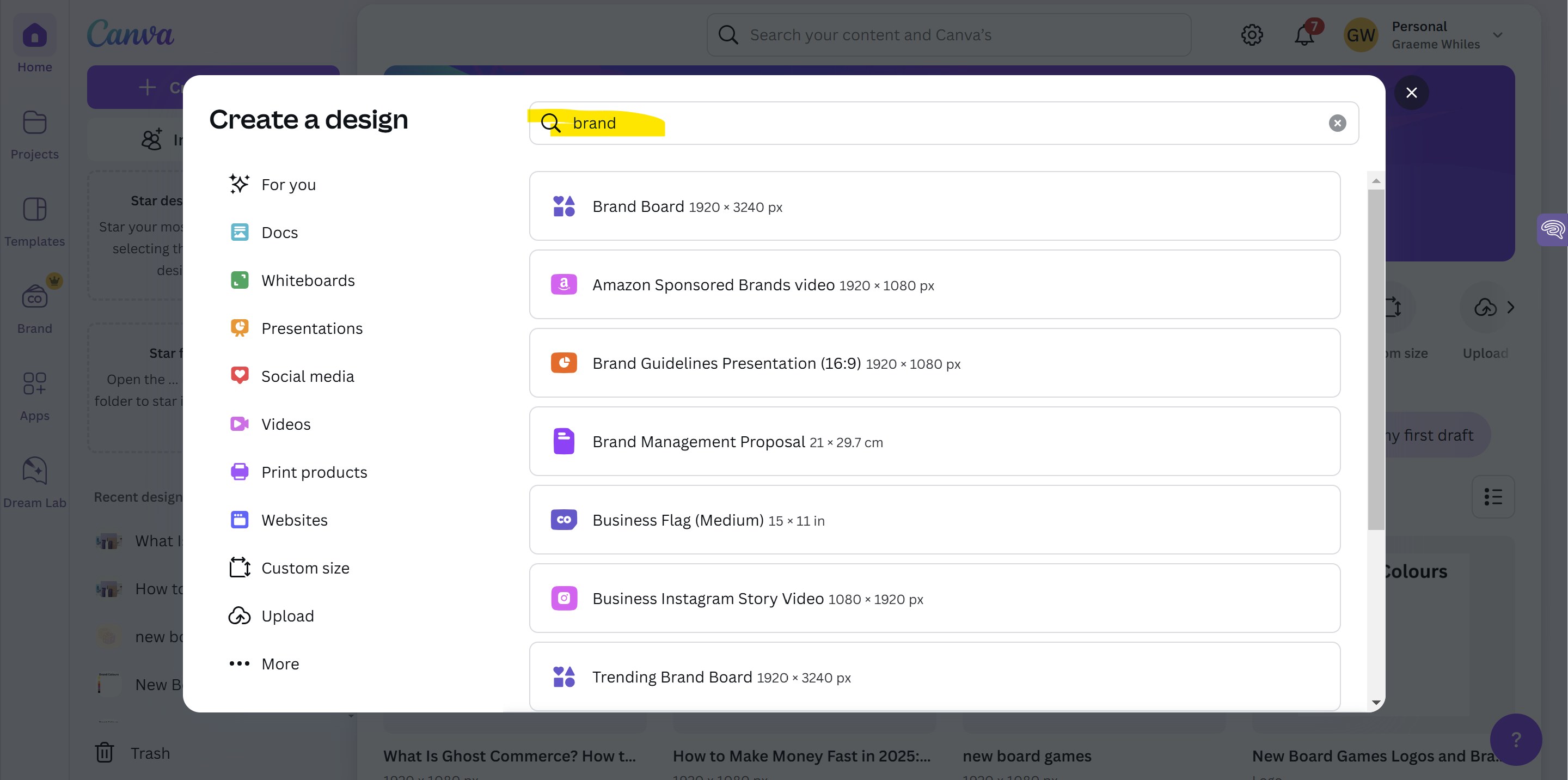
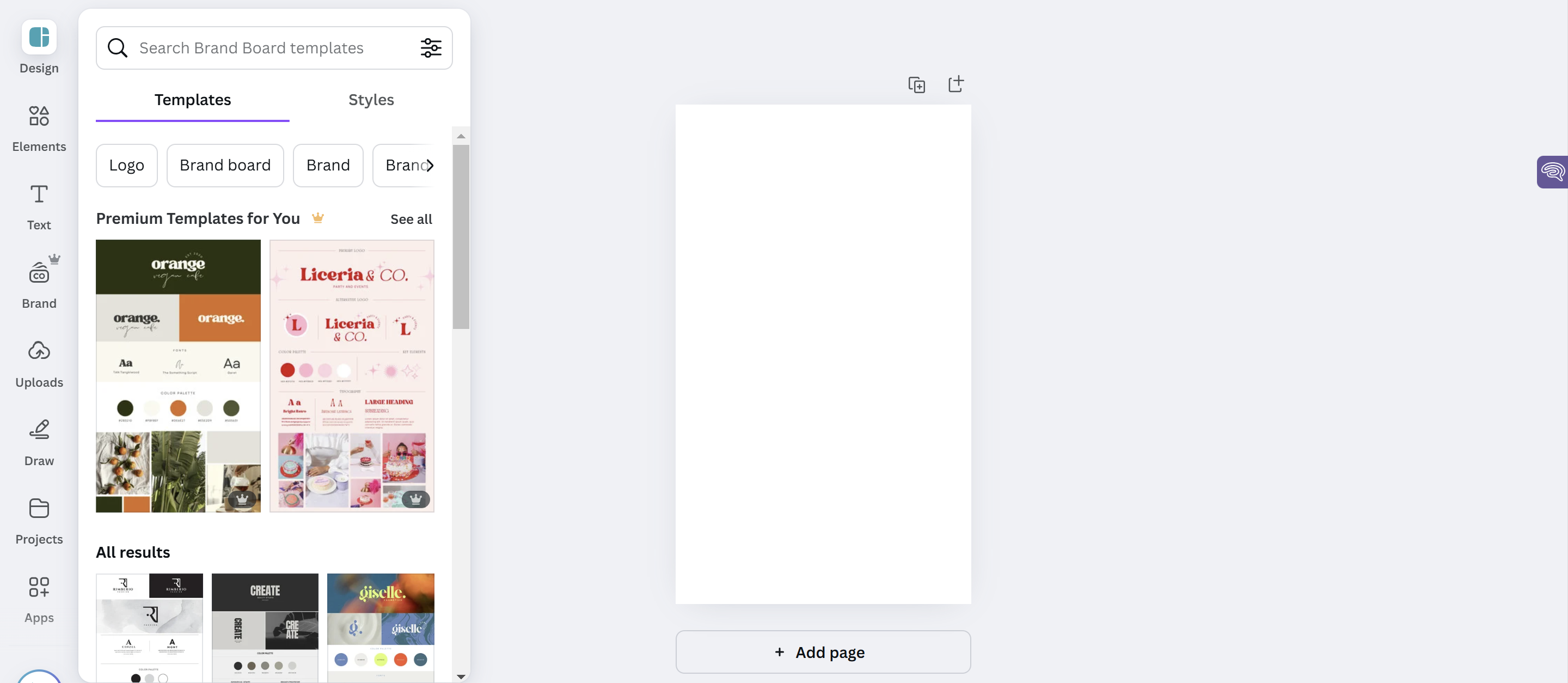
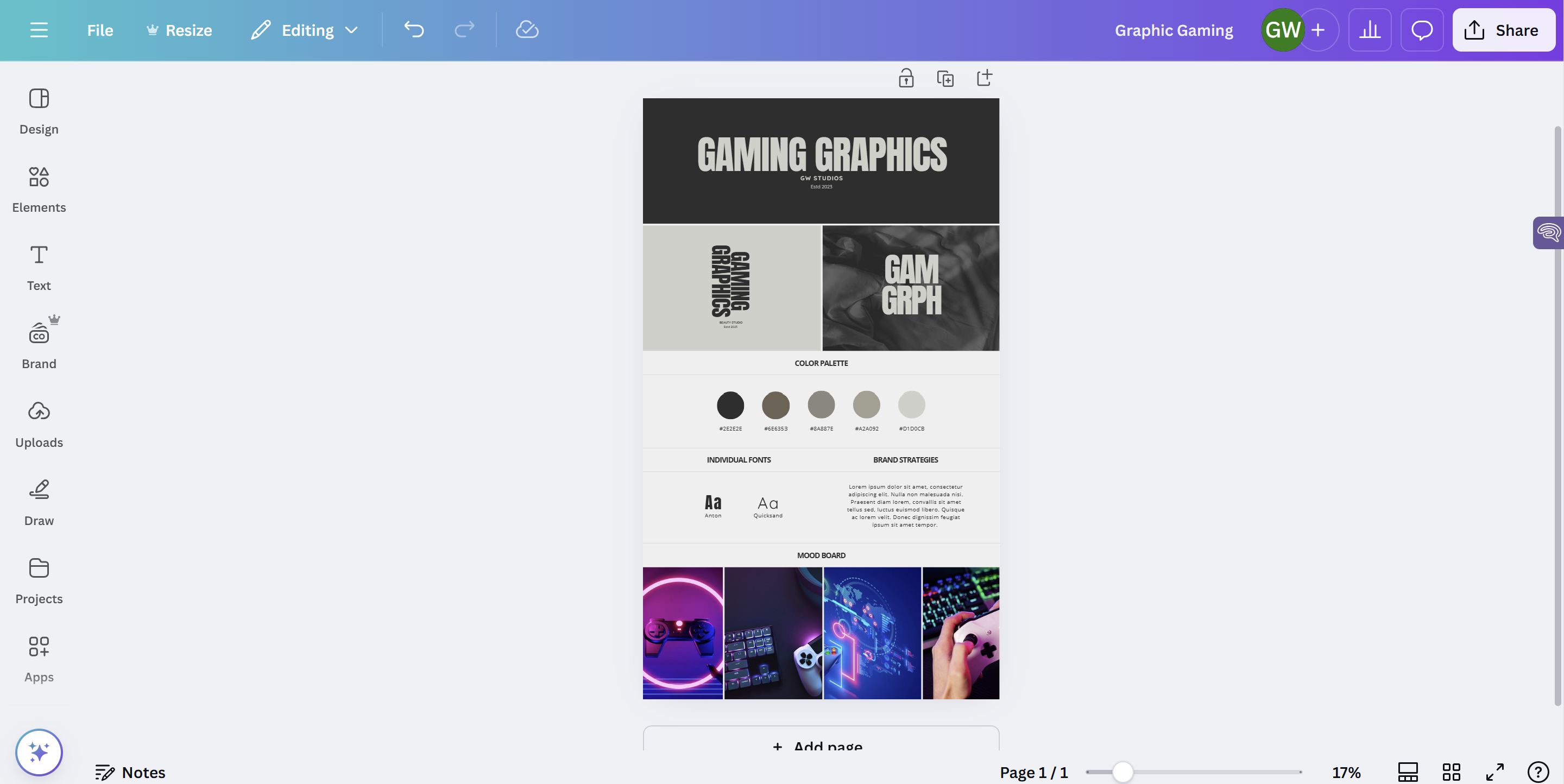
A brand is only as strong as its consistency. With Canva’s "Brand Kit" feature, businesses can upload their specific hex codes, logos, and typography. Once set, every piece of content—from an Instagram Story to a formal whitepaper—automatically adheres to these guidelines, ensuring a professional, cohesive look that builds brand trust.
2. Social Media Content Velocity
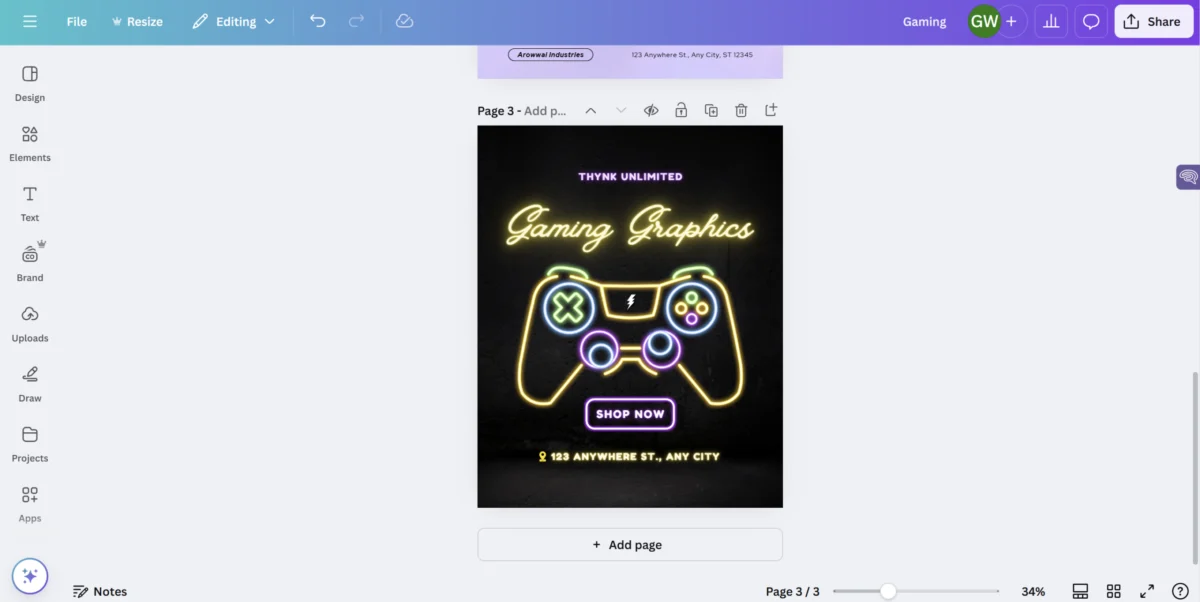
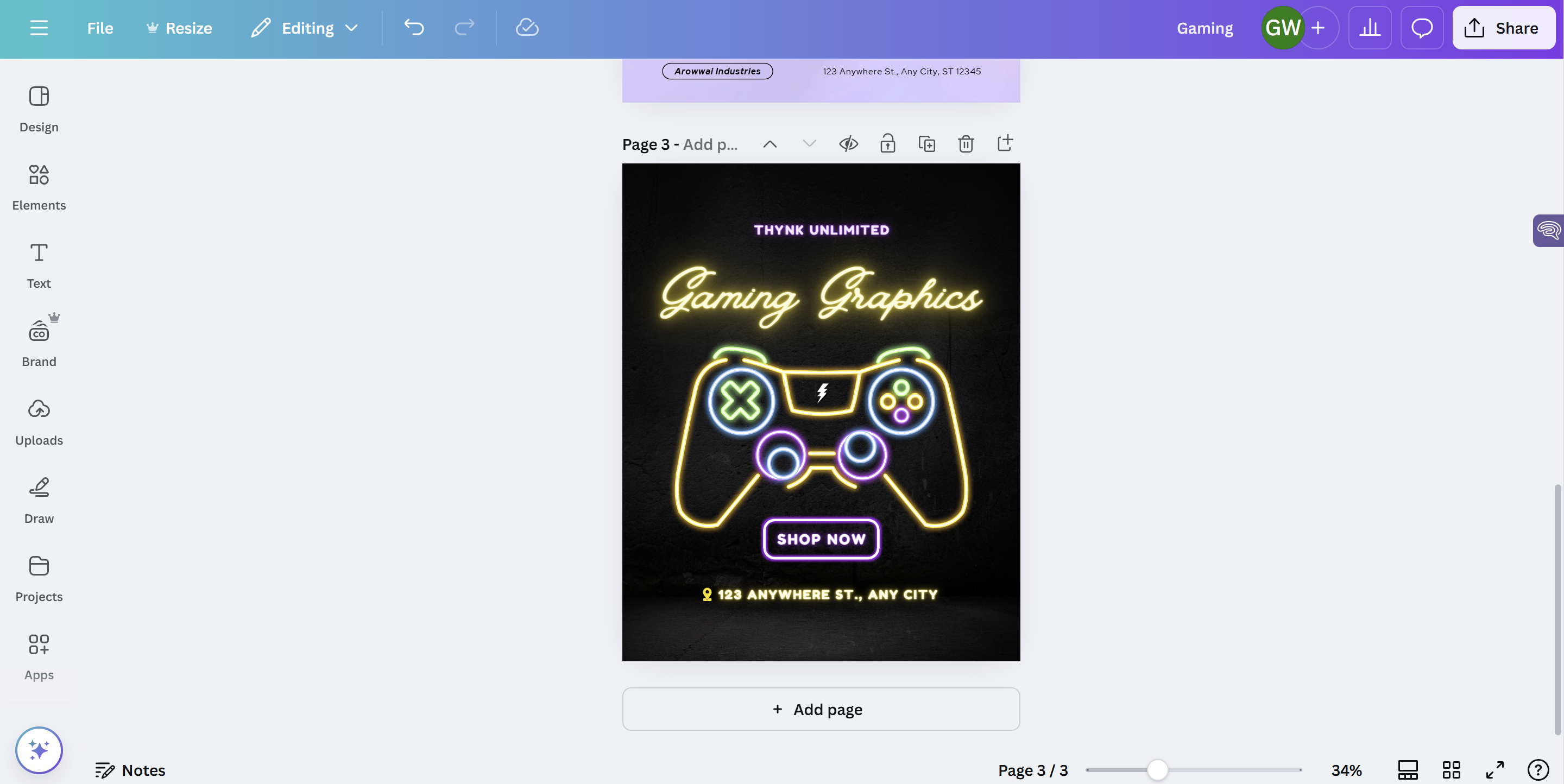
Social media algorithms reward consistency and quality. Canva’s template library is updated daily to reflect current design trends. For a business like the hypothetical "Gaming Graphics" example, creating a week’s worth of TikTok overlays or Instagram carousels can be accomplished in a single sitting, ensuring that the brand remains visible and relevant.
3. SEO-Optimized Visuals and Infographics
Google’s algorithm increasingly prioritizes high-value content. Infographics and custom charts—which are notoriously difficult to create in programs like Excel or Word—are easily constructed in Canva. These visuals increase "dwell time" on a website, which serves as a powerful signal to search engines that your content is engaging and authoritative.
4. High-Converting Lead Magnets
The "lead magnet"—a free eBook, checklist, or guide offered in exchange for a customer’s email address—is the lifeblood of digital marketing. A poorly designed PDF reflects poorly on the product. Canva’s e-book templates allow businesses to package their expertise in a visually stunning format that mirrors the quality of their actual services.
Implications: The Future of the Design Industry
The widespread adoption of Canva raises an important question: What happens to the professional graphic designer?
The consensus among industry experts is that the role of the designer is shifting from "executor" to "strategist." While Canva handles the routine production of assets, professional designers are now increasingly focused on high-level brand strategy, complex visual storytelling, and bespoke creative work that AI and templates cannot replicate.
For the business owner, the implication is clear: You no longer have an excuse for poor branding. In 2025, the barrier to creating world-class marketing collateral is effectively non-existent. The tools are available; the challenge lies in the strategy behind the design.
Conclusion: Elevating Your Business Potential
Canva is more than just a software tool—it is a foundational asset for the modern entrepreneur. Whether you are a solo consultant or a scaling organization, the ability to produce high-quality visual content is a prerequisite for growth in a crowded digital marketplace.
However, design is only one piece of the puzzle. To truly build a business that stands the test of time, you need a comprehensive understanding of branding, marketing, and operational strategy.
If you are ready to take your business to the next level in 2025, consider the value of expert guidance. Programs like Foundr+ offer deep-dive, actionable lessons on the nuances of building a company from the ground up. By combining the visual power of Canva with the strategic insights of industry experts, you can build a brand that not only looks professional but performs at the highest level.
The path to building your business is open. Start by sharpening your tools, refining your message, and investing in your own growth today.