In the competitive landscape of digital commerce, the "Fear of Missing Out" (FOMO) has long been a potent, if controversial, engine for conversion. From countdown timers on checkout pages to "only three items left" alerts, marketers have utilized psychological triggers to nudge hesitant consumers into immediate action. However, as user awareness regarding manipulative design patterns—often dubbed "dark patterns"—grows, designers and developers are facing a critical juncture: how to maintain business momentum without compromising user trust or mental well-being.
The challenge lies in transitioning from predatory scarcity tactics to a model of "Ethical FOMO," where the objective is to provide genuine value and helpful information rather than manufactured anxiety.
The Science of Scarcity: Why We Feel the Need to Click
The psychological roots of FOMO are deep-seated, linked to our evolutionary need for social belonging and resource acquisition. A seminal 2013 study published in Computers in Human Behavior, titled "Motivational, emotional, and behavioral correlates of fear of missing out," defines the phenomenon as "a pervasive apprehension that others might be having rewarding experiences from which one is absent."
When translated into the digital realm, this apprehension manifests as a desire to remain constantly connected and a compulsion to act before an opportunity vanishes. While effective for short-term sales, research indicates that excessive reliance on this tactic is associated with lower need satisfaction, decreased mood, and reduced overall life satisfaction. When users feel coerced into a purchase by a ticking clock, the resulting decision is often born of stress rather than genuine intent, frequently leading to buyer’s remorse and long-term brand abandonment.
Regulatory Scrutiny and the Cost of Deception
The industry is no longer operating in a vacuum. Regulatory bodies are increasingly viewing deceptive urgency as a violation of consumer rights. A notable example occurred when the U.K.’s Competition and Markets Authority (CMA) launched a formal investigation into hotel booking sites. The authority targeted platforms for using "misleadingly urgent" messaging—such as false claims regarding the number of people viewing a specific room—to pressure customers into booking.
For web designers, the implications are clear: utilizing fear as a primary conversion driver is a high-risk strategy. Once a user perceives that a sense of urgency is manufactured or deceptive, the resulting loss of brand trust is often irreversible. The goal for modern UX practitioners must be to strip away the "fear" and preserve the "missing out" in a way that provides utility to the user.
Strategy 1: Transitioning to Transparent Availability
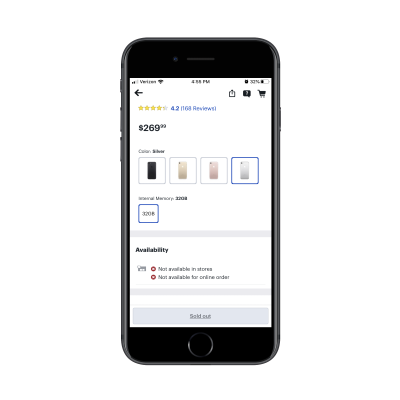
Instead of utilizing aggressive, high-pressure tactics, designers should focus on providing clear, honest information about product availability. The goal is to move from "Buy now or lose it forever!" to "This item is currently low in stock, so we recommend acting soon if you need it."
Best Buy provides an exemplary model for this. By explicitly stating in-store and online availability, they provide the user with the necessary data to make an informed choice. When a product is sold out, displaying that information clearly—rather than removing the listing entirely—can trigger a "positive" form of FOMO. As Paul Messinger, a researcher at the University of Alberta, notes, sold-out items create an "information cascade." If a consumer sees that a specific model is gone, they naturally infer that the product was desirable. This often encourages them to explore similar variations, effectively guiding their decision-making process without resorting to artificial stress.
Strategy 2: Curated Urgency with Content Expiration
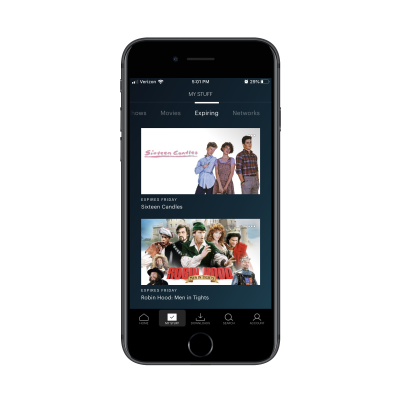
A sophisticated approach to ethical FOMO involves the "use it or lose it" model, applied to user-specific content. Hulu, for instance, features a dedicated "Expiring" tab for streaming content. For a user, this is not an anxiety-inducing trap; it is a helpful service that prevents them from missing out on shows they intended to watch.
This principle can be adapted for e-commerce or subscription services. If a user has a limited-time reward or a soon-to-expire discount, notifying them within the app interface is a proactive, helpful design choice. The key is to ensure the notification feels like a benefit to the user—a reminder of their perks—rather than a threat of loss.
Strategy 3: The Power of Member-Specific Rewards
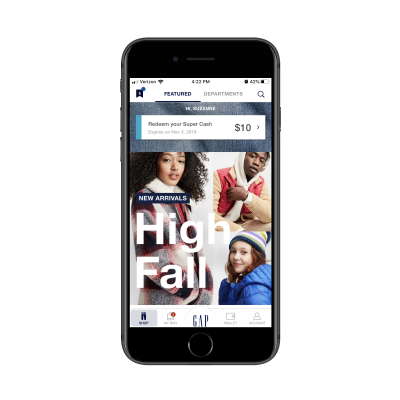
One of the most effective ways to leverage urgency ethically is to pivot the focus from "limited-time offers" to "earned rewards." Gap’s approach to this is industry-leading. By using a subtle, pulsing notification in the corner of their mobile interface, they inform logged-in users of their unspent rewards.
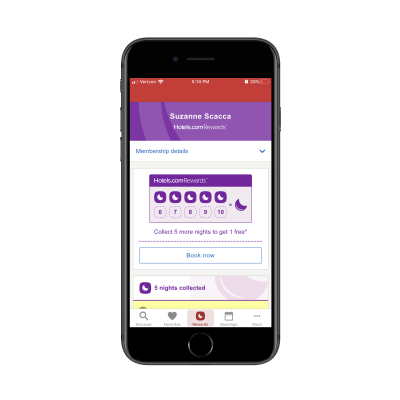
This strategy is effective because it targets the existing customer base—individuals who have already demonstrated loyalty. By reminding them of rewards they have already earned, the designer is not manufacturing scarcity; they are simply reminding the user of their own value. This transforms the FOMO trigger into a positive reinforcement loop that rewards customer retention rather than panic-driven acquisition.
Strategy 4: Leveraging Social Proof through User Agency
Perhaps the most powerful form of ethical FOMO is that which is generated organically by the user community. When a brand tells a customer "this is a top seller," it is a claim. When a friend shares a referral link or a photo of their own experience, it is an endorsement.
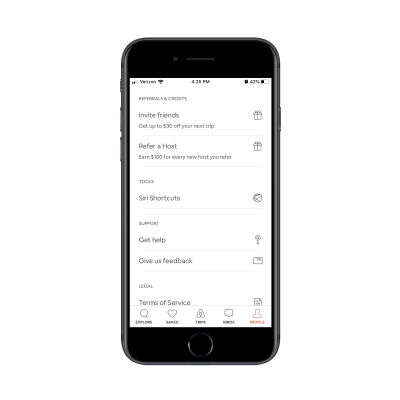
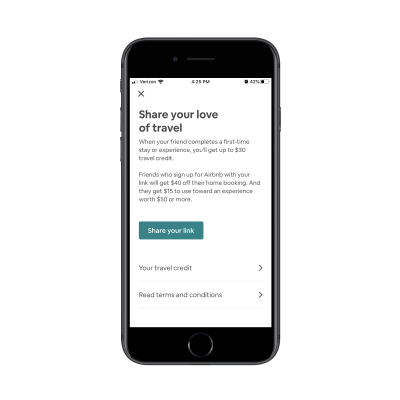
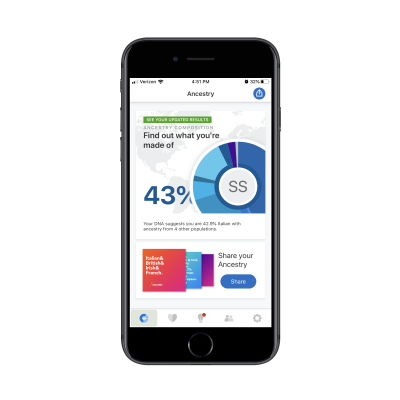
Airbnb’s referral program excels here. By incentivizing users to invite friends, they create a chain of trust. The recommendation comes from a trusted peer, not a corporate marketing department. Similarly, 23andMe allows users to auto-generate visually appealing, shareable content regarding their ancestry results. When these posts hit social media, they generate a genuine, organic desire among the user’s peers to participate. This form of "social FOMO" is far more powerful and sustainable than any countdown timer, as it is rooted in authentic personal experience.
The Role of Authenticity in Visual Design
Beyond the mechanics of the interface, the visual language of a site plays a crucial role in how FOMO is perceived. In the age of "Instagrammable" lives and influencer culture, consumers are becoming increasingly skeptical of polished, hyper-luxurious imagery.
The Fyre Festival disaster served as a cautionary tale of what happens when the "image" of an experience is detached from reality. Conversely, brands like Sephora have found success by grounding their marketing in user-generated content. Through their "Inspire" gallery, they allow real customers to showcase products in everyday settings. This transparency creates a relatable, attainable form of aspiration, which is far more effective at building long-term loyalty than the unattainable lifestyles often sold by influencers.
The Inner Circle, an exclusive dating app, further demonstrates that even luxury brands can benefit from accessible design. Their marketing imagery features scenes of people in parks or local bars, rather than staged, over-the-top displays of wealth. By presenting a realistic, human-centric vision, they make the community feel attainable and authentic, which ironically makes the idea of joining more compelling.
Implications for Future Development
As we look toward the future of web and app design, the takeaway for designers is clear: transparency is the new scarcity. The websites and apps that will win in the coming decade are those that treat their users with respect, providing them with the information they need to make choices that they will not regret.
Deceptive FOMO tactics might provide a short-term boost in conversion rates, but they incur a heavy "trust tax" that is paid in long-term customer attrition. Ethical design, by contrast, is a long-term investment. By using scarcity as a tool for helpfulness—reminding users of rewards, highlighting genuine stock levels, and facilitating authentic social sharing—designers can build digital experiences that are not only effective but also deeply valued by the people who use them.
In summary, the transition to ethical FOMO is not just a moral imperative; it is a strategic necessity. By aligning marketing goals with the user’s desire for convenience, authenticity, and social connection, brands can create a lasting, loyal relationship with their consumers. As the digital ecosystem matures, the focus must shift from "getting the click" to "keeping the customer," ensuring that every interaction on a website or app leaves the user feeling empowered, not exploited.