For years, the marketing department was governed by a strict division of labor. Public Relations focused on brand awareness, media relations, and shaping the public narrative through earned media. Search Engine Optimization (SEO) focused on the mechanics of ranking: technical site health, keyword density, and link acquisition.

While these disciplines were neighbors in the marketing org chart, they rarely spoke the same language. That era is over.
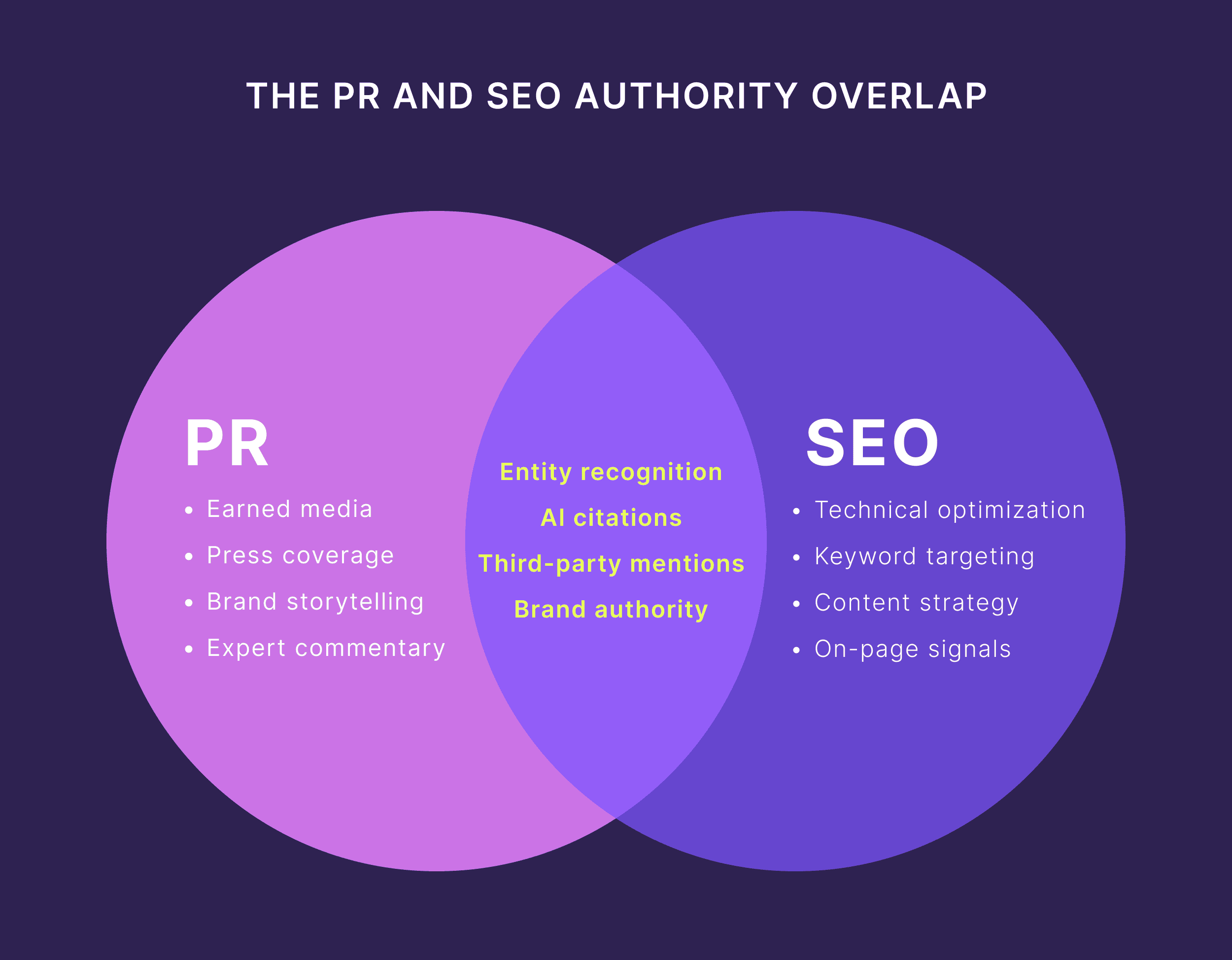
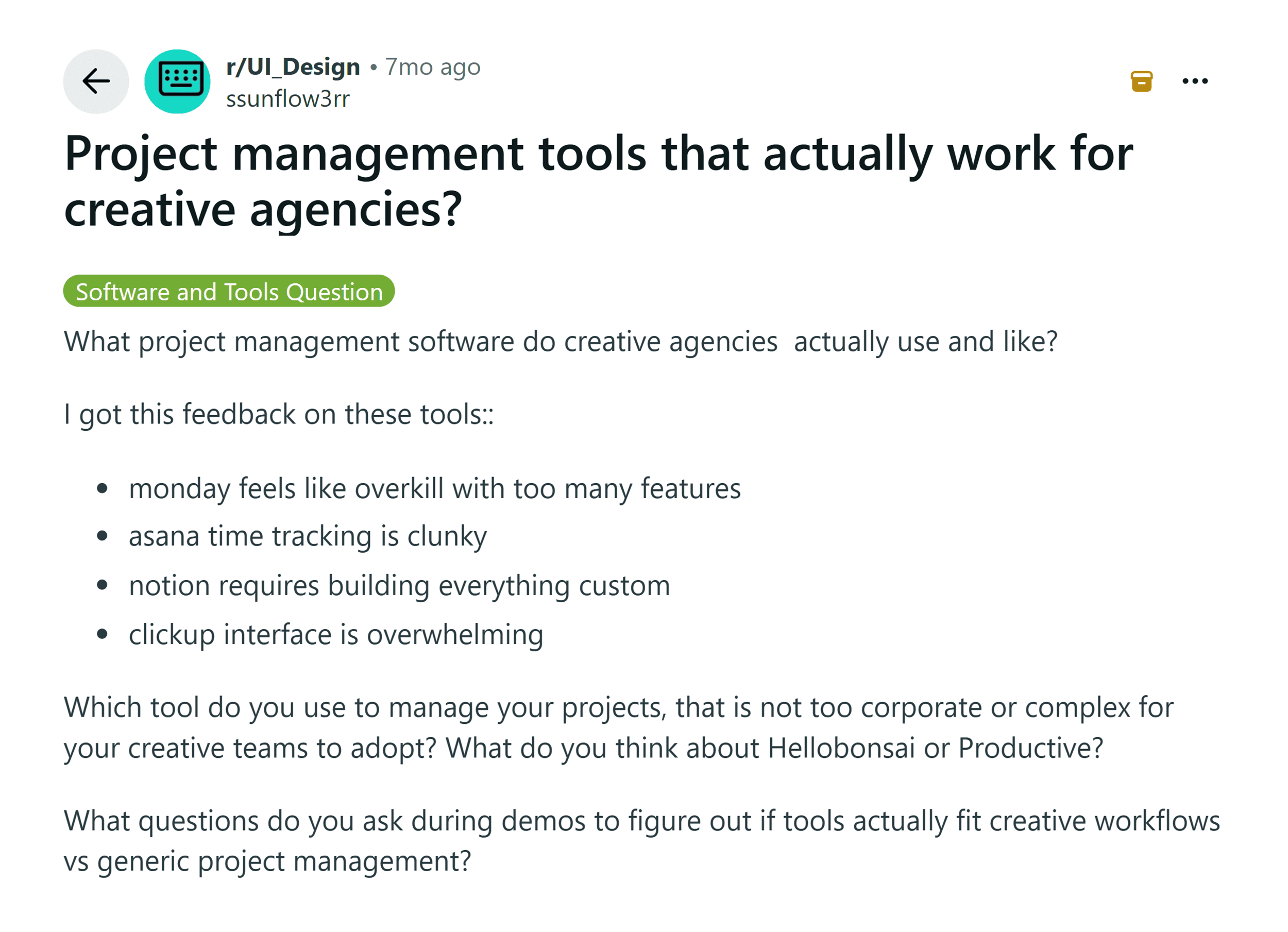
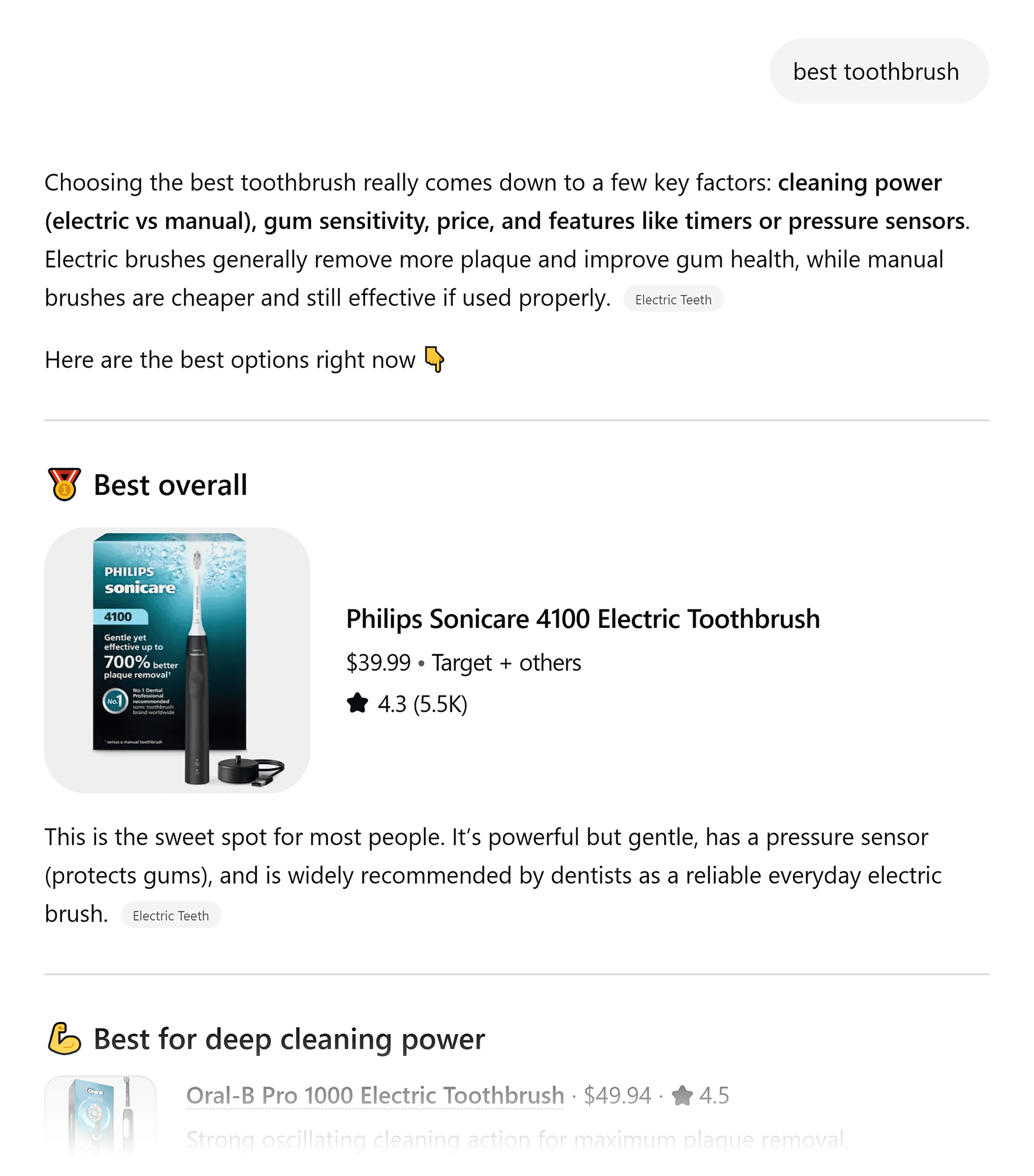
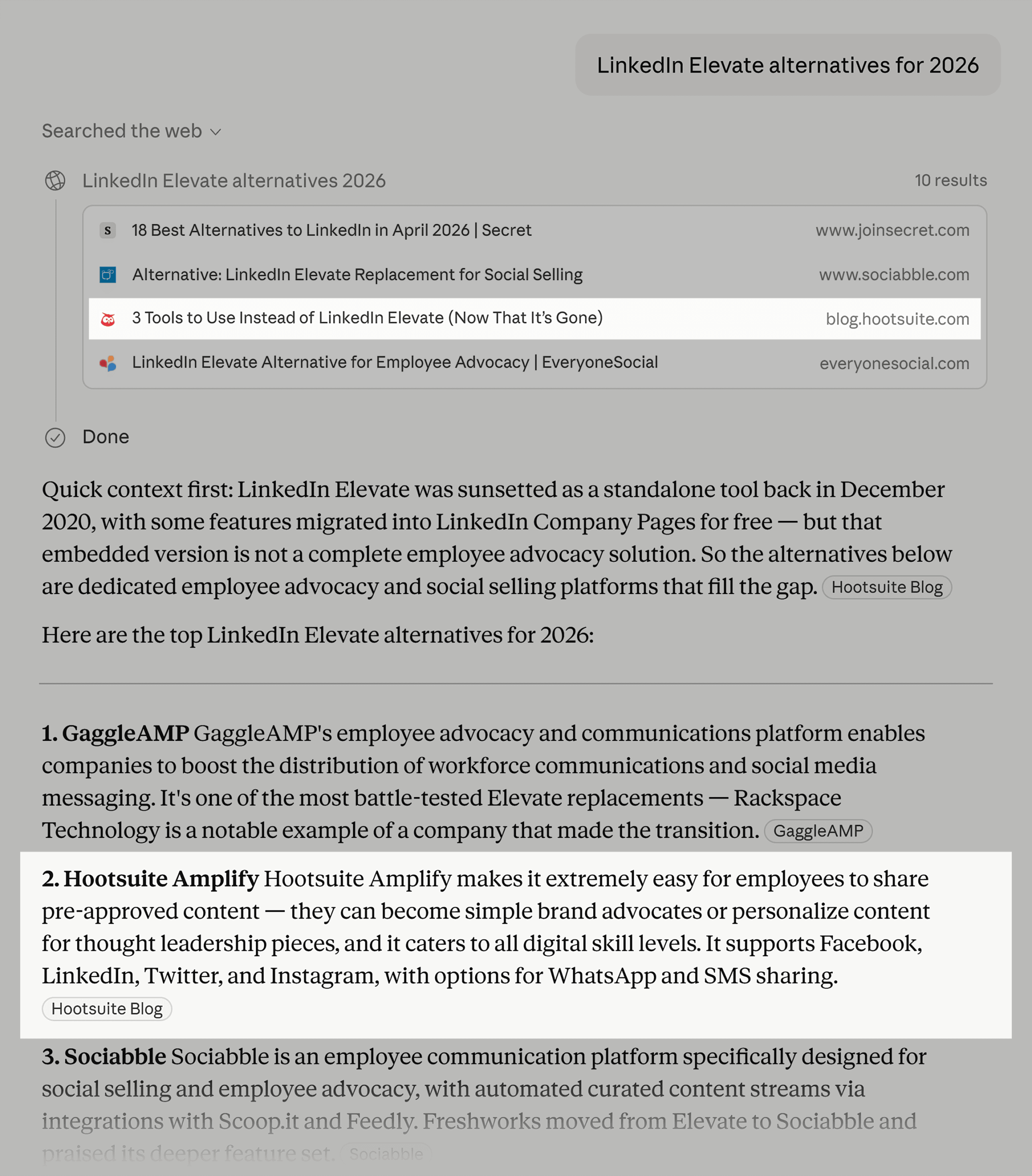
In the age of Google’s Search Generative Experience (SGE) and the rise of Large Language Models (LLMs) like Claude, ChatGPT, and Gemini, the criteria for digital visibility have shifted. Today, Google and LLMs rely on a complex web of "third-party signals"—backlinks, brand mentions, expert commentary, and coverage in trusted publications—to determine which brands deserve to be featured as an authority.
Both PR and SEO teams are responsible for generating these signals, yet most organizations still operate in silos. This fragmentation leaves significant authority on the table. When teams treat PR merely as a link-building tactic for SEO, they miss the broader opportunity to build a cohesive digital footprint. True authority is forged when these teams operate as a single, unified engine.
The Evolution of Authority: A Chronology of Convergence
The shift toward a unified approach is not a trend; it is a response to the way information is now indexed and consumed.
- Pre-2020: The Silo Era. PR focused on "brand equity" and reach; SEO focused on "algorithmic ranking." The two rarely crossed paths, except when a PR team was asked to include a "dofollow" link in a press release—a request that often caused friction with editors.
- 2020–2023: The Rise of E-E-A-T. Google’s emphasis on Experience, Expertise, Authoritativeness, and Trust (E-E-A-T) forced SEOs to look outward. Suddenly, technical optimization wasn’t enough; you needed the external validation of being cited by industry authorities.
- 2024–Present: The AI Citation Era. With the integration of LLMs into search, the value of a "mention" has transcended simple click-through rates. AI models now "read" the web to synthesize answers. If a brand isn’t being cited as an authority in third-party media, it is invisible to the next generation of search.
Step 1: Aligning Research Intelligence
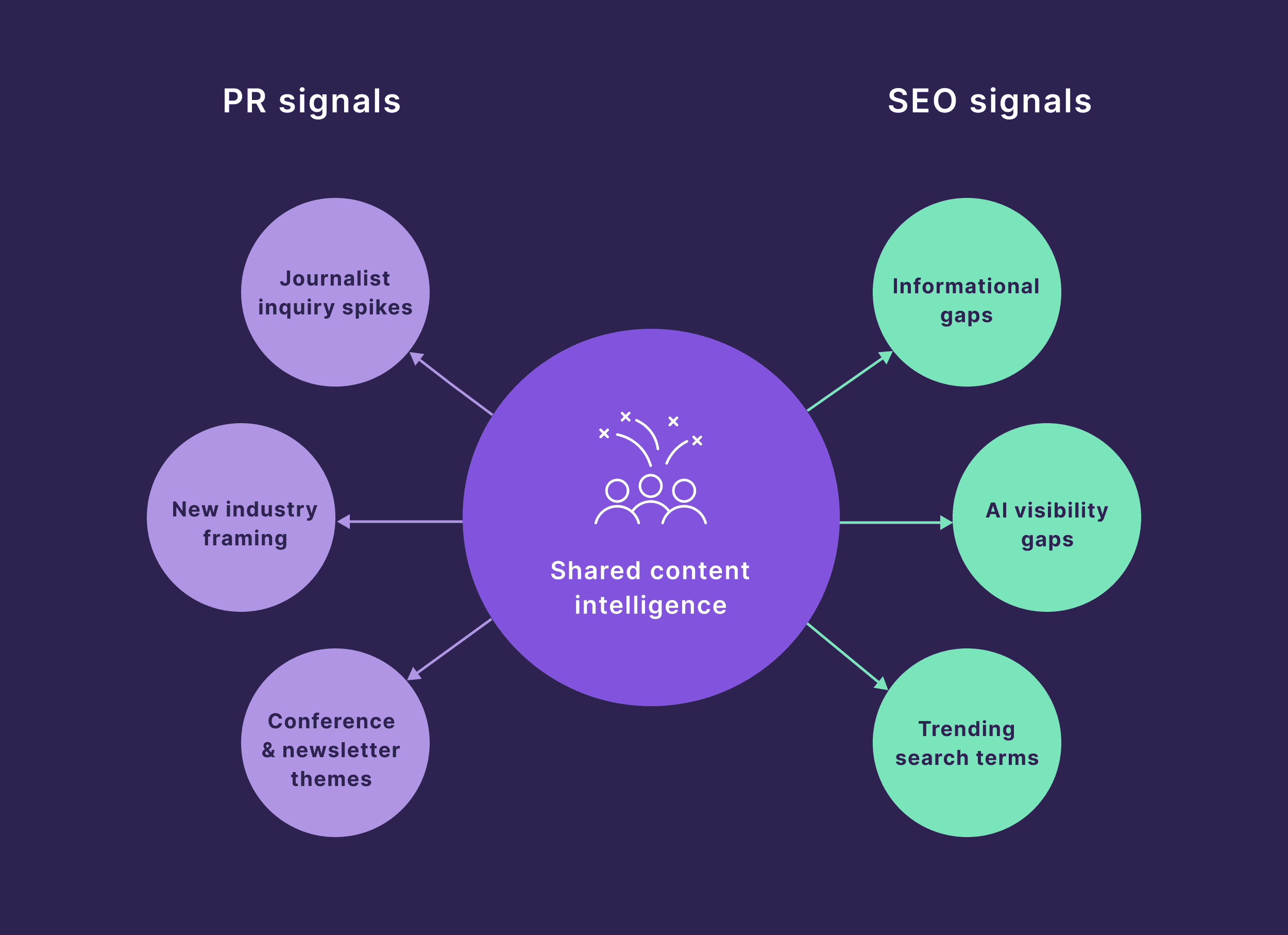
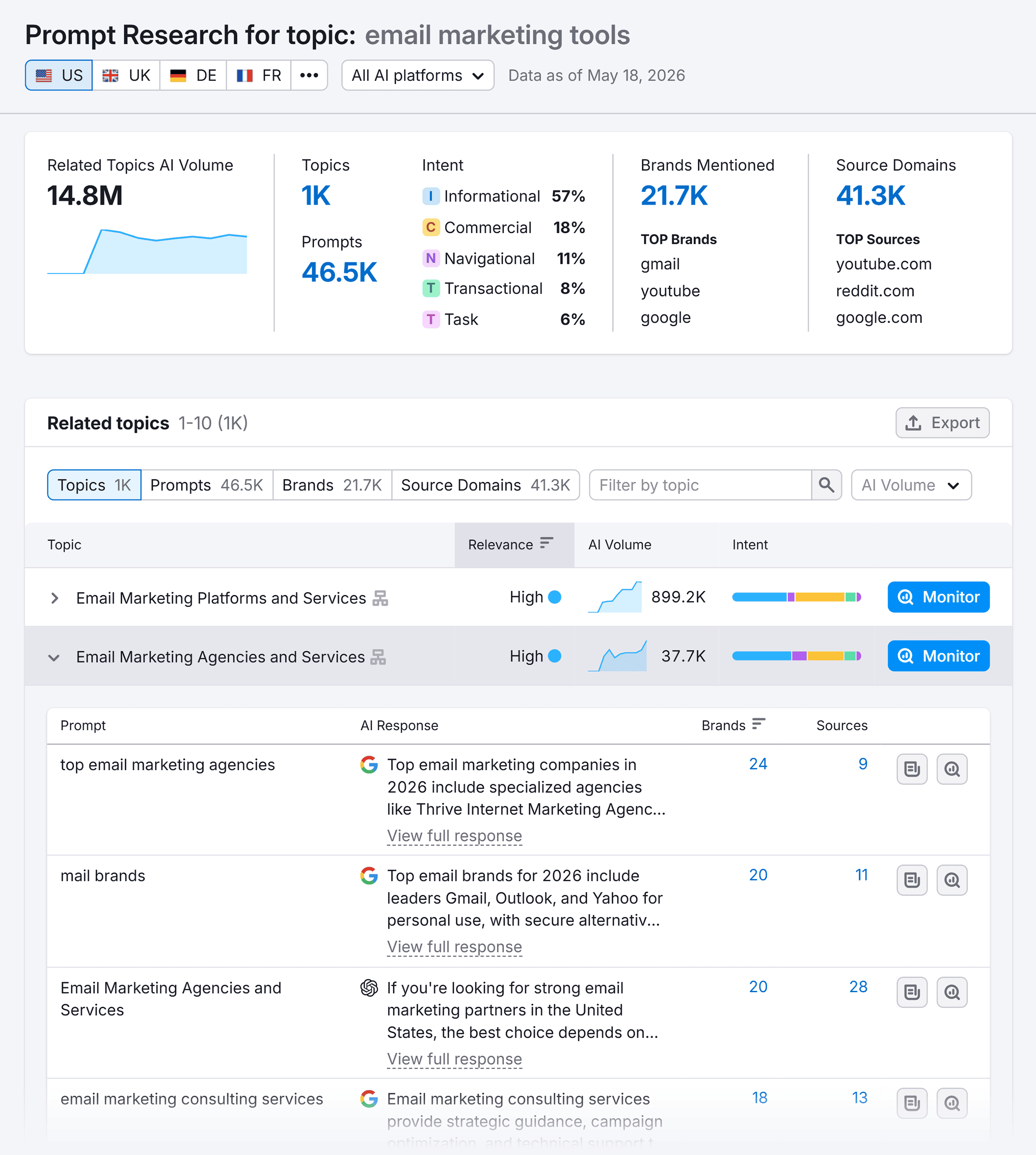
An always-on partnership begins with shared intelligence. Without it, companies suffer from "predictable gaps"—PR teams pitch stories that have no search demand, while SEO teams create content that lacks the human interest or controversy needed to secure media placement.
Using PR Insights to Identify Emerging Opportunities
The most successful brands identify "authority wins" by sharing data at the ideation stage. PR teams often see the future before the search data confirms it. By tracking a sudden spike in journalist inquiries, new industry jargon, or recurring themes at major conferences, PR can tip off SEO teams to create content before the search volume manifests.
Britt Klontz, founder of Vada Communications, notes that the strongest results occur when these teams co-ideate. "When PR and SEO align at the start, you aren’t just creating content; you’re creating a market narrative," Klontz explains.
Leveraging SEO Data for Editorial Angles
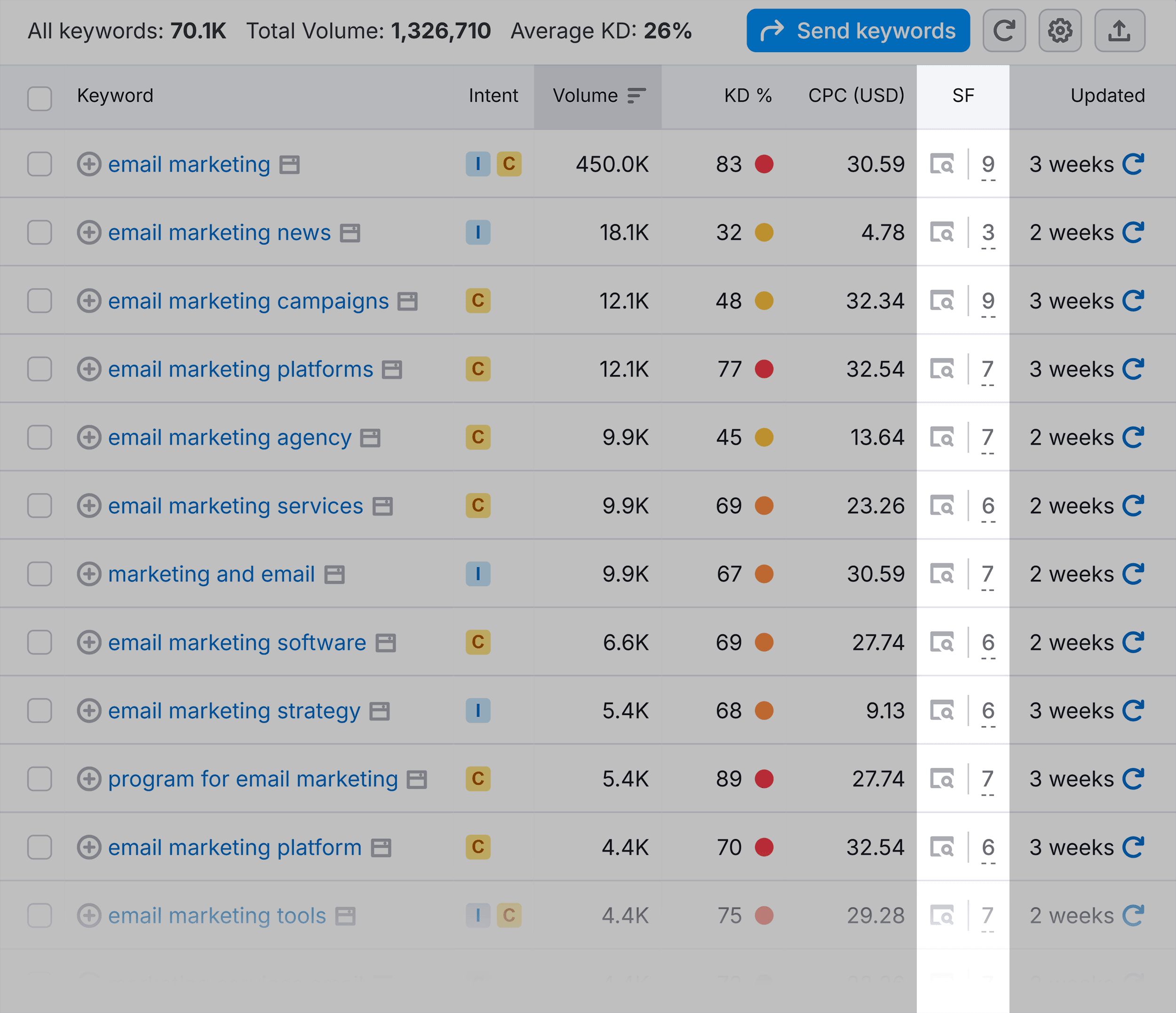
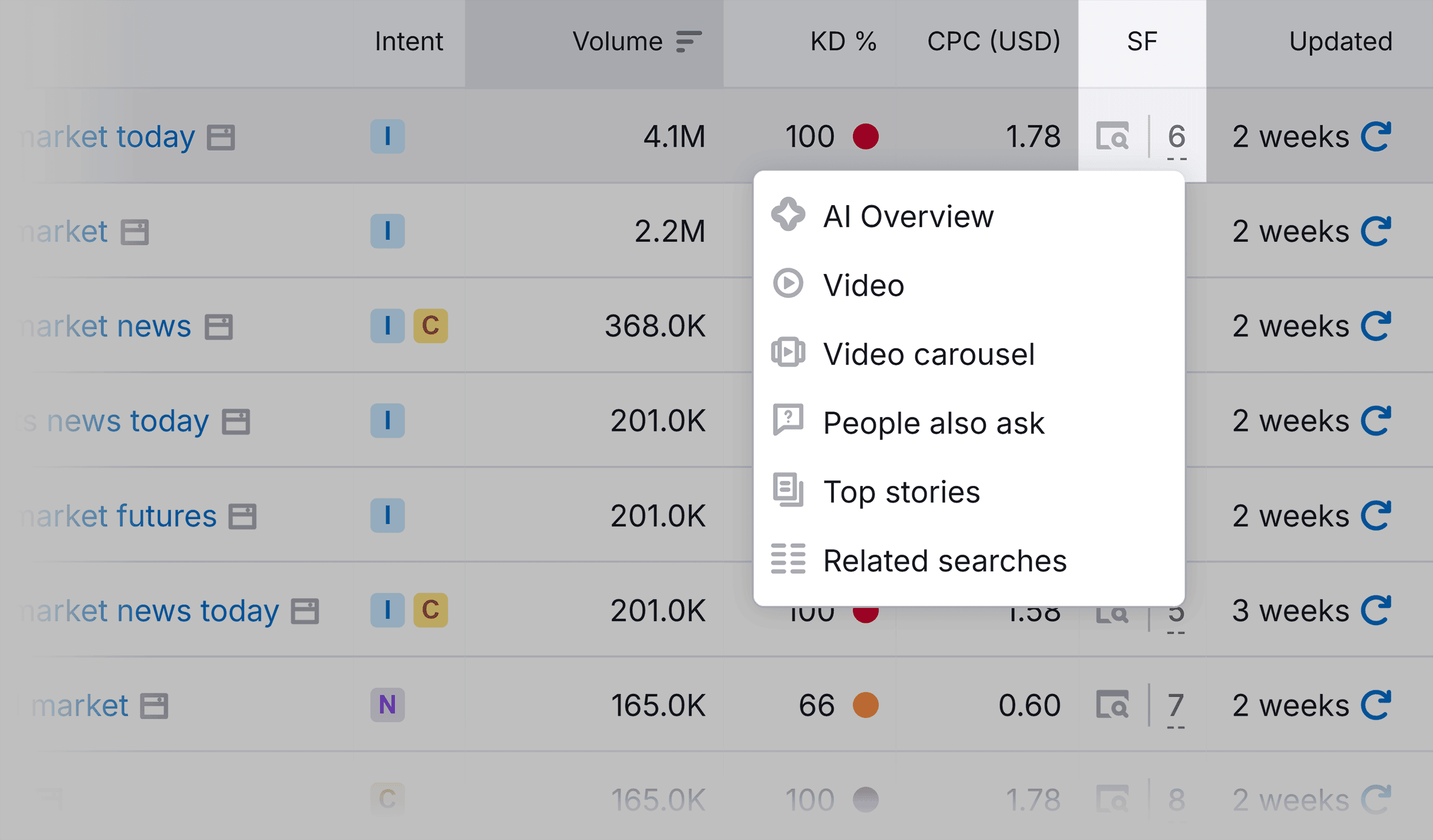
SEO is not just about rankings; it is a massive data set of what the world wants to know. Keyword research should be the backbone of any PR strategy. By analyzing SERP features, SEO teams can tell PR which topics are currently dominating "Top Stories" or "Featured Snippets," allowing PR to pitch experts who can speak to those specific queries.
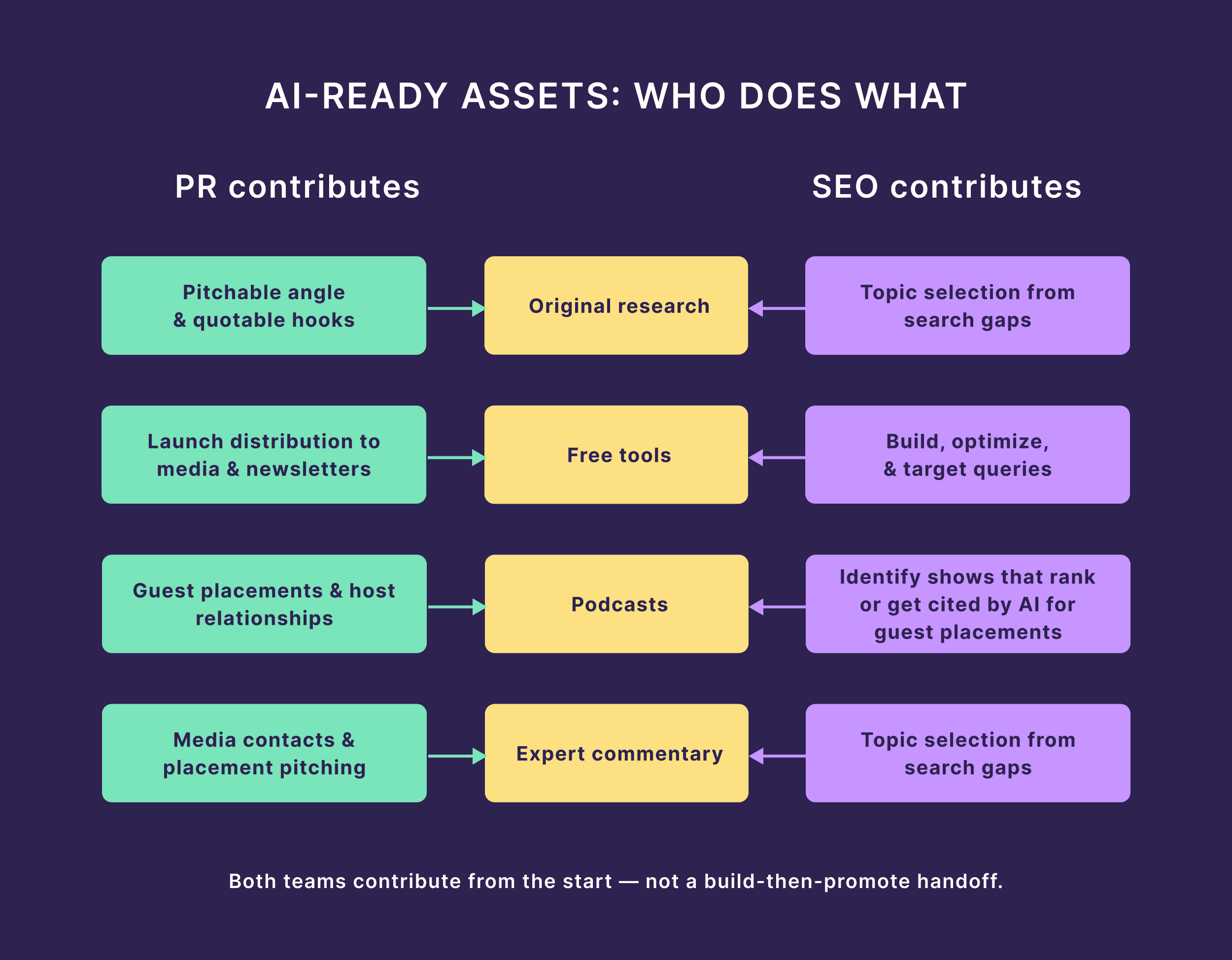
Step 2: Co-building AI-Ready Assets
An "AI-ready" asset is designed to be parsed, cited, and trusted by machine learning models. This is increasingly referred to as Answer Engine Optimization (AEO).
Original Research and Proprietary Data
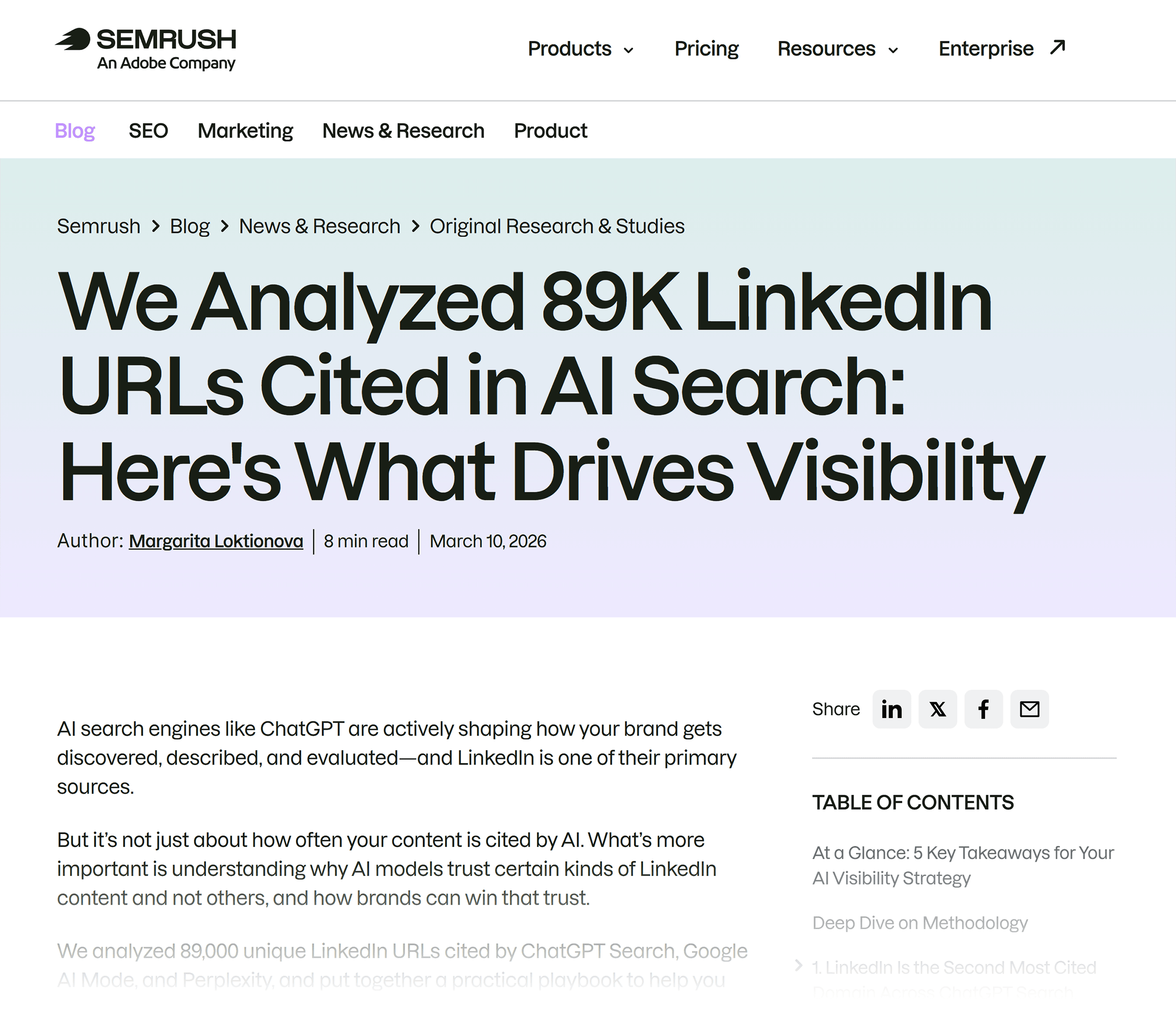
Original data remains the gold standard for earning backlinks. However, in the age of LLMs, it also serves as the foundational "truth" that AI models use to build their responses.
- The Workflow: SEO identifies the content gap based on search demand. PR validates whether the angle is pitchable and crafts the findings into a "hook" that journalists will want to cite.
- The Structure: The content must be hosted on a crawlable, non-gated landing page, featuring front-loaded statistics and branded visuals that are easy for AI systems to extract.
The Power of Free Tools
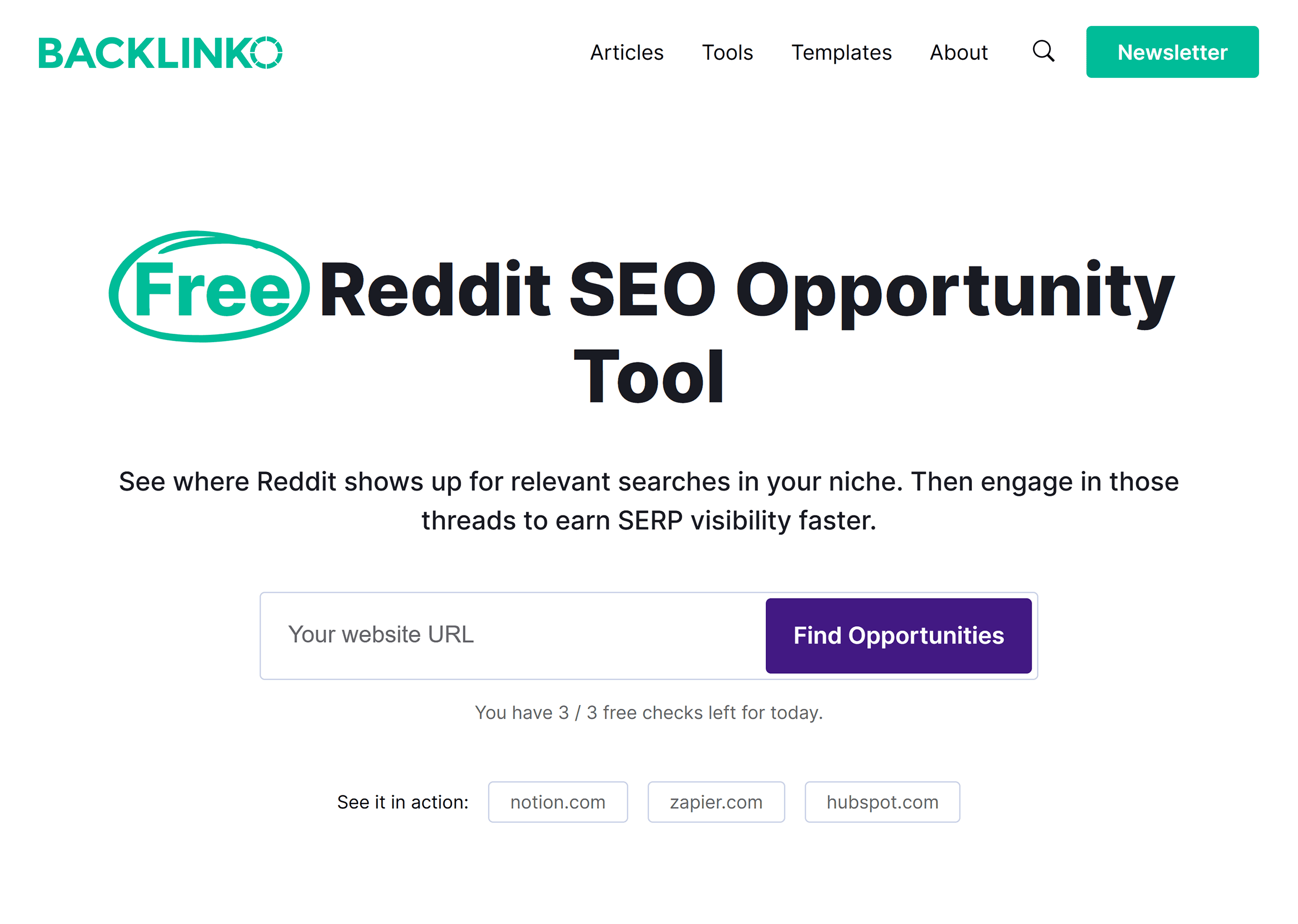
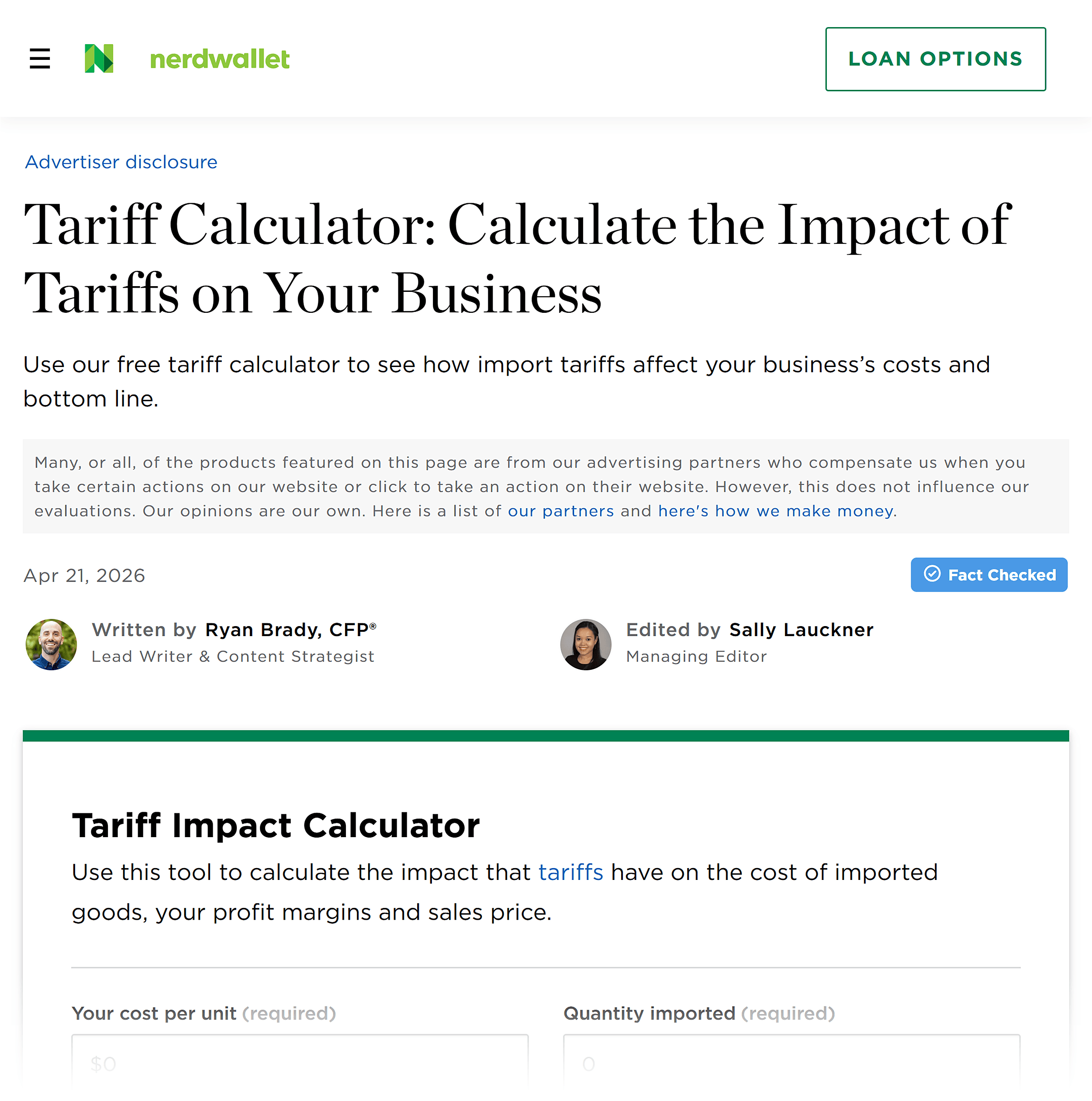
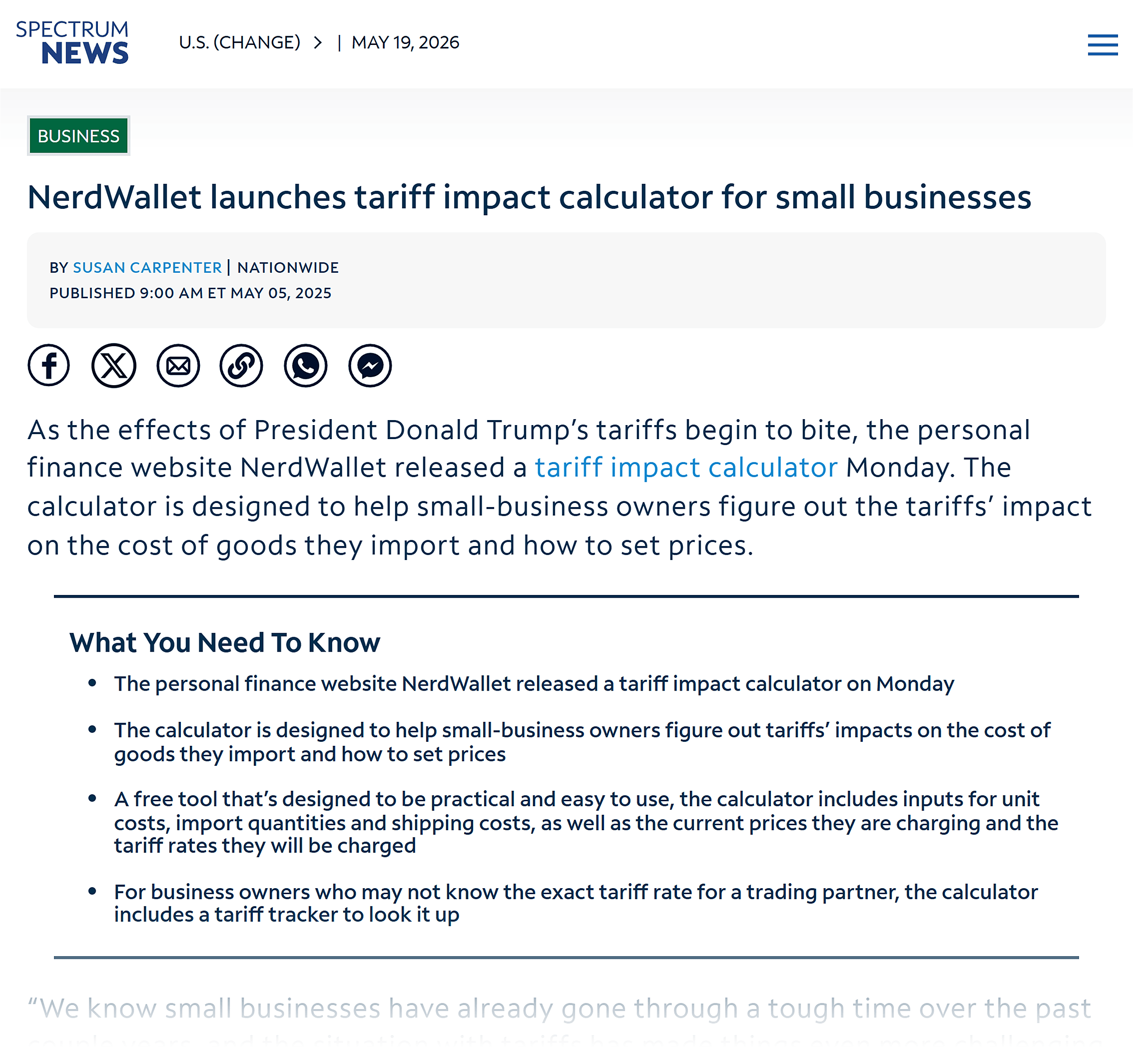
Calculators, templates, and interactive tools solve specific pain points. SEO can build the architecture, but PR must provide the "hook." As NerdWallet demonstrated with its tariff calculator, these tools earn massive media coverage when they launch exactly when the public is searching for answers to a complex economic issue.
Step 3: Co-building a Third-Party Presence
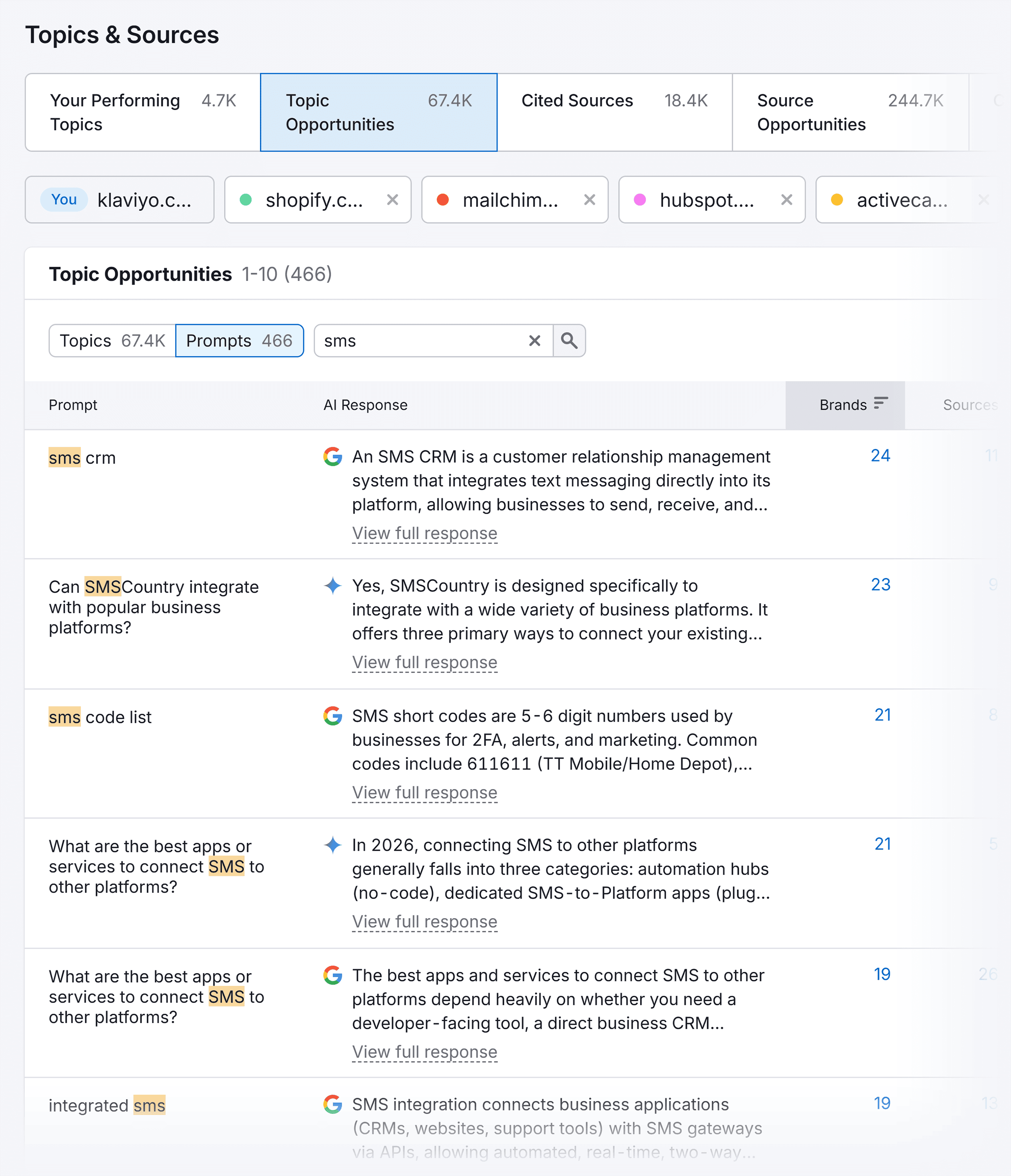
According to data from AirOps, brands are 6.5 times more likely to appear in AI answers through third-party signals than through their own website content. This makes third-party credibility the primary lever for modern authority.
Expert Commentary and Trust Signals
When a brand’s Subject Matter Experts (SMEs) are quoted consistently across trusted publications, the AI "learns" to associate that person and brand with that specific industry. The goal is to provide specific, data-backed quotes that AI can extract and serve as a direct answer.
The Role of Review Sites and Wikipedia
Review sites (G2, Trustpilot) and Wikipedia are among the most trusted sources for LLMs because they offer neutral, third-party assessments. PR teams must prioritize getting their brand listed and maintained on these platforms, while SEO monitors the accuracy of the entities described within them.
Step 4: Unifying the Outreach Strategy
If PR and SEO teams are pitching the same sources without coordination, the brand loses credibility. The solution is a shared Target Source List.
- The Spreadsheet: Create a shared document with three columns: Target Source, Primary Owner (PR vs. SEO), and Last Contacted.
- The Priority: Any source that shows up in both SEO’s "High Authority" list and PR’s "Influential Media" list should be treated as a tier-one target.
- Split by Strengths: SEO should own structured, technical outreach (broken link building, inclusion in listicles). PR should own high-touch, relationship-based outreach (expert interviews, award submissions, analyst briefings).
Step 5: Measuring Success Through a Shared Lens
Metrics should not be about vanity; they should be about momentum. Both teams should evaluate assets against a shared set of questions:
- Did we reach our target audience?
- Did this content earn a citation from a trusted third party?
- Did it move the needle on our brand’s authority in the AI index?
Tracking the "Share of Voice"
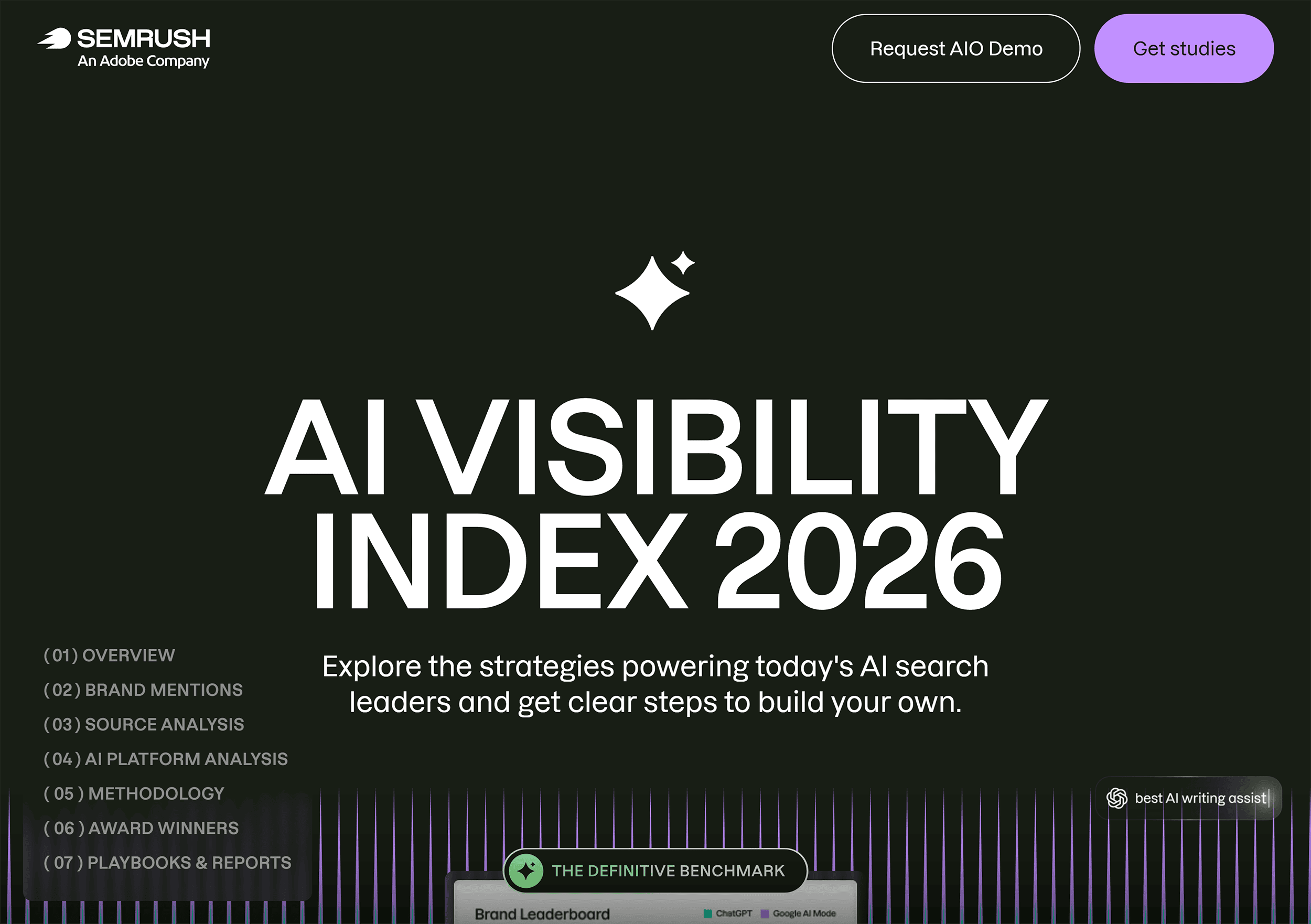
In the modern landscape, Share of Voice (SOV) is the ultimate metric. Using tools like the AI Visibility Toolkit, brands can track how often they are mentioned in AI systems compared to their competitors. When your authority score and AI mentions climb simultaneously, you have proof that your integrated strategy is working.
Branded Search as the Ultimate Validation
As AI search reduces click-through rates, the volume of branded search queries—people searching for your company by name—becomes the clearest indicator of brand health. Spikes in branded search following a PR campaign, paired with an increase in organic traffic, provide the definitive "before-and-after" evidence of a successful integrated authority strategy.
Conclusion: The Path Forward
The separation of PR and SEO is a relic of an era where "ranking" and "reputation" were considered different goals. In the AI-driven future, they are the same goal. By aligning research, co-building assets, and unifying outreach, brands can transform their marketing efforts into an always-on authority engine.
You do not need to overhaul your entire department overnight. Start by sharing a single Slack channel, merging your target source lists, and setting a recurring meeting to align on the next quarter’s narratives. Authority is not built through isolated tactics; it is built through the consistent, integrated signal of a brand that the world—and the machines—trust.