In the modern digital landscape, the "pop-up" has become a ubiquitous, albeit polarizing, staple of eCommerce. From fashion retailers to electronics storefronts, websites are increasingly cluttered with modal windows demanding attention, email addresses, and subscription commitments—often before a visitor has even glimpsed a product. While these aggressive tactics are frequently deployed to satisfy immediate Key Performance Indicators (KPIs), a growing body of evidence suggests that they are fundamentally undermining the customer experience and, ultimately, the long-term profitability of the brands that rely on them.
The Anatomy of an Interruption
Good interface design is built on the premise of providing the right information at the right moment. It is a philosophy of flow and facilitation. However, the standard newsletter pop-up operates on the exact opposite principle: disruption.
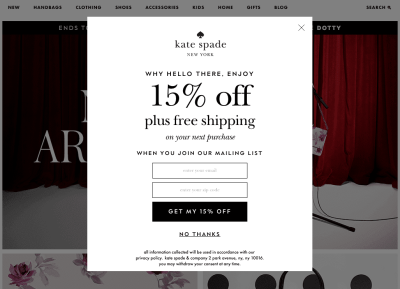
Imagine landing on an eCommerce site for the first time. You are seeking information—perhaps evaluating prices, materials, or shipping policies. Before you have even oriented yourself to the page layout, a vibrant, full-screen overlay descends, demanding your email address in exchange for a discount code or a "membership" to a newsletter.
For the user, this is not an invitation; it is a hurdle. It is a cognitive interruption that forces them to divert their attention from their original goal—shopping—to the task of dismissing an unwanted window. This instinctive, often annoyed, dismissal of the pop-up happens before the user has even processed the value proposition. When the interface design forces a user to stop what they are doing, it is rarely perceived as helpful. In the eyes of the consumer, the brand has shifted from a service provider to a digital solicitor.
The Myth of the Metric: A Case Study in False Growth
The reliance on aggressive pop-ups is rarely a failure of intent; it is usually a failure of measurement. Companies often set aggressive KPIs for lead generation, incentivizing marketing teams to prioritize the quantity of sign-ups over the quality of the relationship.
A notable case study involves a major eCommerce retailer that spent weeks obsessively A/B testing the copy, color, and placement of their lead-generation modals. By the end of the optimization cycle, the pop-up was so dominant that it occupied the majority of the screen. Predictably, the data showed a massive spike in sign-ups. The internal dashboards were glowing with green arrows, and the team celebrated the "success" of their lead generation strategy.
However, a few weeks later, the management team uncovered a stark reality: while the email list had grown significantly, revenue remained stagnant. The investigation revealed that the influx of new leads was composed of low-value, noisy data. It was a mixture of disposable burner emails, non-existent aliases, and accidental entries.
Because the pop-up was triggered on every page, it served as a friction point that actively drove away legitimate, high-intent customers who were simply tired of the noise. The company was not generating "leads"—they were generating digital litter. These contacts had near-zero engagement, high bounce rates, and were frequently flagged by email service providers as spam, which damaged the company’s overall domain reputation. The very mechanism designed to increase revenue was effectively acting as a deterrent to the high-value, long-term customer base the brand actually needed.
The Psychology of Disruption and User Retention
To understand why these aggressive tactics fail, one must look at the psychology of the user journey. Research from organizations like the Nielsen Norman Group has consistently highlighted that users are inherently reluctant to respond positively to unsolicited promotional messages that break their current workflow.
When a user is in "task mode," any secondary interaction is treated as an annoyance. If a user is comparing product specifications, a pop-up is not a helpful tip—it is a roadblock. When the user is forced to click an "X" or a "No thanks" button to proceed, their perception of the brand’s professionalism diminishes. This "urgency" to convert a user rarely translates to a positive emotional connection with the brand.
Trust is the currency of the digital economy. Forging a relationship requires a patient, humble approach. When a brand respects a user’s time and autonomy, the user is significantly more likely to reciprocate that respect by engaging with the content or subscribing to the newsletter voluntarily.
Strategic Alternatives: Designing for Engagement
If the traditional, disruptive pop-up is inherently flawed, what should replace it? The answer lies in contextual, non-intrusive design patterns that align with the user’s natural journey.
1. Contextual Integration
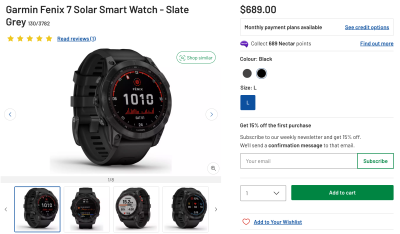
Instead of forcing a pop-up, brands can integrate newsletter signup opportunities into the natural flow of the page. This might involve placing a subtle, well-designed subscription box directly next to product pricing or delivery information. By placing the call to action where the user is already looking for value, the brand aligns the invitation with the user’s intent.
2. Collapsible Non-Modal Dialogs
When a brand does need to present a larger piece of information, a non-modal, collapsible container is often a superior choice. Unlike a modal, which requires the user to interact with it to move forward, a non-modal container allows the user to finish their current task while keeping the offer visible in the periphery.
3. Trigger-Based Engagement
Timing is the most critical element of conversion. Rather than triggering a sign-up request upon page load, businesses should look for "high-intent" signals. For example, a user who has visited three different product pages or has spent more than two minutes reading a detailed description is clearly engaged. This is the moment to present an invitation—not as a command, but as a value-add.
The Path Forward: Quality Over Quantity
The shift from a "quantity-at-all-costs" mindset to a "quality-focused" strategy is essential for sustainable growth. When the aforementioned eCommerce retailer removed their intrusive pop-ups and replaced them with subtle, contextual messaging, the results were transformative.
While the raw number of new sign-ups dropped, the quality of the list skyrocketed. Open rates improved, click-through rates became more meaningful, and the bounce rate plummeted. More importantly, the brand began to cultivate a group of genuinely interested, excited customers who trusted the company. The long-term revenue growth was not driven by mass-harvested, disposable emails, but by a loyal, recurring customer base that had developed a genuine rapport with the brand.
Implications for Modern Design
The digital design industry is at a crossroads. As users become more ad-blind and increasingly adept at ignoring or blocking disruptive elements, the "loudest" designs are becoming the least effective.
For UX designers, developers, and stakeholders, the implications are clear:
- Prioritize the User Journey: Every interface element must serve the user’s objective before it serves the business’s objective.
- Measure Engagement, Not Just Acquisition: A lead is only as good as the revenue and loyalty it generates. Metrics should focus on retention, conversion, and list health rather than simple sign-up volume.
- Respect the Flow: Design for the user’s current task. If an invitation interrupts that task, it is almost certainly a negative experience.
- Test and Iterate: What works for one demographic may fail for another. Continuous, humble experimentation—rather than static, intrusive defaults—is the only way to find the balance between business needs and user experience.
In conclusion, the era of the aggressive, disruptive pop-up is waning. Companies that insist on prioritizing short-term, low-quality lead generation will eventually find themselves facing diminished returns and damaged brand perception. The future belongs to those who view their interfaces as a conversation rather than a confrontation—a space where respect for the user’s time and attention is the most effective conversion tool of all.

By shifting the focus from "getting the email" to "earning the trust," businesses can foster the kind of authentic relationships that drive lasting, profitable growth in an increasingly crowded and competitive marketplace. True success in digital interface design is not found in the loudness of the prompt, but in the relevance and the grace of the encounter.