In an era where the digital landscape is shifting under the pressure of artificial intelligence and the dominance of closed-source SaaS (Software as a Service) platforms, WooCommerce stands as a critical pillar of the open-source web. As the platform powers a significant portion of the internet’s e-commerce activity, its trajectory offers a glimpse into the future of online retail.
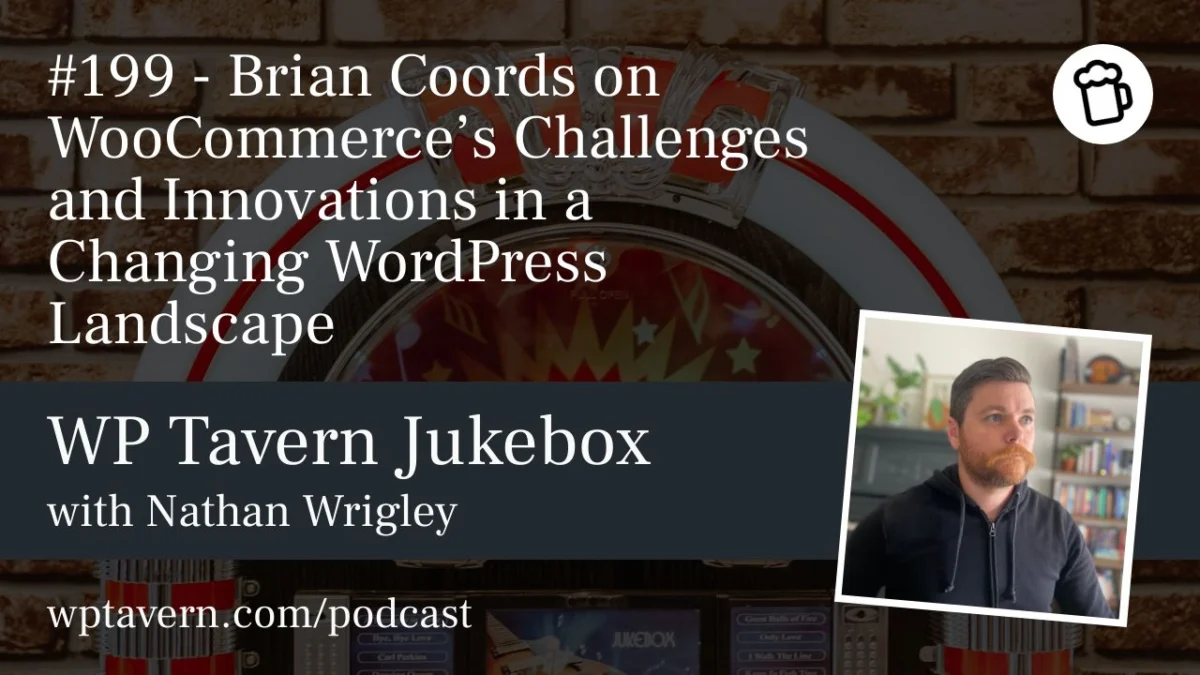
To understand where WooCommerce is heading, WP Tavern’s Jukebox podcast recently hosted Brian Coords, a Developer Advocate at WooCommerce and a veteran of the WordPress agency world. His insights reveal a platform in transition—one that is balancing its foundational roots with the need for rapid, modern innovation.
Main Facts: The Role of a Developer Advocate
At the heart of the WooCommerce ecosystem is a complex web of stakeholders: internal engineers, agency partners, third-party plugin developers, and millions of store owners. Brian Coords serves as the bridge between these groups. His role as a Developer Advocate involves more than just communication; it is a tactical position focused on ensuring that when the WooCommerce core undergoes changes—which occur on a five-week release cycle—the broader developer community is equipped to adapt.
“We’re there to help developers inside the company know what developers outside the company are doing, and vice versa,” Coords explained. Whether it is managing documentation, hosting office hours in the community Slack, or overseeing technical release notes, the team ensures that the "Wild West" of open-source development remains navigable and productive.
A Chronology of Growth and Realignment
The story of WooCommerce over the last decade is inextricably linked to the broader evolution of WordPress. Coords, who joined Automattic roughly a year ago, brings a unique perspective gained from ten years in the agency trenches. He witnessed the transition from the early days of basic page builders to the current dominance of the block editor.
The Shift to Centralization
Since joining Automattic, Coords has observed a significant internal shift. The company has moved toward centralizing resources, aiming to align WooCommerce more closely with WordPress Core. This shift has eliminated redundancies—such as having multiple plugins performing similar functions—and fostered greater collaboration between different departments, including the teams working on WordPress.com, VIP, and Core. This strategic realignment is intended to ensure that WooCommerce leverages the same foundational tools as the rest of the WordPress ecosystem, rather than operating in an isolated silo.
The Rebrand
Roughly 18 months ago, WooCommerce underwent a massive visual and strategic rebrand. While the logo and color palette changes were the most visible markers, the underlying goal was more ambitious: to move the brand beyond being viewed as "just a plugin" to being recognized as a robust, enterprise-grade e-commerce solution. This rebrand signaled that WooCommerce was ready to compete head-to-head with SaaS giants like Shopify and BigCommerce.
Supporting Data: The Global Reach
The scale of WooCommerce is difficult to overstate. It powers roughly 8% of the entire internet, yet its reach is far more complex than a standard SaaS provider.
- Geographic Diversity: Because e-commerce relies on localized payment gateways, tax regulations, and shipping logistics, WooCommerce’s global footprint is vast. Coords noted that the platform often supports local banking and payment providers that global SaaS platforms might overlook.
- The "Iceberg" Effect: While there is a vocal community of developers and agencies, Coords estimates that roughly 90% of the WooCommerce user base exists outside of the "WordPress content bubble." These are merchants who are simply running their businesses, often without deep ties to the open-source community, presenting a challenge for marketing and engagement.
- Community Engagement: The WooCommerce Community Slack now boasts over 30,000 members, serving as a critical hub for feedback loops and real-time problem-solving.
Official Perspectives: Navigating the AI Tsunami
Perhaps the most pressing topic in the current tech landscape is the role of Artificial Intelligence. For Coords and the WooCommerce team, the approach is one of measured, long-term optimism.
The AI-Powered Store
One of the most exciting developments is the introduction of MCP (Model Context Protocol) servers in beta. This technology allows AI models like ChatGPT or Claude to securely "log in" to a WooCommerce store to perform administrative tasks.
“I’ve been setting up demo stores where I tell the AI, ‘Log in and make me 50 fake sweaters with nice descriptions,’ and it does it,” Coords shared. While he cautioned that this is currently in the experimental stage and not yet standard for live production environments, the implications for store management—such as automating product updates, SEO copywriting, and inventory adjustments—are profound.
The Future of Shopping
Beyond store management, Coords discussed how AI will change the "discovery" phase of shopping. As consumers increasingly turn to chat-based interfaces rather than traditional search engines to find products, WooCommerce is working to ensure that its stores remain visible and integrated within these new ecosystems. The goal is to ensure that even if a purchase happens through a conversational interface, the underlying transaction remains firmly within the merchant’s control.
Implications for the Open-Source Ecosystem
The tension between the convenience of SaaS and the autonomy of open source remains a defining characteristic of the WooCommerce mission.
The Trust Factor
For many merchants, the primary draw of WooCommerce is ownership. Unlike SaaS platforms, where a business is essentially renting space, a WooCommerce store owner owns their data, their platform, and their future. This autonomy, however, comes with the responsibility of managing the ecosystem. As Coords noted, the platform must remain "slow and steady" in its development to avoid the pitfalls of breaking existing setups.
The Challenge of Competition
Competing with companies that have "eye-watering" marketing budgets is a persistent reality for WooCommerce. While Shopify may dominate billboard space on the London Underground, WooCommerce relies on targeted, guerrilla-style marketing and high-value partnerships. The strategy focuses on reaching the specific demographics that benefit most from WooCommerce’s extreme customizability—a value proposition that static SaaS solutions often struggle to match.
A Look Toward 2026
As the industry moves toward 2026, the roadmap for WooCommerce is clear:
- Deep Integration with Gutenberg: By improving the block editor in WordPress Core, WooCommerce ensures that store owners have a more seamless, visual design experience.
- AI Efficiency: As AI tools become more reliable, they will move from experimental betas to essential store management features, potentially automating mundane tasks and allowing merchants to focus on unique product offerings.
- Community-Driven Development: The reliance on community pull requests and feedback loops will remain the project’s greatest strength, ensuring that the platform continues to evolve based on the actual needs of its users rather than top-down corporate mandates.
Conclusion
Brian Coords’ tenure as a Developer Advocate highlights a pivotal moment for WooCommerce. By bridging the gap between technical complexity and user-friendly innovation, the platform is not merely surviving in a landscape dominated by SaaS; it is defining a new standard for how open-source e-commerce can look, feel, and function.
As Coords aptly summarized, the future of WooCommerce isn’t just about competing with the giants; it’s about providing a flexible, powerful, and truly owned foundation for the next generation of online merchants. Whether through the integration of sophisticated AI agents or the continued refinement of the block editor, WooCommerce remains a testament to the idea that in the world of web development, there is significant power in going slow, staying open, and building for the long term.