
In the hyper-competitive landscape of modern e-commerce, the prevailing wisdom has long been dictated by the funnel. Brands obsess over conversion rates, cart abandonment sequences, and the relentless pursuit of the next sale. While these metrics are undeniably essential for survival, they are increasingly insufficient for long-term growth. As the cost of customer acquisition continues to climb and digital advertising becomes more saturated, the most successful businesses are shifting their focus from merely managing a "list" to cultivating a "community."
At the heart of this transformation lies the most underrated tool in the digital marketing stack: email. Far from being a relic of the early web, email remains one of the few channels where a brand can bypass algorithmic gatekeepers and occupy a subscriber’s undivided attention. When utilized with intent, it becomes the most powerful vehicle for building brand loyalty that transcends the simple exchange of currency for goods.
The Fundamental Shift: From List to Community
To understand the power of community, one must first distinguish it from a mailing list. A list is a static database—a collection of email addresses gathered through lead magnets or past purchases. A community, by contrast, is an ecosystem of individuals who feel a sense of belonging to a shared mission or identity.
The gap between these two concepts is not defined by technology, but by philosophy. Most e-commerce email programs are purely functional, serving as automated delivery systems for receipts, promotional offers, and "we miss you" re-engagement campaigns. While this infrastructure is necessary, relying solely on transactional communication creates a fragile relationship. If a brand only communicates when it wants to sell, it becomes a commodity. When a cheaper alternative appears, the subscriber leaves.
Conversely, brands that view the inbox as a relationship-first channel build a defensive moat. They prioritize value, narrative, and connection. They understand that while revenue is the byproduct, the relationship is the engine that makes that revenue repeatable and sustainable.
The Architecture of Insider Access
The most effective way to foster a community is to make subscribers feel like "insiders." This does not require the complexity of a formal loyalty program or a gated membership portal; rather, it requires a recalibration of how you communicate.
Transparency as a Value Proposition
Subscribers crave authenticity in an age of polished, AI-generated marketing. Instead of merely announcing a product launch, brands should pull back the curtain. Share the "why" behind the design. Discuss the iterations that failed, the manufacturing hurdles that were overcome, or the specific problem the product was engineered to solve. When you share the struggle of the process, you invite your audience to share in the victory of the final result.
The Power of Founder-Led Communication
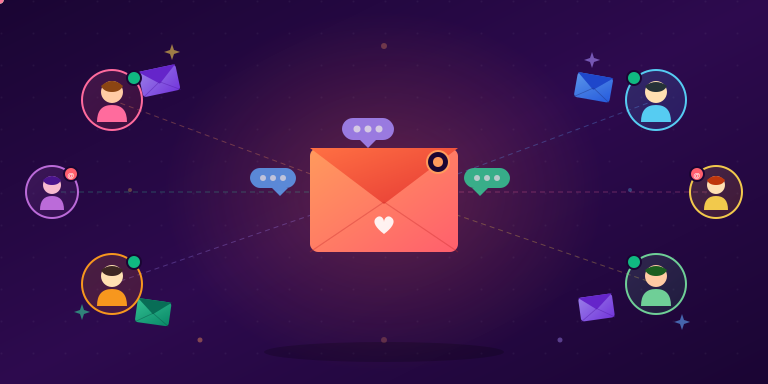
There is an inherent human desire to connect with the people behind a logo. Founder-led emails—characterized by a plain, personal tone, minimal formatting, and a conversational cadence—often outperform highly designed, corporate-style newsletters. This approach signals that the communication is coming from a person, not a department. It invites the subscriber into a dialogue, making them feel like a participant in the brand’s journey rather than just a target for a discount code.
The Art of the Two-Way Conversation
Traditional marketing is a monologue; community-building is a dialogue. Most brands treat their email platform as a megaphone, but the most successful entrepreneurs treat it as a telephone.
Asking the Right Questions
Engagement is a choice. If you want to build a community, you must make it easy—and rewarding—for people to reply. This doesn’t mean deploying complex, multi-page surveys that feel like administrative work. It means asking a single, thoughtful question at the end of an email: “What’s the biggest challenge you’re currently facing with [your niche]?” or “What product feature would make your life easier?”
The "Reply-Based" Strategy
The true test of a brand’s commitment to community is what happens after a subscriber replies. If a founder or a team member takes the time to provide a genuine, non-automated response, they transform a passive subscriber into a lifelong advocate. While this strategy may not scale perfectly to a list of 50,000, the impact on the first few hundred—or thousand—advocates is profound. These are the people who will write glowing reviews, defend the brand in public forums, and provide the most valuable feedback for future product development.
Identity, Voice, and the Cohesion of Community
Community coheres around identity. A brand without a distinct voice is interchangeable, and interchangeable brands rarely command loyalty. To stand out, a brand must articulate what it believes, what it pushes back against, and what it refuses to do—even when its competitors are doing it.
Consistency is the bedrock of voice. If a brand’s tone shifts drastically between a promotional blast and a helpful piece of content, it creates cognitive dissonance. A brand’s voice should be recognizable from the first sentence of an email. When subscribers feel they know the brand’s "personality," they develop a sense of trust. That trust is the psychological anchor that keeps them subscribed and engaged, even during periods when they aren’t actively purchasing.
Measuring the Invisible: Key Performance Indicators
In a transactional model, success is measured by open rates, click-through rates (CTR), and direct conversion. While these remain important, community-centric brands also track "relational" metrics that indicate long-term health:
- Reply Rate: The most direct indicator of whether your audience views your brand as an entity worth talking to.
- Forward Rate: A high forward rate is a gold-standard signal of trust. It means your content was valuable enough that a subscriber felt comfortable endorsing it to their personal network.
- Referral-Driven Growth: Tracking the source of new subscribers. If your list is growing because existing members are inviting their friends, you have moved from a marketing funnel to a community network.
- Unsubscribe Patterns: Analyze why people leave. A spike in unsubscribes after a specific type of email is a clear signal. Conversely, if your content-led emails see lower unsubscribe rates than your promotional emails, it confirms that your audience values the relationship you are building.
The Technological Infrastructure
While the focus of community building is human, the execution requires robust infrastructure. Tools like Omnisend are designed to bridge this gap, offering the segmentation and automation necessary to keep the business side of the operation running smoothly while freeing up the founder to focus on meaningful engagement.
Segmentation allows you to ensure that the right content reaches the right person, preventing the "one-size-fits-all" fatigue that kills engagement. Automation handles the transactional heavy lifting—like post-purchase follow-ups or shipping notifications—ensuring that the brand remains professional and efficient without requiring manual intervention for every interaction. By offloading these tasks to intelligent systems, founders gain the time and headspace required to write the personal, community-focused emails that truly differentiate their business.
Implications for Future Growth
The transition toward community-driven email is not a temporary trend; it is a fundamental shift in the e-commerce power dynamic. As consumer privacy laws evolve and the effectiveness of paid acquisition wanes, the brands that own their audience—and cultivate that audience with empathy and intelligence—will be the ones to thrive.
The most successful businesses of the next decade will be those that view their email list not as a ledger of leads, but as a living, breathing community. They understand that every email sent is an opportunity to strengthen a bond, solve a problem, or deepen a connection.
Ultimately, building a community through email is an exercise in patience and consistency. You do not need a massive budget or a sophisticated marketing department to start. You simply need to treat your subscribers as human beings who deserve to be heard, valued, and understood. When you change your objective from "how do I get them to buy?" to "how can I make them feel like part of something?" you unlock a form of growth that is not only more profitable but far more resilient.
By prioritizing the human element, even in a digital medium, you ensure that your brand is not just a destination for products, but a vital part of your customers’ lives. The inbox remains the most intimate space in the digital world—use it with the respect, creativity, and sincerity that a true community deserves.