The relentless pace of the commerce media sector—a domain that has become the darling of the advertising industry—hit a momentary plateau this week. Following the sensory overload of the Cannes Lions International Festival of Creativity and the mid-week pause for the Fourth of July holiday, the industry is entering a period of quiet digestion.
Yet, as the echoes of "agentic AI" promises and the glitz of the Croisette begin to fade, the fundamental machinery of retail media continues to churn. This week was characterized not by a single seismic shift, but by a collection of strategic maneuvers that suggest the market is maturing from a period of land-grabs into one of institutional consolidation and infrastructure building. From whispers of major M&A activity involving industry stalwarts like Criteo to the expansion of software ecosystems and the professionalization of the talent pool, the sector remains in a state of hyper-evolution.
Main Facts: The Pulse of the Industry
The current landscape is defined by four distinct pillars of activity that emerged in the post-holiday lull:
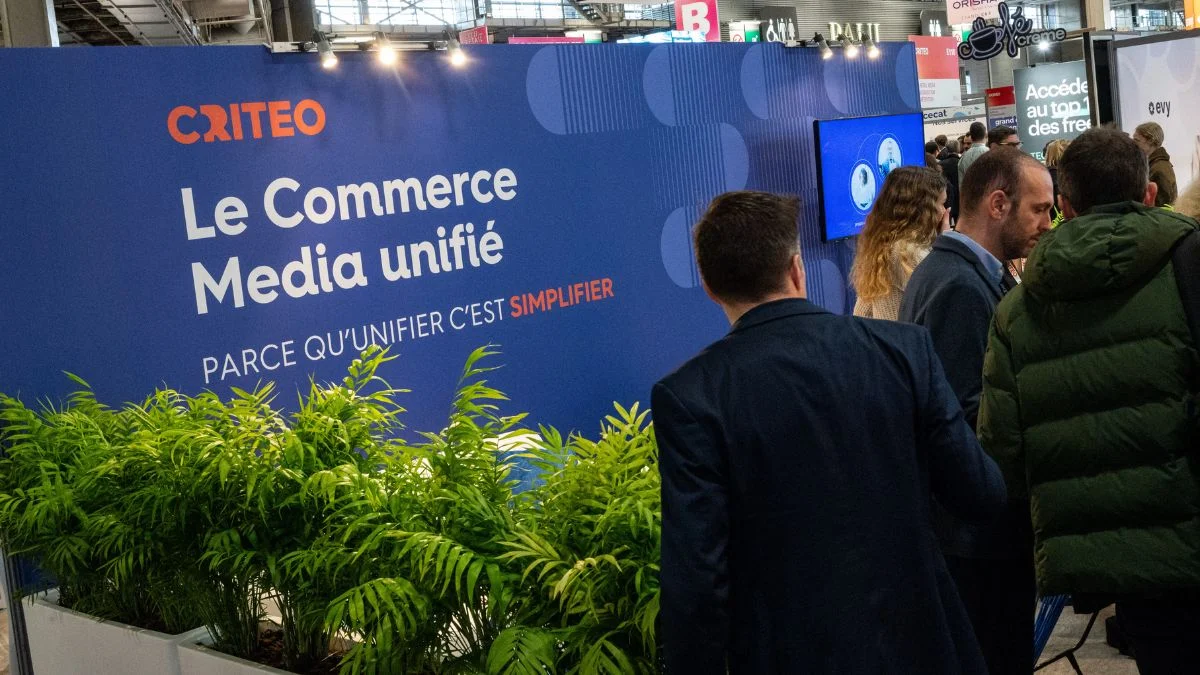
- M&A Speculation: Reports have surfaced regarding a potential acquisition of Criteo, the ad-tech giant that has pivoted aggressively toward the retail media space. While unconfirmed, the chatter reflects the ongoing consolidation of ad-tech providers by larger financial or strategic players.
- Platform Expansion: Pacvue, a leading enterprise software platform for retail media, has announced the onboarding of yet another major retail partner. This signals a continued trend of retailers seeking sophisticated, third-party technology stacks to manage their burgeoning advertising businesses.
- Talent Development: A new nonprofit initiative has been launched with the express mandate of supporting and cultivating commerce media talent. This acknowledges a critical industry pain point: the acute shortage of professionals who understand the intersection of retail operations and digital marketing.
- The End of an Era: This report marks the conclusion of a long-standing weekly industry digest, signaling a shift in how news is disseminated within the retail media community.
Chronology: A Week of Measured Progress
The events of this week, while seemingly disparate, reveal a clear progression of the retail media maturity curve:
- Monday, July 1st: As the industry returned from the South of France, analysts began dissecting the "agentic" claims made during Cannes. The consensus is shifting from hype toward a demand for demonstrable ROI.
- Tuesday, July 2nd: The market saw the emergence of whispers surrounding Criteo. The potential acquisition suggests that the value of commerce media identity solutions—often referred to as "the cookie’s replacement"—has never been higher.
- Wednesday, July 3rd: Pacvue confirmed its latest retail partnership, reinforcing the notion that even as the market reaches a saturation point for major retailers, the demand for mid-tier and regional retail media networks (RMNs) is growing.
- Thursday, July 4th: The U.S. market observed the Independence Day holiday, providing a rare 24-hour window where the "always-on" nature of programmatic advertising felt, for once, muted.
- Friday, July 5th: Industry focus shifted toward human capital, with the announcement of the new nonprofit. This represents a pivot from "software-first" to "people-first" development in the retail media sector.
Supporting Data: Why Commerce Media Matters
The importance of these movements is underscored by the sheer scale of the industry. According to industry projections, retail media spending in the United States is expected to surpass $60 billion by the end of 2024.
The move toward consolidation, such as the Criteo speculation, is a direct response to the "walled garden" problem. Advertisers are weary of fragmented, siloed data. They require cross-retailer connectivity, and the only way to achieve this is through large-scale platforms that can aggregate demand and supply.
Furthermore, the Pacvue expansion highlights the "long tail" of the industry. While Amazon, Walmart, and Target dominate the headlines, hundreds of regional grocers and big-box retailers are currently spinning up their own RMNs. These players lack the in-house engineering capacity to build their own ad-tech, making the Pacvue model—and the broader "Retail Media-as-a-Service" market—the most critical growth engine for the next three years.
Official Responses and Expert Sentiment
The sentiment across the industry is one of cautious optimism.
"The excitement of Cannes was a necessary reset," says a lead analyst at a global media consultancy. "We spent a week talking about the future of AI. Now, the industry is returning to the brass tacks of revenue attribution and supply-path optimization."
Regarding the nonprofit initiative, the industry response has been overwhelmingly positive. "Retail media is a unique discipline," notes a talent acquisition lead for a top-tier retail media firm. "You need a hybrid of a supply chain expert and a digital performance marketer. That person doesn’t exist in the wild; they have to be grown. A nonprofit dedicated to that growth is long overdue."
When approached for comment on the Criteo speculation, representatives for the company declined to comment on "market rumors or speculation," maintaining the standard industry stance during sensitive periods.
Implications: The Path Toward Maturity
The developments of this week hold significant weight for stakeholders across the board.
For Retailers
The expansion of software partners like Pacvue suggests that the "DIY" era of retail media is closing. Retailers who try to build custom ad-tech stacks internally are finding that the maintenance costs outweigh the benefits. The future lies in interoperable, third-party platforms that allow retailers to focus on their core competency—merchandising—while outsourcing the complexity of auction dynamics and programmatic bidding.
For Advertisers
The potential acquisition of Criteo—or any similar platform—brings both risks and rewards. On one hand, a larger entity with more control over the retail media ecosystem could lead to better cross-retailer targeting capabilities. On the other, it could lead to higher costs and less transparency. Advertisers should prepare for a period where their retail media buying platforms become more centralized, potentially reducing their bargaining power in the short term.
For the Talent Pool
The launch of the commerce media nonprofit is a bellwether for the professionalization of the industry. Retail media is no longer a "side project" for retail marketing teams; it is a P&L center. This means that career paths are becoming more defined, salaries are stabilizing, and the demand for specialized certification and education is surging. If you are currently working in retail media, the takeaway is clear: the industry is institutionalizing. Now is the time to formalize your skill set.
Looking Forward: Beyond the Weekly Roundup
As this column concludes its run, the industry is entering a new phase. We are moving past the "Wild West" era where every retailer launched an ad network simply because they saw Amazon’s success. We are entering the era of optimization, consolidation, and professional development.
The "agentic" promises made at Cannes will either be proven or debunked over the next two quarters. The retail media networks that can prove they are driving incremental sales—rather than just cannibalizing existing trade marketing budgets—will survive. Those that cannot will likely be consolidated into larger platforms, much like the ones discussed in this week’s news.
For those tracking the industry, the narrative is no longer just about the technology; it is about the integration of that technology into the broader fabric of retail and brand strategy. As the industry looks toward the holiday shopping season, the focus will shift from "What is commerce media?" to "How do we scale it efficiently?"
For future updates, industry gossip, or career moves, the channel remains open. The commerce media beat is one of the most vibrant and high-stakes areas of modern marketing, and its story is only just beginning to be told. Whether through the lens of M&A, technological innovation, or the growth of the workforce, the evolution of retail media will continue to dictate the health of the broader digital advertising ecosystem for years to come.
As a final note: The industry continues to thrive on the exchange of information. Please continue to direct all news, tips, and insights to [email protected] to ensure the ongoing coverage of this critical sector remains as robust as the industry itself.