
The digital commerce landscape is currently undergoing a structural metamorphosis. As artificial intelligence moves from a novelty to a fundamental utility, and the boundaries between social media, messaging platforms, and retail storefronts continue to dissolve, merchants are finding themselves in an era of "Agentic Commerce."
This week’s curated industry roundup explores a high-velocity week of product releases, strategic mergers, and technological breakthroughs that are redefining how businesses handle logistics, financial reporting, and customer engagement. From the emergence of specialized AI agents to the consolidation of global shipping giants, the tools available to modern merchants are becoming faster, smarter, and increasingly integrated.
I. Main Facts: A Convergence of AI and Infrastructure
This week’s developments center on three primary pillars of modern commerce: operational intelligence, seamless transactional layers, and AI-driven discovery.
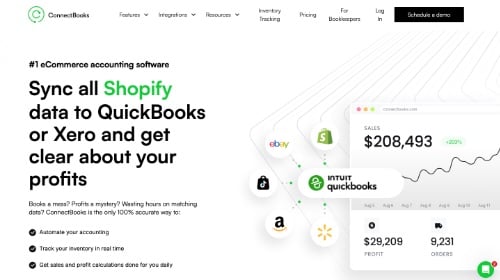
- Operational Integration: Key partnerships, such as the Ordoro and ConnectBooks integration, signify a shift toward holistic financial visibility. By linking inventory cost data directly to accounting software, merchants can now achieve real-time margin analysis.
- The Rise of Agentic Commerce: Meta, Hey Savi, and RedotPay have all moved to implement "agentic" systems—AI entities capable of not just answering queries, but executing tasks such as booking appointments, qualifying leads, and facilitating checkout flows.
- Logistics Consolidation: The merger of WWEX Group and Auctane into "ShipStation Global" marks a significant consolidation in the logistics sector, combining heavy-duty freight brokerage with consumer-facing shipping automation.
II. Chronology of Industry Movements
The week was marked by a steady cadence of announcements that highlighted the global nature of current retail innovation.

- June 1st: WWEX Group and Auctane finalized their merger, forming ShipStation Global, a move aimed at streamlining international carrier connectivity for merchants of all sizes.
- June 2nd: Hey Savi and PayPal launched the U.K.’s first agentic commerce platform. Simultaneously, NielsenIQ debuted its Product Intelligence service to standardize fragmented global product data.
- June 3rd: Kyzuvex introduced its AI-powered livestream commerce ecosystem, focusing on multilingual virtual hosts for cross-border B2B operations.
- June 4th: DoorDash Ads officially pivoted to a global commerce media platform, introducing new measurement tools and spotlight ad formats.
- June 5th: Amazon expanded its visual search capabilities, utilizing real-time AI image generation to guide product discovery directly within the search bar.
- Ongoing: Meta continued the rollout of its Business Agent expansion across WhatsApp and Instagram, while Constant Contact brought new SMS marketing tools to the Australian market.
III. Supporting Data: Why These Tools Matter
The necessity for these tools is driven by shifting consumer behavior and the increasing complexity of cross-border trade.
The Financial Visibility Gap
Many ecommerce businesses struggle with "hidden" costs. According to the data surrounding the Ordoro and ConnectBooks integration, manual reconciliation of inventory and shipping costs is a leading cause of inaccurate margin reporting. By automating this, merchants gain a clearer picture of profitability at the SKU level.
The Accuracy of Discovery
The competition in AI-driven search is heating up. Shopsense AI’s internal benchmarking suggests that their new Shoppable Intelligence Model achieves a 25% to 50% increase in retrieval accuracy compared to industry benchmarks like OpenAI’s CLIP and Google’s SigLIP2. This data suggests that generic AI models are being rapidly eclipsed by models trained specifically on commercial intent and product metadata.
The Reach of Crypto-Payments
RedotPay’s entry into the B2B market with a 70% reduction in transaction fees for stablecoin payments highlights the growing pressure on traditional financial rails. With a targetable base of over 700 million global crypto users, this represents a significant shift for merchants who rely on cross-border sales but are hampered by high international processing fees.
IV. Official Perspectives and Corporate Strategies
The tone from industry leaders this week is one of "unification."
On Logistics:
Representatives from the newly formed ShipStation Global emphasize that the merger is not just about size, but about "carrier-agnostic efficiency." By combining WWEX’s freight capabilities with the consumer-focused ShipStation software, the goal is to eliminate the friction that currently prevents small-to-medium businesses from scaling globally.
On Commerce Media:
DoorDash’s transition into a global media platform reflects a broader strategy: the "Retail Media Network" model. By partnering with LiveRamp for privacy-centric identity verification, DoorDash is positioning itself as a secure middleman between brands and high-intent shoppers, a vital pivot as traditional third-party cookies continue to decline.
On Agentic Commerce:
PayPal’s collaboration with Hey Savi provides a glimpse into the future of in-app purchasing. By allowing shoppers to stay within a search tool while completing a checkout, the companies are reducing the "conversion funnel leak" that occurs when a user is forced to navigate to a separate store page.

V. Implications: What This Means for the Future of Retail
The cumulative effect of these announcements suggests three major shifts that merchants should anticipate in the coming quarters:
1. The Death of the "Static" Storefront
With the introduction of AI virtual hosts (Kyzuvex) and agentic commerce (Meta, Hey Savi), the traditional, static product page is becoming secondary to interactive, conversational interfaces. Merchants who fail to adopt AI-native customer service agents will likely see their customer acquisition costs (CAC) rise as competitors offer more personalized, 24/7 engagement.
2. The Standardization of "Product Intelligence"
As NielsenIQ’s new service highlights, "dirty data" is the enemy of AI. The future of commerce relies on structured, standardized product attributes that allow AI systems to match, recommend, and discover products across disparate platforms. Brands that invest in PIM (Product Information Management) and AI-ready data layers will have a distinct advantage in search-based discovery.
3. Localization at Scale
Tools like iThink Logistics’ real-time tracking for India-based sellers and Constant Contact’s Australian SMS expansion prove that local nuances still matter. Even in a globalized digital economy, the "last mile" of marketing and fulfillment remains highly localized. The winning strategy for the next five years will be a hybrid one: utilizing global infrastructure (like ShipStation Global) while maintaining local-market engagement tactics.

Conclusion: Preparing for the Shift
The message for the modern merchant is clear: Infrastructure is no longer a backend concern; it is a competitive advantage. Whether it is the integration of stablecoin payments to slash fees, the implementation of AI search to improve product discovery, or the use of automated agents to handle customer inquiries, the technical burden on merchants is increasing. However, the reward for those who master these tools is a leaner, more profitable, and significantly more scalable business.
As we look toward the remainder of the year, the focus will likely shift from simply "adopting AI" to "integrating intelligence." The businesses that treat their data as a primary asset—standardizing it, automating its flow, and utilizing it to power real-time decisions—will lead the next wave of global commerce.
Got an ecommerce product release or a technological breakthrough to share? The industry moves quickly, and we are committed to covering the shifts that matter. Email your updates to [email protected].