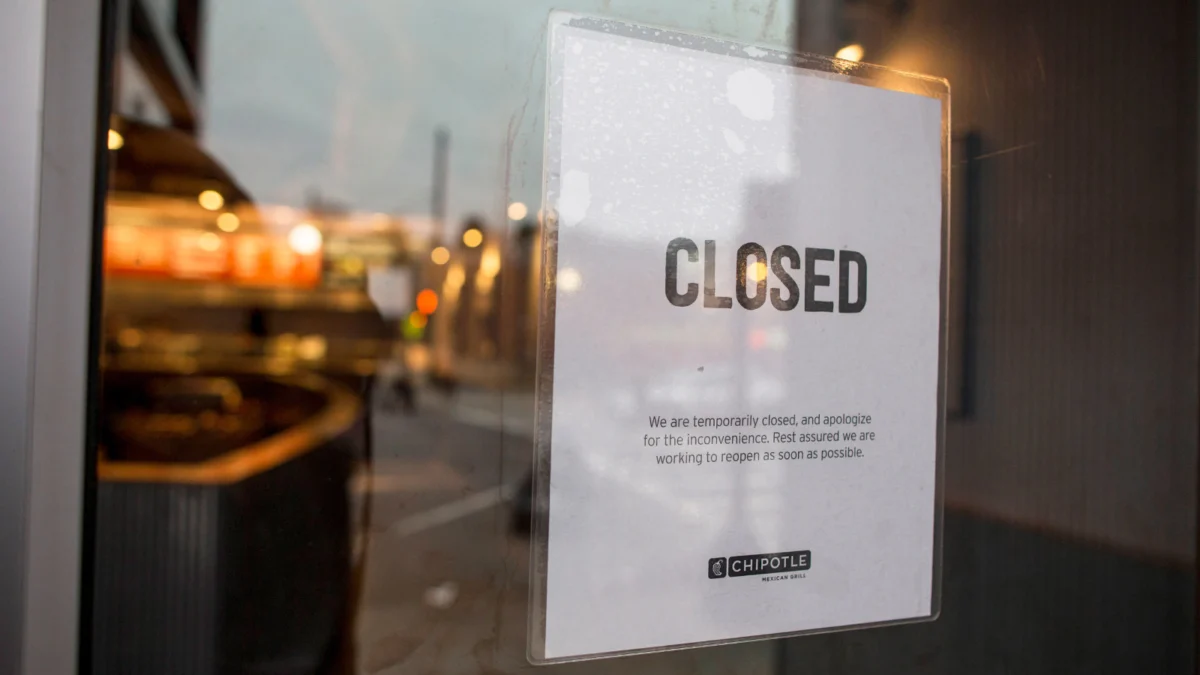
The intersection of public health and corporate reputation is often a volatile space, particularly in the fast-food industry where brand loyalty is built on the foundation of trust. This week, that trust was put to the test as Taco Bell found itself at the epicenter of a public health scare linked to a multistate outbreak of Cyclospora, a parasitic infection that has gripped the attention of federal regulators and the general public alike.
While the Centers for Disease Control and Prevention (CDC) has yet to officially name a specific source for the current outbreak, the mere association of a global brand with a foodborne illness has triggered a textbook exercise in crisis management. As stock prices fluctuated and social media speculation reached a fever pitch, Taco Bell’s strategic maneuvering offers a masterclass in how modern corporations must navigate the fragile ecosystem of consumer confidence.
The Main Facts: An Outbreak Under Investigation
The current health crisis involves Cyclospora cayetanensis, a microscopic parasite that causes an intestinal infection known as cyclosporiasis. The symptoms, which typically include watery diarrhea, loss of appetite, weight loss, stomach cramps, bloating, and fatigue, can persist for weeks if left untreated.
While the CDC began actively tracking the surge in cases as early as May 2026, the agency maintained a disciplined silence regarding the specific point of origin. However, the equilibrium of the fast-food sector was shattered this week when The Washington Post reported that Taco Bell was under federal investigation regarding a potential link between the outbreak and ingredients served at their restaurants.
For the average consumer, the news was alarming. Cyclospora is notoriously difficult to trace, often associated with fresh produce like leafy greens, cilantro, and onions—staples of the Taco Bell menu. The report triggered an immediate market reaction, with investors showing jitters as the potential for a large-scale recall or a prolonged legal and PR battle loomed.
Chronology of a Crisis
The timeline of the events underscores the blistering speed at which information—and misinformation—travels in the digital age.
- May 2026: The CDC initiates surveillance on a rising number of cyclosporiasis cases across several states.
- Early July 2026: Epidemiologists and health officials begin narrowing their investigation, conducting interviews with infected patients regarding their recent food consumption patterns.
- July 14, 2026:
- Morning: The Washington Post publishes an investigative piece alleging that Taco Bell is under the microscope of federal investigators.
- Mid-Day: The CDC hosts a national press conference providing an update on the Cyclospora response. While they stop short of blaming any specific entity, the association has already been made in the public consciousness.
- Afternoon: Taco Bell initiates a preemptive strike, ordering select locations to pull specific ingredients—including lettuce, onions, and cilantro—from their supply chain.
- Evening: Taco Bell releases a formal statement to major media outlets, including ADWEEK, framing the move as a voluntary precaution.
Supporting Data: The Anatomy of a Foodborne Threat
Cyclospora outbreaks are not new to the United States, but they are increasingly complex due to globalized supply chains. According to CDC historical data, previous outbreaks have been linked to imported fresh produce, particularly basil, cilantro, and lettuce.
The complexity of tracing the parasite lies in its incubation period. Patients often do not exhibit symptoms until a week or more after ingestion, making it incredibly difficult for investigators to pinpoint exactly where an infected person consumed the contaminated item.
For a brand like Taco Bell, which operates thousands of franchises, the supply chain is immense. Managing the "farm-to-fork" journey of fresh produce requires rigorous oversight. Even with stringent safety protocols, the nature of fresh, raw ingredients means that the risk of contamination can never be entirely eliminated, only mitigated. The economic data surrounding such events is stark: historically, fast-food chains associated with health scares can see a 3% to 7% dip in quarterly same-store sales as consumers temporarily shift their dining habits to competitors.
Official Responses and Corporate Strategy
In the wake of the Washington Post report, Taco Bell’s response was clinical and calculated. By acting on July 14, the company effectively hijacked the narrative before it could spiral out of control.
The PR Playbook
Taco Bell’s communication strategy was built on three pillars:
- Proactive Transparency: By announcing the removal of ingredients, they signaled to the public that they were not waiting for a government mandate to act. This "safety-first" posture is essential in regaining consumer trust.
- Corporate Responsibility: The company’s statement, which explicitly mentioned that the "health and safety of our guests" is their highest priority, was disseminated widely to national outlets. This creates a firewall between the brand and the potential negligence that often follows such reports.
- Cooperative Alignment: By explicitly stating they would "cooperate with health authorities" and "closely monitor the situation," the brand aligned itself with the CDC rather than appearing as an adversary. This is a critical distinction that prevents the perception of a cover-up.
Implications: The Long-Term Impact on Brand Equity
The implications of this incident extend far beyond the immediate removal of cilantro and lettuce from store shelves. For the fast-food industry, this serves as a reminder of the fragility of the "fresh" marketing trend. As brands lean harder into "fresh" and "farm-to-table" menu items to attract health-conscious consumers, they inherently increase their exposure to biological risks associated with raw produce.
The Financial Fallout
For shareholders, the primary concern is the potential for a long-term hit to the brand’s reputation. If the CDC eventually confirms a link to the chain, the fallout could include mandatory recalls, potential litigation from affected customers, and a long-term branding challenge. However, if the CDC clears the company, the quick reaction may actually serve to bolster the brand’s image as a responsible corporate citizen.
Future-Proofing the Supply Chain
This incident will likely lead to a renewed focus on supply chain transparency. We can expect to see:
- Increased Blockchain Adoption: To track the origin of every ingredient, allowing for "surgical" recalls rather than brand-wide ingredient bans.
- Heightened Supplier Audits: Taco Bell and its competitors will likely implement even more stringent testing requirements for produce suppliers, particularly those in regions where Cyclospora is endemic.
- Communication Training: The ease with which the company navigated this initial wave suggests that crisis communication teams are more prepared than ever to handle the rapid-fire demands of a digital news cycle.
Conclusion: The New Reality of Brand Management
The case of Taco Bell and the Cyclospora outbreak is a microcosm of the modern brand landscape. In an era where the CDC’s findings are reported in real-time and analyzed by millions on social media, there is no time for hesitation.
Taco Bell’s decision to pull ingredients before a formal link was confirmed was not necessarily an admission of guilt; it was a sophisticated exercise in risk management. By prioritizing the safety of their patrons over the immediate logistical and financial headache of a supply chain disruption, they demonstrated an understanding of the most vital currency in business: trust.
As the investigation continues, the industry will be watching closely. Whether this becomes a footnote in the history of food safety or a catalyst for a more robust approach to supply chain security remains to be seen. For now, Taco Bell has managed to weather the initial storm, proving that in the face of a potential crisis, silence is not an option—but swift, transparent action is the only viable path forward.