For years, public relations and search engine optimization (SEO) lived in separate corporate worlds. PR teams focused on brand sentiment, media placements, and human influence, while SEO teams obsessed over keyword rankings, crawl budgets, and backlink velocity.

Today, that separation is not just inefficient—it is a competitive liability.
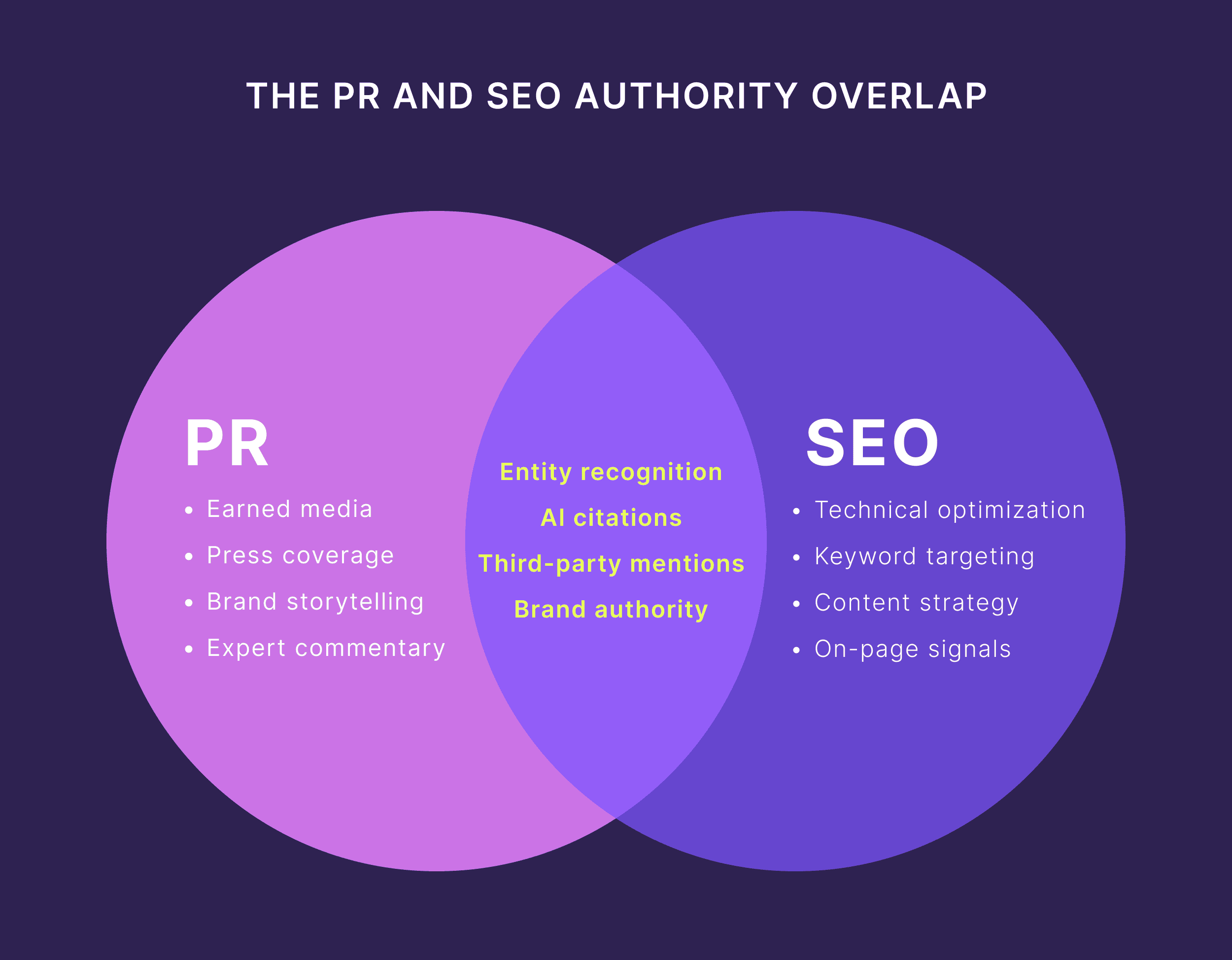
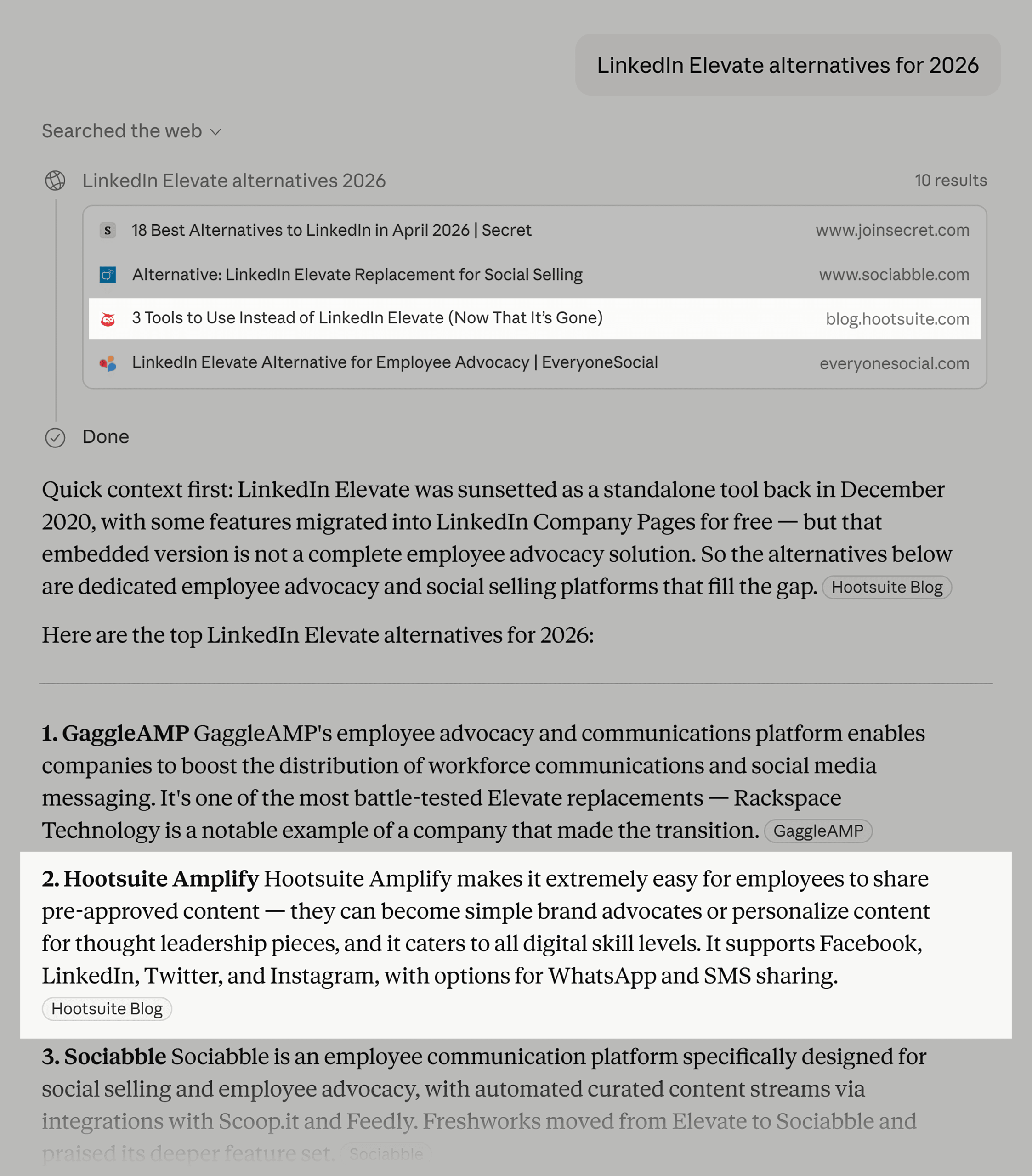
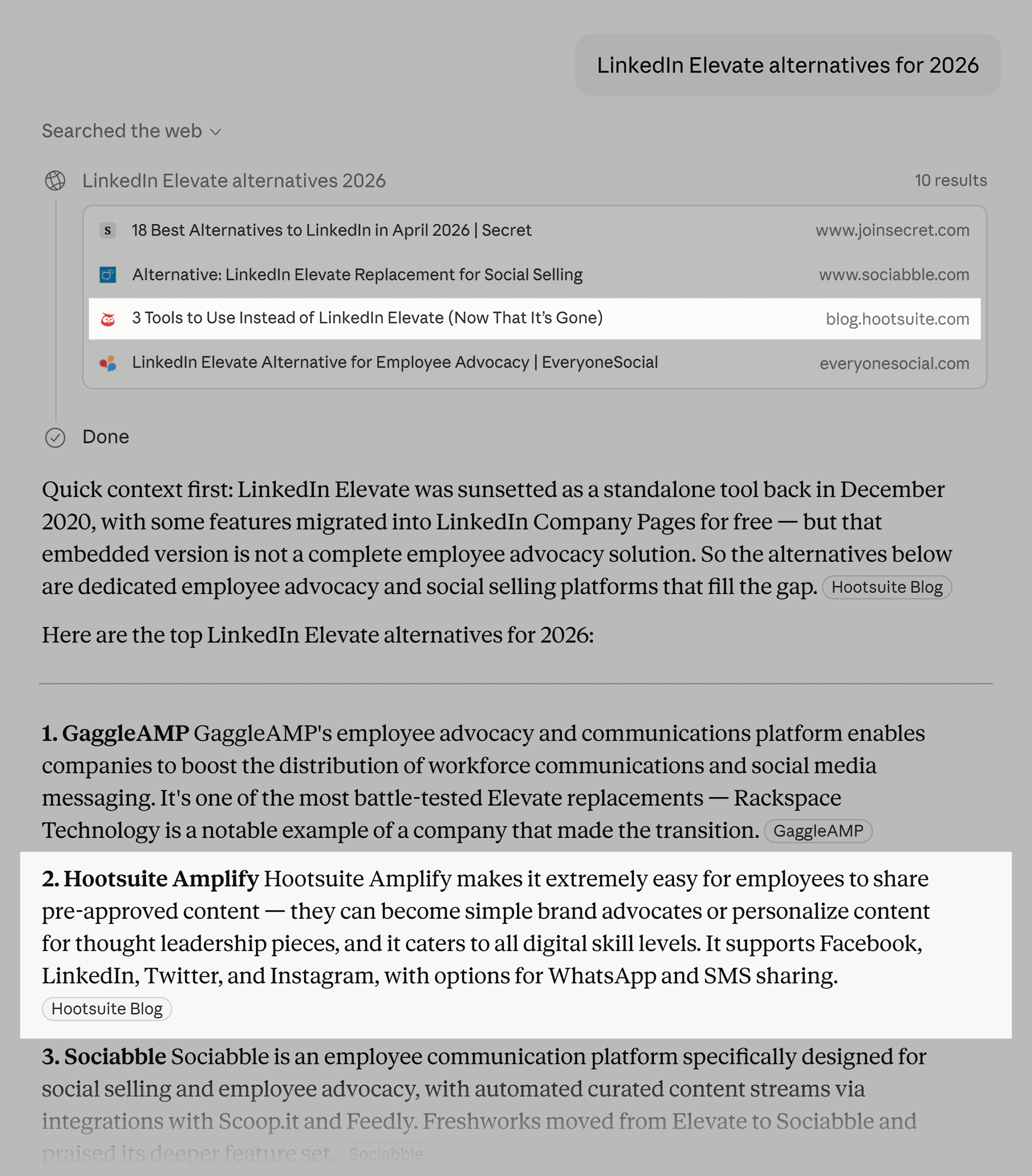
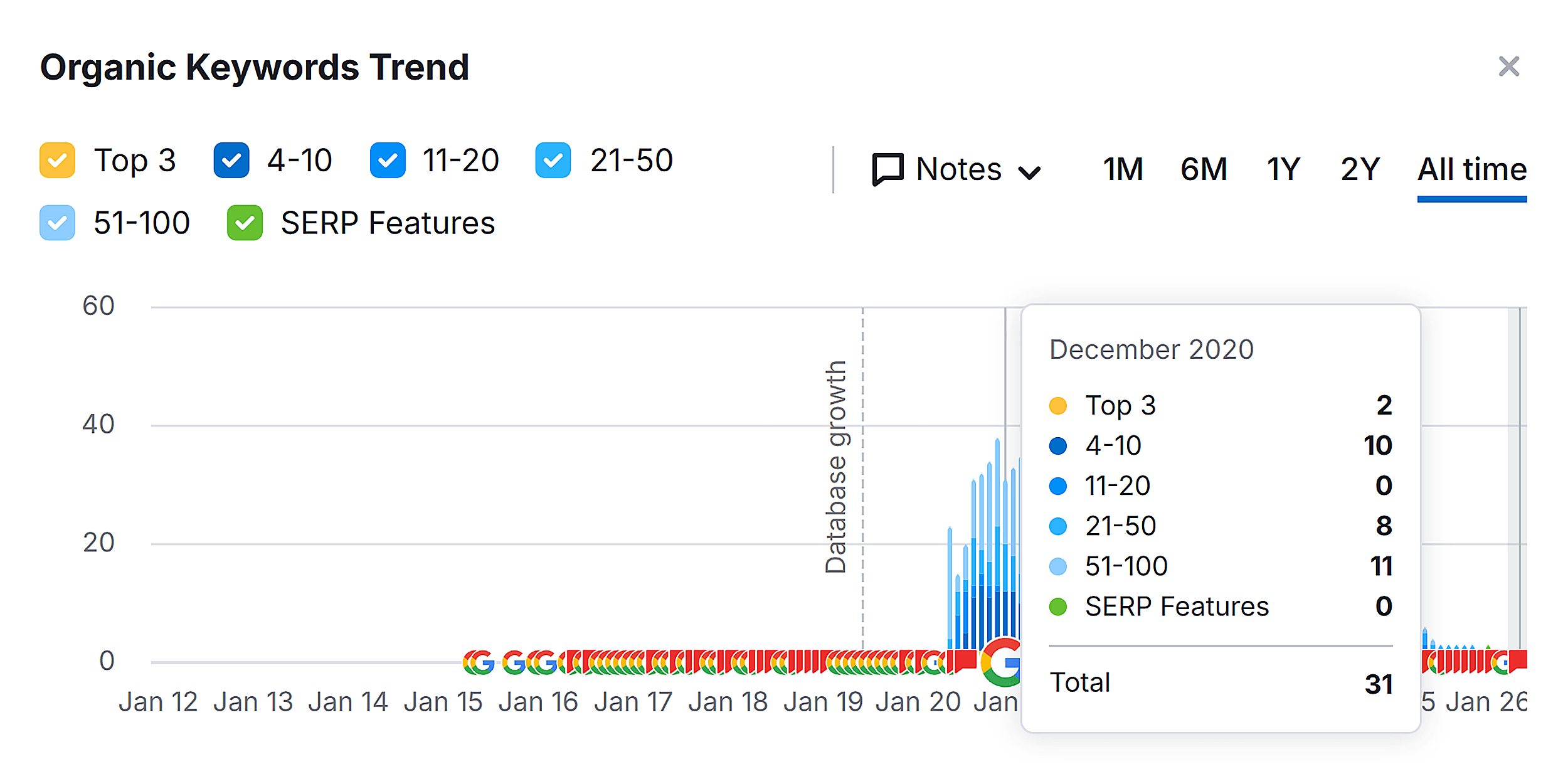
In an era where Google’s search algorithms and Large Language Models (LLMs) like ChatGPT, Claude, and Gemini prioritize "third-party signals"—backlinks, expert mentions, and coverage in trusted, authoritative publications—the lines between PR and SEO have effectively evaporated. Both disciplines are now hunting for the same thing: authority. When these teams operate in silos, they leave significant growth on the table. When they align, they create an "always-on" authority engine that drives traffic, builds trust, and secures brand visibility across every digital touchpoint.
The Shift Toward Integrated Authority
Modern search engines and AI agents are designed to answer questions with accuracy. To do this, they rely on a consensus of credible external sources. If your brand is mentioned by a major industry publication, cited in a data-driven report, or recommended in a high-authority forum, Google and LLMs take notice.
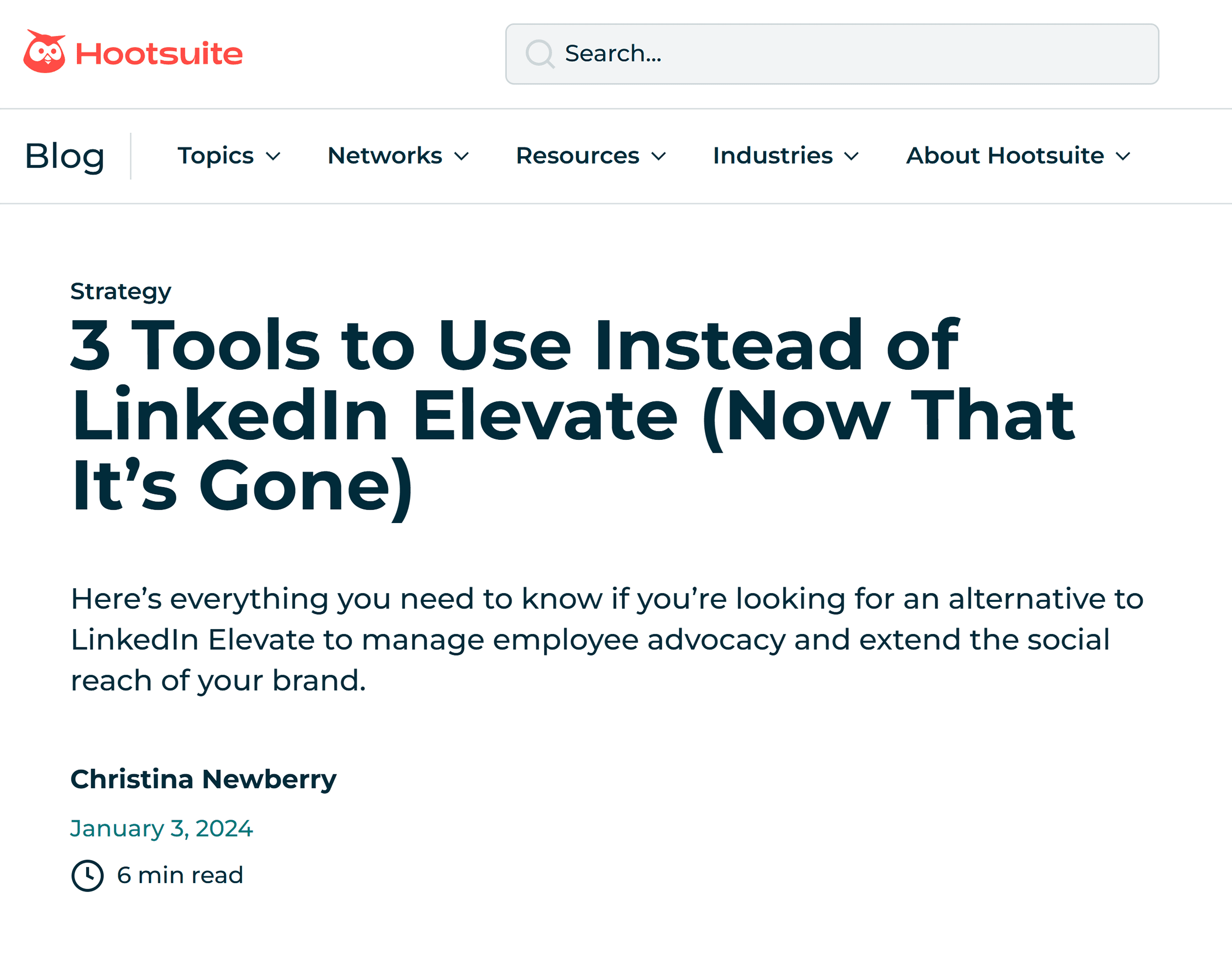
Most organizations currently treat PR as a secondary tactic for link-building—a "nice-to-have" add-on to their SEO strategy. However, the most successful brands are now treating PR and SEO as a unified force. By sharing data and coordinating strategy at the ideation stage, companies can ensure their content is not only searchable but also inherently citeable.
A Five-Step Playbook for Unified Authority
To bridge the gap between these two powerhouse departments, organizations must move beyond occasional communication. Here is a five-step playbook for creating a synchronized authority engine.
1. Align Research and Intelligence
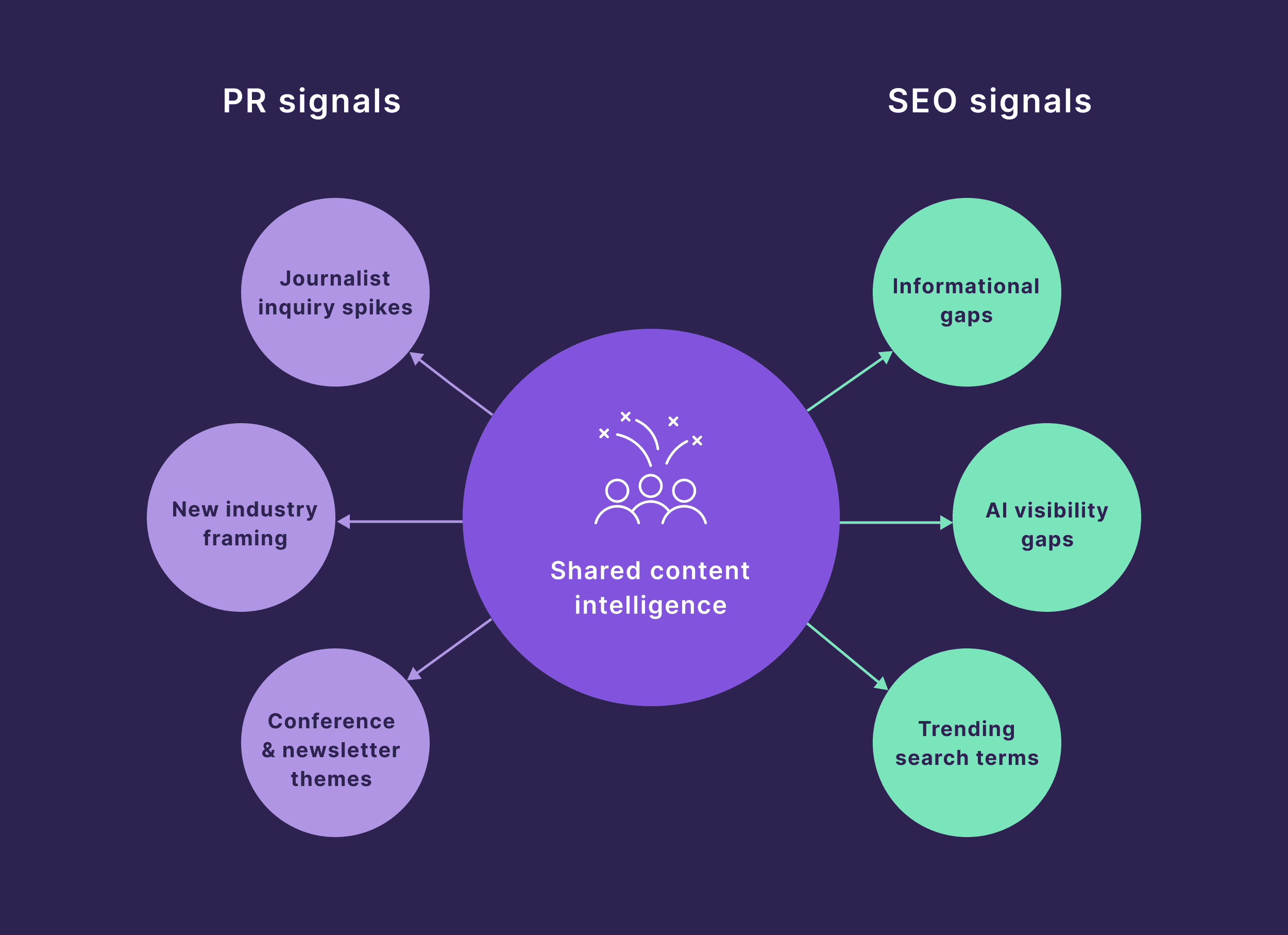
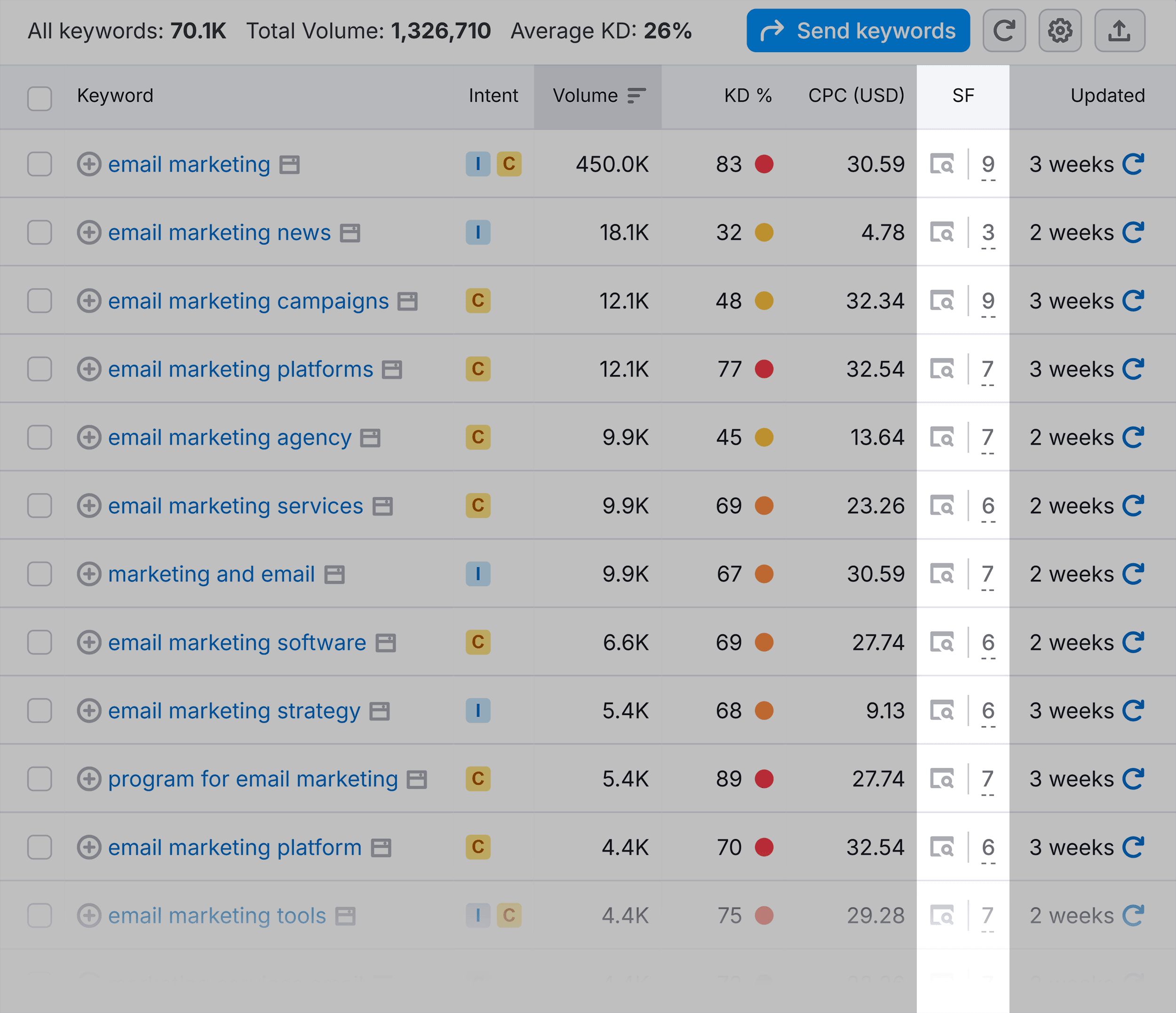
The partnership starts with shared data. Without it, PR and SEO teams remain blind to the other’s opportunities. SEO teams should provide PR with data on which topics are seeing a surge in search volume and, more importantly, which queries are yielding "Top Stories" or AI-driven summaries in the SERPs (Search Engine Results Pages).
Conversely, PR teams must share their frontline intelligence: What are journalists asking about? What emerging industry themes are appearing in newsletters or at conferences? When these teams share a Slack channel or a standing agenda, they can act on trends before they peak.
2. Co-Build AI-Ready Assets
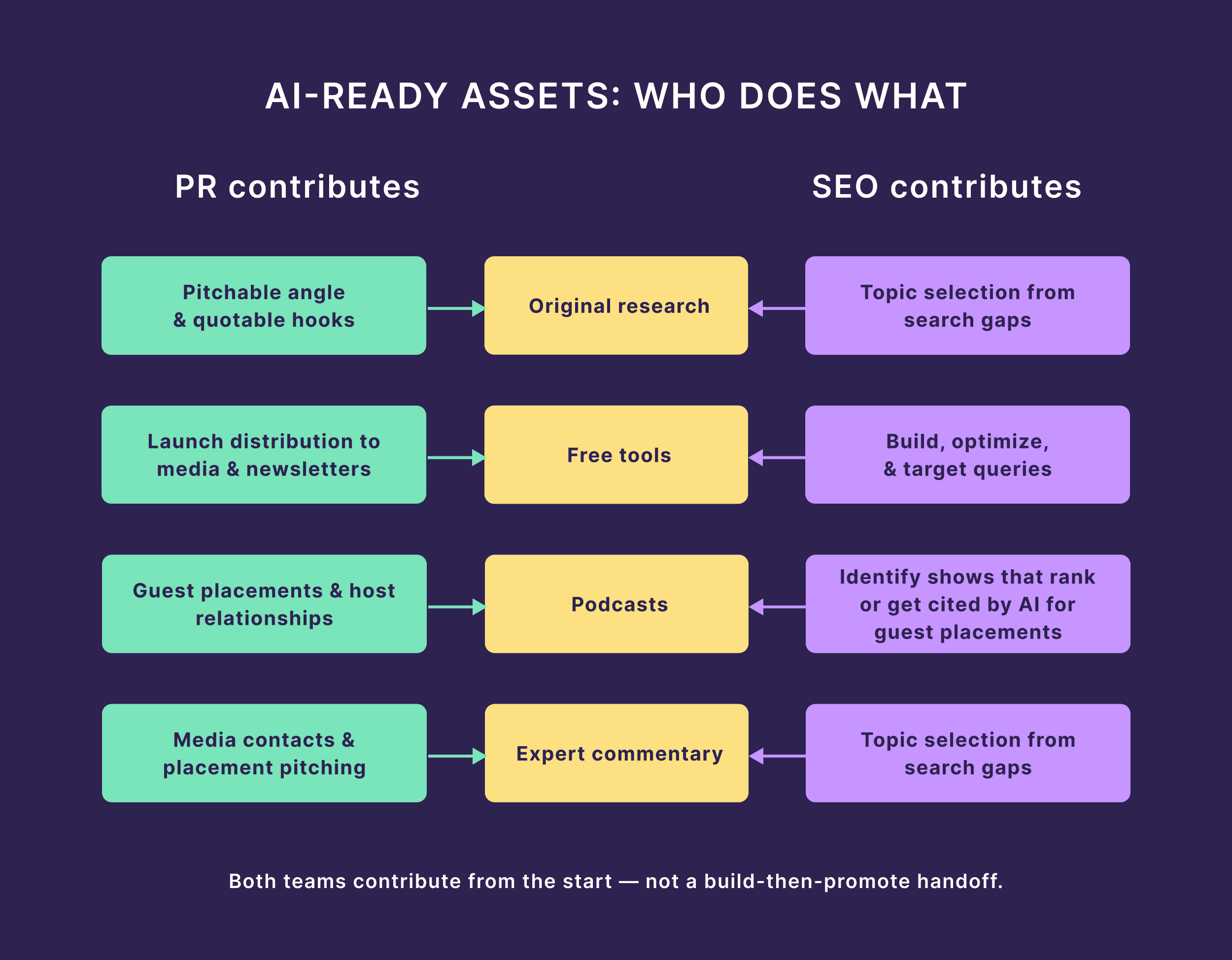
Content should no longer be created for the human reader alone. "Answer Engine Optimization" (AEO) requires that assets be structured for machines. This means clear, front-loaded statistics, well-defined methodologies, and original data that LLMs can easily parse.

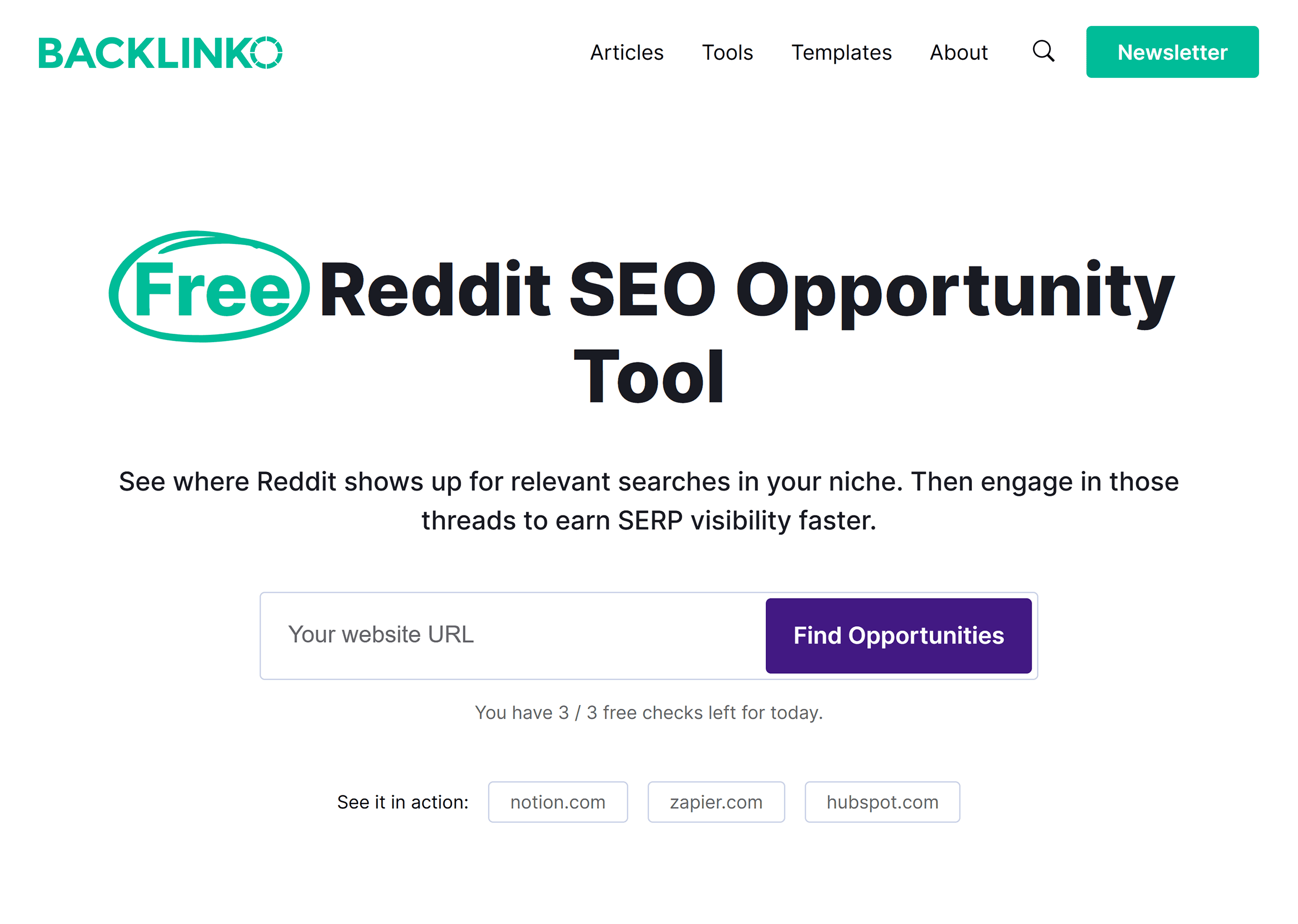
When SEO identifies a content gap and PR provides the "pitchable" angle, the resulting asset—whether it’s an industry report, a calculator, or an explainer—becomes a magnet for backlinks and AI citations. By keeping these assets on non-gated, crawlable landing pages, brands ensure that the authority they earn remains accessible to both search bots and curious readers.
3. Coordinate the Third-Party Presence
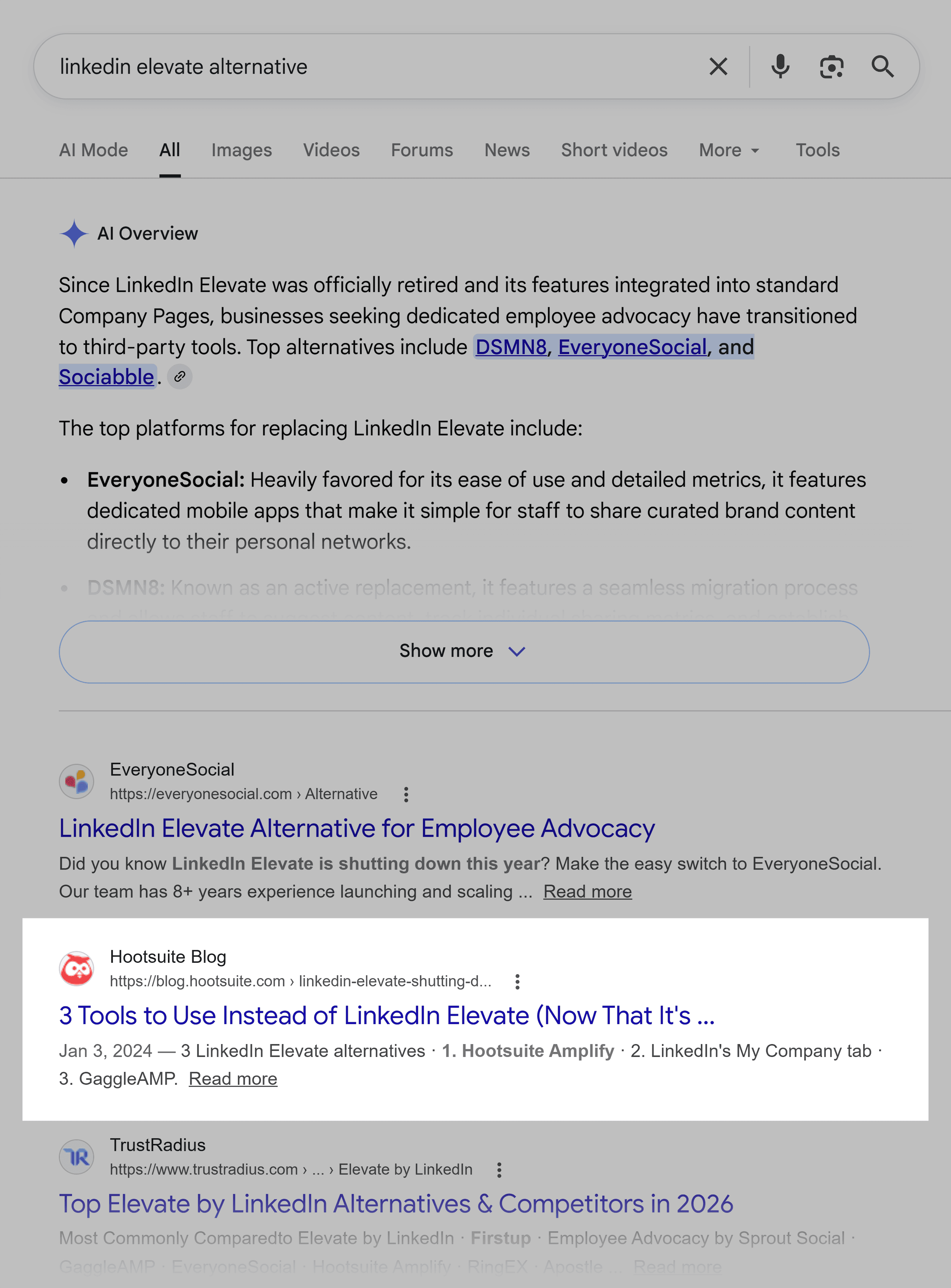
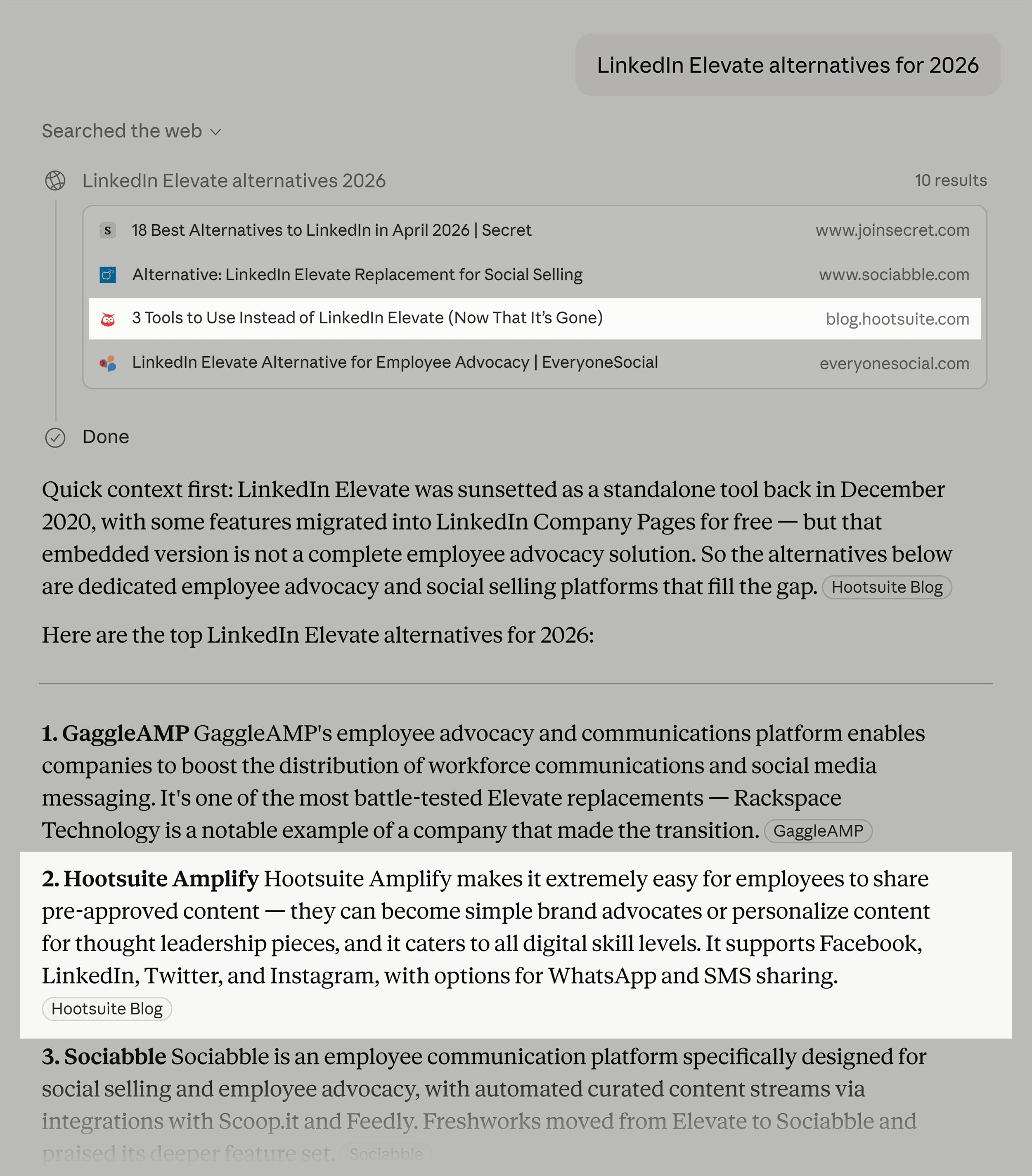
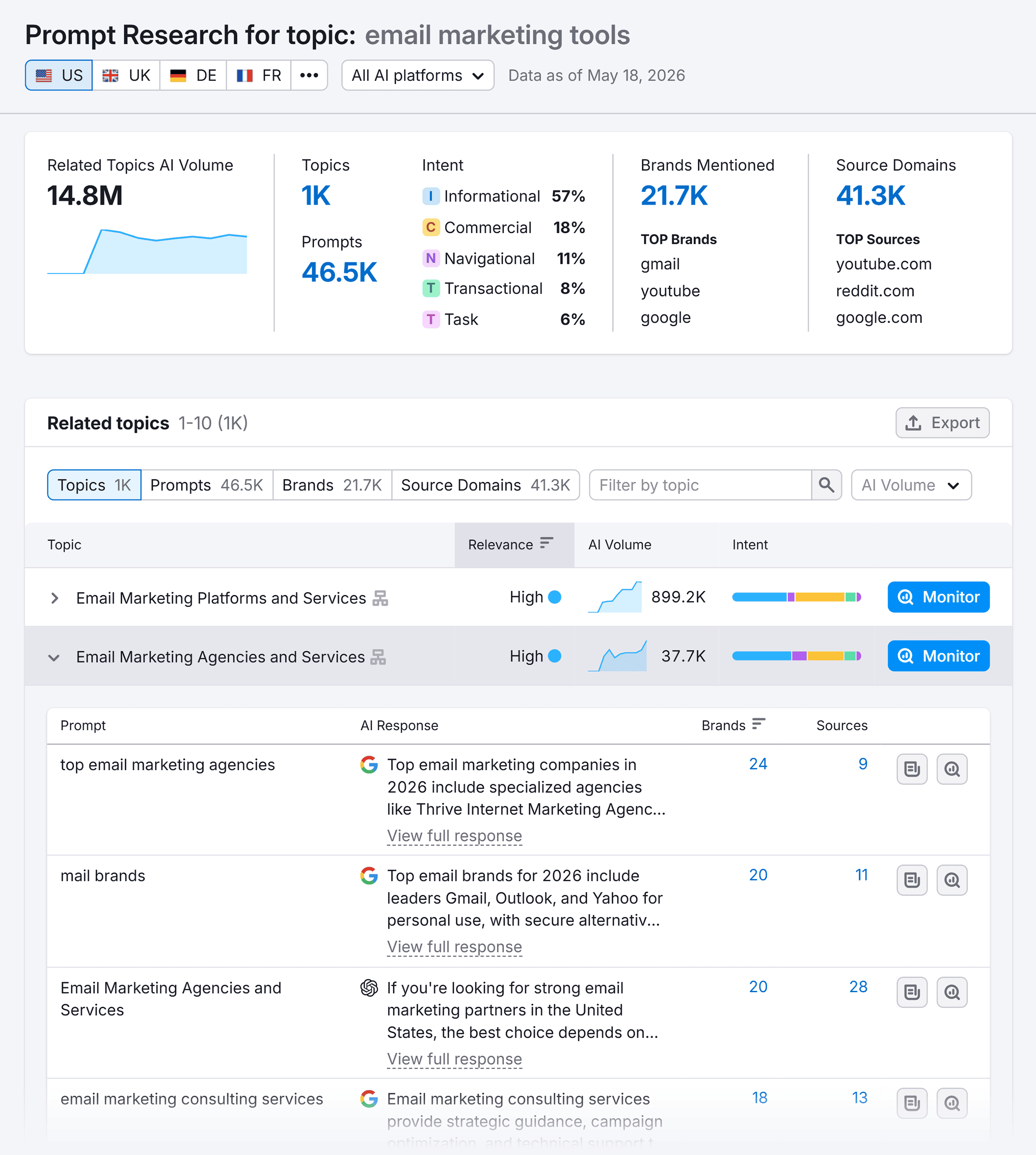
Data shows that brands are significantly more likely to appear in AI-generated answers through third-party signals than through their own primary website content. This is why building an external footprint is critical.
PR and SEO should jointly manage:
- Expert Commentary: Ensuring subject matter experts are quoted in trade publications with specific, data-backed insights that AI finds easy to extract.
- Review Sites and Forums: Monitoring G2, Yelp, and Reddit to ensure the brand’s positioning is accurate. AI frequently mines these sources for product recommendations.
- Wikipedia: Maintaining a presence in the Knowledge Graph by ensuring notability through sustained, high-quality press coverage.
4. Unify the Outreach Strategy
The most common point of friction is the "pitch collision"—where SEO reaches out to a site for a backlink while PR is simultaneously pitching the same editor for a feature. A shared target source list eliminates this. By mapping each target to a specific objective (e.g., SEO for backlink authority, PR for brand sentiment), teams can reduce noise and increase their success rate.
5. Standardize Performance Metrics
Finally, performance reporting must evolve. While PR tracks mentions and sentiment and SEO tracks traffic and rankings, the unified authority engine should track "Authority Metrics." These include:
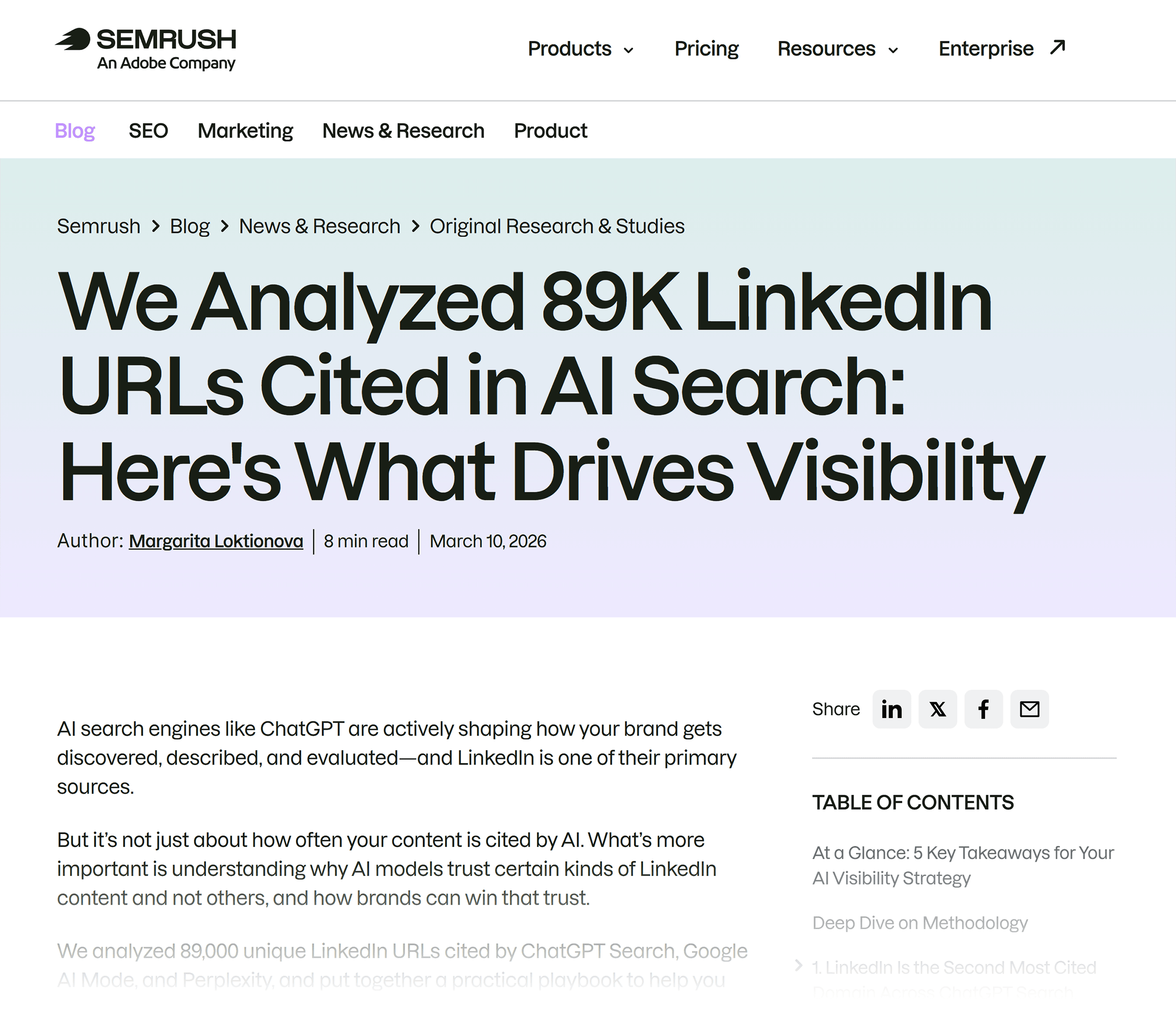
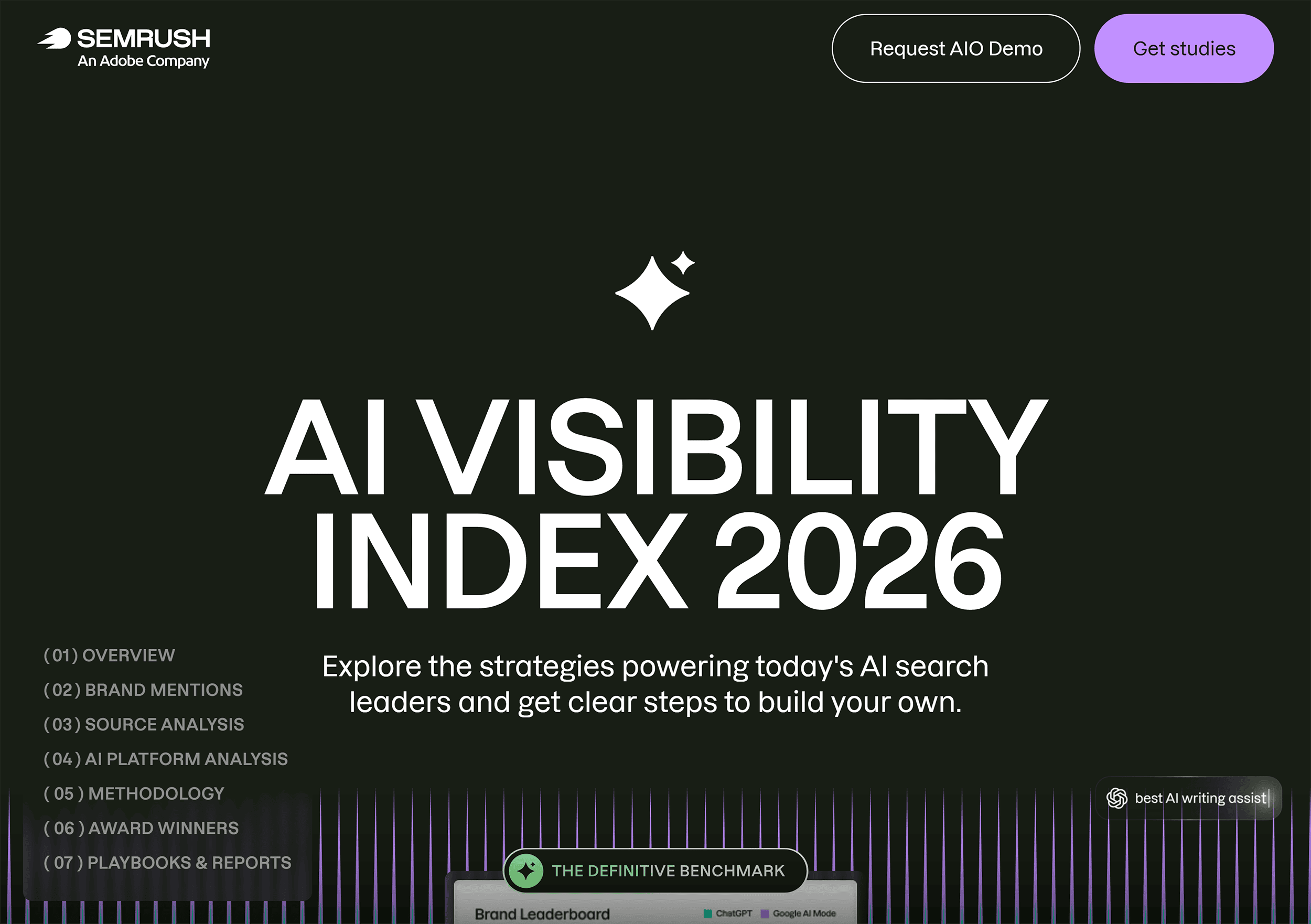
- AI Visibility Score: Tracking how often the brand appears in LLM responses for critical category queries.
- Share of Voice: Monitoring the brand’s presence across digital channels relative to competitors.
- Branded Search Volume: Using Google Search Console to see if the brand is being searched by name—a direct result of successful, integrated authority building.
The Strategic Implication
The implications of this shift are profound. In the past, authority was something you built; today, it is something you curate across the entire web.
When a brand successfully integrates PR and SEO, it becomes more than just a search result—it becomes a "trusted entity." This status is the gold standard for AI search, where the goal is to be the definitive answer. By aligning research, co-building assets, and standardizing metrics, marketing teams can stop competing for the same resources and start working together to dominate their category.
As digital landscapes continue to favor the most credible and cited sources, the question for CMOs is no longer whether to bridge the gap between PR and SEO, but how quickly they can dissolve the barriers that keep their authority in pieces.