As the retail calendar advances toward the final stretch of summer, ecommerce marketers face a critical juncture. August 2026 is not merely a transitional month; it is a high-stakes period defined by shifting consumer behaviors, the culmination of the back-to-school rush, and the final preparations for the Labor Day holiday.
For brands, the primary challenge remains the constant, high-velocity demand for fresh, engaging content. Effective content marketing—the strategic creation and promotion of articles, videos, and podcasts—is the engine of customer retention. It relies on the principle of reciprocity: by providing genuine value, instructional expertise, and creative inspiration, retailers earn the trust—and ultimately the revenue—of their audience.
The August 2026 Ecommerce Landscape: Key Drivers
The August market is unique because it blends the urgency of "preparation" with the waning desire for "relaxation." Consumers are balancing the logistical burdens of the new school year with the desire to squeeze every last drop of enjoyment out of the summer season.
According to industry analysts, the 2026 retail environment is characterized by a high degree of "informed consumerism." Shoppers are no longer just looking for products; they are searching for solutions to complex lifestyle management problems. To succeed, brands must move beyond mere product listings and embrace a narrative-driven approach that addresses the consumer’s state of mind.

1. Back-to-School: Shifting the Focus to the Household Manager
The back-to-school (BTS) sector remains a financial juggernaut. Data from eMarketer projects U.S. back-to-school retail sales to reach $85.4 billion in 2026, marking a 3.3% increase over 2025. However, the saturation of "standard supply lists" means that generic content is increasingly ignored by the savvy digital consumer.
Understanding the Buyer Persona
Modern BTS content must pivot from the student to the "household manager"—the parents who are navigating budgets, school requirements, and transportation schedules. PwC reports that parents will spend an average of $922 per student in 2026. Furthermore, the decision-making process is becoming increasingly collaborative; 61% of parents now allow their children to participate directly in the online shopping experience.
Content Strategy Implications
To capture this market, brands should produce content that eases the transition from summer leisure to academic structure. Examples include:
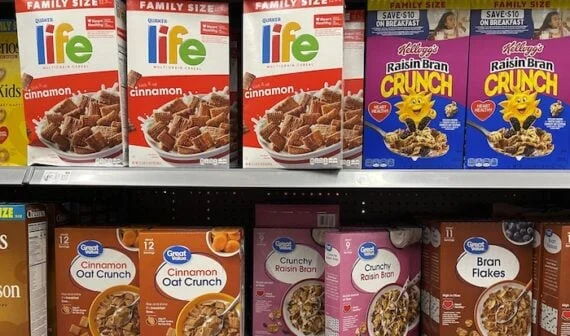
- The "Zero-Stress" Kitchen: Content focusing on meal-prep systems for busy mornings.
- Budgetary Transparency: Tools and guides that help parents gamify the shopping experience for their children, teaching financial literacy while buying supplies.
- AI-Assisted Planning: Articles explaining how parents can use AI to optimize their school-year schedules, including carpool management and extracurricular tracking.
2. National Relaxation Day: The Art of the "Slow Down"
Falling on August 15, National Relaxation Day presents a counter-narrative to the frenetic pace of back-to-school shopping. It is an opportunity for brands to humanize their presence by encouraging customers to pause, reset, and prioritize mental health.

Broadening the Definition of Relaxation
Relaxation is not a monolith; it is a highly personal experience. For some, it is the meditative focus of model building or gardening; for others, it is the sensory comfort of premium bedding, candles, or a well-brewed cup of coffee.
Strategic Implementation
Retailers across various verticals can capitalize on this day by:
- Curated "Unplugged" Guides: Highlighting products that facilitate hobbies—knitting, grilling, or hiking—that require disconnection from digital devices.
- The Wellness Angle: For health and beauty brands, content should focus on the science of recovery, explaining how specific bath salts, aromatherapy, or ergonomic furniture can lower cortisol levels.
- Interactive Content: Hosting a "How Do You Relax?" social media poll or video series that features user-generated content, fostering community among customers who share similar hobbies.
3. National Aviation Day: Engineering, Adventure, and History
August 19 commemorates the history of flight, marking the birthday of Orville Wright. While it is a day of historical reflection, for the ecommerce marketer, it serves as a gateway to broader themes of travel, engineering, and aspiration.
Historical Context and Modern Application
Authorized by Congress in 1939, National Aviation Day encourages public interest in the development of flight. Today, this translates into a marketing opportunity that touches on design, military history, and children’s STEM education.

Bridging History and Retail
- Travel Gear for the Modern Explorer: A luggage retailer might produce a deep dive into the "aerodynamics" of packing—utilizing space-saving technology and weight-distribution techniques.
- STEM-Focused Learning: Toy and hobby shops can provide educational articles on the physics of flight, linking product offerings to historical milestones.
- The Aesthetics of Design: Lifestyle brands can explore how aviation history has influenced industrial design, from the sleek lines of mid-century furniture to the materials used in high-end fashion accessories.
4. World Photography Day: Visual Storytelling as Currency
Also falling on August 19, World Photography Day honors the 1839 announcement of the daguerreotype process. In the age of social media, photography is the primary language of commerce.
Leveraging User-Generated Content
For ecommerce, this day is a chance to elevate brand imagery. Rather than relying solely on studio photography, brands should encourage customers to act as brand ambassadors.
- Real-World Integration: A home decor brand could launch a contest for the best photo of their product in a real-world living space.
- The "Behind the Lens" Series: Brands can provide tutorials on how to take better product photos, effectively teaching their customers how to showcase the items they have purchased. This builds a feedback loop that validates the customer’s purchase while generating high-quality marketing assets.
5. Labor Day Planning: The Final Hurdle of Summer
Labor Day, occurring on September 7, 2026, serves as the unofficial curtain call for the summer season. August is the optimal month to capture the "last-minute" planning segment.
The Utility of Planning Guides
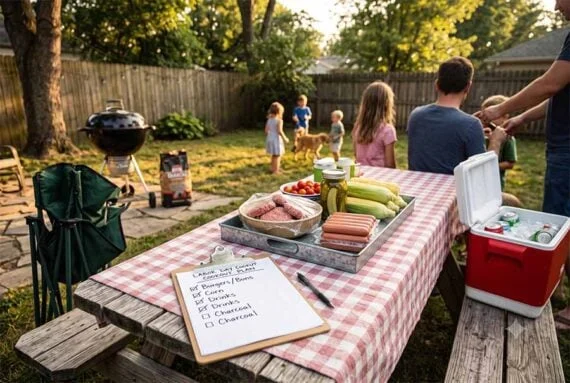
Consumers are often overwhelmed by the logistics of long weekends—planning cookouts, coordinating camping trips, or executing home improvement projects before the autumn chill sets in.

Recommended Content Formats
- Checklist-Driven Marketing: Create downloadable, interactive PDFs for backyard event planning, including grocery lists and maintenance schedules.
- The "Last Hurrah" Curated Collection: Instead of a generic sale, build a guide around specific, time-sensitive experiences (e.g., "The Ultimate Labor Day Backyard Cinema Setup").
- Video Tutorials: Short-form, high-impact videos showing how to assemble, cook, or pack for the weekend.
Implications for Future Growth
The overarching implication of this August 2026 content strategy is the shift toward high-utility, low-friction content. The modern consumer is time-poor and information-rich; they do not need more noise. They need curation.
The Data-Driven Advantage
Retailers must leverage their existing customer data to personalize these themes. A customer who has previously purchased school supplies is a prime candidate for "back-to-school organization" content, while a customer who has purchased gardening tools will respond more favorably to "National Relaxation Day" content focused on outdoor hobbies.
Official Industry Stance
Marketing experts emphasize that the "reciprocity" model is not just a trend—it is a necessity. By offering value before asking for a sale, brands build a moat around their business that competitors, focused solely on discount-driven advertising, cannot easily cross.
Final Conclusion
August 2026 offers a tapestry of opportunities. By aligning content with the natural rhythm of the month—school, rest, history, art, and the final summer celebration—ecommerce brands can transform their digital storefronts into essential resources. Success in this environment requires a balance of analytical rigor and creative storytelling, ensuring that every piece of content published serves the dual purpose of helping the customer and advancing the brand.

As we look toward the final quarter of the year, the groundwork laid in August will dictate the success of the upcoming holiday season. Brands that focus on the customer’s life, rather than just the company’s product, will be the ones that thrive.