
In the modern digital economy, the efficiency of your payment infrastructure is the heartbeat of your business. Whether you are a solo entrepreneur launching your first Shopify storefront or a growing enterprise managing in-person retail alongside e-commerce, the choice of a payment processor can be the difference between a seamless customer experience and a high cart abandonment rate.
As we move through 2025, the landscape of payment technology has become increasingly sophisticated. With a surge in global digital transactions, choosing the right provider requires a deep dive into payout speed, security protocols, and, most importantly, the bottom-line impact of transaction fees. This guide analyzes the top six payment systems for small businesses, providing the technical context and strategic insights necessary to make an informed decision.
What is a Payment System?
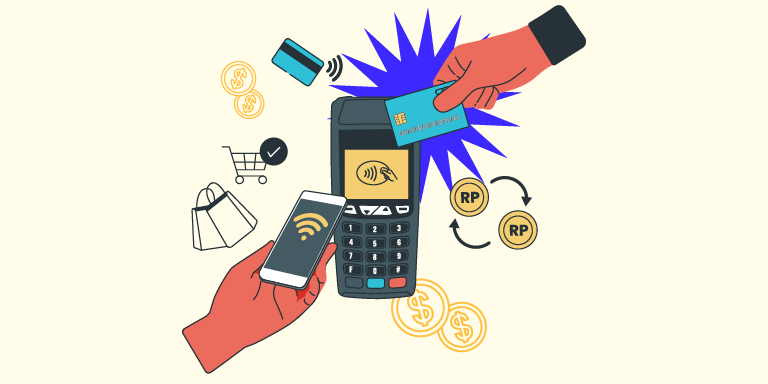
To select the right tool, one must first define the parameters. A payment system is a sophisticated digital architecture that facilitates the secure transfer of funds from a consumer to a merchant. It acts as the intermediary, or "gateway," that encrypts sensitive card data, verifies funds, and authorizes the transaction in real-time.
Crucially, a payment system is not a bank account, nor is it a simple accounting tool. While many modern processors (like Stripe or Square) offer integrated dashboards for financial reporting, their primary function remains the orchestration of movement between the buyer’s financial institution and the seller’s merchant account.
Key Factors for Selection: A Strategic Framework
Before committing to a provider, business owners must evaluate their specific operational needs against five critical pillars:
1. Payout Velocity
Cash flow is the lifeblood of small businesses. Payout times—the interval between a customer’s transaction and the funds appearing in your bank account—can vary from next-day to weekly. In 2025, look for providers that offer "Instant Payout" options, though be aware these often carry a premium fee.
2. Conversion Optimization (Ease of Payment)
Friction is the enemy of revenue. If a customer is redirected to an unfamiliar third-party site or forced to undergo excessive authentication, they are likely to abandon their cart. Seamless, "in-context" checkouts that keep the user on your domain are now the industry standard.
3. Global vs. Local Accessibility
If your target audience is international, you need a provider that supports multi-currency settlement and local payment methods (such as SEPA in Europe or Alipay in Asia). Restricting your payment options to domestic cards can alienate a massive portion of the global market.

4. Pricing Architecture
The industry is notorious for "hidden" costs. Beyond the standard per-transaction percentage, watch for monthly subscription fees, PCI-compliance fees, chargeback dispute fees, and hardware rental costs. Always calculate the effective rate (total fees divided by total volume) rather than just looking at the advertised per-swipe rate.
5. Security and Compliance
Regulatory compliance is non-negotiable. Ensure your provider is fully PCI-DSS (Payment Card Industry Data Security Standard) compliant. This ensures that you aren’t responsible for storing sensitive credit card numbers, which significantly lowers your liability in the event of a data breach.
The Top 6 Payment Systems to Consider in 2025
1. Stripe: The Developer-First Powerhouse
Stripe remains the gold standard for e-commerce businesses that prioritize a custom, frictionless checkout experience.
- The Advantage: Its API-first architecture allows for unparalleled customization. The "Stripe Elements" feature allows businesses to build payment forms that match their brand aesthetic perfectly.
- The Trade-off: While intuitive, it is not "plug-and-play" for complex custom builds. You may need a developer to fully unlock its potential.
- Best For: Tech-forward startups and e-commerce brands prioritizing UX.
2. PayPal: The Trusted Global Standard
PayPal is arguably the most recognizable name in digital payments, providing a layer of "social proof" that can increase conversion rates for newer brands.
- The Advantage: Customers trust it. Many users prefer PayPal because they do not have to input their card details directly into a merchant’s website.
- The Trade-off: PayPal often redirects users away from your site, which can introduce friction. Its transaction fees are generally higher than competitors for international sales.
- Best For: Small businesses looking to build immediate trust with global customers.
3. Authorize.net: The Veteran of Security
A long-standing player in the industry, Authorize.net is a subsidiary of Visa, offering enterprise-grade reliability for smaller operations.
- The Advantage: Its advanced fraud detection suite is among the best in the market, allowing merchants to customize filters to block suspicious transactions before they occur.
- The Trade-off: The setup process can be more rigorous and less user-friendly compared to modern, "lean" competitors.
- Best For: Businesses that process high-risk or high-volume transactions and require maximum security.
4. Amazon Pay: Leveraging the Giant
Amazon Pay allows your customers to use the payment methods already stored in their Amazon accounts to pay on your website.
- The Advantage: It significantly speeds up the checkout process. If a customer already has an Amazon account, they are one click away from completing a purchase.
- The Trade-off: You are essentially inviting the Amazon ecosystem into your customer’s path. While it boosts conversion, it doesn’t always build your own brand’s loyalty.
- Best For: E-commerce stores that want to reduce cart abandonment through simplified checkout.
5. Square: The Retail Champion
If your business operates a brick-and-mortar storefront alongside an online shop, Square is the clear winner.
- The Advantage: Its hardware ecosystem—from card readers to full-scale registers—is industry-leading. Its inventory management software integrates seamlessly with its payment processing.
- The Trade-off: While excellent for retail, it may lack the advanced API customization that enterprise e-commerce sites often require.
- Best For: Physical retail locations, pop-up shops, and restaurants.
6. SecurePay: The Versatile Alternative
Often overlooked, SecurePay provides a robust, all-in-one platform that is particularly well-suited for businesses that need a mix of standard and non-standard payment methods.
- The Advantage: It offers a comprehensive, easy-to-implement setup with excellent support for smaller businesses that aren’t on major platforms like Shopify or WooCommerce.
- The Trade-off: Its relative lack of brand recognition can occasionally lead to hesitation from first-time customers.
- Best For: Startups and small businesses looking for a straightforward, reliable, and "everything-in-one" solution.
Implications for Future Growth
The payment ecosystem is not static. As we look toward the remainder of 2025 and into 2026, the shift toward "invisible" payments—where transactions happen in the background without manual entry—will accelerate. Businesses that adopt these technologies early will find themselves with a competitive advantage.
Financial Implications
The cost of processing payments is a significant line item on a P&L statement. As your volume scales, the difference between a 2.9% fee and a 2.5% fee is not just a rounding error—it is thousands of dollars in annual profit that could be reinvested into marketing or product development. We recommend a quarterly review of your processing statements to ensure you are still on the most advantageous pricing tier offered by your provider.
The Role of Data
The most sophisticated businesses are using their payment data to inform strategy. By tracking which payment methods your customers prefer, you can optimize your checkout flow. If 60% of your customers prefer Apple Pay or digital wallets, prioritize these options at the top of your checkout menu to reduce the number of clicks required to buy.
Frequently Asked Questions (FAQ)
Q: Is it better to use one processor or multiple?
A: For many small businesses, one is sufficient. However, larger retailers often use "payment orchestration" to route transactions to different processors to maximize approval rates and minimize fees.
Q: How do I minimize chargebacks?
A: Clear descriptor names on bank statements (the name that appears on the customer’s card statement) and a clear return policy are your best defenses.
Q: Are there hidden fees I should look for?
A: Always check for PCI compliance fees, monthly gateway fees, and "cross-border" surcharges for international transactions. These are frequently omitted in the "simple" pricing tables.
Disclaimer: This analysis is based on industry data available as of early 2025. Pricing and terms are subject to change. Always consult with your financial advisor or the provider’s most recent service agreement before making a final commitment.